Government Museum, Chidambaram
General information
-
Ideal Duration:
1 Hour.Place Type:
Category: Museum, History, Archaeology, CulturalEntry Fees:
Entry Fee: There is a fixed, generally Very Nominal Entry Fee for the Government Museum, Chidambaram. This fee is typically very low, usually around Rs.5 to Rs.10 for Indian citizens and a slightly higher fee (e. g. , Rs.100) for foreign tourists.
Con...Entry Fee: There is a fixed, generally Very Nominal Entry Fee for the Government Museum, Chidambaram. This fee is typically very low, usually around Rs.5 to Rs.10 for Indian citizens and a slightly higher fee (e. g. , Rs.100) for foreign tourists.
Concessions: Concessions are almost always available for students, often with an even lower fee or a free pass upon showing valid student identification. Fees are used for the maintenance and preservation of the artifacts and the building, making it a very affordable and worthwhile historical visit. :Timing:
Regular Timings: The museum is typically open from 10:00 AM to 5:00 PM daily, following standard state-run museum hours. It is usually closed on Fridays and major national holidays. It is important to confirm the closure day before visiting, as it is a common mistake for t...Regular Timings: The museum is typically open from 10:00 AM to 5:00 PM daily, following standard state-run museum hours. It is usually closed on Fridays and major national holidays. It is important to confirm the closure day before visiting, as it is a common mistake for travelers.
Ideal Visit Time: The best time to visit is the late morning (11:00 AM to 1:00 PM) or the early afternoon (2:00 PM to 4:00 PM) when the heat is peaking outside. This period allows for a cool, quiet, and focused exploration of the artifacts without the interruption of temple rituals or the midday sun, making it a perfect cultural break from the temple circuit. :Special Events:
Heritage Week/Day: The museum may host special talks, guided tours, or temporary exhibitions during national or state Heritage Week celebrations (April or November), which focus on specific local history or archaeological finds in the Cuddalore district, attracting local his...Heritage Week/Day: The museum may host special talks, guided tours, or temporary exhibitions during national or state Heritage Week celebrations (April or November), which focus on specific local history or archaeological finds in the Cuddalore district, attracting local historians.
School Visits and Talks: Occasional educational programs, lectures, and guided tours are organized for local schools, particularly on historical days of national or local significance, offering a chance to see the exhibits interpreted by a local expert. :Best Photo Spots:
Chola Sculpture Close-ups: The museum provides a rare opportunity to photograph Chola and Pallava period stone and bronze sculptures up close, focusing on the artistic detail, patina of the bronzes, and the specific iconography of the deities.
Ar...Chola Sculpture Close-ups: The museum provides a rare opportunity to photograph Chola and Pallava period stone and bronze sculptures up close, focusing on the artistic detail, patina of the bronzes, and the specific iconography of the deities.
Architectural Details: Capture the architectural details of the building itself, contrasting the plainness of the modern civic structure with the grandeur of the artifacts it houses, which can make for an interesting visual study.
Courtyard Views: If the museum has an open-air courtyard display, the framed sculptures against the natural light and the sky can create compelling and dramatic images. :Photo Gallery
Things To Do
-
Study the Sculpture Collection: Spend time examining the details of the stone and bronze sculptures, focusing on the differences in artistic style between the Pallava and Chola periods, which can be clearly discerned in the subtle details of ornamentation and posture. Use the display labels for historical context.
Engage with the Curator/Staff: If available, engaging in a brief, respectful conversation with the museum staff or the curator about the provenance (origin) of the artifacts and the local history can greatly enhance the visit, providing depth beyond the standard labels.
Explore the Local Pottery and Tools: Examine the displays of ancient pottery, household items, and agricultural implements to gain a sociological understanding of the daily life of the people in the Chola and pre-Chola er...Study the Sculpture Collection: Spend time examining the details of the stone and bronze sculptures, focusing on the differences in artistic style between the Pallava and Chola periods, which can be clearly discerned in the subtle details of ornamentation and posture. Use the display labels for historical context.
Engage with the Curator/Staff: If available, engaging in a brief, respectful conversation with the museum staff or the curator about the provenance (origin) of the artifacts and the local history can greatly enhance the visit, providing depth beyond the standard labels.
Explore the Local Pottery and Tools: Examine the displays of ancient pottery, household items, and agricultural implements to gain a sociological understanding of the daily life of the people in the Chola and pre-Chola eras, contrasting the grand temple life with commoner life.
Photography of Artifacts: Take photographs of the exhibits (where permitted) for personal study, focusing on the details of the Chola bronzes and the unique iconographies of the lesser-known deities, ensuring compliance with all posted rules. :
Information
-
Why Famous:
Regional Historical Context: The museum is famous (locally) for providing the historical context for the vast temple architecture of Chidambaram and the Cuddalore region. It features artifacts—especially the Chola and Pallava sculptures—that explain the artistic evoluti...Regional Historical Context: The museum is famous (locally) for providing the historical context for the vast temple architecture of Chidambaram and the Cuddalore region. It features artifacts—especially the Chola and Pallava sculptures—that explain the artistic evolution leading to the creation of the massive temple complexes. It acts as an educational counterpoint to the spiritual experience of the temples.
Collection of Bronzes and Stone Idols: Despite its small size, the museum often houses a collection of genuinely old and historically significant bronze and stone idols, which, though not the grandest, are important to the regional history of art. Its focus on the Chola period makes it a key site for those studying the art and culture of that specific dynasty, highlighting the local contribution to a great empire's heritage. : -
Architecture:
Architectural Style and Dimension: The museum is generally housed in a small, modern or late-colonial structure, designed for functionality rather than architectural grandeur, contrasting sharply with the monumental temples nearby. Its style is utilitarian, focusing on larg...Architectural Style and Dimension: The museum is generally housed in a small, modern or late-colonial structure, designed for functionality rather than architectural grandeur, contrasting sharply with the monumental temples nearby. Its style is utilitarian, focusing on large, well-lit spaces suitable for displaying artifacts. The dimension is relatively small, typically consisting of a few exhibit halls and a courtyard, covering an area of less than 1 acre.
Interior Layout: The internal layout is simple, guiding visitors through chronological or thematic displays. The artifacts, particularly the heavy stone sculptures, are often displayed in the open courtyard or in the main halls on simple pedestals. The focus is on the artifacts themselves. The lack of elaborate architecture is reflective of its status as a district-level museum, emphasizing academic preservation over artistic statement, but providing a necessary civic function for preserving local heritage. : -
How To Reach:
By Air: Nearest major airport is Chennai International Airport (MAA) at 235 KM. Take a taxi or bus. Puducherry Airport (PNY) is closer at 78 KM.
By Train: Chidambaram Railway Station (CDM) is the nearest station, about 2 KM away. A short a...By Air: Nearest major airport is Chennai International Airport (MAA) at 235 KM. Take a taxi or bus. Puducherry Airport (PNY) is closer at 78 KM.
By Train: Chidambaram Railway Station (CDM) is the nearest station, about 2 KM away. A short auto-rickshaw ride will take you to the museum's central location.
By Road: The museum is centrally located on a side street near the Nataraja Temple and the main bus stand, making it easily accessible from all points in the city via the main roads and the local bus network.
By Local Transport: It is a short walk (less than 10 minutes) from the Nataraja Temple's East Gate and the main market area. Auto-rickshaws are readily available in the town center and can quickly take visitors to the museum's street. : -
Weather and Best Time to Visit:
Different Seasons: Winter (November to February) is the best season for travel to Chidambaram overall. However, as the museum is indoors, any time of the year is suitable for the visit itself. The cool weather is best for the walk to and from the site.
Read MoreDifferent Seasons: Winter (November to February) is the best season for travel to Chidambaram overall. However, as the museum is indoors, any time of the year is suitable for the visit itself. The cool weather is best for the walk to and from the site.
Different Parts of the Day: Midday (11:00 AM to 3:00 PM) is the most strategic time to visit the museum. This is the hottest part of the day, and being indoors in the cool museum halls provides a welcome break from the heat, while the major temple poojas are underway, allowing for a focused cultural activity. :Near Tourist Places:
Chidambaram Nataraja Temple (~0. 8 KM); Sivakamiamman Temple (Inside Nataraja Complex); Chathapurinathar Temple (~2 KM); Thillai Kali Amman Temple (~5. 5 KM); Annamalai University (~4 KM); Kidangamuttaiyar Temple (~3 KM); Pichavaram Mangrove Forest (~18 KM); Tirunallurpperumanam Temple (~26 KM); Tiruvetkalam Temple (~4. 5 KM); Tirunelvayil Temple (~11 KM).Tourism Tips
-
Health & Safety: The museum is generally a safe, controlled environment. Follow any instructions regarding touching artifacts. Be aware of the limited space in the exhibit halls and move carefully around the stone sculptures.
Packing: Carry...Health & Safety: The museum is generally a safe, controlled environment. Follow any instructions regarding touching artifacts. Be aware of the limited space in the exhibit halls and move carefully around the stone sculptures.
Packing: Carry a small notepad for taking notes on the artifacts. A camera is useful, but confirm photography rules upon entry (flash photography is usually prohibited). Leave any large bags at the counter, as bag restrictions are often enforced in museums.
Accommodation: Accommodation is best sought near the central Nataraja Temple or bus stand area, which is within easy walking distance of the museum. This allows quick access to both the spiritual and historical sites.
Other Tips: Allocate sufficient time to read the display descriptions. Don't underestimate the significance of the local-level museum; it contains pieces that directly relate to the magnificent temples you have already seen. Plan your visit to coincide with the midday break from the heat. :
Reviews
FAQs
Chidambaram Itineray And Cost:-
Government Museum, Chidambaram Tourism:-
Other Places In Chidambaram :-
Other States In India :-
Information about New and Updated Locations() of Tamil Nadu Has Been Added :-
Card subtitle
Note:-
Information provided here in good Faith and for reference only.
Near Places
Annamalai University
Some quick example text to build on the card title and make up the bulk of the card's content.
Go somewhere
Bhuvanagiri Temple
Some quick example text to build on the card title and make up the bulk of the card's content.
Go somewhere
Chathapurinathar Temple
Some quick example text to build on the card title and make up the bulk of the card's content.
Go somewhere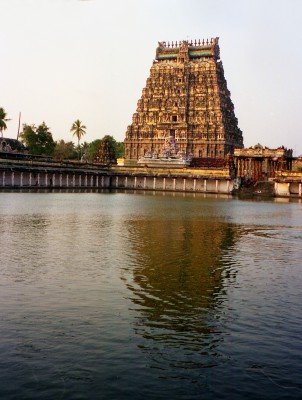
Chidambaram Nataraja Temple
Some quick example text to build on the card title and make up the bulk of the card's content.
Go somewhere
Gangaikonda Cholapuram
Some quick example text to build on the card title and make up the bulk of the card's content.
Go somewhere
Government Museum, Chidambaram
Some quick example text to build on the card title and make up the bulk of the card's content.
Go somewhere
Pichavaram Backwaters
Some quick example text to build on the card title and make up the bulk of the card's content.
Go somewhere
Pichavaram Mangrove Forest
Some quick example text to build on the card title and make up the bulk of the card's content.
Go somewhere
Poompuhar Beach / Town
Some quick example text to build on the card title and make up the bulk of the card's content.
Go somewhere
Silver Beach
Some quick example text to build on the card title and make up the bulk of the card's content.
Go somewhere
Sivakamiamman Temple
Some quick example text to build on the card title and make up the bulk of the card's content.
Go somewhere
Tharangambadi
Some quick example text to build on the card title and make up the bulk of the card's content.
Go somewhere
Thillai Kali Amman Temple
Some quick example text to build on the card title and make up the bulk of the card's content.
Go somewhere
Thillai Nataraja Temple
Some quick example text to build on the card title and make up the bulk of the card's content.
Go somewhere
Tirunallurpperumanam Temple
Some quick example text to build on the card title and make up the bulk of the card's content.
Go somewhere
Tiruvetkalam Temple
Some quick example text to build on the card title and make up the bulk of the card's content.
Go somewherein Other Cities