

Sivakamiamman Temple
General information
-
Ideal Duration:
1-2 Hours (As part of the Nataraja Temple visit).Place Type:
Category: Hindu Temple, Goddess Shrine, Paadal PEntry Fees:
Entry: As the shrine is located within the Chidambaram Nataraja Temple complex, there is No Separate Entry Fee. General access is Free for all visitors to the compound.
Special Darshan/Offerings: Purchasing archana materials (flowers, coconu...Entry: As the shrine is located within the Chidambaram Nataraja Temple complex, there is No Separate Entry Fee. General access is Free for all visitors to the compound.
Special Darshan/Offerings: Purchasing archana materials (flowers, coconut, etc. ) or sponsoring a specific pooja for Goddess Sivakami involves a nominal fee, typically ranging from Rs.10 to Rs.100. Donations for the upkeep of the shrine are also encouraged but are voluntary. Any fees collected are usually for the purchase of ritualistic items and the maintenance of the shrine's dedicated staff. :Timing:
Regular Timings: The timings closely follow the main Nataraja Temple timings: generally 6:00 AM to 12:30 PM and 4:30 PM to 10:00 PM. The pooja schedule for the Goddess's shrine is slightly independent but runs concurrently. Major poojas are held in the morning and evening,...Regular Timings: The timings closely follow the main Nataraja Temple timings: generally 6:00 AM to 12:30 PM and 4:30 PM to 10:00 PM. The pooja schedule for the Goddess's shrine is slightly independent but runs concurrently. Major poojas are held in the morning and evening, generally around 10:00 AM and 6:00 PM.
Ideal Visit Time: The best time is during the late afternoon (4:30 PM to 6:00 PM). The weather is cooler, and the evening pooja for the Goddess is conducted, creating a vibrant, yet peaceful, spiritual ambiance, making it ideal for a focused, devotional visit. :Special Events:
Navaratri Festival: The most important event at the Sivakamiamman Temple is the nine-day Navaratri festival (September-October), dedicated to the various forms of the Goddess. Special alankarams (decorations) and elaborate poojas are performed each day, and the Goddess is t...Navaratri Festival: The most important event at the Sivakamiamman Temple is the nine-day Navaratri festival (September-October), dedicated to the various forms of the Goddess. Special alankarams (decorations) and elaborate poojas are performed each day, and the Goddess is taken on a procession, drawing massive crowds of female devotees.
Vasantha Utsavam: This spring festival, usually held in the Tamil month of Chithirai (April-May), involves special rituals for the Goddess and often includes a float festival (Theppa Utsavam) in the Sivaganga Tank, creating a beautiful and vibrant scene.
Aadi Pooram: Held in the Tamil month of Aadi (July-August), this is a significant day for Goddess temples, celebrated with specific Abhishekams and the decoration of the deity with a unique floral arrangement. :Best Photo Spots:
The Sivaganga Tank Steps: The long, wide steps and the surrounding verandas of the Sivaganga Tank, with the temple vimanam reflected in the water, offer one of the most serene and photogenic spots in the entire complex. Early morning light is best.
Read MoreThe Sivaganga Tank Steps: The long, wide steps and the surrounding verandas of the Sivaganga Tank, with the temple vimanam reflected in the water, offer one of the most serene and photogenic spots in the entire complex. Early morning light is best.
Maha Mandapam Pillar Details: The ornate pillars of the hall in front of the shrine are perfect for architectural close-ups. Focus on the figures and the detailed koshta (wall niche) sculptures for artistic photography.
Frescoes on the Ceiling: Though challenging due to low light, the surviving Nayak frescoes on the ceiling are unique photo subjects, capturing the rare painted heritage of the temple complex (use high ISO and no flash, if allowed).
The Shrine Entrance: The entrance gopuram (though smaller than the main four) provides a framed shot of the shrine area, emphasizing the dedication to the Goddess. :Photo Gallery
Things To Do
-
Witness the Abhishekam and Pooja: Participate in the dedicated Abhishekam and Deeparadhana ceremonies for Goddess Sivakami, which are conducted according to unique Agamic traditions. These rituals are generally less crowded than those for Nataraja and offer a more intimate devotional experience.
Circumambulate the Shrine: Perform pradakshina (circular walk) around the shrine's inner prakaram, carefully observing the carvings on the surrounding walls and the pillar art of the Maha Mandapam. Look specifically for the Nayak frescoes on the ceiling, a key artistic activity.
Offering Kumkum and Flowers: Make a traditional offering of kumkum (vermillion) and flowers to the Goddess, especially on Friday, which is considered highly auspicious for Shakti worship.
Explore the S...Witness the Abhishekam and Pooja: Participate in the dedicated Abhishekam and Deeparadhana ceremonies for Goddess Sivakami, which are conducted according to unique Agamic traditions. These rituals are generally less crowded than those for Nataraja and offer a more intimate devotional experience.
Circumambulate the Shrine: Perform pradakshina (circular walk) around the shrine's inner prakaram, carefully observing the carvings on the surrounding walls and the pillar art of the Maha Mandapam. Look specifically for the Nayak frescoes on the ceiling, a key artistic activity.
Offering Kumkum and Flowers: Make a traditional offering of kumkum (vermillion) and flowers to the Goddess, especially on Friday, which is considered highly auspicious for Shakti worship.
Explore the Sivaganga Tank Area: Spend time by the water, observing the surrounding architecture and the quietude of the huge tank, which is a major part of the shrine's spiritual and visual landscape. It is also a good spot to relax and take photos (exterior only).
Observe the Temple Rituals: Note the specific rituals and dressing style of the Dikshitars (priests) when they perform pooja at this shrine, which can differ subtly from the main Nataraja rituals, providing a unique cultural observation. :
Information
-
Why Famous:
Completing the Divine Duo: The shrine is famous because it completes the divine couple's presence (Shiva-Shakti); no worship of Lord Shiva in Tamil Nadu is considered complete without worshipping the Goddess. Sivakami is the active energy (Shakti) that complements the cons...Completing the Divine Duo: The shrine is famous because it completes the divine couple's presence (Shiva-Shakti); no worship of Lord Shiva in Tamil Nadu is considered complete without worshipping the Goddess. Sivakami is the active energy (Shakti) that complements the consciousness (Chit) of Nataraja, making the dual presence a powerful theological draw.
Frescoes and Artistic Merit: The shrine's fame is also due to the existence of the surviving 16th-17th Century Nayak period paintings (frescoes) on the ceiling of the Maha Mandapam. These rare murals depict scenes from the Puranas and the lives of the Nayanmars, making the shrine a significant site for art history and preservation within the larger temple complex.
Spiritual Focus: It is known as a place of immense power for women, who seek blessings for marital harmony and fertility from the Goddess, making it a particularly important spot for female devotees. : -
Architecture:
Architectural Style and Dimension: The shrine exhibits pure Dravidian architecture, though on a smaller, dedicated scale compared to the main Nataraja complex. It is a sub-temple with its own mandapams, prakarams, and an attached temple tank (Sivaganga Tank). The mandapam ...Architectural Style and Dimension: The shrine exhibits pure Dravidian architecture, though on a smaller, dedicated scale compared to the main Nataraja complex. It is a sub-temple with its own mandapams, prakarams, and an attached temple tank (Sivaganga Tank). The mandapam in front of the shrine, often attributed to the Later Cholas or the Nayak period, is famous for its elegant pillars and detailed carvings. The roof structure (Vimanam) over the sanctum is distinctly designed. The entire dedicated shrine area within the complex covers approximately 2-3 acres. The most notable architectural feature is the Maha Mandapam ceiling, which contains surviving frescoes, an artistic feature characteristic of the Nayak period.
The Sivaganga Tank: Adjacent to the shrine is the massive Sivaganga Tank, which is architecturally impressive, lined with steps and surrounding cloistered verandas, often attributed to the Later Cholas (late 11th-12th Century CE). This tank and its surrounding structures form a major dimension of the shrine's premises. : -
How To Reach:
By Air: Nearest major international airport is Chennai International Airport (MAA) at 235 KM. Take a taxi or bus. Puducherry Airport (PNY) is closer at 78 KM.
By Train: Chidambaram Railway Station (CDM) is the central railhead, less than 1 ...By Air: Nearest major international airport is Chennai International Airport (MAA) at 235 KM. Take a taxi or bus. Puducherry Airport (PNY) is closer at 78 KM.
By Train: Chidambaram Railway Station (CDM) is the central railhead, less than 1 KM away. A short auto-rickshaw ride to the temple's East Gate.
By Road: Located in the town center, right next to the main bus stand, making access via NH32 or NH36 extremely convenient. Local buses stop right outside the temple complex.
By Local Transport: Easily accessible by a short walk from any central point in Chidambaram. Auto-rickshaws are the most common transport, taking visitors directly to the temple gate. Walking is the most convenient way to reach the shrine from the main temple entrance. : -
Weather and Best Time to Visit:
Different Seasons: Winter (October to March) offers the most pleasant temperatures for walking the large complex. Summer is challenging due to the heat, which makes the stone and cement floors very hot to walk on barefoot.
Different Parts of the...Different Seasons: Winter (October to March) offers the most pleasant temperatures for walking the large complex. Summer is challenging due to the heat, which makes the stone and cement floors very hot to walk on barefoot.
Different Parts of the Day: Late Afternoon is recommended. The setting sun illuminates the gopurams, and the cooler air makes the stone floor more comfortable. The evening is also when the temple is particularly alive with devotees preparing for the final poojas of the day. : -
Near Tourist Places:
Chidambaram Nataraja Temple (Same Complex); Government Museum (~0. 8 KM); Thillai Kali Amman Temple (~5 KM); Annamalai University (~4 KM); Chathapurinathar Temple (~1. 5 KM); Pichavaram Mangrove Forest (~16 KM); Tirunallurpperumanam Temple (~25 KM); Tiruvetkalam Temple (~4 KM); Vaitheeswaran Koil (~50 KM); Gangaikonda Cholapuram Temple (~100 KM).
Tourism Tips
-
Health & Safety: The floors can be slippery near the Sivaganga Tank or during the Abhishekam. Dress modestly (traditional Indian wear is required). Be aware of the crowds during the major festivals like Navaratri.
Packing: Carry a camera (u...Health & Safety: The floors can be slippery near the Sivaganga Tank or during the Abhishekam. Dress modestly (traditional Indian wear is required). Be aware of the crowds during the major festivals like Navaratri.
Packing: Carry a camera (use is prohibited near the main sanctum). It is polite to carry a shawl or scarf to cover your head when inside the Goddess's shrine. Wear thick socks to protect your feet from the heat of the stone floor outside the shaded areas.
Accommodation: Hotels and lodges are abundant around the four Car Streets of the main Nataraja Temple, all within a few minutes' walk of the Sivakamiamman Temple entrance.
Other Tips: The shrine can be an oasis of quiet within the busy Nataraja Temple complex; take advantage of the space around the tank for quiet reflection. Friday is a special day for the Goddess, attracting larger crowds and more elaborate poojas. :
Reviews
FAQs
Chidambaram Itineray And Cost:-
Sivakamiamman Temple Tourism:-
Other Places In Chidambaram :-
Other States In India :-
Information about New and Updated Locations() of Tamil Nadu Has Been Added :-
Card subtitle
Note:-
Information provided here in good Faith and for reference only.
Near Places
Annamalai University
Some quick example text to build on the card title and make up the bulk of the card's content.
Go somewhere
Bhuvanagiri Temple
Some quick example text to build on the card title and make up the bulk of the card's content.
Go somewhere
Chathapurinathar Temple
Some quick example text to build on the card title and make up the bulk of the card's content.
Go somewhere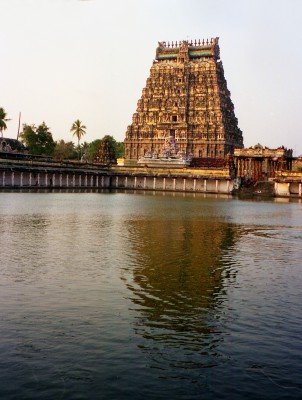
Chidambaram Nataraja Temple
Some quick example text to build on the card title and make up the bulk of the card's content.
Go somewhere
Gangaikonda Cholapuram
Some quick example text to build on the card title and make up the bulk of the card's content.
Go somewhere
Government Museum, Chidambaram
Some quick example text to build on the card title and make up the bulk of the card's content.
Go somewhere
Pichavaram Backwaters
Some quick example text to build on the card title and make up the bulk of the card's content.
Go somewhere
Pichavaram Mangrove Forest
Some quick example text to build on the card title and make up the bulk of the card's content.
Go somewhere
Poompuhar Beach / Town
Some quick example text to build on the card title and make up the bulk of the card's content.
Go somewhere
Silver Beach
Some quick example text to build on the card title and make up the bulk of the card's content.
Go somewhere
Sivakamiamman Temple
Some quick example text to build on the card title and make up the bulk of the card's content.
Go somewhere
Tharangambadi
Some quick example text to build on the card title and make up the bulk of the card's content.
Go somewhere
Thillai Kali Amman Temple
Some quick example text to build on the card title and make up the bulk of the card's content.
Go somewhere
Thillai Nataraja Temple
Some quick example text to build on the card title and make up the bulk of the card's content.
Go somewhere
Tirunallurpperumanam Temple
Some quick example text to build on the card title and make up the bulk of the card's content.
Go somewhere
Tiruvetkalam Temple
Some quick example text to build on the card title and make up the bulk of the card's content.
Go somewherein Other Cities