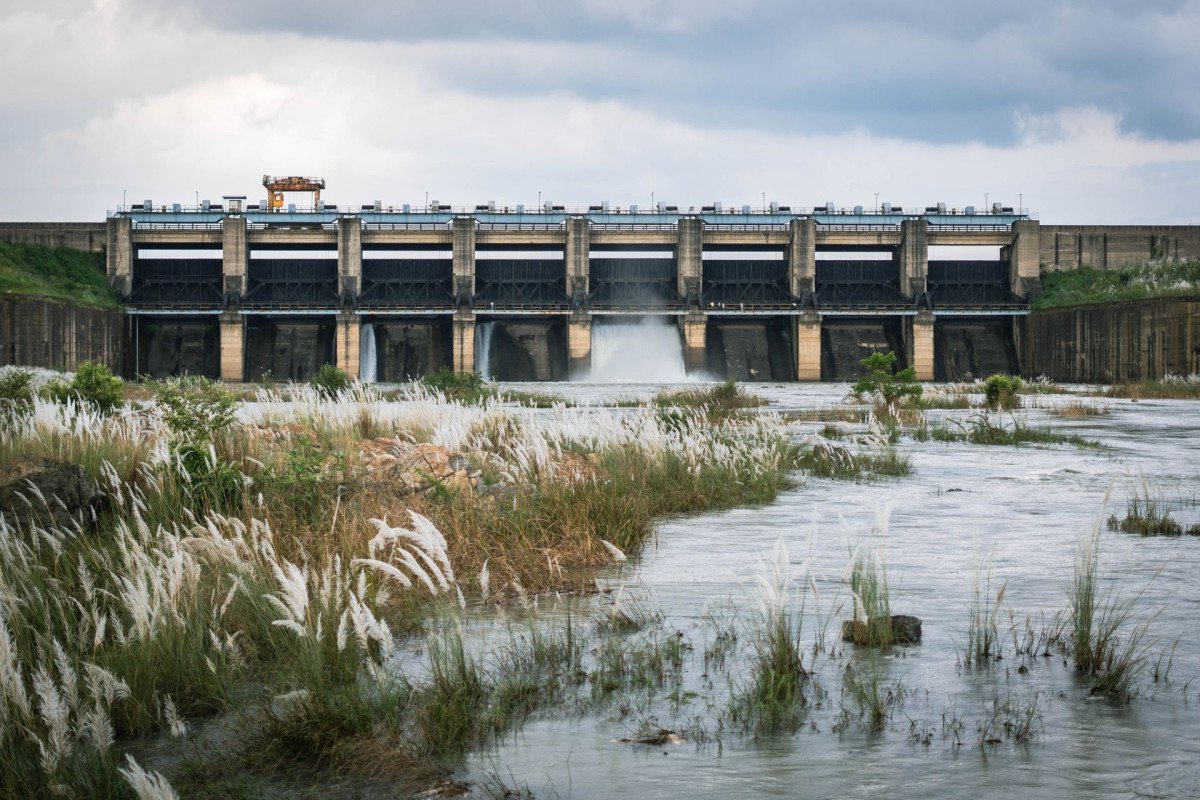
Pichavaram Mangrove Forest
General information
-
Ideal Duration:
3-4 Hours (Minimum, including travel and boating).Place Type:
Category: Ecological Site, Wildlife Sanctuary, NEntry Fees:
Entry Fee (Forest Department): There is a nominal Entry Fee to the Pichavaram Mangrove Forest site, typically around Rs.10 to Rs.20 per person for Indian nationals and a slightly higher fee for foreign tourists. This fee is used for the site's maintenance.
Read MoreEntry Fee (Forest Department): There is a nominal Entry Fee to the Pichavaram Mangrove Forest site, typically around Rs.10 to Rs.20 per person for Indian nationals and a slightly higher fee for foreign tourists. This fee is used for the site's maintenance.
Boating Fees: The main cost is the Boating Fee, which varies based on the type of boat and duration: Rowboat/Canoe (essential for narrow channels) is more expensive but highly recommended, costing approximately Rs.400 to Rs.700 per hour. Motorboats are cheaper per person and quicker but cannot enter the narrow canals. There are also fixed government tariffs for different routes/times, with prices ranging from Rs.200 to Rs.2000 for the official routes. Camera fees are often charged separately. :Timing:
Regular Timings: The boat jetty and the forest access point are usually open from 9:00 AM to 5:00 PM daily. All boat services and forest activities must conclude before sunset for safety reasons. It is advisable to reach the jetty well before 3:00 PM to allow for a proper ...Regular Timings: The boat jetty and the forest access point are usually open from 9:00 AM to 5:00 PM daily. All boat services and forest activities must conclude before sunset for safety reasons. It is advisable to reach the jetty well before 3:00 PM to allow for a proper 2-3 hour boat ride.
Ideal Visit Time: The best time to visit is the early morning (9:00 AM to 11:00 AM) or the late afternoon (3:00 PM to 5:00 PM). The midday sun is intense and can make the boat ride uncomfortable. The early morning is especially good for photography and birdwatching, as the water is calmer and the light is softer. :Special Events:
Mangrove Ecosystem Awareness Day: The forest department or local conservation groups may organize special awareness programs, guided walks, and seminars on World Environment Day (June 5th) or other related dates to highlight the importance of the ecosystem.Mangrove Ecosystem Awareness Day: The forest department or local conservation groups may organize special awareness programs, guided walks, and seminars on World Environment Day (June 5th) or other related dates to highlight the importance of the ecosystem.
Migratory Bird Season: The arrival of thousands of migratory birds during November to February is an annual, special event, attracting ornithologists and serious birdwatchers. The period from December to January is the peak for bird sightings and is treated as a natural seasonal event.
Local Fishing Festivals: Local festivals related to the sea and fishing, celebrated by the nearby village of Killai, sometimes involve small, traditional processions or rituals at the edge of the backwaters, providing a unique cultural glimpse. :Best Photo Spots:
The Narrow Mangrove Tunnels: The most unique photo spots are inside the narrow canals where the mangrove roots and branches form a dense, cave-like canopy overhead, creating a dark, green, and mysterious atmosphere. This requires patience and a steady camera for low-light s...The Narrow Mangrove Tunnels: The most unique photo spots are inside the narrow canals where the mangrove roots and branches form a dense, cave-like canopy overhead, creating a dark, green, and mysterious atmosphere. This requires patience and a steady camera for low-light shots.
Panoramic View from the Tower: The best wide-angle shots of the entire, vast expanse of the forest and the backwaters, contrasting the green canopy with the water, can be taken from the Viewpoint Tower near the boat jetty.
Bird Photography: The open water channels, especially those leading towards the Bay of Bengal, are excellent for telephoto lens photography, capturing the various migratory and resident bird species in their natural, water-based habitat. :Photo Gallery
Things To Do
-
The Canoe/Rowboat Ride: The absolute must-do activity is hiring a rowboat (not a motorboat, which cannot navigate the narrow passages). Request the boatman to take you deep into the narrowest canals (the "tunnels") of the mangrove labyrinth for the most intimate and surreal nature experience, which should last at least 2 hours.
Birdwatching and Nature Photography: Carry binoculars and a good camera. Engage in birdwatching, especially during the migratory season (November to February), focusing on the open water and mudflats near the ocean edge. Look for storks, egrets, herons, and other migratory birds.
Visit the Viewpoint Tower: Climb the observation tower near the boat jetty for a panoramic, elevated view of the entire mangrove forest, the backwaters, and the distant Bay of Bengal. This helps...The Canoe/Rowboat Ride: The absolute must-do activity is hiring a rowboat (not a motorboat, which cannot navigate the narrow passages). Request the boatman to take you deep into the narrowest canals (the "tunnels") of the mangrove labyrinth for the most intimate and surreal nature experience, which should last at least 2 hours.
Birdwatching and Nature Photography: Carry binoculars and a good camera. Engage in birdwatching, especially during the migratory season (November to February), focusing on the open water and mudflats near the ocean edge. Look for storks, egrets, herons, and other migratory birds.
Visit the Viewpoint Tower: Climb the observation tower near the boat jetty for a panoramic, elevated view of the entire mangrove forest, the backwaters, and the distant Bay of Bengal. This helps in appreciating the vast dimension of the ecosystem.
Explore the Backwaters: If time permits, take a motorboat for a short distance into the wider backwaters that lead toward the ocean, which allows for a different perspective on the scale and the vastness of the mangrove cover.
Collect Sea Shells: Depending on the tidal conditions, visitors can sometimes find small areas of the mudflats or coastal edges where unique sea shells or mangrove propagules (seeds) can be observed and collected (respecting local regulations). :
Information
-
Why Famous:
Second Largest Mangrove Forest: Its primary fame is its status as the second-largest mangrove forest globally, a title that draws international environmentalists, nature lovers, and tourists. Its proximity to a coastal town and the accessibility for tourism set it apart fro...Second Largest Mangrove Forest: Its primary fame is its status as the second-largest mangrove forest globally, a title that draws international environmentalists, nature lovers, and tourists. Its proximity to a coastal town and the accessibility for tourism set it apart from other, more remote mangrove areas.
Labyrinthine Waterways and Boat Experience: The experience of being rowed through the extremely narrow water channels (the "backwaters") where the mangrove roots form a dense, ceiling-like canopy is a world-famous, unique experience. This unique channel architecture is the reason for its fame as a tourist spot, offering a surreal, silent, and green jungle-like atmosphere that is unlike any other boat ride in India.
A Natural Cyclone Buffer: It gained significant national fame for mitigating the destructive effects of the 2004 Indian Ocean Tsunami and subsequent cyclones, proving its value as a natural coastal defense and highlighting its immense ecological and practical importance to the local community. : -
Architecture:
Architectural Style and Dimension: As a natural, living ecosystem, its "architecture" is Biogenic—built by nature. The structure is defined by the Rhizophora and Avicennia mangrove trees, whose intricate, aerial root systems (pneumatophores) form a dense, impenetrable for...Architectural Style and Dimension: As a natural, living ecosystem, its "architecture" is Biogenic—built by nature. The structure is defined by the Rhizophora and Avicennia mangrove trees, whose intricate, aerial root systems (pneumatophores) form a dense, impenetrable fortress. The "dimension" is the vast expanse of the waterways: approximately 1100 hectares of interconnected canals, some of which are so narrow that only a small boat can pass through them, creating natural "ceilings" of intertwined branches. The "canals" are the main architectural features, often forming pathways as narrow as 1 to 2 meters in width, with the forest canopy rising up to 5-10 meters high. The entire network is a labyrinthine maze of around 400 water channels and 50 islands, constantly reshaped by the tides and river flow, representing a dynamic, organic structure. : -
How To Reach:
By Air: The nearest major international airport is Chennai International Airport (MAA) at approximately 245 KM. From there, hire a taxi or take a pre-booked bus to Chidambaram, and then a local taxi to Pichavaram. Puducherry Airport (PNY) is closer at 95 KM.By Air: The nearest major international airport is Chennai International Airport (MAA) at approximately 245 KM. From there, hire a taxi or take a pre-booked bus to Chidambaram, and then a local taxi to Pichavaram. Puducherry Airport (PNY) is closer at 95 KM.
By Train: Chidambaram Railway Station (CDM) is the central railhead, approximately 16 KM away. The forest is not accessible by train directly; one must take a local bus or taxi from the station.
By Road: Pichavaram is located about 16 KM from Chidambaram on the road toward Cuddalore, near the village of Killai. The site is accessible via a short, dedicated diversion road. State-run TNSTC buses from Chidambaram to Killai or Cuddalore stop near the junction, requiring a short auto-rickshaw ride.
By Local Transport: Hiring a dedicated auto-rickshaw or taxi from Chidambaram for a return trip is the most convenient option, taking about 30-40 minutes each way. Negotiate the price for the return journey, including waiting time, beforehand, as transport options at the site can be limited. : -
Weather and Best Time to Visit:
Different Seasons: Winter (November to February) is the absolutely best time. The weather is cool, which is ideal for a boat ride, and this period coincides with the peak season for migratory birds, providing the richest nature experience. Summer should be avoided due to t...Different Seasons: Winter (November to February) is the absolutely best time. The weather is cool, which is ideal for a boat ride, and this period coincides with the peak season for migratory birds, providing the richest nature experience. Summer should be avoided due to the intense heat and humidity on the water.
Different Parts of the Day: Early Morning is highly recommended for birdwatching, as birds are most active. The light is soft for photography, and the water is generally calm. Late Afternoon is also pleasant for a boat ride as the sun dips, making the experience cooler and more atmospheric. : -
Near Tourist Places:
Killai Backwaters (~5 KM); Cuddalore Beach (~35 KM); Chidambaram Nataraja Temple (~16 KM); Annamalai University (~17 KM); Thillai Kali Amman Temple (~17 KM); Vaitheeswaran Koil (~65 KM); Poompuhar Beach (~40 KM); Tranquebar (Tharangambadi) (~75 KM); Porto Novo (Parangipettai) (~15 KM); Silver Beach, Cuddalore (~35 KM).
Tourism Tips
-
Health & Safety: The boat ride is generally safe, but ensure the boat has life jackets, especially if traveling with children. Do not try to step out of the boat into the mudflats. Apply mosquito repellent, as the humid mangrove environment attracts insects. Carry drinkin...Health & Safety: The boat ride is generally safe, but ensure the boat has life jackets, especially if traveling with children. Do not try to step out of the boat into the mudflats. Apply mosquito repellent, as the humid mangrove environment attracts insects. Carry drinking water and sunscreen, as the sun's reflection off the water is intense.
Packing: Wear light cotton clothing and a hat. Crucially, carry a pair of binoculars for birdwatching. A dry bag or protective case for your phone/camera is a very good idea due to the water. Wear sunglasses.
Accommodation: It is highly recommended to stay in Chidambaram town center, which is only a 30-40 minute drive away and offers a much wider range of quality accommodations and food options. Plan for a half-day excursion.
Other Tips: Insist on a rowboat or canoe for the narrow channels; the motorboats can only go into the wider main backwaters, missing the true, magical core of the forest. Negotiate the boat price firmly and clearly agree on the duration and the route (specifically asking to go into the narrow tunnels) before setting off. :
Reviews
FAQs
Chidambaram Itineray And Cost:-
Pichavaram Mangrove Forest Tourism:-
Other Places In Chidambaram :-
Other States In India :-
Information about New and Updated Locations() of Tamil Nadu Has Been Added :-
Card subtitle
Note:-
Information provided here in good Faith and for reference only.
Near Places
Annamalai University
Some quick example text to build on the card title and make up the bulk of the card's content.
Go somewhere
Bhuvanagiri Temple
Some quick example text to build on the card title and make up the bulk of the card's content.
Go somewhere
Chathapurinathar Temple
Some quick example text to build on the card title and make up the bulk of the card's content.
Go somewhere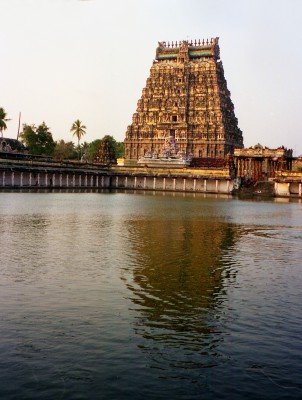
Chidambaram Nataraja Temple
Some quick example text to build on the card title and make up the bulk of the card's content.
Go somewhere
Gangaikonda Cholapuram
Some quick example text to build on the card title and make up the bulk of the card's content.
Go somewhere
Government Museum, Chidambaram
Some quick example text to build on the card title and make up the bulk of the card's content.
Go somewhere
Pichavaram Backwaters
Some quick example text to build on the card title and make up the bulk of the card's content.
Go somewhere
Pichavaram Mangrove Forest
Some quick example text to build on the card title and make up the bulk of the card's content.
Go somewhere
Poompuhar Beach / Town
Some quick example text to build on the card title and make up the bulk of the card's content.
Go somewhere
Silver Beach
Some quick example text to build on the card title and make up the bulk of the card's content.
Go somewhere
Sivakamiamman Temple
Some quick example text to build on the card title and make up the bulk of the card's content.
Go somewhere
Tharangambadi
Some quick example text to build on the card title and make up the bulk of the card's content.
Go somewhere
Thillai Kali Amman Temple
Some quick example text to build on the card title and make up the bulk of the card's content.
Go somewhere
Thillai Nataraja Temple
Some quick example text to build on the card title and make up the bulk of the card's content.
Go somewhere
Tirunallurpperumanam Temple
Some quick example text to build on the card title and make up the bulk of the card's content.
Go somewhere
Tiruvetkalam Temple
Some quick example text to build on the card title and make up the bulk of the card's content.
Go somewherein Other Cities