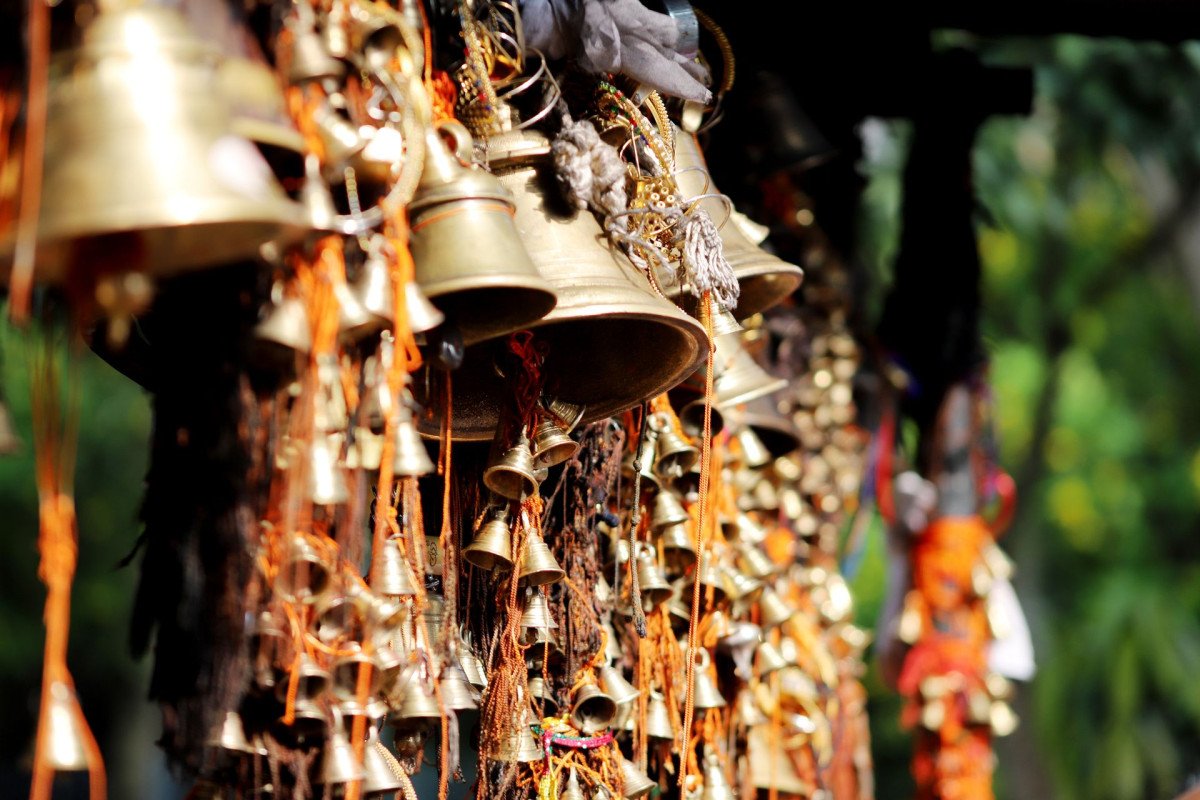
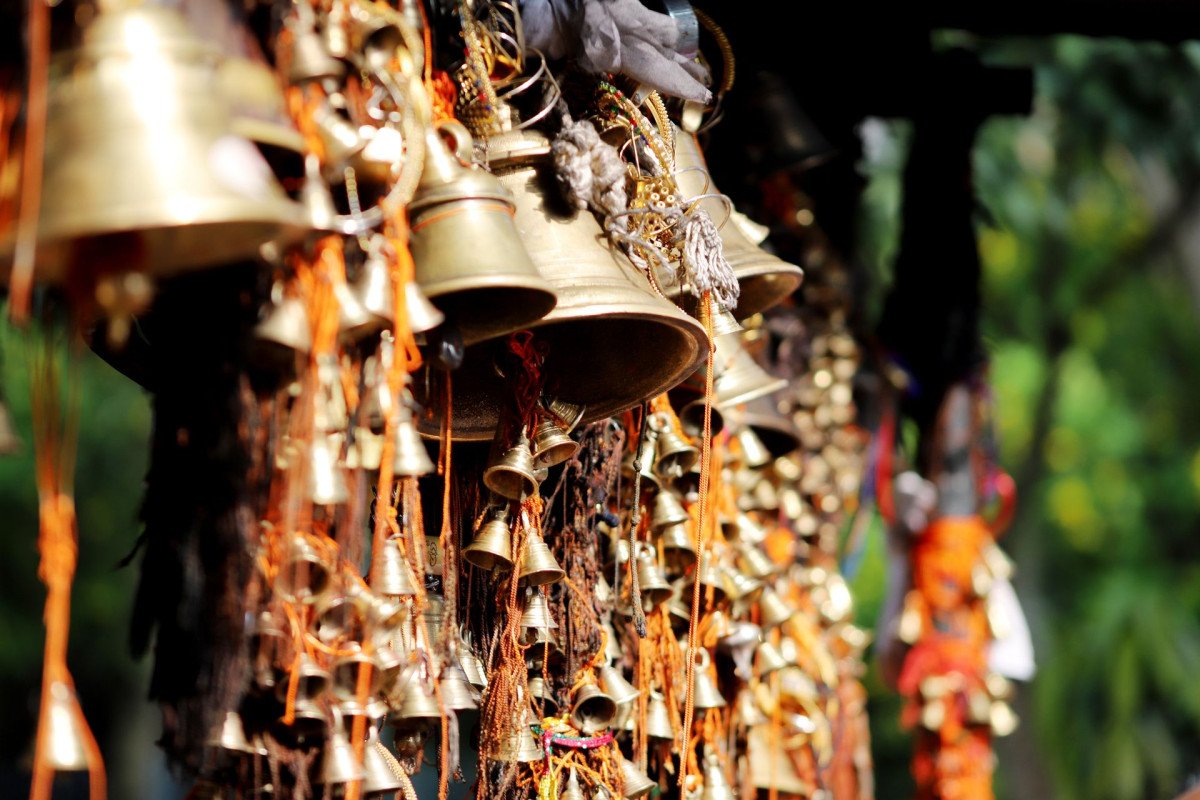
Chingya Lairembi Temple
General information
-
Ideal Duration:
1-2 hours:Place Type:
Religious Site, Cultural Heritage:Entry Fees:
Standard Donation Protocol: There are typically no formal entry fees for temples in Kakching and Manipur: However, a small, voluntary donation (Dakshina) is customary for the upkeep of the shrine: This practice is seen as a way to contribute to the religious institution:
...Standard Donation Protocol: There are typically no formal entry fees for temples in Kakching and Manipur: However, a small, voluntary donation (Dakshina) is customary for the upkeep of the shrine: This practice is seen as a way to contribute to the religious institution:
Photography/Video Charges: There might be a small, nominal fee or strict prohibition for professional photography or video recording, particularly inside the main shrine area during active worship times:
Always inquire beforehand:
Offering Costs: The cost for items to offer to the deity (flowers, fruits, incense, etc. ) is minimal and can be purchased from small local vendors outside the complex or in the main Kakching Bazar:
This is a personal choice, not a mandatory fee:Timing:
Regular Timings: The temple is generally open from early morning, around 5:00 AM, to late afternoon, around 5:00 PM or 6:
00 PM: It may close briefly in the midday, but is generally accessible during daylight hours:Regular Timings: The temple is generally open from early morning, around 5:00 AM, to late afternoon, around 5:00 PM or 6:
00 PM: It may close briefly in the midday, but is generally accessible during daylight hours:
Festival Timings: During the Lai Haraoba festival or other major religious events, the timings are extended, and specific ritual times are strictly observed:
Check local announcements for these periods:
Ideal Visit Time: The Ideal Visit Time is early morning (before 9:00 AM) for a peaceful experience, to witness morning prayers, and enjoy the cool weather, or late afternoon (after 3:
00 PM) to catch the sunset and evening rituals:
Monday and Thursday are often significant days:Special Events:
Lai Haraoba Festival: The temple's most significant event is the participation in or hosting of the Lai Haraoba festival, typically observed between February and June (Meitei lunar months of Lamta to Kalelen): This multi-day festival involves elaborate ritualistic dances, mu...Lai Haraoba Festival: The temple's most significant event is the participation in or hosting of the Lai Haraoba festival, typically observed between February and June (Meitei lunar months of Lamta to Kalelen): This multi-day festival involves elaborate ritualistic dances, music, and ceremonies reenacting the creation myth and honoring the local deity:
Local Worship Days: Specific days of the week or lunar calendar days are considered especially auspicious for the goddess's worship, drawing larger local crowds and more focused rituals: These gatherings provide an authentic cultural snapshot:
Other Meitei Rituals: The temple may also observe other smaller, local ritualistic events (Iratpa) throughout the year dedicated to the deity, which are intimate community affairs:Best Photo Spots:
Temple Facade and Courtyard: The best time for photos is early morning when the soft sunlight illuminates the traditional architectural features and the courtyard is calm: Capture the shrine against the lush green backdrop:
Panoramic Valley View:...Temple Facade and Courtyard: The best time for photos is early morning when the soft sunlight illuminates the traditional architectural features and the courtyard is calm: Capture the shrine against the lush green backdrop:
Panoramic Valley View: The viewpoint from the hillock near the temple offers an excellent spot for landscape photography, capturing the entire Kakching valley and the distant plains, especially during sunset for warm hues:
Ritual Moments (with permission): During non-peak hours or smaller ceremonies (after respectfully asking for permission), the quiet moments of devotion, the play of light and shadow inside the shrine, or the offerings made by devotees make for powerful, cultural photographs:
Natural Setting: Focus on the details of the surrounding foliage, the old trees, and the pathways that lead to the sacred space, emphasizing the temple's connection to nature:Photo Gallery
Things To Do
-
Attending Local Rituals: Try to witness the daily or weekly temple rituals; the traditional chants, music, and offerings offer a profound glimpse into Meitei religious life:
These activities are unique to the region:
Nature Walk and Meditation: Explore the peaceful surroundings of the hillock (Ching) on which the temple is situated: The serene environment is perfect for quiet contemplation, meditation, and a refreshing break from city noise:
Cultural Exchange with Locals: Gently interact with the local devotees and community members; learning about their faith, traditions, and the meaning of the temple is an enriching cultural experience:
Always be respectful of their customs:
Photography of Scenery and...Attending Local Rituals: Try to witness the daily or weekly temple rituals; the traditional chants, music, and offerings offer a profound glimpse into Meitei religious life:
These activities are unique to the region:
Nature Walk and Meditation: Explore the peaceful surroundings of the hillock (Ching) on which the temple is situated: The serene environment is perfect for quiet contemplation, meditation, and a refreshing break from city noise:
Cultural Exchange with Locals: Gently interact with the local devotees and community members; learning about their faith, traditions, and the meaning of the temple is an enriching cultural experience:
Always be respectful of their customs:
Photography of Scenery and Architecture: Capture the tranquil beauty of the temple structure and the surrounding natural landscape: The blend of indigenous architecture with the green backdrop is highly photogenic:
Exploring Local Art Forms: Look out for local artisans or performers who may be practicing traditional Meitei music (Pena) or dance (Lai Haraoba movements) in or near the temple complex, especially during festival times:
Learning Meitei Folklore: Dedicate time to understanding the stories and legends of the deity Lairembi and other Umang Lais: This deepens the appreciation of the site beyond its physical appearance:
Sampling Local Offerings: On special days, you might encounter local sweets (Chaklen) or other traditional food items offered as Prasad; politely accepting and tasting these is a part of the local experience:
Information
-
Why Famous:
Center of Sanamahism: It is famous as a central site for the traditional Meitei religion, Sanamahism, in the Kakching area, dedicated to Goddess Lairembi: Its religious significance draws local and regional devotees, especially during ritualistic festivals:
Read MoreCenter of Sanamahism: It is famous as a central site for the traditional Meitei religion, Sanamahism, in the Kakching area, dedicated to Goddess Lairembi: Its religious significance draws local and regional devotees, especially during ritualistic festivals:
Cultural Preservation: The temple and its associated rituals, such as those related to the Lai Haraoba festival (often celebrated at Umang Lai temples), are crucial for preserving the indigenous cultural and religious practices of the Meitei people, setting it apart as a bastion of local identity:
Historical Connection: It is linked to the ancient history and folklore of Manipur, representing an enduring spiritual belief system that predates later religious influences: The site is a living testament to the region's unique mythological narratives:Architecture:
Traditional Meitei Architectural Influence: The architecture of Chingya Lairembi Temple typically reflects the indigenous Meitei architectural style, known for its simplicity, use of local materials, and close connection to nature: The main shrine is often a relatively small...Traditional Meitei Architectural Influence: The architecture of Chingya Lairembi Temple typically reflects the indigenous Meitei architectural style, known for its simplicity, use of local materials, and close connection to nature: The main shrine is often a relatively small, rectangular structure, sometimes raised on a low platform, built primarily with local materials like wood, bamboo, and thatched roofs, though modern renovations may incorporate brick and concrete: Unlike the elaborate stone carvings of many mainland Indian temples, the focus here is on the sacred space and symbolic representation of the deity, often wrapped in cloth rather than a sculpted idol: The layout generally includes a central shrine (Garbhagriha) and a surrounding courtyard for rituals and community gatherings:
Dimension and Structure: Exact dimensions vary, but the main shrine is generally compact, possibly around 15 feet in length and 10 feet in width, designed for intimacy and focused worship: Smaller ancillary shrines dedicated to other local deities (Umang Lais) often flank the main structure, echoing its simple style: The construction emphasizes functionality and local tradition, with the roof potentially featuring a gentle sloping design characteristic of vernacular Manipuri architecture: The aesthetic is one of harmony with the environment, rather than imposing grandeur, highlighting the connection between the deity and the natural world:How To Reach:
By Air: The nearest major airport is Bir Tikendrajit International Airport (IMF) in Imphal, approximately 40 KMs away: From the airport, one can hire a pre-paid taxi or a local cab to reach Kakching and then the temple: The journey by road from the airport to Kakching takes ...By Air: The nearest major airport is Bir Tikendrajit International Airport (IMF) in Imphal, approximately 40 KMs away: From the airport, one can hire a pre-paid taxi or a local cab to reach Kakching and then the temple: The journey by road from the airport to Kakching takes about 1.
5 to 2 hours:
By Train: The nearest major railhead is Dimapur Railway Station (DMV) in Nagaland (about 245 KMs) or Jiribam Railway Station (about 230 KMs): From the railway station, the journey to Kakching is long and requires hiring a taxi or taking a state transport bus to Imphal, and then a connecting local bus or taxi to Kakching:
By Road: Kakching is well-connected by road, lying on the National Highway 102 (the Imphal-Moreh road): State transport buses and private shared or reserved taxis frequently ply from Imphal and neighboring towns like Thoubal to Kakching: From the Kakching main road, one must take a local vehicle to the temple:
By Local Transport: Within Kakching, auto-rickshaws (often shared) and local taxis/cabs are the best ways to reach the temple from the main market or bus stop: The temple is on a small hill, so the final approach may be a short walk:Weather and Best Time to Visit:
Different Types of Seasons: The Best Time to Visit is during the post-monsoon and winter months, from October to March: The weather is cool and pleasant, ideal for temple visits and sightseeing: The atmosphere is dry and comfortable for climbing the small hill: Avoid the pea...Different Types of Seasons: The Best Time to Visit is during the post-monsoon and winter months, from October to March: The weather is cool and pleasant, ideal for temple visits and sightseeing: The atmosphere is dry and comfortable for climbing the small hill: Avoid the peak monsoon months (June to September) due to heavy rainfall and muddy trails:
Different Parts of the Day: Early mornings (from 6:00 AM to 9:00 AM) offer the most tranquil and spiritual experience with the morning rituals and soft light: Late afternoon (3:30 PM to 5:00 PM) is also good for a quiet visit and sunset view:
Avoid midday due to heat, especially in summer:Near Tourist Places:
Kakching Garden (Uyok Ching) (1-2 KMs), Kakching Eco Park (2-3 KMs), Kakching Bazar (2-3 KMs), Kakching Haraoba Temple (2-3 KMs), Mahadeva Temple on Uyok Ching (1-2 KMs), Pumlen Lake (15 KMs), Thoubal Town (18 KMs), Wabagai Lairembi Temple (8 KMs), Heirok Eco Park (10 KMs), Loushi Pat (Lake) (6 KMs):Tourism Tips
-
Health & Safety: Carry a basic first-aid kit and water, as the temple is on a hillock:
Wear comfortable walking shoes:
Be mindful of the steps or path leading up:
Packing: Dres...Health & Safety: Carry a basic first-aid kit and water, as the temple is on a hillock:
Wear comfortable walking shoes:
Be mindful of the steps or path leading up:
Packing: Dress modestly and traditionally to show respect for the religious site: Remove your footwear before entering the temple complex/shrine:
Carry a light shawl or scarf:
Accommodation: Accommodation should be sought in Kakching town center or nearby Thoubal: Options range from basic guesthouses to small, comfortable hotels: Book in advance, especially during the Lai Haraoba festival:
Other Different Topics heading (Cultural Respect): Always maintain silence and reverence within the main shrine area: Do not take photographs inside the sanctum unless explicitly permitted:
Observe local customs and traditions carefully:
Reviews
FAQs
Kakching Itineray And Cost:-
Chingya Lairembi Temple Tourism:-
Other Places In Kakching :-
Other States In India :-
Information about New and Updated Locations() of Manipur Has Been Added :-
Card subtitle
Note:-
Information provided here in good Faith and for reference only.
Near Places

Chingya Lairembi Temple
Some quick example text to build on the card title and make up the bulk of the card's content.
Go somewhere
Heirok Part III
Some quick example text to build on the card title and make up the bulk of the card's content.
Go somewhere
Ikop Lake
Some quick example text to build on the card title and make up the bulk of the card's content.
Go somewhere
Irengband Village
Some quick example text to build on the card title and make up the bulk of the card's content.
Go somewhere
Kakching Bazar
Some quick example text to build on the card title and make up the bulk of the card's content.
Go somewhere
Kakching Eco-Park
Some quick example text to build on the card title and make up the bulk of the card's content.
Go somewhere
Kakching Eco Park
Some quick example text to build on the card title and make up the bulk of the card's content.
Go somewhere
Kakching Garden
Some quick example text to build on the card title and make up the bulk of the card's content.
Go somewhere
Kakching Garden
Some quick example text to build on the card title and make up the bulk of the card's content.
Go somewhere
Kakching Haraoba Temple
Some quick example text to build on the card title and make up the bulk of the card's content.
Go somewhere
Kakching Laiching
Some quick example text to build on the card title and make up the bulk of the card's content.
Go somewhere
Kakching Lamkhai
Some quick example text to build on the card title and make up the bulk of the card's content.
Go somewhere
Kakching Makha Leikai
Some quick example text to build on the card title and make up the bulk of the card's content.
Go somewhere
Kakching Phousupat
Some quick example text to build on the card title and make up the bulk of the card's content.
Go somewhere
Komlakhong Chingthi Hill
Some quick example text to build on the card title and make up the bulk of the card's content.
Go somewhere
Lamlai Village
Some quick example text to build on the card title and make up the bulk of the card's content.
Go somewherein Other Cities