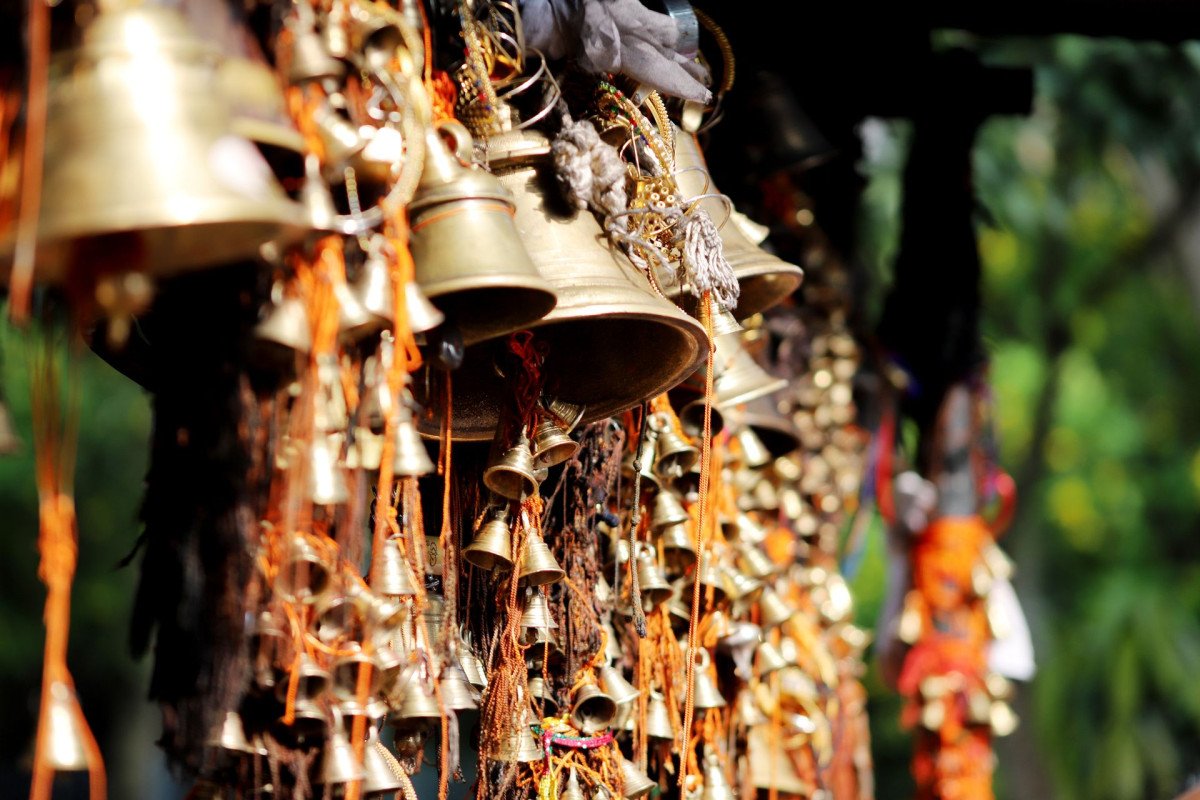
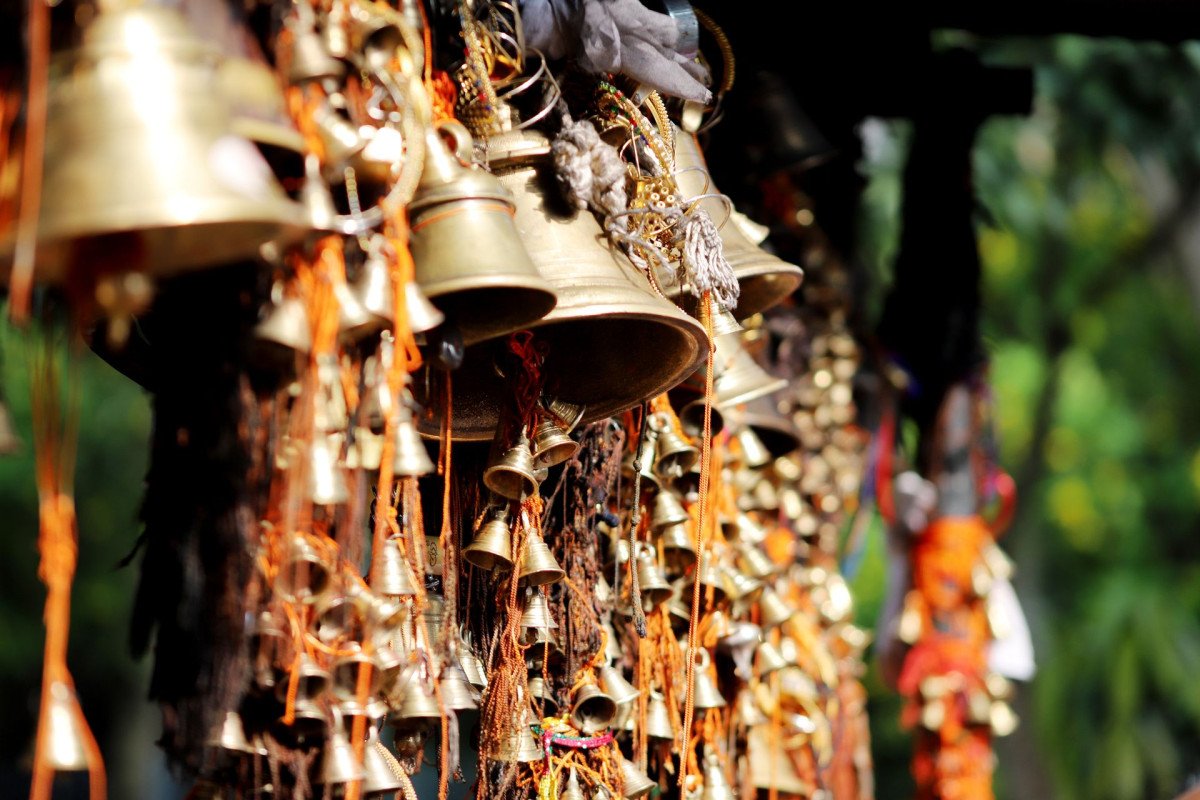
Kakching Haraoba Temple
General information
-
Ideal Duration:
1-2 hours (Non-Festival Time)Place Type:
Religious Site, Cultural Heritage, Festival GroundEntry Fees:
No Formal Entry Fee: Similar to most Meitei Umang Lai temples, there is no formal entry fee: The site is a community religious center, open to all:
Donation for Upkeep: Visitors are encouraged to make a small, voluntary monetary contribution ...No Formal Entry Fee: Similar to most Meitei Umang Lai temples, there is no formal entry fee: The site is a community religious center, open to all:
Donation for Upkeep: Visitors are encouraged to make a small, voluntary monetary contribution (Dakshina) towards the maintenance of the temple and the hosting of the annual Lai Haraoba festival:
Festival Donation: During the Lai Haraoba festival, a small donation is highly customary and expected for those attending the public performances:
Photography Restrictions: There are likely to be strict rules against photography or video during the sensitive ritualistic parts of the Lai Haraoba festival, so always inquire and respect the instructions of the temple authorities (the Maiba/Maibi):Timing:
Regular Timings: The temple is generally accessible during daylight hours, typically from 6:00 AM to 6:00 PM, allowing for quiet personal worship and viewing of the premises:
Festival Timings: During the Lai Haraoba festival, the complex rema...Regular Timings: The temple is generally accessible during daylight hours, typically from 6:00 AM to 6:00 PM, allowing for quiet personal worship and viewing of the premises:
Festival Timings: During the Lai Haraoba festival, the complex remains active throughout the day and often late into the night, with specific rituals adhering to a strict, pre-determined schedule:
Ideal Visit Time: The Ideal Visit Time is a quiet morning (7:00 AM to 9:00 AM) on a non-festival day for a peaceful visit and photography, or to plan the visit specifically to coincide with the opening or closing days of the multi-day Lai Haraoba festival for the full cultural experience:Special Events:
Kakching Lai Haraoba Festival: This is the single, most important event, typically celebrated over several days (ranging from 10 to 30 days) in the Meitei lunar months between February and June: This is the peak cultural and religious event of the year:
Read MoreKakching Lai Haraoba Festival: This is the single, most important event, typically celebrated over several days (ranging from 10 to 30 days) in the Meitei lunar months between February and June: This is the peak cultural and religious event of the year:
Local Community Feasts: The community often holds traditional feasts (Chaklen Katpa) associated with the temple or deity on specific auspicious days, which are significant community bonding events:
Rituals Marking Life Events: The temple may be the site for certain traditional life-cycle rituals (Laimang Phamba) for local residents, showcasing unique cultural practices:Best Photo Spots:
The Laibung (Festival Ground): The wide-open space of the festival ground, especially when empty, offers a powerful compositional spot to capture the essence of the place as a ritual theater:
Traditional Shrine Facade: The simple, indigenous ...The Laibung (Festival Ground): The wide-open space of the festival ground, especially when empty, offers a powerful compositional spot to capture the essence of the place as a ritual theater:
Traditional Shrine Facade: The simple, indigenous architecture of the Lai-shang itself, with its unique roofline and placement in the grove, is a beautiful cultural subject:
Pena Player Statue/Spot: Look for any spot dedicated to the Pena Khongba (traditional musician), as this instrument is a vital symbol of the Lai Haraoba tradition:
During Festival (with high respect): If visiting during Lai Haraoba, the colorful traditional costumes, the movement of the Maibis and Maibas, and the sheer scale of the community gathering are unparalleled for cultural photography (always maintain a respectful distance):Photo Gallery
Things To Do
-
Learning About Lai Haraoba: Seek information (via local guides or temple staff) about the structure, meaning, and performance elements of the Lai Haraoba festival, including the roles of the Maibas and Maibis:
Observing the Sacred Grove: Take a quiet walk around the periphery of the temple, focusing on the preservation of the sacred trees and the natural surroundings:
Meditation and Quiet Reflection: The peaceful atmosphere outside of festival time is ideal for quiet meditation and connecting with the traditional spiritual energy of the place:
Attending Regular Worship: If there are non-festival daily or weekly worship ceremonies, attend them to witness the local customs of honoring the Umang Lai:
Photography of the Laibung: Capture ...Learning About Lai Haraoba: Seek information (via local guides or temple staff) about the structure, meaning, and performance elements of the Lai Haraoba festival, including the roles of the Maibas and Maibis:
Observing the Sacred Grove: Take a quiet walk around the periphery of the temple, focusing on the preservation of the sacred trees and the natural surroundings:
Meditation and Quiet Reflection: The peaceful atmosphere outside of festival time is ideal for quiet meditation and connecting with the traditional spiritual energy of the place:
Attending Regular Worship: If there are non-festival daily or weekly worship ceremonies, attend them to witness the local customs of honoring the Umang Lai:
Photography of the Laibung: Capture the architecture of the Lai-shang and the vastness of the Laibung (festival ground), imagining the scene during the annual festival:
Exploring Local Martial Arts: The Lai Haraoba sometimes includes displays of the traditional Manipuri martial art, Thang-Ta:
Inquire if any local groups practice nearby:
Witnessing Traditional Music: Look out for the use of the traditional string instrument, the Pena, in the rituals, as it is integral to the cultural heritage:
Information
-
Why Famous:
One of Six Major Lai Haraoba: It is famous for hosting the Kakching Lai Haraoba, which is officially recognized as one of the six most significant and ancient Lai Haraoba festivals of Manipur:
This distinction brings it cultural prominence:One of Six Major Lai Haraoba: It is famous for hosting the Kakching Lai Haraoba, which is officially recognized as one of the six most significant and ancient Lai Haraoba festivals of Manipur:
This distinction brings it cultural prominence:
Preservation of Creation Myth: The festival held here is a crucial performance that re-enacts the Meitei creation story (Hijan Hirao), preserving ancient hymns, dances (Khut-theks), and philosophies that are the roots of the classical Manipuri dance form:
Community Identity: The temple and the festival are central to the cultural and ethnic identity of the Kakching people, symbolizing their deep connection to their ancestral deities and traditions: -
Architecture:
Traditional Meitei Laibung Layout: The architecture centers around the Laibung (festival ground/courtyard), which is the most important element: The temple structure itself is often a simple, traditional Meitei shrine (Lai-shang), built with vernacular materials like wood an...Traditional Meitei Laibung Layout: The architecture centers around the Laibung (festival ground/courtyard), which is the most important element: The temple structure itself is often a simple, traditional Meitei shrine (Lai-shang), built with vernacular materials like wood and thatch (or modern versions of the same), maintaining a humble, close-to-nature aesthetic:
Ritual Space Design: The design is functional for the elaborate Lai Haraoba performance: The Yathokshang (temporary temple for the deity during the festival) and the seating areas for the King, elders, and audience are carefully arranged around the performance space:
Dimension and Scale: The complex includes the central shrine and a large, flat, open ground: The Laibung is substantial, possibly covering a minimum area of 50m x 50m to accommodate hundreds of participants and spectators: The focus is on the open-air space for the performances, making the architecture subservient to the ritual: -
How To Reach:
By Air: Bir Tikendrajit International Airport (IMF) in Imphal is the primary air route (~40 KMs): Hire a taxi or shared local vehicle from the airport to Kakching town:
The temple is a short ride from the town center:
Read MoreBy Air: Bir Tikendrajit International Airport (IMF) in Imphal is the primary air route (~40 KMs): Hire a taxi or shared local vehicle from the airport to Kakching town:
The temple is a short ride from the town center:
By Train: Nearest major railheads are Dimapur Railway Station (DMV) (~245 KMs) and Jiribam Railway Station (~230 KMs): From the railway station, a bus or taxi to Imphal, then a local bus/shared taxi to Kakching is required:
By Road: Kakching is well-connected by NH-102: State transport buses and private shared taxis from Imphal and Thoubal regularly stop at the Kakching main junction: The temple, being close to the center, is easily reachable:
By Local Transport: Auto-rickshaws, shared taxis, and cycle rickshaws are the local modes of transport:
Ask for the Haraoba Temple or the Laibung: The short distance from the town center makes an auto-rickshaw the ideal choice:Weather and Best Time to Visit:
Different Types of Seasons: The Best Time to Visit for comfort and general sightseeing is the cool, dry winter and spring (October to March): The ideal, culturally significant time to visit is during the Lai Haraoba festival period (usually between February and June), but pr...Different Types of Seasons: The Best Time to Visit for comfort and general sightseeing is the cool, dry winter and spring (October to March): The ideal, culturally significant time to visit is during the Lai Haraoba festival period (usually between February and June), but prepare for crowds and high cultural sensitivity:
Different Parts of the Day: Early morning is the best for a quiet, spiritual visit:
The late afternoon is good for evening prayers: During the festival, any time of the day will offer a unique ritualistic experience:Near Tourist Places:
Kakching Bazar (1-2 KMs), Chingya Lairembi Temple (2-3 KMs), Kakching Garden (Uyok Ching) (2-3 KMs), Kakching Eco Park (3-4 KMs), People's Museum Kakching (1 KM), Thoubal Town (18 KMs), Pumlen Lake (16 KMs), Heirok Eco Park (11 KMs), Wabagai Lairembi Temple (9 KMs), Loushi Pat (Lake) (7 KMs):Tourism Tips
-
Health & Safety: The site is generally safe, but be aware of crowds during festival time:
Dress modestly for the religious setting:
Packing: Carry a notebook if you wish to document the cultural significance o...Health & Safety: The site is generally safe, but be aware of crowds during festival time:
Dress modestly for the religious setting:
Packing: Carry a notebook if you wish to document the cultural significance or folklore:
Wear comfortable, but respectful, clothing:
Accommodation: Accommodation in a guesthouse in Kakching is advisable: During the Haraoba period, book well in advance, as the town sees an influx of cultural performers and devotees: Other Different Topics heading (Cultural Documentation): If you are a scholar or cultural enthusiast, be prepared to spend a significant amount of time to fully grasp the nuances of the Lai Haraoba tradition, as it is deep and complex:
Always seek permission for any scholarly research:
Reviews
FAQs
Kakching Itineray And Cost:-
Kakching Haraoba Temple Tourism:-
Other Places In Kakching :-
Other States In India :-
Information about New and Updated Locations() of Manipur Has Been Added :-
Card subtitle
Note:-
Information provided here in good Faith and for reference only.
Near Places

Chingya Lairembi Temple
Some quick example text to build on the card title and make up the bulk of the card's content.
Go somewhere
Heirok Part III
Some quick example text to build on the card title and make up the bulk of the card's content.
Go somewhere
Ikop Lake
Some quick example text to build on the card title and make up the bulk of the card's content.
Go somewhere
Irengband Village
Some quick example text to build on the card title and make up the bulk of the card's content.
Go somewhere
Kakching Bazar
Some quick example text to build on the card title and make up the bulk of the card's content.
Go somewhere
Kakching Eco-Park
Some quick example text to build on the card title and make up the bulk of the card's content.
Go somewhere
Kakching Eco Park
Some quick example text to build on the card title and make up the bulk of the card's content.
Go somewhere
Kakching Garden
Some quick example text to build on the card title and make up the bulk of the card's content.
Go somewhere
Kakching Garden
Some quick example text to build on the card title and make up the bulk of the card's content.
Go somewhere
Kakching Haraoba Temple
Some quick example text to build on the card title and make up the bulk of the card's content.
Go somewhere
Kakching Laiching
Some quick example text to build on the card title and make up the bulk of the card's content.
Go somewhere
Kakching Lamkhai
Some quick example text to build on the card title and make up the bulk of the card's content.
Go somewhere
Kakching Makha Leikai
Some quick example text to build on the card title and make up the bulk of the card's content.
Go somewhere
Kakching Phousupat
Some quick example text to build on the card title and make up the bulk of the card's content.
Go somewhere
Komlakhong Chingthi Hill
Some quick example text to build on the card title and make up the bulk of the card's content.
Go somewhere
Lamlai Village
Some quick example text to build on the card title and make up the bulk of the card's content.
Go somewherein Other Cities