

Kakching Bazar
General information
-
Ideal Duration:
1-3 hours:Place Type:
Commercial Center, Local Experience, Cultural HotsEntry Fees:
No Formal Entry Fee:
There is no entry fee to access Kakching Bazar:
It is an open, public commercial area:
Parking Fees: Small, nominal parking fees may be charged for cars, b...No Formal Entry Fee:
There is no entry fee to access Kakching Bazar:
It is an open, public commercial area:
Parking Fees: Small, nominal parking fees may be charged for cars, bikes, or auto-rickshaws in designated areas surrounding the market complex: These fees are usually minimal (e. g. , Rs.10-30):
Cost of Goods: The only 'cost' is the price of the items purchased: Prices are generally affordable and competitive, though tourists may be expected to pay a slightly higher price (hence the tip to haggle politely):
Usage of Restrooms: Public restrooms in or near the market might charge a very small user fee (Rs.5-10):Timing:
Regular Timings: The market is generally active from early morning, around 6:00 AM, to late evening, around 7:00 PM or 8:
00 PM:
Retail shops nearby might stay open later:
Peak Hour...Regular Timings: The market is generally active from early morning, around 6:00 AM, to late evening, around 7:00 PM or 8:
00 PM:
Retail shops nearby might stay open later:
Peak Hours: The busiest and most crowded hours are generally the mid-morning (9:00 AM to 12:00 PM) and the late afternoon (3:00 PM to 6:
00 PM) Ideal Visit Time: The Ideal Visit Time is early morning (before 9:00 AM) to see the fresh produce arrive and avoid the peak crowd, or a late afternoon visit for the bustling evening atmosphere and food scene:Special Events:
Post-Harvest Seasonal Markets: Specific seasonal markets are held after major harvests (like the rice harvest in November), where the volume and variety of agricultural produce are significantly higher:
These are bustling times for the Bazar:...Post-Harvest Seasonal Markets: Specific seasonal markets are held after major harvests (like the rice harvest in November), where the volume and variety of agricultural produce are significantly higher:
These are bustling times for the Bazar:
Local Festival Preparations: The market sees a surge in activity and special stalls during the lead-up to major festivals like Lai Haraoba or Cheiraoba (New Year), where specialized ritual items and clothing are sold:
Weekly Haats (if applicable): If the Bazar has a specific weekly market day (Haat), that day is the most vibrant and crowded, offering the widest range of goods from surrounding areas:Best Photo Spots:
Vibrant Colors of Produce: Focus on the stalls displaying the wide array of fresh, colorful vegetables, fruits, and local fish: The chaotic, organized beauty of the display makes for a great shot:
Candid Market Scenes: Capture candid moments ...Vibrant Colors of Produce: Focus on the stalls displaying the wide array of fresh, colorful vegetables, fruits, and local fish: The chaotic, organized beauty of the display makes for a great shot:
Candid Market Scenes: Capture candid moments of interaction between vendors and customers, the flow of the crowd, and the use of traditional weighing scales and baskets:
Architectural Details: Photograph the old market structures or the unique design of the modern market sheds, contrasting them with the modern hustle and bustle:
Portraits of Vendors: Respectfully capture the strong, expressive faces of the women vendors (Imas) who run the market, which tell the story of Manipur's economic culture:Photo Gallery
Things To Do
-
Shopping for Local Goods: Purchase fresh vegetables, local rice, unique pickles, and traditional spices directly from the farmers and vendors: This supports the local economy and offers authentic ingredients:
Buying Traditional Textiles: Look for locally woven fabrics, including traditional Phee (shawls) and other handloom products, which are known for their intricate designs and vibrant colors:
Tasting Street Food Delicacies: Indulge in local delicacies like Eromba (a vegetable chutney), Singju (a spicy salad), and various local fish preparations: Sampling these dishes is essential for a complete Kakching experience:
People-Watching and Cultural Immersion: Simply sit in a corner (respectfully) and observe the daily life: The market is a theater of local culture, in...Shopping for Local Goods: Purchase fresh vegetables, local rice, unique pickles, and traditional spices directly from the farmers and vendors: This supports the local economy and offers authentic ingredients:
Buying Traditional Textiles: Look for locally woven fabrics, including traditional Phee (shawls) and other handloom products, which are known for their intricate designs and vibrant colors:
Tasting Street Food Delicacies: Indulge in local delicacies like Eromba (a vegetable chutney), Singju (a spicy salad), and various local fish preparations: Sampling these dishes is essential for a complete Kakching experience:
People-Watching and Cultural Immersion: Simply sit in a corner (respectfully) and observe the daily life: The market is a theater of local culture, interactions, and the distinct dialect and tone of Kakching people:
Photography of Market Life: Capture the vibrant colors, the energy of the crowd, the unique display of goods, and the portraits of the working vendors (always ask for permission for close-up shots):
Haggling Experience: Engage in friendly haggling for prices, especially for non-essential items: It is a common market practice and a fun way to interact with the locals:
Getting Local Information: The market is the best place to informally gather local information, such as upcoming festivals, local events, and travel tips, by chatting with vendors:
Information
-
Why Famous:
Commercial Hub: It is famous as the largest and most significant trading center in the Kakching district, driving the local economy by facilitating trade in agricultural and craft products:
Cleanest Town's Center: Being the heart of Kakching,...Commercial Hub: It is famous as the largest and most significant trading center in the Kakching district, driving the local economy by facilitating trade in agricultural and craft products:
Cleanest Town's Center: Being the heart of Kakching, which was declared the cleanest town in North East India in 2018, the market reflects this commitment to cleanliness and organization, a rare distinction for a bustling South Asian market:
Local Produce Diversity: The market is renowned for its enormous variety of fresh, local produce, including unique local vegetables, herbs, and fish, attracting buyers from neighboring districts and towns: This diversity is a major draw for food enthusiasts: -
Architecture:
Informal Urban Layout: The architecture of Kakching Bazar is typical of a bustling, informal town market, characterized by a mix of traditional and modern structures: The layout is generally a grid of narrow lanes and covered sheds or stalls that have evolved organically ove...Informal Urban Layout: The architecture of Kakching Bazar is typical of a bustling, informal town market, characterized by a mix of traditional and modern structures: The layout is generally a grid of narrow lanes and covered sheds or stalls that have evolved organically over time: The market area often centers around a main, open ground, flanked by permanent concrete or brick shop houses (Leikai), gradually spreading into less formal temporary stalls:
Material and Design: Older market structures may use wood and tin sheeting, while newer sections are primarily concrete: The design prioritizes accessibility and functionality for vendors and customers:
Dimension and Scale: The market covers a large area, potentially spanning several acres, with a high density of small stalls, making the internal movement intimate and crowded: The scale is that of a major district commercial hub, with the main market building or area potentially measuring over 100 meters in length and width, surrounded by ancillary shops: The overall aesthetic is utilitarian and dynamic, constantly changing with the flow of people and goods: -
How To Reach:
By Air: The nearest airport is Bir Tikendrajit International Airport (IMF) in Imphal (~40 KMs): Take a taxi or shared local vehicle from the airport towards Kakching: The market is in the town center, easily locatable:
By Train: Dimapur Railw...By Air: The nearest airport is Bir Tikendrajit International Airport (IMF) in Imphal (~40 KMs): Take a taxi or shared local vehicle from the airport towards Kakching: The market is in the town center, easily locatable:
By Train: Dimapur Railway Station (DMV) in Nagaland (~245 KMs) or Jiribam Railway Station (~230 KMs) are the nearest railheads: From there, take a bus or taxi to Imphal, then a local transport to Kakching Bazar:
By Road: Kakching Bazar is situated centrally in Kakching town, directly accessible from NH-102: Public and private buses, as well as shared taxis from Imphal and Thoubal, will drop you very close to the market center:
By Local Transport: The market is the central point for local transport in Kakching: Auto-rickshaws and cycle rickshaws are readily available to reach any part of the town: It is easily walkable from most parts of the core town area: -
Weather and Best Time to Visit:
Different Types of Seasons: The Best Time to Visit is during the harvest season (late October to December), when the market is overflowing with a variety of fresh produce: The cool and dry winter months (October to March) are most comfortable for walking and shopping:Different Types of Seasons: The Best Time to Visit is during the harvest season (late October to December), when the market is overflowing with a variety of fresh produce: The cool and dry winter months (October to March) are most comfortable for walking and shopping:
Different Parts of the Day: Early morning (6:00 AM to 8:00 AM) is best to see the freshest goods and the morning rush of vendors setting up: Late afternoon (4:00 PM onwards) is ideal for experiencing the peak social bustle and the evening street food scene: -
Near Tourist Places:
Kakching Garden (Uyok Ching) (1-2 KMs), Kakching Eco Park (2 KMs), Kakching Haraoba Temple (2 KMs), Chingya Lairembi Temple (2 KMs), People's Museum Kakching (1 KM), Wabagai Lairembi Temple (8 KMs), Thoubal Town (18 KMs), Pumlen Lake (15 KMs), Heirok Eco Park (10 KMs), Loushi Pat (Lake) (6 KMs):
Tourism Tips
-
Health & Safety:
Be mindful of crowds and uneven paths: Secure your belongings against petty theft in crowded areas:
Packing:
Carry a reusable shopping bag for purchases: Wear ...Health & Safety:
Be mindful of crowds and uneven paths: Secure your belongings against petty theft in crowded areas:
Packing:
Carry a reusable shopping bag for purchases: Wear light and breathable clothing for comfortable movement in the busy lanes:
Accommodation: Stay in a guesthouse or small hotel in Kakching town: The market's central location makes it easy to access if you stay nearby: Other Different Topics heading (Bargaining Etiquette):
Bargain politely and respectfully: Do not start haggling unless you are serious about buying the item: A friendly approach leads to better deals and interactions:
Reviews
FAQs
Kakching Itineray And Cost:-
Other Places In Kakching :-
Other States In India :-
Information about New and Updated Locations() of Manipur Has Been Added :-
Card subtitle
Note:-
Information provided here in good Faith and for reference only.
Near Places

Chingya Lairembi Temple
Some quick example text to build on the card title and make up the bulk of the card's content.
Go somewhere
Heirok Part III
Some quick example text to build on the card title and make up the bulk of the card's content.
Go somewhere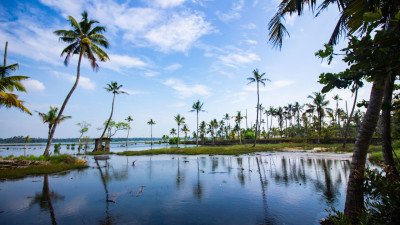
Ikop Lake
Some quick example text to build on the card title and make up the bulk of the card's content.
Go somewhere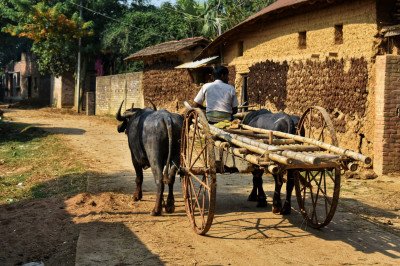
Irengband Village
Some quick example text to build on the card title and make up the bulk of the card's content.
Go somewhere
Kakching Bazar
Some quick example text to build on the card title and make up the bulk of the card's content.
Go somewhere
Kakching Eco-Park
Some quick example text to build on the card title and make up the bulk of the card's content.
Go somewhere
Kakching Eco Park
Some quick example text to build on the card title and make up the bulk of the card's content.
Go somewhere
Kakching Garden
Some quick example text to build on the card title and make up the bulk of the card's content.
Go somewhere
Kakching Garden
Some quick example text to build on the card title and make up the bulk of the card's content.
Go somewhere
Kakching Haraoba Temple
Some quick example text to build on the card title and make up the bulk of the card's content.
Go somewhere
Kakching Laiching
Some quick example text to build on the card title and make up the bulk of the card's content.
Go somewhere
Kakching Lamkhai
Some quick example text to build on the card title and make up the bulk of the card's content.
Go somewhere
Kakching Makha Leikai
Some quick example text to build on the card title and make up the bulk of the card's content.
Go somewhere
Kakching Phousupat
Some quick example text to build on the card title and make up the bulk of the card's content.
Go somewhere
Komlakhong Chingthi Hill
Some quick example text to build on the card title and make up the bulk of the card's content.
Go somewhere
Lamlai Village
Some quick example text to build on the card title and make up the bulk of the card's content.
Go somewherein Other Cities