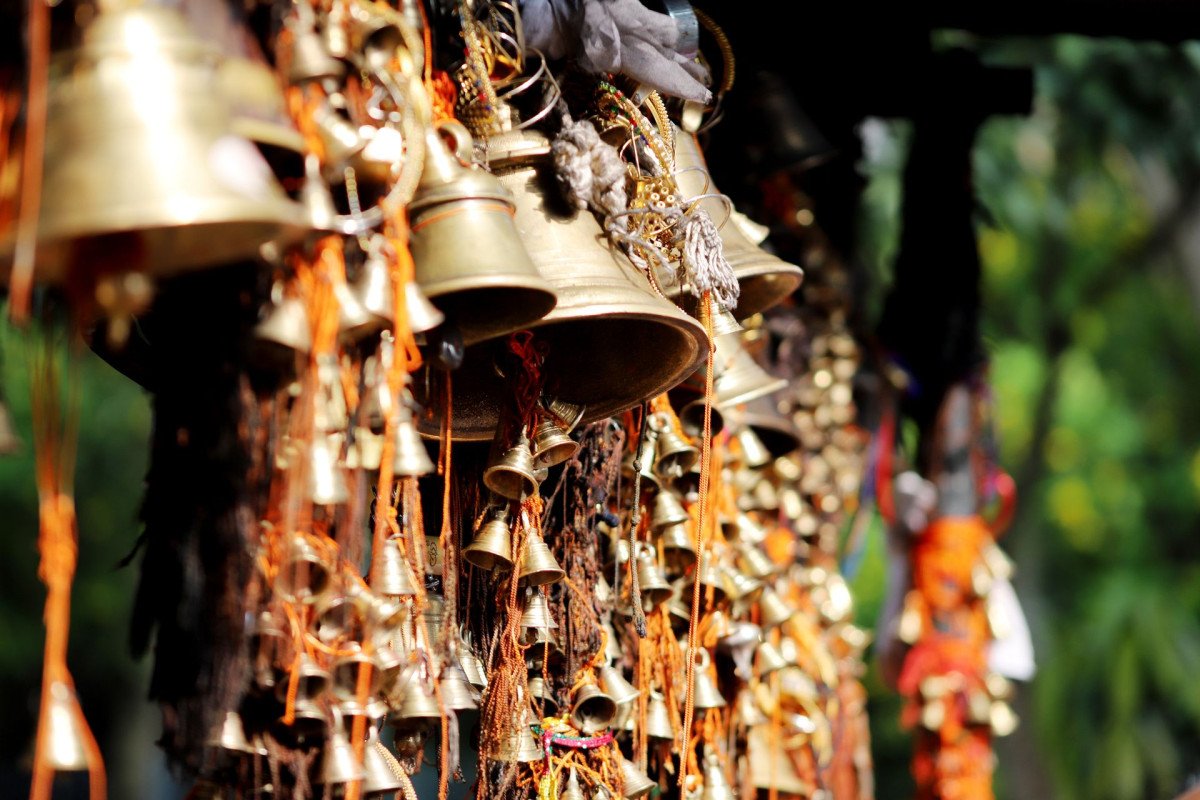
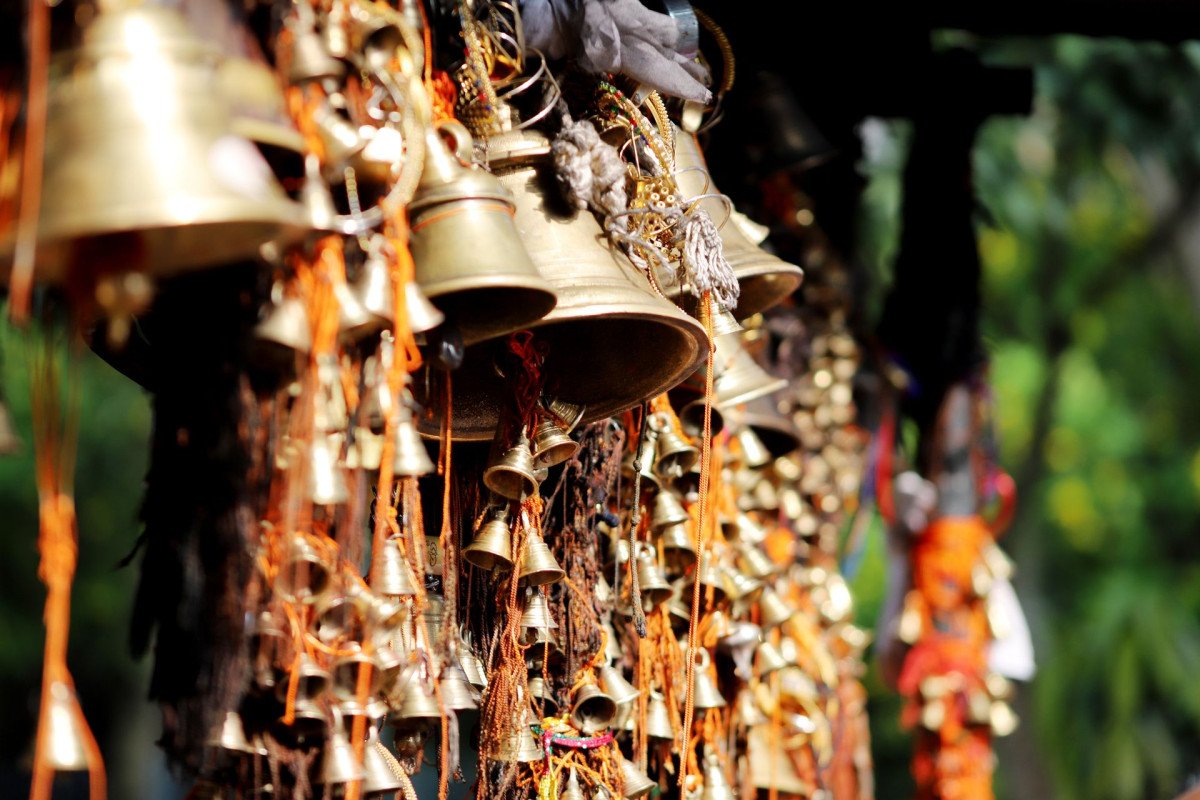
Dhopap Temple
General information
-
Ideal Duration:
2-3 Hours:Place Type:
Temple, Pilgrimage, River Ghat:Entry Fees:
Entry Fee: Entry to the temple and access to the Ghat is completely Free for all visitors, as is traditional for a public river Tirtha (pilgrimage site). Donations are voluntary.
Ritual/Offering Costs: Costs are associated with purchasing o...Entry Fee: Entry to the temple and access to the Ghat is completely Free for all visitors, as is traditional for a public river Tirtha (pilgrimage site). Donations are voluntary.
Ritual/Offering Costs: Costs are associated with purchasing offerings (Prasad, flowers, oil lamps) from local vendors, and a small voluntary fee might be paid to the priest for performing a specific ritual like Pind Daan (e. g. , Rs.100-500 depending on the ritual).
Parking Fees: Nominal fees might be charged for parking vehicles in a designated spot near the village entrance or the main road leading to the Ghat (e. g. , Rs.20-50). The site is maintained by trusts and local authorities, whose costs are covered by public donations:Timing:
Regular Timings: The Ghat is accessible 24 Hours a day, 7 days a week, but the main temple is usually open from 5:00 AM to 1:00 PM and 4:00 PM to 9:00 PM.
Ideal Visit Time: October to March (Winter) is the ideal season for comfortable weathe...Regular Timings: The Ghat is accessible 24 Hours a day, 7 days a week, but the main temple is usually open from 5:00 AM to 1:00 PM and 4:00 PM to 9:00 PM.
Ideal Visit Time: October to March (Winter) is the ideal season for comfortable weather. Early Morning (6:00 AM - 8:00 AM) is the best time to witness the devotional activities, take the sacred bath, and capture the beautiful river light. Avoid the midday heat of the summer months.
Festival Times: Visit during Kartik Purnima for the grand experience, but be prepared for extremely large crowds and travel congestion:Special Events:
Kartik Purnima Mela: The most important festival, held on Kartik Purnima (October/November), draws massive crowds (Mela) for the sacred moonlight bath, turning the Ghat into a vibrant, illuminated center of faith.
Makar Sankranti Bath: The f...Kartik Purnima Mela: The most important festival, held on Kartik Purnima (October/November), draws massive crowds (Mela) for the sacred moonlight bath, turning the Ghat into a vibrant, illuminated center of faith.
Makar Sankranti Bath: The festival of Makar Sankranti (January) is another major day for a holy bath, celebrated with great enthusiasm and local cultural performances.
Ram Navami: In a major temple dedicated to Lord Rama's story, Ram Navami (March/April) is celebrated with special prayers and discourses about the Ramayana epic:Best Photo Spots:
The Ghat Steps: Capture the symmetry of the wide, descending stone steps of the Dhopap Ghat, especially with the river water and the temple in the background.
Sunrise Over the Gomti: Photograph the Gomti River at dawn, capturing the golden l...The Ghat Steps: Capture the symmetry of the wide, descending stone steps of the Dhopap Ghat, especially with the river water and the temple in the background.
Sunrise Over the Gomti: Photograph the Gomti River at dawn, capturing the golden light reflecting off the water and the silhouette of the temple on the bank.
Ritual Scene: Capture the spiritual atmosphere of the pilgrims performing their ritual baths and offering flowers to the river, particularly during the early morning hours.
The Temple Shikhara: Photograph the modest temple structure rising above the surrounding rural landscape, emphasizing its role as a spiritual beacon in the village.
The River Bend: Find a spot on the bank that captures the characteristic bend of the Gomti at this holy point:Photo Gallery
Things To Do
-
Spiritual Activities:
The Sacred Dip in the Gomti River (): Perform the traditional ritual bath in the Gomti River at the holy Dhopap Ghat, which is the primary reason for visiting, believing it cleanses the soul and fulfills desires. Ensure you follow all safety guidelines.
Offering Prayers at the Temple (): After bathing, offer prayers at the main shrine, often dedicated to Lord Shiva or Lord Rama, performing Aarti and offering flowers and Prasad to the deity.
Witnessing the Sunset Arti (): If time permits, stay for the evening Aarti ceremony on the Ghat. The sight of lamps floating on the river at dusk is a deeply spiritual and unforgettable experience, connecting you to centuries of tradition.
Observing Local Rituals (): Qui...Spiritual Activities:
The Sacred Dip in the Gomti River (): Perform the traditional ritual bath in the Gomti River at the holy Dhopap Ghat, which is the primary reason for visiting, believing it cleanses the soul and fulfills desires. Ensure you follow all safety guidelines.
Offering Prayers at the Temple (): After bathing, offer prayers at the main shrine, often dedicated to Lord Shiva or Lord Rama, performing Aarti and offering flowers and Prasad to the deity.
Witnessing the Sunset Arti (): If time permits, stay for the evening Aarti ceremony on the Ghat. The sight of lamps floating on the river at dusk is a deeply spiritual and unforgettable experience, connecting you to centuries of tradition.
Observing Local Rituals (): Quietly observe the local priests and pilgrims performing the various traditional rites, like Pind Daan (ancestral offerings) or hair-offering ceremonies, which are integral to the Ghat's function.
Meditation on the Ghat Steps (): Find a quiet spot on the high steps of the Ghat to sit, meditate, and reflect on the mythological significance of the location, absorbing the serene river atmosphere.
Exploring the Village and Surrounding Nature (): Take a short walk around the peaceful Dhopap village and the fields surrounding the temple, enjoying the rural tranquility and the natural environment of the riverbank.
Photography of the River and Ghat (): Capture the sweeping views of the Gomti River and the architecture of the Ghat, particularly in the soft light of the early morning or evening:
Totaling (approx):
Information
-
Why Famous:
Lord Rama's Purification: It is uniquely famous for the legend that Lord Rama bathed here to wash away the sin of killing Ravana, a story that places it on a very high spiritual and mythological pedestal comparable to other holy river confluences. This singular event is the...Lord Rama's Purification: It is uniquely famous for the legend that Lord Rama bathed here to wash away the sin of killing Ravana, a story that places it on a very high spiritual and mythological pedestal comparable to other holy river confluences. This singular event is the source of its fame.
The Holy Gomti Bath: The Dhopap Ghat is renowned as one of the most sacred spots along the entire length of the Gomti River. Pilgrims flock here, especially during the auspicious Hindu month of Kartik, believing a bath here grants Moksha (salvation) and purifies the soul of all earthly sins. It is a critical hub for local Hindu religious practices. Its beautiful location on a curve of the river enhances its spiritual and scenic appeal: -
Architecture:
North Indian Nagara and Ghat Architecture: The temple complex is characterized by two distinct elements: the traditional Nagara-style temple and the functional river Ghat architecture. The main temple is a modest, dome-topped or Shikhara-capped structure built of brick and ...North Indian Nagara and Ghat Architecture: The temple complex is characterized by two distinct elements: the traditional Nagara-style temple and the functional river Ghat architecture. The main temple is a modest, dome-topped or Shikhara-capped structure built of brick and mortar, typically painted in white or bright ochre, housing the deity.
The Ghat Structure: The most significant architectural feature is the Dhopap Ghat itself. This is a series of wide, robust stone steps that lead down into the Gomti River, designed to accommodate large crowds of pilgrims during bathing festivals. The steps are built from durable local stone or concrete, extending several meters into the riverbank to provide safe access to the water. The architecture of the Ghat is utilitarian but culturally important, focusing on providing a clean, safe, and ritualistically appropriate space for ceremonial baths. The temple is typically on a slightly raised platform nearby. The architectural style emphasizes simplicity, focusing on the functionality of the Ghat for ritual purposes rather than grand ornamentation, though the temple dome may feature simple carvings: -
How To Reach:
By Air ():
Nearest Airport: Ayodhya Airport (AYJ), about 80-90 KMS away. Lucknow (LKO) is about 160-170 KMS away. From either airport, hire a direct taxi to Dhopap Village, which is located near Kadipur Tehsil. The drive from Lucknow is a ...By Air ():
Nearest Airport: Ayodhya Airport (AYJ), about 80-90 KMS away. Lucknow (LKO) is about 160-170 KMS away. From either airport, hire a direct taxi to Dhopap Village, which is located near Kadipur Tehsil. The drive from Lucknow is a long 4 hours. Ensure your driver is familiar with the location, as it is a village.
By Train: Sultanpur Junction Railway Station (SLN) is the nearest major station, about 35-40 KMS away. From the station, the best option is a private taxi for a comfortable journey. Alternatively, take a bus or shared jeep towards Kadipur and alight at the Dhopap turnoff, followed by a local ride or walk.
By Road: The temple is located on the Sultanpur-Kadipur route, accessible by road. It is a long drive from Sultanpur city center. State buses running towards Kadipur or Jaunpur can be used. Private vehicles offer the most convenience.
By Local Transport: Since it is a village far from the main city, local public transport is limited. Hiring a private auto-rickshaw or taxi for a round trip from Sultanpur city is highly recommended, as finding transport back from the village can be difficult: -
Weather and Best Time to Visit:
Different Types of Seasons: Winter (October to March) is the ideal season for a visit, especially for the sacred bath, as the weather is cool and pleasant. Monsoon (July to September) brings a full and fast-flowing river, which is visually dramatic, but the Ghats can be sli...Different Types of Seasons: Winter (October to March) is the ideal season for a visit, especially for the sacred bath, as the weather is cool and pleasant. Monsoon (July to September) brings a full and fast-flowing river, which is visually dramatic, but the Ghats can be slippery. Summer is challenging due to the intense heat and dry conditions.
Different Parts of the Day: Early Morning is the best time for the ritual bath, prayers, and the profound serenity of the riverbank. Late Afternoon is also a good time for a quiet visit and to see the evening Aarti.
The midday is best avoided for safety and comfort: -
Near Tourist Places:
Bijethua Mahaviran Temple (17 KMS), Paarijaat Divine Tree (50 KMS), Sultanpur Junction (35 KMS), Kadipur Town (12 KMS), Lohramau Devi Temple (10 KMS), Golaghaat (37 KMS), Gomti Riverfront (35 KMS), Amhat Park (38 KMS), Sita Kund (37 KMS), Tirupati Balaji Mandir (40 KMS):
Tourism Tips
-
Health & Safety: Be extremely cautious while bathing in the Gomti River; the currents can be strong, especially after the monsoon. Avoid swimming and stay only in the designated bathing area. Dress very modestly out of respect for the holy site. Be respectful of pilgrims...Health & Safety: Be extremely cautious while bathing in the Gomti River; the currents can be strong, especially after the monsoon. Avoid swimming and stay only in the designated bathing area. Dress very modestly out of respect for the holy site. Be respectful of pilgrims performing funeral or ancestral rites on the Ghat.
Packing: Carry a fresh change of clothes if you plan to bathe in the river. Carry a small mat or cloth for sitting on the Ghat steps. Pack water and snacks, as the village has very limited commercial facilities. Sunscreen and a hat are essential due to the lack of shade.
Accommodation: There are no reliable tourist accommodations in Dhopap village. It is highly recommended to book a hotel in Sultanpur city and make a day trip to the temple. Carry a basic medical kit.
Other Different Topics: Do not litter on the Ghat or in the river. Ensure your private transport is confirmed for the return journey, as finding a spontaneous ride is difficult:
Reviews
FAQs
Sultanpur Itineray And Cost:-
Other Places In Sultanpur :-
Other States In India :-
Information about New and Updated Locations() of Uttar Pradesh Has Been Added :-
Card subtitle
Note:-
Information provided here in good Faith and for reference only.
Near Places

Amhat Park
Some quick example text to build on the card title and make up the bulk of the card's content.
Go somewhere
Bijethua Mahaviran Temple
Some quick example text to build on the card title and make up the bulk of the card's content.
Go somewhere
Chiman Lal Park
Some quick example text to build on the card title and make up the bulk of the card's content.
Go somewhere
Christ Church
Some quick example text to build on the card title and make up the bulk of the card's content.
Go somewhere
Clock Tower
Some quick example text to build on the card title and make up the bulk of the card's content.
Go somewhere
Dhopap Temple
Some quick example text to build on the card title and make up the bulk of the card's content.
Go somewhere
Golaghaat
Some quick example text to build on the card title and make up the bulk of the card's content.
Go somewhere
Gomti Riverfront
Some quick example text to build on the card title and make up the bulk of the card's content.
Go somewhere
HAL Lake
Some quick example text to build on the card title and make up the bulk of the card's content.
Go somewhere
Lohramau Devi Temple
Some quick example text to build on the card title and make up the bulk of the card's content.
Go somewhere
Paarijaat Divine Tree
Some quick example text to build on the card title and make up the bulk of the card's content.
Go somewhere
Pant Sports Stadium
Some quick example text to build on the card title and make up the bulk of the card's content.
Go somewhere
Parijaat Vriksh
Some quick example text to build on the card title and make up the bulk of the card's content.
Go somewhere
Sita Kund
Some quick example text to build on the card title and make up the bulk of the card's content.
Go somewhere
Sunder Lal Memorial Hall
Some quick example text to build on the card title and make up the bulk of the card's content.
Go somewhere
Victoria Manzil
Some quick example text to build on the card title and make up the bulk of the card's content.
Go somewherein Other Cities