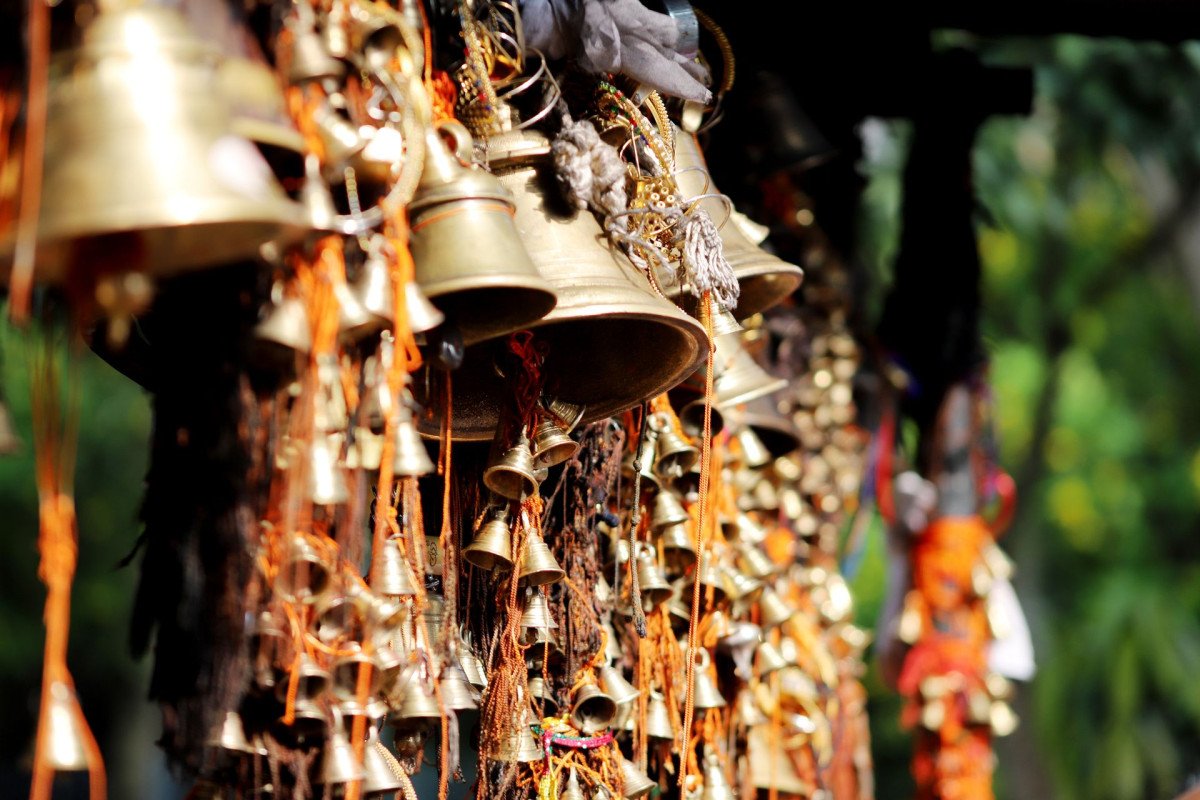
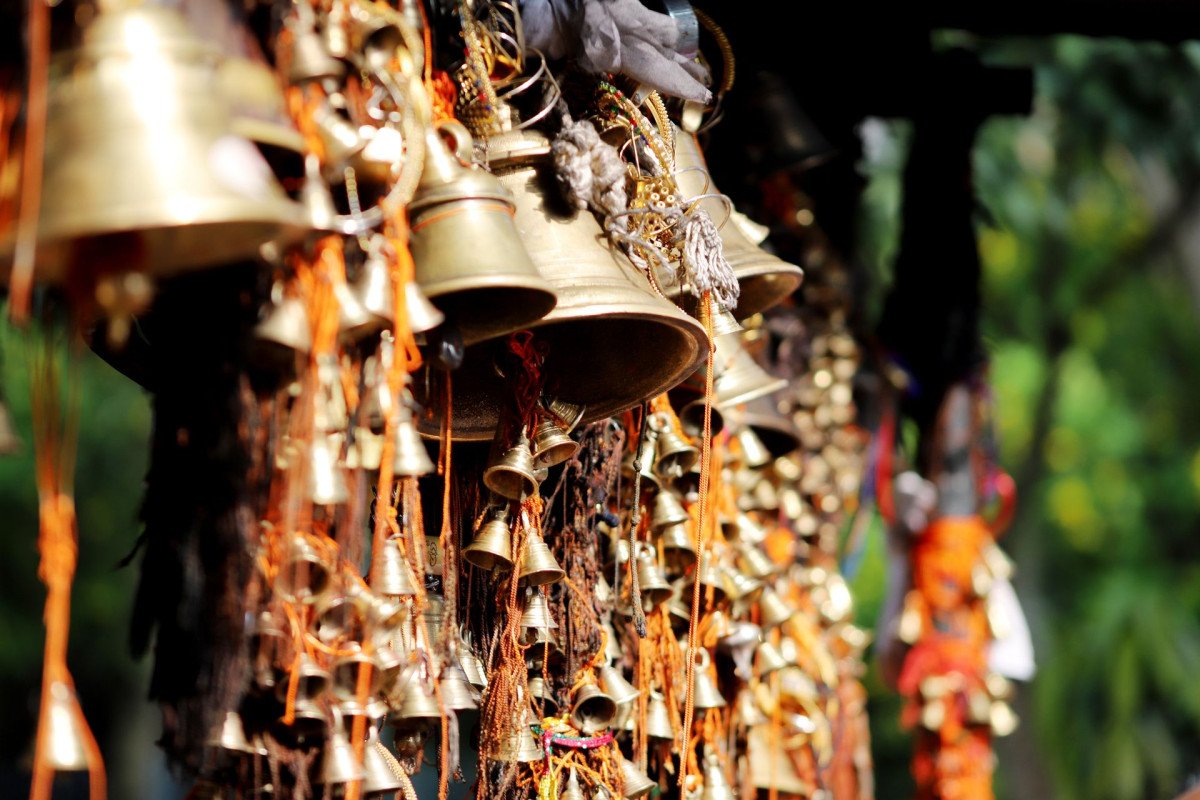
Bijethua Mahaviran Temple
General information
-
Ideal Duration:
2-3 Hours:Place Type:
Temple, Pilgrimage, Mythology:Entry Fees:
General Entry: Entry to the temple is entirely Free for all devotees and visitors, as is customary for Hindu places of worship in India. Donations are voluntary.
Prasad and Ritual Costs: Offerings like flowers, sweets (Prasad), and items fo...General Entry: Entry to the temple is entirely Free for all devotees and visitors, as is customary for Hindu places of worship in India. Donations are voluntary.
Prasad and Ritual Costs: Offerings like flowers, sweets (Prasad), and items for prayer (Pooja) are purchased from nearby vendors; costs are variable but typically low (e. g. , Rs.50-200).
Parking and Vehicle Safety: A nominal fee (e. g. , Rs.10-30) might be charged for vehicle parking in the designated area managed by local contractors. Be cautious of unsolicited guides or vendors, but a minimal cost is associated with the pure act of worship:Timing:
Regular Timings: 4:00 AM to 10:00 PM (temple opening and closing times can be subject to change based on the season and festival schedule, but these are general hours).
Ideal Visit Time: Tuesdays and Saturdays are spiritually significant but...Regular Timings: 4:00 AM to 10:00 PM (temple opening and closing times can be subject to change based on the season and festival schedule, but these are general hours).
Ideal Visit Time: Tuesdays and Saturdays are spiritually significant but very crowded. For a peaceful visit and photography, the best time is a non-peak weekday morning (6:00 AM - 9:00 AM). October to March (Winter) offers the most comfortable weather for travel to this slightly remote location.
Aarti Timings: Check with the temple for specific morning and evening Aarti times, as attending them is highly recommended for the spiritual experience:Special Events:
Hanuman Jayanti: The major festival is Hanuman Jayanti (celebrating Hanuman's birth, usually in March/April), which draws tens of thousands of pilgrims, involving grand processions, music, and special night-long prayers.
Ram Navami: Being co...Hanuman Jayanti: The major festival is Hanuman Jayanti (celebrating Hanuman's birth, usually in March/April), which draws tens of thousands of pilgrims, involving grand processions, music, and special night-long prayers.
Ram Navami: Being connected to the Ramayana, Ram Navami (Lord Rama's birth, usually in March/April) is also celebrated with great fervor, involving religious discourses and large community feasts (Bhandara).
Annual Mela: An annual religious fair (Mela) is held, typically in the Hindu month of Kartik or Chaitra, attracting local artisans, vendors, and devotional groups:Best Photo Spots:
The Shikhara against the Blue Sky: Capture the towering, intricately carved Shikhara (spire) of the temple from the courtyard, framed against a clear morning or afternoon sky.
The Makari Kund Ghats: Photograph the steps leading down to the w...The Shikhara against the Blue Sky: Capture the towering, intricately carved Shikhara (spire) of the temple from the courtyard, framed against a clear morning or afternoon sky.
The Makari Kund Ghats: Photograph the steps leading down to the water of the sacred pond, especially when pilgrims are performing rituals or lighting small lamps.
The Main Entrance Gopuram: Capture the main entrance structure (if present, often a decorative archway) and the bustling crowd of devotees on a Tuesday or Saturday to capture the temple's vibrant energy.
Detail Shots of Relief Carvings: Use a zoom lens to capture the detailed stone carvings on the temple's exterior walls, focusing on scenes from the Ramayana.
The Idol in the Sanctum: Seek permission (if allowed) to take a respectful photograph of the beautifully adorned main idol of Lord Hanuman during the morning hours:Photo Gallery
Things To Do
-
Spiritual Activities:
Attend the Tuesday/Saturday Aarti (): Plan your visit for a Tuesday or Saturday to witness the special, highly energetic aarti and participate in mass worship dedicated to Lord Hanuman. These days are the most auspicious and provide the deepest spiritual experience.
Perform a Ritual Dip in Makari Kund (): Take a holy bath in the Makari Kund, following the local tradition to cleanse sins and seek divine blessings, remembering the mythological connection to Lord Hanuman and the demon Kaalnemi.
Offer Prasad and Flowers (): Purchase and offer Laddoos, sweets, and fresh flowers at the main shrine, a traditional act of devotion. Participate in the circumambulation (Parikrama) of the temple complex.
Seek Blessings for...Spiritual Activities:
Attend the Tuesday/Saturday Aarti (): Plan your visit for a Tuesday or Saturday to witness the special, highly energetic aarti and participate in mass worship dedicated to Lord Hanuman. These days are the most auspicious and provide the deepest spiritual experience.
Perform a Ritual Dip in Makari Kund (): Take a holy bath in the Makari Kund, following the local tradition to cleanse sins and seek divine blessings, remembering the mythological connection to Lord Hanuman and the demon Kaalnemi.
Offer Prasad and Flowers (): Purchase and offer Laddoos, sweets, and fresh flowers at the main shrine, a traditional act of devotion. Participate in the circumambulation (Parikrama) of the temple complex.
Seek Blessings for Courage and Strength (): The temple is specifically revered for granting physical and mental strength. Devotees often tie a sacred thread (Mouli) or offer a coconut with a specific prayer for the fulfillment of a difficult task or to overcome a significant personal obstacle.
Meditation and Contemplation (): Find a quiet corner in the mandapa or the outer courtyard, especially during the non-peak hours of the early morning, to sit in silence, meditate, and absorb the powerful spiritual energy of the sacred site.
Exploring the Temple Complex and Shrines (): Spend time exploring the smaller, adjacent shrines dedicated to other deities (often Lord Rama and Goddess Sita), which are integral to the temple's complete spiritual narrative, and admire the exterior carvings.
Interacting with Temple Priests (): Politely engage with the temple priests or long-term devotees to learn the deeper, local versions of the Ramayana legend, the history of the temple's construction, and the specific rituals performed here:
Totaling (approx):
Information
-
Why Famous:
The Sanjeevani Myth: It is most famous for being the precise location where Lord Hanuman rested while carrying the Sanjeevani Booti, giving it a unique, tangible connection to the epic Ramayana and a powerful spiritual identity distinct from other Hanuman temples.The Sanjeevani Myth: It is most famous for being the precise location where Lord Hanuman rested while carrying the Sanjeevani Booti, giving it a unique, tangible connection to the epic Ramayana and a powerful spiritual identity distinct from other Hanuman temples.
The Makari Kund Miracle: The presence of the holy Makari Kund (Spider Pond) where Lord Hanuman is believed to have encountered the demonic spider is a major draw. Devotees take a ritual dip here to cleanse sins and fulfill desires, believing the water possesses divine healing properties. The temple is a critical stop on regional pilgrimage circuits, especially for those seeking blessings for courage, strength, and the removal of obstacles. Its location outside the main city, in a serene rural setting, further enhances its fame as a true spiritual retreat: -
Architecture:
Traditional Nagara Style: The temple's architecture generally follows the traditional North Indian Nagara style, characterized by a towering, curvilinear spire (Shikhara) over the main sanctum (Garbhagriha). The structure is predominantly built of stone and brick, with a he...Traditional Nagara Style: The temple's architecture generally follows the traditional North Indian Nagara style, characterized by a towering, curvilinear spire (Shikhara) over the main sanctum (Garbhagriha). The structure is predominantly built of stone and brick, with a heavy emphasis on masonry work and intricate carvings.
Exterior and Interior: The exterior walls often feature relief carvings depicting scenes from the Ramayana and the life of Lord Hanuman, including the epic battle and the Sanjeevani episode. The sanctum itself is a relatively small, dimly lit chamber where the primary idol of Lord Hanuman is enshrined, often in a resting or powerful stance. The entrance is typically marked by a Mandapa (pillared hall) for devotees to congregate and offer prayers. The temple structure sits on a raised platform (Jagati) to protect it from floods and to bestow a sense of grandeur. The overall architectural design is functional for worship and symbolically rich, embodying the centuries of devotional practice. The use of traditional materials and construction techniques, passed down through generations of temple builders, is a testament to the regional religious art form. The structure is designed to draw the devotee's eye upward towards the Shikhara, symbolizing the path to the divine: -
How To Reach:
By Air ():
Nearest Airport: Ayodhya Airport (AYJ), approximately 70-80 KMS away. Lucknow (LKO) is about 150-160 KMS away. From either airport, hire a direct taxi. The drive from Ayodhya is about 2 hours; the drive from Lucknow is about 3....By Air ():
Nearest Airport: Ayodhya Airport (AYJ), approximately 70-80 KMS away. Lucknow (LKO) is about 150-160 KMS away. From either airport, hire a direct taxi. The drive from Ayodhya is about 2 hours; the drive from Lucknow is about 3. 5-4 hours. Ensure the taxi driver knows the village name Bijethua and its location near Kadipur.
By Train: Sultanpur Junction Railway Station (SLN) is the nearest major station, about 18-20 KMS away. From the station, hire a private taxi or a shared jeep/tempo, which regularly run towards the Kadipur side.
By Road: The temple is located off the main Sultanpur-Jagdishpur Road (part of NH-330A), making it accessible by road. State buses frequently ply this route; alight at the Bijethua stop and take a short walk or rickshaw. Private vehicles are the most convenient option for a comfortable, door-to-door journey. The temple is approximately 18 KMS from the city center of Sultanpur.
By Local Transport: From the Sultanpur bus stand or the main Chowk, hire a private auto-rickshaw or taxi for a round trip to the temple, as public transport options directly to the temple gate are limited: -
Weather and Best Time to Visit:
Different Types of Seasons: Winter (October to March) is the ideal season for a visit, as the weather is cool and conducive for outdoor spiritual activities like Parikrama and time spent near the Kund. Monsoon season (July to September) makes the surrounding fields very gre...Different Types of Seasons: Winter (October to March) is the ideal season for a visit, as the weather is cool and conducive for outdoor spiritual activities like Parikrama and time spent near the Kund. Monsoon season (July to September) makes the surrounding fields very green and beautiful, but the approach roads may be muddy. Summer is challenging due to the heat.
Different Parts of the Day: Early Morning (5:00 AM - 9:00 AM) is the most spiritual time for the first aarti and to witness the serene rituals. Late Afternoon (4:00 PM - 7:00 PM) is also a good time, especially on Tuesdays and Saturdays, for the evening worship and the vibrant energy of the crowd: -
Near Tourist Places:
Dhopap Temple (17 KMS), Paarijaat Divine Tree (40-50 KMS), Sultanpur Junction (18 KMS), Kadipur Town (10 KMS), Golaghaat (20 KMS), Amhat Park (19 KMS), Christ Church (20 KMS), Lohramau Devi Temple (25 KMS), Sita Kund (20 KMS), Chiman Lal Park (20 KMS):
Tourism Tips
-
Health & Safety: Dress modestly as it is a highly revered Hindu temple; cover your shoulders and legs. Be cautious while taking a dip in the Makari Kund (follow safety instructions). Wash your hands before and after touching the sacred water. Be respectful of the local c...Health & Safety: Dress modestly as it is a highly revered Hindu temple; cover your shoulders and legs. Be cautious while taking a dip in the Makari Kund (follow safety instructions). Wash your hands before and after touching the sacred water. Be respectful of the local customs and traditions.
Packing: Carry a small towel if you plan to take a dip in the Kund. Ensure your camera is charged for the scenic and devotional photo opportunities. Carry small change for offerings and local vendors. Footwear must be removed before entering the main temple, so plan accordingly.
Accommodation: Stay in Sultanpur city for better hotel options. The temple area itself has very limited or basic accommodation (dharamshalas).
Other Different Topics: Avoid visiting during the peak hours of major festivals unless you enjoy very large crowds. Consider hiring a knowledgeable local guide to narrate the full history and legends associated with the temple and the Makari Kund miracle:
Reviews
FAQs
Sultanpur Itineray And Cost:-
Bijethua Mahaviran Temple Tourism:-
Other Places In Sultanpur :-
Other States In India :-
Information about New and Updated Locations() of Uttar Pradesh Has Been Added :-
Card subtitle
Note:-
Information provided here in good Faith and for reference only.
Near Places

Amhat Park
Some quick example text to build on the card title and make up the bulk of the card's content.
Go somewhere
Bijethua Mahaviran Temple
Some quick example text to build on the card title and make up the bulk of the card's content.
Go somewhere
Chiman Lal Park
Some quick example text to build on the card title and make up the bulk of the card's content.
Go somewhere
Christ Church
Some quick example text to build on the card title and make up the bulk of the card's content.
Go somewhere
Clock Tower
Some quick example text to build on the card title and make up the bulk of the card's content.
Go somewhere
Dhopap Temple
Some quick example text to build on the card title and make up the bulk of the card's content.
Go somewhere
Golaghaat
Some quick example text to build on the card title and make up the bulk of the card's content.
Go somewhere
Gomti Riverfront
Some quick example text to build on the card title and make up the bulk of the card's content.
Go somewhere
HAL Lake
Some quick example text to build on the card title and make up the bulk of the card's content.
Go somewhere
Lohramau Devi Temple
Some quick example text to build on the card title and make up the bulk of the card's content.
Go somewhere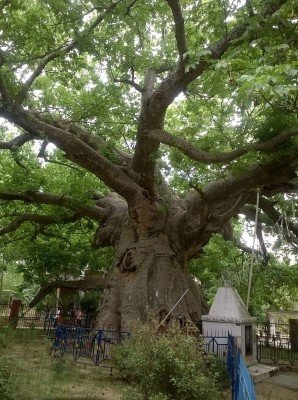
Paarijaat Divine Tree
Some quick example text to build on the card title and make up the bulk of the card's content.
Go somewhere
Pant Sports Stadium
Some quick example text to build on the card title and make up the bulk of the card's content.
Go somewhere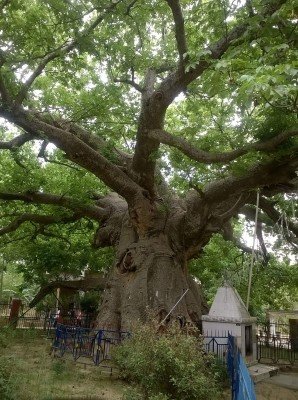
Parijaat Vriksh
Some quick example text to build on the card title and make up the bulk of the card's content.
Go somewhere
Sita Kund
Some quick example text to build on the card title and make up the bulk of the card's content.
Go somewhere
Sunder Lal Memorial Hall
Some quick example text to build on the card title and make up the bulk of the card's content.
Go somewhere
Victoria Manzil
Some quick example text to build on the card title and make up the bulk of the card's content.
Go somewherein Other Cities