

Lohramau Devi Temple
General information
-
Ideal Duration:
1 to 2 HoursPlace Type:
Religious and Spiritual:Entry Fees:
Mandatory Devotional Contribution:
: There is generally no entry fee for pilgrims or visitors to the temple complex, as is customary for most H...Mandatory Devotional Contribution:
: There is generally no entry fee for pilgrims or visitors to the temple complex, as is customary for most Hindu temples in India: The visit relies on the voluntary donations of the devotees (daan or dakshina) to sustain the temple's operations and charitable activities:
Special Puja and Ritual Charges:
: A fee or mandatory donation is usually required for performing specific, personalized religious rituals (special pujas, abhisheks, bhog offerings, etc. ), and the cost varies based on the ritual's complexity and duration:
Donation Box:
: Clearly marked donation boxes are placed throughout the complex for voluntary financial contributions, which are highly encouraged for the maintenance and welfare of the temple:
Vendor Fees:
: Vendors selling prayer materials, flowers, and sweets outside the temple premises pay a small fee or rent to the temple trust, which indirectly contributes to the temple’s funds.Timing:
Regular Timings (For Darshan):
: The temple is typically open for darshan from 5:00 AM to 10:00 PM daily, with...Regular Timings (For Darshan):
: The temple is typically open for darshan from 5:00 AM to 10:00 PM daily, with brief closures during the day for cleaning and specific priestly rituals (Bhog/Naivedya):
Ideal Visit Time:
: The best time for a visit to avoid the huge crowds is on a regular weekday morning (7:00 AM to 10:00 AM) or late afternoon (4:00 PM to 6:
00 PM) Festival Rush Hours:
: During the Navratri festival, the temple is open for extended hours but the rush is constant, with the busiest times being the evening hours after sunset:
Lunchtime Break:
: Be aware of a possible closure or limited access during the midday hours (12:00 PM to 2:00 PM) for the deity's rest and bhog (food) offering:
Quick Prayer Stop:
: The proximity to the highway makes it an ideal spot for a quick 30-minute stopover for a prayer while traveling.Special Events:
Navratri Grand Festival and Mela:
: The most significant events are the nine-day long Navratri festivals (Chai...Navratri Grand Festival and Mela:
: The most significant events are the nine-day long Navratri festivals (Chaitra and Sharad), which include large religious melas (fairs), special pujas, continuous chanting, and cultural performances, drawing a huge crowd:
Dussehra Celebration:
: The temple witnesses a special Dussehra (Vijayadashami) celebration, marking the victory of good over evil, with specific rituals performed for the Goddess:
Maha Shivaratri Gathering:
: Though dedicated to Durga, the temple complex often hosts a significant congregation and special pujas for Maha Shivaratri (typically in February or March), especially if a Shiva shrine is present:
Local Community Fairs:
: On auspicious Tuesdays and Saturdays, or during local harvest festivals, the temple hosts small local community fairs where vendors sell toys, sweets, and handicrafts:
Annual Temple Foundation Day:
: An important local event, the Annual Temple Foundation Day (date varies), is celebrated with a special bhandara (community feast) and devotional music (Bhajans).Best Photo Spots:
The Main Shikhara Against the Blue Sky:
: Capturing the colorful, intricately decorated main Shikhara (tower) ...The Main Shikhara Against the Blue Sky:
: Capturing the colorful, intricately decorated main Shikhara (tower) of the temple rising against a clear blue sky makes for a classic and vibrant architectural shot:
The Devotee's Offerings:
: Close-up shots of the colorful offerings like red and yellow chunaris, fresh flowers, and prasad being presented by the devout create emotional, culturally rich photos:
The Navratri Crowd Panorama:
: During Navratri, a wide-angle shot capturing the entire complex teeming with the festive crowd and lights conveys the scale of the spiritual gathering:
The Silent Bell Cluster:
: An artistic photo of the cluster of bells hung near the entrance, symbolizing the devotion and prayers of countless visitors, can be a profound image:
The Ethereal Glow of the Evening Aarti:
: Capturing the intense glow of the oil lamps and the devotional expressions of the participants during the evening aarti creates a powerful, ethereal photograph.Photo Gallery
Things To Do
-
Offering Prayers and Rituals:
: Perform the traditional darshan and aarti, offering prasad, chunari, and other offerings to Goddess Durga in the main sanctum for blessings:
Attending the Evening Aarti:
: Participate in the vibrant and spiritually uplifting evening aarti, which involves synchronized chanting, bell...Offering Prayers and Rituals:
: Perform the traditional darshan and aarti, offering prasad, chunari, and other offerings to Goddess Durga in the main sanctum for blessings:
Attending the Evening Aarti:
: Participate in the vibrant and spiritually uplifting evening aarti, which involves synchronized chanting, bells, and lamps, creating a powerful devotional atmosphere:
Walking the Parikrama:
: Circumnavigate the temple complex (Parikrama) on foot as a mark of respect and penance, engaging in quiet reflection and prayer:
Observing Local Rituals:
: Spend time simply observing the various rituals and customs performed by other devotees, especially the mundan (first haircut) ceremonies, and understanding the local religious traditions:
Donating to the Temple:
: Contribute to the temple's upkeep and charitable activities, which often include feeding the poor or maintaining the premises, through a generous donation:
Visiting Subsidiary Shrines:
: Explore the smaller shrines dedicated to other deities, like Lord Shiva or Hanuman, that are often part of the larger temple complex:
Shopping for Religious Items:
: Browse the small shops outside the temple for local handicrafts, religious books, idols, and unique, colorful Navratri decoration items and bangles, supporting local commerce:
Quiet Meditation:
: Find a quiet corner away from the main prayer hall to sit in silent meditation, absorbing the spiritual energy of the ancient shrine.
Information
-
Why Famous:
Power of Shakti and Navratri Festivities:
: The temple is immensely famous for being a powerful shrine of Goddess Durga, locally revered as Lohramau Devi, believed to grant wishes and protect her devotees: Its fame peaks during the bi-annual ...Power of Shakti and Navratri Festivities:
: The temple is immensely famous for being a powerful shrine of Goddess Durga, locally revered as Lohramau Devi, believed to grant wishes and protect her devotees: Its fame peaks during the bi-annual Navratri festival (Chaitra Navratri and Sharad Navratri, typically in March/April and September/October), when the temple is gorgeously decorated and attracts a massive pilgrimage crowd and a vibrant fair: The strategic location on the busy NH-56 highway also contributes to its high visibility and constant flow of travelers who stop to seek blessings for a safe journey: It is an integral part of the local religious circuit, often mentioned in the same breath as other powerful Shakti Peeths in the region, symbolizing the deep-rooted faith in the divine feminine power among the people of Sultanpur: Local legends surrounding the temple's origin and the manifestation of the Goddess are often shared, enhancing its mystical reputation among pilgrims and locals alike. -
Architecture:
Traditional Hindu Temple Style with Modern Additions:
: The architecture is a blend of traditional North Indian Hindu temple style with significant modern additions and renovations over time:Traditional Hindu Temple Style with Modern Additions:
: The architecture is a blend of traditional North Indian Hindu temple style with significant modern additions and renovations over time:
Mandapa and Garbhagriha Structure:
: The main temple follows the standard Mandapa (pillared hall) leading to the Garbhagriha (sanctum sanctorum), where the idol of Lohramau Devi is enshrined: The exterior is typically adorned with decorative shikharas (towers) and religious motifs, painted in bright, inviting colors, particularly ochre (saffron), which is common in regional temple architecture:
Dimensions and Layout:
: The temple complex is moderately sized, with a main shrine building and several smaller subsidiary shrines and a dedicated area for performing yagna and havan: The main hall is large enough to accommodate several hundred devotees during peak festival times: The overall dimensions are modest compared to monumental temples, focusing on a functional and devotional space: Newer sections feature durable materials like marble and tiles, ensuring longevity and ease of maintenance for the perpetually busy temple. -
How To Reach:
By Air:
: The nearest airport is Chaudhary Charan Singh International Airport (LKO) in Lucknow, approx.
150 KMS a...By Air:
: The nearest airport is Chaudhary Charan Singh International Airport (LKO) in Lucknow, approx.
150 KMS away: From LKO, hire a direct taxi or take a bus service towards Sultanpur on NH-56, as the temple is situated right on this highway:
By Train:
: The nearest major railway station is Sultanpur Junction (SLN), which is about 8-10 KMS away: From SLN station, hiring a local auto-rickshaw or taxi is the fastest and easiest way to reach the temple:
By Road:
: Being located directly on National Highway 56 (NH-56), which connects Lucknow to Varanasi, the temple is extremely well-connected by road: Regular UPSRTC and private buses plying on NH-56 can drop you directly at the Lohramau stop right outside the temple:
By Local Transport:
: Local auto-rickshaws and taxis from Sultanpur City are readily available for the short journey, and the location on the highway is well-known to all drivers. -
Weather and Best Time to Visit:
The Cool and Auspicious Winter Pilgrimage:
: The best time for a comfortable visit is during the winter months, from October to March, when the...The Cool and Auspicious Winter Pilgrimage:
: The best time for a comfortable visit is during the winter months, from October to March, when the cool and dry weather is ideal for standing in queues and performing rituals:
The Grandeur of Navratri (Autumn):
: The most auspicious and vibrant time to visit is during the Sharad Navratri (usually in September or October) to witness the grand mela and the temple's magnificent decorations and festive atmosphere:
The Peaceful Morning Hours:
: Visiting in the early morning (5:00 AM to 7:00 AM) on a regular day offers a peaceful, less-crowded experience, allowing for personal quiet worship and reflection:
Avoiding the Summer Heat:
: The summer months (April to June) should be avoided due to the intense heat, which can make a prolonged visit very uncomfortable. -
Near Tourist Places:
Sita Kund (10 KMS), Parijaat Vriksh (10 KMS), Pant Sports Stadium (10 KMS), Dhobi Talab (12 KMS), Dhopap Ghat (25 KMS), Amhat Park (12 KMS), Kush Bhawanpur (Kusapura) (15 KMS), HAL Lake (28 KMS), Golaghat (10 KMS), Shree Chitragupt Dham (11 KMS)
Tourism Tips
-
Health & safety:
: Be mindful of pickpockets in the large crowds, especially during Navratri; secure all valuables before entering the temple ...Health & safety:
: Be mindful of pickpockets in the large crowds, especially during Navratri; secure all valuables before entering the temple premises: Maintain a respectful distance from the deity and follow the directions of the temple volunteers to ensure a smooth flow of darshan:
Packing:
: Visitors should dress in modest and conservative attire suitable for a religious place (e. g. , covering shoulders and knees) out of respect for the local traditions: Carry a handkerchief or scarf to cover the head, which is often customary:
Accommodation:
: Several decent, basic guesthouses and dharamshalas (pilgrims' rest houses) are available around the temple area and along NH-56, but for better quality, it's recommended to stay in Sultanpur City:
Other Different Topics heading:
: Remove Footwear - Ensure you remove your footwear at the designated area outside the temple premises; carry a plastic bag if you prefer to keep your shoes close: Respect Silence - While aarti is loud, maintain silence in the prayer queues to preserve the sanctity of the place.
Reviews
FAQs
Sultanpur Itineray And Cost:-
Lohramau Devi Temple Tourism:-
Other Places In Sultanpur :-
Other States In India :-
Information about New and Updated Locations() of Uttar Pradesh Has Been Added :-
Card subtitle
Note:-
Information provided here in good Faith and for reference only.
Near Places

Amhat Park
Some quick example text to build on the card title and make up the bulk of the card's content.
Go somewhere
Bijethua Mahaviran Temple
Some quick example text to build on the card title and make up the bulk of the card's content.
Go somewhere
Chiman Lal Park
Some quick example text to build on the card title and make up the bulk of the card's content.
Go somewhere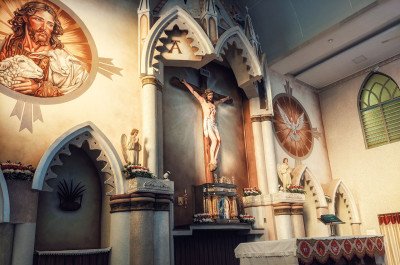
Christ Church
Some quick example text to build on the card title and make up the bulk of the card's content.
Go somewhere
Clock Tower
Some quick example text to build on the card title and make up the bulk of the card's content.
Go somewhere
Dhopap Temple
Some quick example text to build on the card title and make up the bulk of the card's content.
Go somewhere
Golaghaat
Some quick example text to build on the card title and make up the bulk of the card's content.
Go somewhere
Gomti Riverfront
Some quick example text to build on the card title and make up the bulk of the card's content.
Go somewhere
HAL Lake
Some quick example text to build on the card title and make up the bulk of the card's content.
Go somewhere
Lohramau Devi Temple
Some quick example text to build on the card title and make up the bulk of the card's content.
Go somewhere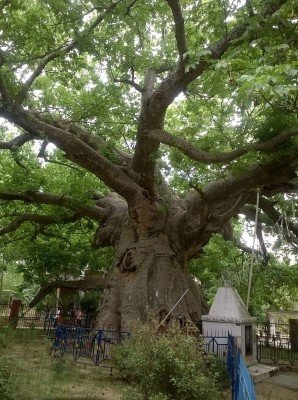
Paarijaat Divine Tree
Some quick example text to build on the card title and make up the bulk of the card's content.
Go somewhere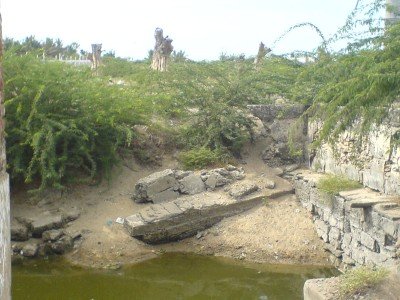
Pant Sports Stadium
Some quick example text to build on the card title and make up the bulk of the card's content.
Go somewhere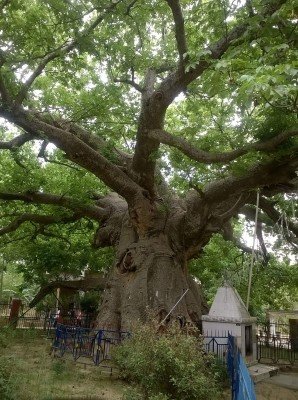
Parijaat Vriksh
Some quick example text to build on the card title and make up the bulk of the card's content.
Go somewhere
Sita Kund
Some quick example text to build on the card title and make up the bulk of the card's content.
Go somewhere
Sunder Lal Memorial Hall
Some quick example text to build on the card title and make up the bulk of the card's content.
Go somewhere
Victoria Manzil
Some quick example text to build on the card title and make up the bulk of the card's content.
Go somewherein Other Cities