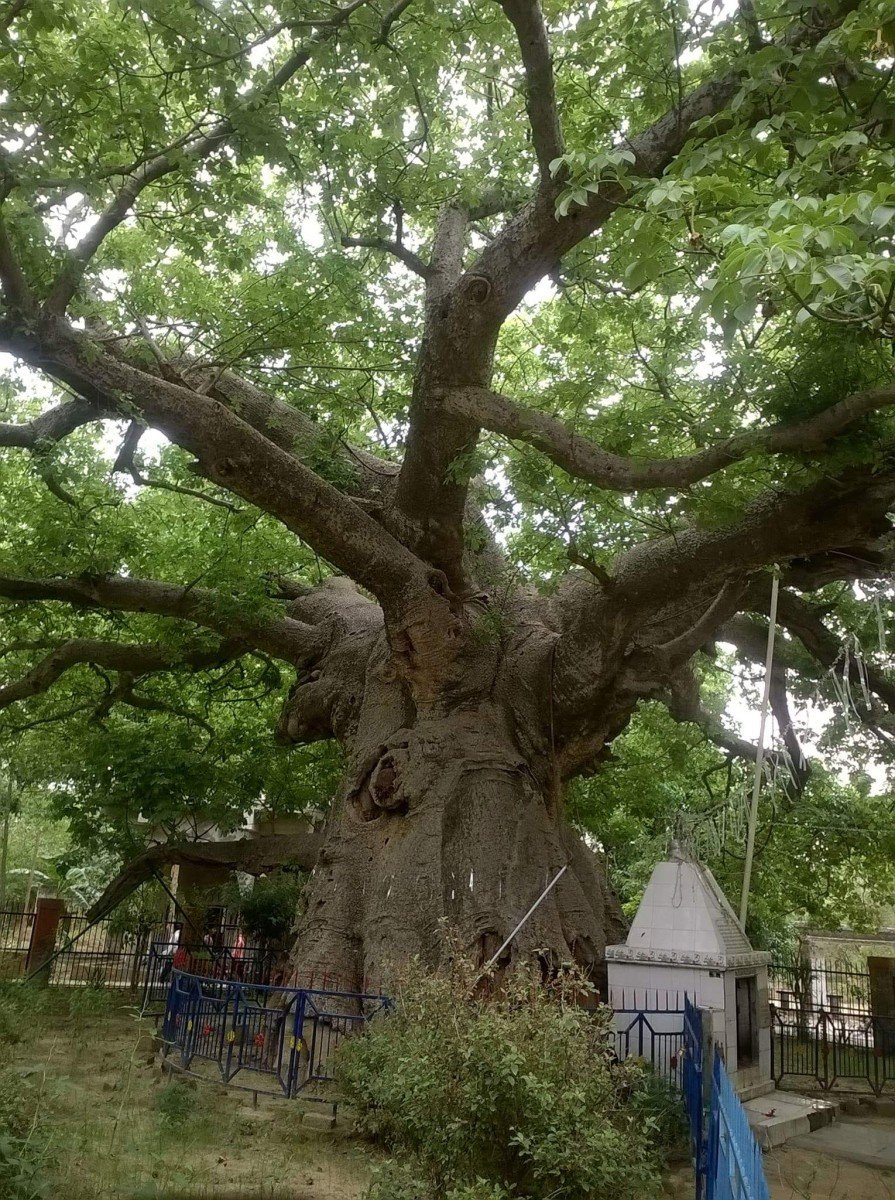
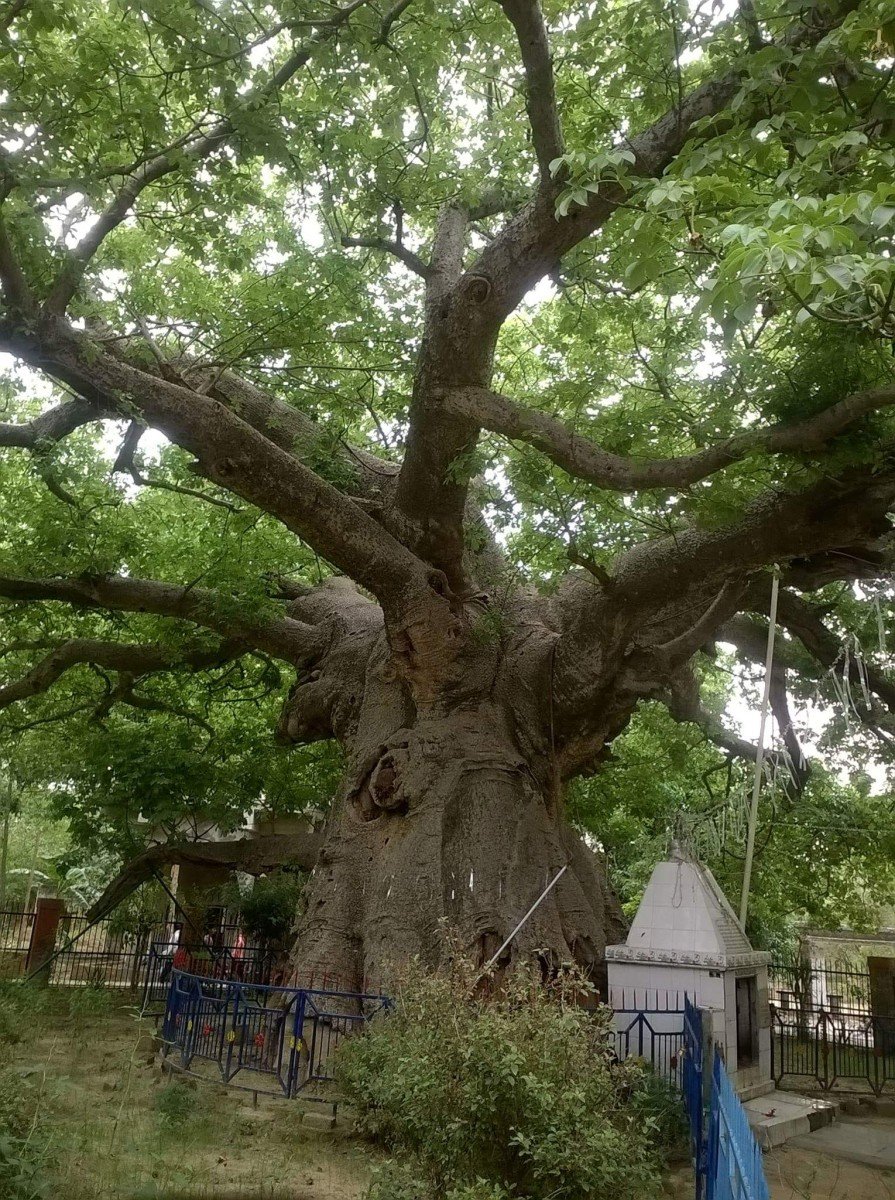
Parijaat Vriksh
General information
-
Ideal Duration:
30 Minutes to 1 HourPlace Type:
Mythological and Spiritual:Entry Fees:
Generally Free Entry and Conservation:
: There is no ticket or entry fee to visit the Parijaat Vriksh premises, as it is a sacred, protected public space: The public is highly ...Generally Free Entry and Conservation:
: There is no ticket or entry fee to visit the Parijaat Vriksh premises, as it is a sacred, protected public space: The public is highly encouraged to leave a voluntary donation in the clearly marked boxes for the tree's maintenance, conservation efforts, and the upkeep of the surrounding garden:
Photography Fees:
: No separate fee is charged for personal photography, but for commercial photography or large-scale filming, permission must be sought from the Jila Udyog Kendra or the local administration, and a substantial fee will be applicable:
Cost of Offerings:
: The only cost is the purchase of prayer materials (flowers, threads, incense sticks) from the small vendors outside the enclosure, which is a nominal expense.Timing:
Regular Timings (For Darshan):
: The enclosure is typically open for darshan from 6:00 AM to 7:
00 PM daily, though...Regular Timings (For Darshan):
: The enclosure is typically open for darshan from 6:00 AM to 7:
00 PM daily, though security presence may vary: The grounds of the Jila Udyog Kendra may have slightly different gate timings:
Ideal Visit Time:
: The best time to visit is the early morning (6:00 AM to 8:00 AM) to potentially witness the fallen flowers and for a cooler, more tranquil experience:
Peak Crowd Time:
: The area can get slightly crowded in the late afternoon (4:00 PM to 6:00 PM) with office workers and evening walkers, but the crowd is manageable:
Best Time for Photography:
: The soft, diffuse light of the early morning is perfect for photography, particularly for capturing the dew-covered flowers on the ground.Special Events:
Basant Panchami Celebration:
: The tree is a focal point for a small celebration and puja on Basant Panchami (typically in January or February)...Basant Panchami Celebration:
: The tree is a focal point for a small celebration and puja on Basant Panchami (typically in January or February), marking the arrival of spring and the celebration of nature:
Krishna Janmashtami Observance:
: Given its link to Lord Krishna, the tree often hosts special, though small, observances and prayers on Krishna Janmashtami (usually in August or September), celebrating the Lord's birth:
Local Anniversaries of Planting/Protection:
: The local administration may observe special anniversaries related to the tree's official declaration as a protected heritage site with a small ceremony:
Harshringar Blooming Festival:
: An informal, but locally significant, event is the gathering of devotees to collect the fallen flowers during the peak Harshringar blooming season (often post-monsoon, in October or November).Best Photo Spots:
The Massive Trunk and Prayer Threads:
: A close-up, dramatic shot of the ancient, heavily gnarled trunk wrappe...The Massive Trunk and Prayer Threads:
: A close-up, dramatic shot of the ancient, heavily gnarled trunk wrapped with numerous brightly colored prayer threads creates a powerful image of faith and antiquity:
The Early Morning Carpet of Flowers:
: A wide-angle, dew-kissed photograph of the ground surrounding the platform covered in the exquisite white and orange Parijaat flowers at dawn is a unique, signature shot:
The Tree Against the Sunrise:
: Capturing the majestic, sprawling silhouette of the Parijaat Vriksh against the vibrant colors of the sunrise provides a symbolic and ethereal photograph:
Devotee in Prayer:
: A respectful, candid shot of a single devotee standing in quiet prayer before the tree, focusing on their expression of deep faith, conveys the spiritual significance:
Botanical Detail:
: A sharp macro shot of the unique Parijaat leaves and the fragrant, freshly fallen flower, highlighting its botanical rarity and beauty.Photo Gallery
Things To Do
-
Offering Prayers and Wishing:
: Approach the sacred tree, tie a red or yellow thread around the enclosure, and make a sincere prayer or wish, following the local tradition for wish fulfillment:
Collecting Fallen Flowers (At Dawn):
: Visit the tree just before or at sunrise to collect the fragrant, fallen white fl...Offering Prayers and Wishing:
: Approach the sacred tree, tie a red or yellow thread around the enclosure, and make a sincere prayer or wish, following the local tradition for wish fulfillment:
Collecting Fallen Flowers (At Dawn):
: Visit the tree just before or at sunrise to collect the fragrant, fallen white flowers with an orange stalk, which are considered extremely auspicious for worship and offering:
Quiet Contemplation:
: Sit on the platform or in the surrounding garden for a period of quiet contemplation and meditation, absorbing the tranquil and ancient spiritual energy of the location:
Botanical Observation:
: For botanists and nature lovers, spend time observing the tree's unique bark, leaf structure, and the overall health of this rare species:
Learning Local Legends:
: Engage with the local caretakers or fellow devotees to hear the fascinating mythological stories and local legends associated with the tree's celestial origin:
Photography of the Ancient Trunk:
: Focus your lens on the massive, gnarled trunk to capture its antiquity, the texture of the bark, and the numerous threads tied by the hopeful pilgrims:
Garden Walk:
: Take a short, pleasant walk through the simple surrounding garden and government campus, enjoying the greenery and the serene contrast to the city life:
Attending Seasonal Pujas:
: Inquire about any specific seasonal pujas or festivals related to Lord Krishna or the tree's significance that might be taking place during your visit.
Information
-
Why Famous:
Wish-Fulfilling Divinity and Lord Krishna's Legend:
: The Parijaat Vriksh is highly famous for its mythological connection, believed to have been transplanted from Indra's garden in heaven by Lord Krishna and his wife Satyabhama, giving it th...Wish-Fulfilling Divinity and Lord Krishna's Legend:
: The Parijaat Vriksh is highly famous for its mythological connection, believed to have been transplanted from Indra's garden in heaven by Lord Krishna and his wife Satyabhama, giving it the reputation of a Wish-Fulfilling Tree: Devotees believe that a sincere prayer or a wish whispered to the tree will be granted, leading to a constant flow of hopeful visitors, especially on auspicious days: The fact that its flowers (Harshingar) are rare and bloom only at night, falling to the ground before the dawn, is a magical natural phenomenon that adds to its mystique and divine status: It is considered one of the few surviving or prominent examples of the legendary tree species on Earth, attracting botanical interest alongside spiritual pilgrimage: The local administration's careful protection of the tree and its status as an official historical and religious site amplify its significance. -
Architecture:
Nature's Own Monument with Sacred Protection:
: The architecture is defined by the natural monument of the ancient tree itself, with minimal human-built intervention, to mainta...Nature's Own Monument with Sacred Protection:
: The architecture is defined by the natural monument of the ancient tree itself, with minimal human-built intervention, to maintain its sanctity and health:
Trunk Dimensions and Canopy Spread:
: The tree features a massive, gnarled, and ancient trunk, which can have a circumference of several meters, indicating its great age: Its canopy has a sprawling spread, offering significant shade and a majestic presence: Precise dimensions are variable, but its height and width are substantial, making it the focal point of the area:
Protective Enclosure and Platform:
: The tree is surrounded by a low, often marble or stone platform (chabutra), which serves as the area for offerings, circumambulation, and quiet prayer: A sturdy, aesthetic metal railing or enclosure has been constructed around the platform to protect the ancient trunk from vandalism and overcrowding: The surrounding garden area is maintained as a simple, peaceful lawn with pathways leading to the tree, ensuring focused access for the devotees: The construction's primary goal is conservation and reverent containment. -
How To Reach:
By Air:
: The nearest airport is Chaudhary Charan Singh International Airport (LKO) in Lucknow, approx.
150 KMS a...By Air:
: The nearest airport is Chaudhary Charan Singh International Airport (LKO) in Lucknow, approx.
150 KMS away: From LKO, travelers can take a taxi or bus to Sultanpur City and then a local auto to the Civil Line area:
By Train:
: The nearest major railway station is Sultanpur Junction (SLN), which is less than 2 KMS from the Civil Line location: An auto-rickshaw or cycle-rickshaw can reach the site in minutes:
By Road:
: Being located centrally in the Civil Line area, the site is very accessible from all parts of Sultanpur City by good motorable roads: It is a well-known landmark, making navigation easy:
By Local Transport:
: Local auto-rickshaws, cycle-rickshaws, and ride-sharing services from the bus stand or railway station are the most convenient and common ways to reach the Jila Udyog Kendra and the tree. -
Weather and Best Time to Visit:
The Cool Winter and Flower Season:
: The best time for a visit is during the mild winter months, from October to March, when the weather is comfortable for outdoor prayer and t...The Cool Winter and Flower Season:
: The best time for a visit is during the mild winter months, from October to March, when the weather is comfortable for outdoor prayer and the tree is often in its main flowering season (especially October to December):
The Tranquil Early Morning:
: The best part of the day is the early morning (6:00 AM to 8:00 AM) for a peaceful, unhurried darshan and the best chance to see the fallen flowers before they are collected:
Avoiding the Monsoon Rain:
: While the monsoon brings lush greenery, the heavy rain can make outdoor worship difficult and the ground muddy. -
Near Tourist Places:
Pant Sports Stadium (0. 5 KM), Victoria Manzil (1 KM), Sita Kund (2 KMS), Shree Chitragupt Dham (1 KM), Golaghat (2 KMS), Chiman Lal Park (3 KMS), Amhat Park (5 KMS), Sultanpur Bus Stand (1. 5 KMS), Sultanpur Junction Railway Station (2 KMS), Dhobi Talab (3 KMS)
Tourism Tips
-
Health & safety:
: Exercise caution while walking around the ancient platform, especially after rain, as it may be slippery, and stick to the m...Health & safety:
: Exercise caution while walking around the ancient platform, especially after rain, as it may be slippery, and stick to the marked pathways: Do not attempt to touch or climb the tree, as this can damage the ancient bark:
Packing:
: Carry a small handkerchief or scarf as a mark of respect to cover your head when approaching the sacred tree, which is a common custom: Do not litter and use the designated bins to dispose of prayer leftovers and packaging:
Accommodation:
: The surrounding Civil Line area offers some of the best hotels, guesthouses, and service apartments in Sultanpur, providing very easy access to the site:
Other Different Topics heading:
: Respect the Shrine - Maintain silence and respect the other devotees performing their prayers; personal conversations should be kept to a minimum in the immediate vicinity: Seek Local Advice - Ask the local caretaker for the best time to see the flowers or if any special pujas are scheduled.
Reviews
FAQs
Sultanpur Itineray And Cost:-
Other Places In Sultanpur :-
Other States In India :-
Information about New and Updated Locations() of Uttar Pradesh Has Been Added :-
Card subtitle
Note:-
Information provided here in good Faith and for reference only.
Near Places

Amhat Park
Some quick example text to build on the card title and make up the bulk of the card's content.
Go somewhere
Bijethua Mahaviran Temple
Some quick example text to build on the card title and make up the bulk of the card's content.
Go somewhere
Chiman Lal Park
Some quick example text to build on the card title and make up the bulk of the card's content.
Go somewhere
Christ Church
Some quick example text to build on the card title and make up the bulk of the card's content.
Go somewhere
Clock Tower
Some quick example text to build on the card title and make up the bulk of the card's content.
Go somewhere
Dhopap Temple
Some quick example text to build on the card title and make up the bulk of the card's content.
Go somewhere
Golaghaat
Some quick example text to build on the card title and make up the bulk of the card's content.
Go somewhere
Gomti Riverfront
Some quick example text to build on the card title and make up the bulk of the card's content.
Go somewhere
HAL Lake
Some quick example text to build on the card title and make up the bulk of the card's content.
Go somewhere
Lohramau Devi Temple
Some quick example text to build on the card title and make up the bulk of the card's content.
Go somewhere
Paarijaat Divine Tree
Some quick example text to build on the card title and make up the bulk of the card's content.
Go somewhere
Pant Sports Stadium
Some quick example text to build on the card title and make up the bulk of the card's content.
Go somewhere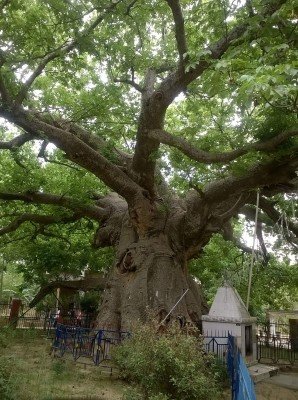
Parijaat Vriksh
Some quick example text to build on the card title and make up the bulk of the card's content.
Go somewhere
Sita Kund
Some quick example text to build on the card title and make up the bulk of the card's content.
Go somewhere
Sunder Lal Memorial Hall
Some quick example text to build on the card title and make up the bulk of the card's content.
Go somewhere
Victoria Manzil
Some quick example text to build on the card title and make up the bulk of the card's content.
Go somewherein Other Cities