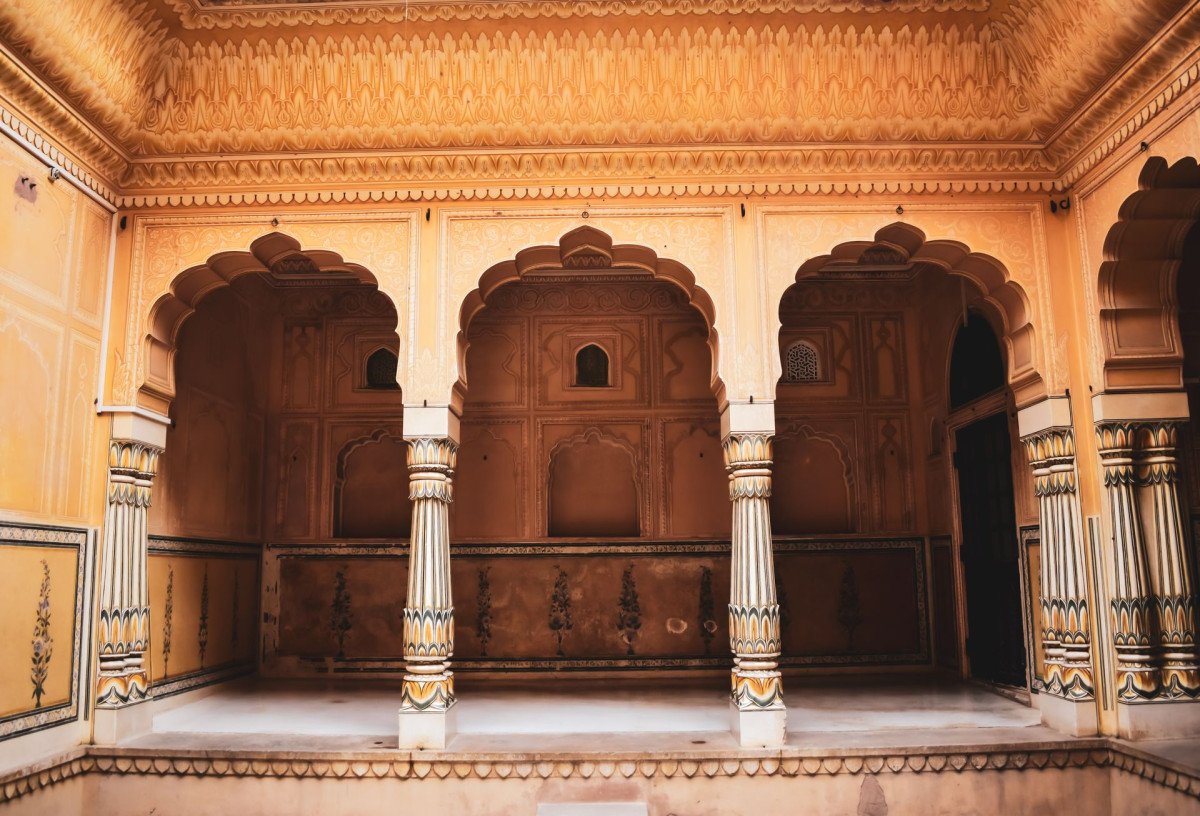
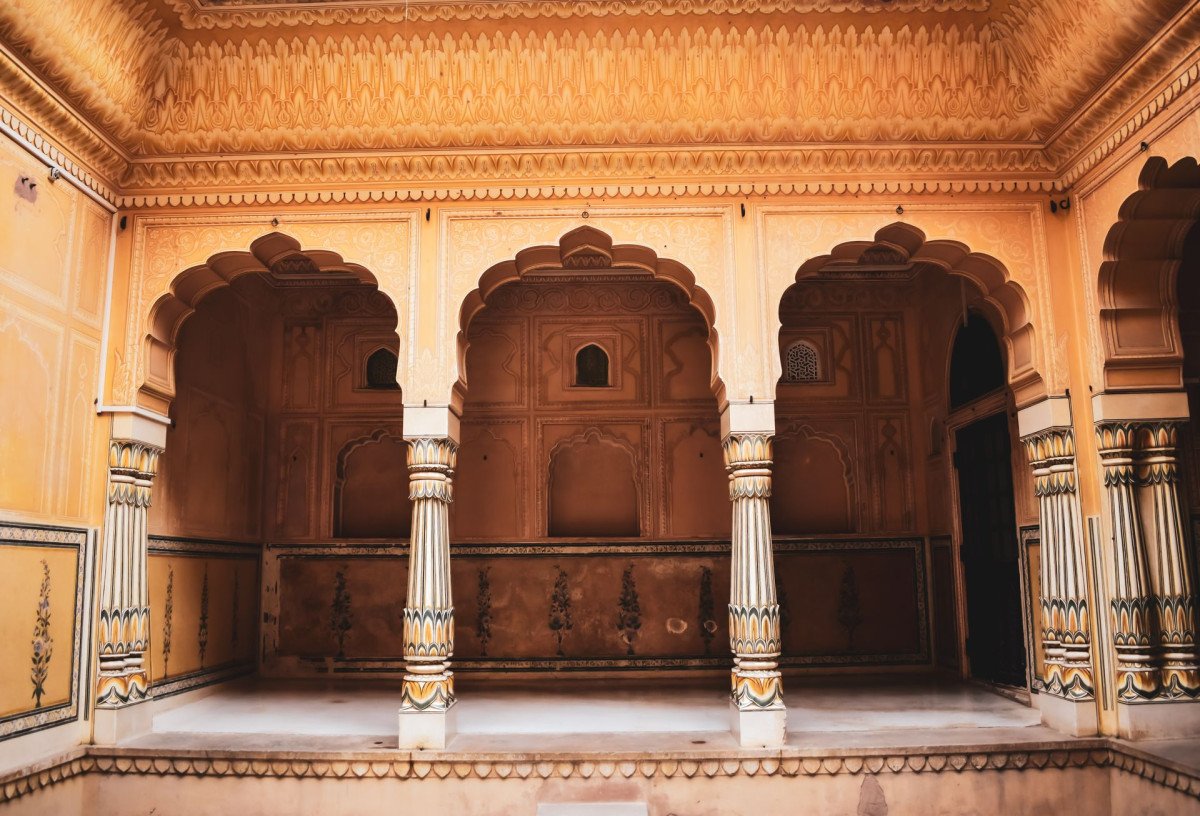
The Fort of Ashraf Ali Khan
General information
-
Ideal Duration:
1 to 2 HoursPlace Type:
Historical & HeritageEntry Fees:
No Official Entry Fee: As of now, the fort is not a ticketed monument. It is open to the public for free exploration.
Local Guide Costs: There are no official guides, but a local person might offer to show you around for a small tip of 50 t...No Official Entry Fee: As of now, the fort is not a ticketed monument. It is open to the public for free exploration.
Local Guide Costs: There are no official guides, but a local person might offer to show you around for a small tip of 50 to 100 Rupees, which is entirely optional but helpful for navigation.Timing:
General Timings: The fort is open from 9:00 AM to 5:00 PM daily. It is advisable to visit during daylight hours as the ruins are not well-lit.
Ideal Visit Time: The winter mornings between 10:00 AM and 1:00 PM are perfect for exploring with...General Timings: The fort is open from 9:00 AM to 5:00 PM daily. It is advisable to visit during daylight hours as the ruins are not well-lit.
Ideal Visit Time: The winter mornings between 10:00 AM and 1:00 PM are perfect for exploring without the heat. Avoid visiting during or immediately after heavy rains.Special Events:
Local Heritage Awareness Days: Occasionally, local historical societies organize walks and talks at the fort to educate the youth about their heritage. These events bring a temporary buzz to the quiet ruins.
Town Festivals: During major fes...Local Heritage Awareness Days: Occasionally, local historical societies organize walks and talks at the fort to educate the youth about their heritage. These events bring a temporary buzz to the quiet ruins.
Town Festivals: During major festivals like Eid or Diwali, the area around the fort is lit up, and the local community celebrates with great fervor, reflecting the pluralistic culture of the region.Best Photo Spots:
The Grand Mughal Gateway: Standing in the center of the main archway provides a frame-within-a-frame shot that highlights the fort's scale.
Texture Shots of Ancient Walls: The weathered red bricks and peeling lime plaster offer incredible te...The Grand Mughal Gateway: Standing in the center of the main archway provides a frame-within-a-frame shot that highlights the fort's scale.
Texture Shots of Ancient Walls: The weathered red bricks and peeling lime plaster offer incredible textures for macro and architectural photography.
Sunset Over the Bastions: Capturing the sun setting behind the corner towers (Burjs) creates a classic, nostalgic silhouette of the era gone by.Photo Gallery
Things To Do
-
Exploring the Ruined Ramparts: Walk along the safe sections of the fort walls to get a bird's-eye view of the Jalalabad town. The elevation provides a unique perspective of the surrounding agricultural landscape.
Documenting Historical Graffiti: Observe the old inscriptions and markings on the gateway walls. These often provide clues about the various periods the fort has survived through.
Photography of the Arches: The ruined arches of the inner palace offer a hauntingly beautiful backdrop for creative photography. The play of light through the broken roofs creates dramatic shadows.
Visiting the Local Jalalabad Market: After the fort visit, explore the nearby market which is known for its traditional metalwork and handloom products. It's a great way to suppo...Exploring the Ruined Ramparts: Walk along the safe sections of the fort walls to get a bird's-eye view of the Jalalabad town. The elevation provides a unique perspective of the surrounding agricultural landscape.
Documenting Historical Graffiti: Observe the old inscriptions and markings on the gateway walls. These often provide clues about the various periods the fort has survived through.
Photography of the Arches: The ruined arches of the inner palace offer a hauntingly beautiful backdrop for creative photography. The play of light through the broken roofs creates dramatic shadows.
Visiting the Local Jalalabad Market: After the fort visit, explore the nearby market which is known for its traditional metalwork and handloom products. It's a great way to support the local economy.
Learning Local History from Elders: Sit with the village elders near the fort entrance; they often share fascinating oral histories and legends about Ashraf Ali Khan that are not found in history books.
Nature Walk Around the Perimeter: The area around the fort has reclaimed some of its natural greenery. A quiet walk around the base of the walls is perfect for those who enjoy historical solitude.
Picnicking in the Open Courtyards: If traveling in a group, the open spaces within the fort are suitable for a quick snack break while enjoying the historic ambiance.
Information
-
Why Famous:
Relic of the Mughal-Era Chieftains: The fort is famous for being one of the few surviving secular historical structures in the district. It represents the local governance and military architecture of the Jalalabad region during the transition between the Mughal and British...Relic of the Mughal-Era Chieftains: The fort is famous for being one of the few surviving secular historical structures in the district. It represents the local governance and military architecture of the Jalalabad region during the transition between the Mughal and British eras.
A Symbol of Local Resistance: The fort is associated with the bravery of the local Nawabs and their role in the socio-political landscape of Western Uttar Pradesh. It is a key site for history students and researchers looking into the 18th-century regional power struggles. -
Architecture:
Fortification and Gateways: The fort is spread over several acres, with the perimeter walls standing approximately 25 feet high. The most impressive feature is the massive main gateway, which is about 20 feet wide and designed to allow elephants to pass through.Fortification and Gateways: The fort is spread over several acres, with the perimeter walls standing approximately 25 feet high. The most impressive feature is the massive main gateway, which is about 20 feet wide and designed to allow elephants to pass through.
Structural Elements: The architecture includes several 'Burjs' (bastions) located at the corners of the walls for surveillance. The inner palace area, although mostly in ruins, shows remnants of arched corridors and 'Diwan' halls. The use of thick lime plaster over brickwork helped the fort withstand the harsh climate of Muzaffarnagar for centuries. The dimensions of the inner courtyard are roughly 100 x 150 feet, which once served as a parade ground for the local militia. -
How To Reach:
Traveling by Air: The closest airport is Jolly Grant in Dehradun (110 KM) or Delhi Airport (150 KM). Hiring a car from Delhi is the most convenient option for history enthusiasts.
Traveling by Train: The nearest railway station is Thana Bha...Traveling by Air: The closest airport is Jolly Grant in Dehradun (110 KM) or Delhi Airport (150 KM). Hiring a car from Delhi is the most convenient option for history enthusiasts.
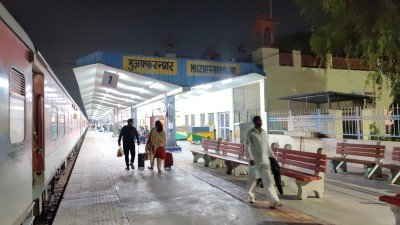
Traveling by Train: The nearest railway station is Thana Bhawan, but for better connectivity, use the Muzaffarnagar (MOZ) station. From Muzaffarnagar, it’s a 1-hour drive to Jalalabad.
Traveling by Road: Jalalabad is situated on the Shamli-Saharanpur road. From Muzaffarnagar, one can drive via Chausana or take the main highway towards Shamli and then branch off.
Local Transport Options: State transport buses and private mini-buses ply regularly between Muzaffarnagar and Thana Bhawan/Jalalabad. Inside the town, cycle-rickshaws are the best way to reach the fort. -
Weather and Best Time to Visit:
Best Season (November to February): The mild winter weather is the only time to comfortably explore the ruins without being bothered by the intense heat or monsoon mud.
Monsoon Appeal: During August, the ruins covered in moss and green creep...Best Season (November to February): The mild winter weather is the only time to comfortably explore the ruins without being bothered by the intense heat or monsoon mud.
Monsoon Appeal: During August, the ruins covered in moss and green creepers look very poetic, but one must be careful of slippery stones and insects.
Daily Timing: Mid-morning is best for visibility and safety within the ruined structures. -
Near Tourist Places:
1. Thana Bhawan (5 KM), 2. Shamli (22 KM), 3. Muzaffarnagar City (45 KM), 4. Saharanpur (50 KM), 5. Ghausgarh Fort Ruins (15 KM), 6. Nanauta (12 KM), 7. Deoband (35 KM), 8. Hindon River Banks (8 KM), 9. Local Baoli (6 KM), 10. Chausana (20 KM).
Tourism Tips
-
Health & Safety: The fort is in a state of ruin; be extremely careful of loose stones and uneven flooring. It is recommended to wear sturdy boots and carry a small first-aid kit.
Packing Essentials: Carry a hat and sunglasses as there is v...Health & Safety: The fort is in a state of ruin; be extremely careful of loose stones and uneven flooring. It is recommended to wear sturdy boots and carry a small first-aid kit.
Packing Essentials: Carry a hat and sunglasses as there is very little shade within the fort. Bring your own snacks and water as there are no shops inside the complex.
Cash & Connectivity: Ensure you have Cash as digital payments are not common in the local village shops. Mobile signals are fine, but data speeds might be slow near the thick fort walls.
Traveler Ethics: Do not litter or deface the ancient walls. As a heritage site, it is our responsibility to keep it clean and preserved for future generations.
Reviews
FAQs
Muzaffarnagar Itineray And Cost:-
The Fort of Ashraf Ali Khan Tourism:-
Other Places In Muzaffarnagar :-
Other States In India :-
Information about New and Updated Locations() of Uttar Pradesh Has Been Added :-
Card subtitle
Note:-
Information provided here in good Faith and for reference only.
Near Places
Akshay Vat Vatika
Some quick example text to build on the card title and make up the bulk of the card's content.
Go somewhere
Bhairon ka Mandir
Some quick example text to build on the card title and make up the bulk of the card's content.
Go somewhere
Chandsina Fort
Some quick example text to build on the card title and make up the bulk of the card's content.
Go somewhere
Clock Tower Khatauli
Some quick example text to build on the card title and make up the bulk of the card's content.
Go somewhere
Durga Dham
Some quick example text to build on the card title and make up the bulk of the card's content.
Go somewhere
Ganeshdham
Some quick example text to build on the card title and make up the bulk of the card's content.
Go somewhere
Ghasipura Haveli
Some quick example text to build on the card title and make up the bulk of the card's content.
Go somewhere
Government Educational Museum
Some quick example text to build on the card title and make up the bulk of the card's content.
Go somewhere
Hanumatdham
Some quick example text to build on the card title and make up the bulk of the card's content.
Go somewhere
Kali Nadi Devi Mandir
Some quick example text to build on the card title and make up the bulk of the card's content.
Go somewhere
Kamla Nehru Vatika
Some quick example text to build on the card title and make up the bulk of the card's content.
Go somewhere
Maulaheri Palace
Some quick example text to build on the card title and make up the bulk of the card's content.
Go somewhere
Purana Qila Chhapar
Some quick example text to build on the card title and make up the bulk of the card's content.
Go somewhere
Sambhalheda Panchmukhi Shivling
Some quick example text to build on the card title and make up the bulk of the card's content.
Go somewhere
Sankirtan Bhawan
Some quick example text to build on the card title and make up the bulk of the card's content.
Go somewhere
Shapir
Some quick example text to build on the card title and make up the bulk of the card's content.
Go somewherein Other Cities