...

FAQs On Dali Monastery

Darjeeling, West Bengal, India
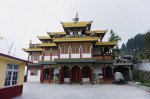
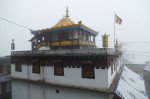
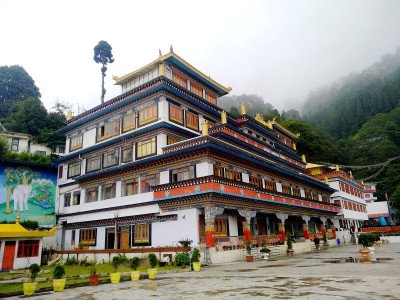
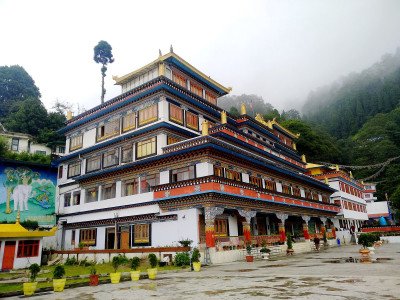
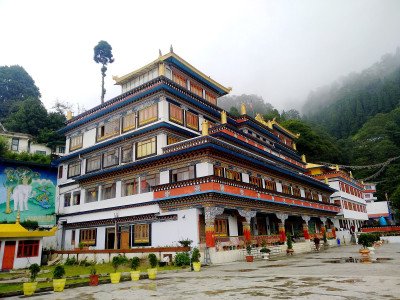
Dali Monastery, officially known as Druk Thupten Sangag Choeling Monastery, is a prominent and one of the largest Tibetan Buddhist monasteries in Darjeeling. Situated on a hillock between Darjeeling and Ghoom, the monastery was established in 1971 by Kyabje Thuksey Rinpoche, a revered lama of the Dr ukpa Kagyu lineage of Tibetan Buddhism. The monastery is not only a place of worship but also a major center for Buddhist teachings, meditation, and spiritual learning, attracting monks and devotees from all over the world. Its tranquil ambiance is a stark contrast to the bustling town of Darjeeling, offering a peaceful sanctuary for introspection and spiritual contemplation. The monastery is home to around 200 monks who live and study here, dedicating their lives to the pursuit of enlightenment. The air is often filled with the deep, rhythmic chants of the monks, creating a profound and meditative atmosphere. The monastery?s elevated location provides a picturesque view of the surrounding hills, tea gardens, and the valley below. A visit here offers a unique glimpse into the lives of the resident monks, their daily rituals, and their unwavering dedication to their faith. The monastery is a living testament to the rich Buddhist heritage of the region, and its serene environment is a must-visit for anyone seeking a peaceful and spiritual experience. It is a place where you can feel a sense of calm and a deep connection to nature and spirituality.

Ans:- The Dali Monastery, also known as Druk Thupten Sangag Choeling Monastery, is a beautiful and serene Buddhist monastery located on a hillock on the way to Darjeeling from Ghoom. It is one of the most prominent monasteries in the region.

Ans:- The Dali Monastery was founded by the revered Tibetan spiritual leader Kyabje Thuksey Rinpoche in 1971. It is a part of the Kagyupa sect of Tibetan Buddhism.

Ans:- The main attraction is the beautiful monastery itself, with its traditional Tibetan architecture and vibrant murals. The monastery is home to about 210 monks who study and live here. The peaceful ambiance and the panoramic views are also a major draw.

Ans:- The monastery holds great spiritual significance as it is the last residence of Kyabje Thuksey Rinpoche. It is a major center for Buddhist learning and a place of pilgrimage for devotees.

Ans:- No, there is no entry fee to visit the monastery. Visitors are welcome to explore the premises, but donations are appreciated to help with the upkeep and welfare of the monks.

Ans:- Yes, visitors can witness the morning and evening prayers and rituals of the monks. The rhythmic chants, the sound of bells, and the solemn atmosphere create a deeply spiritual and moving experience.

Ans:- The monastery can be visited throughout the year. The best time is during the spring (March to May) and autumn (October to December) when the weather is clear, and the views are spectacular.

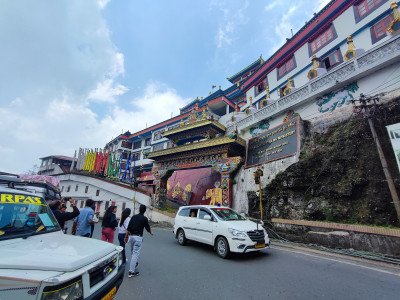
Ans:- The Dali Monastery is located on the main road between Ghoom and Darjeeling. It is easily accessible by taxi. It is often included in the standard sightseeing tours of the area.

Ans:- The monastery has a large prayer hall with a beautiful statue of the Buddha. The walls are adorned with intricate murals and thankas (Tibetan Buddhist paintings). There are also hundreds of prayer wheels that visitors can spin.

Ans:- It is respectful to wear modest clothing that covers your shoulders and knees. You will also need to remove your shoes before entering the main prayer hall.

Ans:- Yes, the peaceful and serene environment of the monastery makes it an ideal place for meditation and reflection. You can sit in the prayer hall and absorb the tranquility.

Ans:- The Dali Monastery is on the way to other key attractions like Ghoom Monastery and the Batasia Loop, so you can easily combine a visit to all these places in one trip.

Ans:- Photography is generally allowed on the premises, but it is respectful to ask for permission before taking photos inside the main prayer hall, especially during prayer times.

Ans:- Yes, there is a small shop near the entrance where you can buy religious items, prayer flags, incense, and other souvenirs related to Buddhism and the monastery.

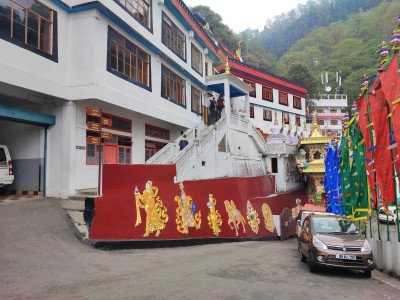
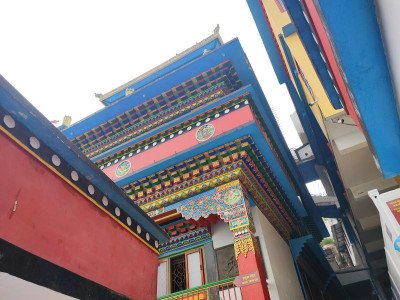
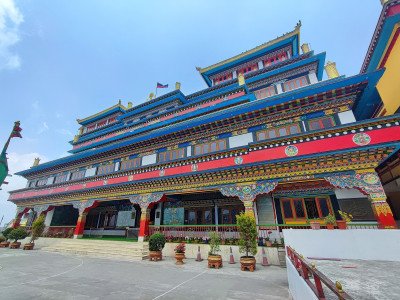
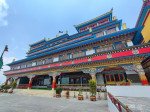
Ans:- The architecture is a beautiful example of traditional Tibetan design, with a touch of local influence. The monastery is adorned with bright colors, intricate carvings, and traditional symbols that are both visually stunning and spiritually significant. ###

Ans:- As with all religious sites in the Himalayas, modest clothing is highly recommended. It is best to avoid wearing short skirts or sleeveless tops. Wearing layers is also practical as the temperature can be quite cool at 7,000 feet. Remember that you will need to remove your shoes if you decide to enter any of the prayer halls or sacred rooms.

Ans:- Dali Monastery is home to a large community of over 200 monks. They belong to the Drukpa Kagyud sect and follow a rigorous schedule of prayer, meditation, and study. The monastery also functions as a residential school for young novices, where they learn Buddhist philosophy, Tibetan language, and religious rituals, ensuring the continuation of their ancient spiritual heritage.

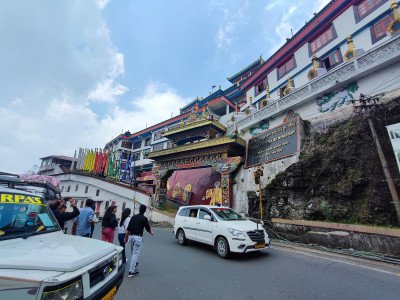
Ans:- Dali Monastery is perched on a hillock at an altitude of 7,000 feet, right on the main road (Hill Cart Road) between Ghoom and Darjeeling. It is about 5 kilometers away from Darjeeling town center. Because of its location on the main highway, it is very easy for tourists to stop by while entering or leaving Darjeeling by car or taxi.

Ans:- Like most monasteries, photography is usually not allowed inside the main prayer hall or the sanctum to maintain the sacred environment. However, you are free to take photos of the stunning exterior, the large entrance gates, and the beautiful prayer wheel hall from the outside. The colorful architecture makes it a very "instagrammable" spot for many tourists passing by.

Ans:- No, there is no entry fee for visitors. The monastery is a place of worship and is open to all for free. However, visitors are encouraged to make a small voluntary donation in the charity boxes to support the living expenses of the resident monks and the maintenance of the large monastery complex, which is a significant service to the community.

Ans:- One of the most famous features of Dali Monastery is the Hall of Prayer Wheels. It houses several large, 6-foot-high cylindrical golden Tibetan prayer wheels. Monks and visitors rotate these wheels while offering prayers. The sight of several wheels being turned simultaneously, accompanied by the low hum of chanting, creates a deeply spiritual and mesmerizing atmosphere for everyone present.

Ans:- The easiest way to reach Dali Monastery from Darjeeling town is by taking a local taxi or a shared jeep. It is a 10 to 15-minute drive from the main market area. If you are arriving from Siliguri or NJP by car, you will naturally pass right in front of the monastery. Many tourists choose to stop here for 30-40 minutes on their way into town.

Ans:- The monastery houses an extensive library with a vast collection of books on Buddhist philosophy and Tibetan literature. While the library is primarily for the monks and students, it adds to the scholarly atmosphere of the place. Additionally, there is a small café (Dali Monastery Coffee Shop) near the entrance that serves snacks and tea, providing a nice place for visitors to rest.

Ans:- The monastery is generally open to the public from 7:00 AM to 6:00 PM. Visitors are welcome to explore the grounds and the main prayer hall. The best time to visit is during the morning and evening prayer sessions (usually around 5:00 AM and 5:00 PM) when the monks gather for congregational chanting and the playing of traditional Tibetan musical instruments.

Ans:- The monastery was built in 1971 by Kyabje Thuksey Rimpoche. Since its establishment, it has grown significantly and was inaugurated by the Dalai Lama in 1993. It serves as a major center for Buddhist studies and practice. Over the decades, it has become the largest monastery in the Darjeeling area in terms of the number of resident monks who live and study there.

Ans:- The official name of Dali Monastery is Druk Sangag Choling Monastery. However, it is popularly known as Dali Monastery because it is located in the Dali area of Darjeeling. It belongs to the Kagyupa Order (Drukpa Kagyud) of Tibetan Buddhism and is one of the most prominent and visually striking religious landmarks on the way to Darjeeling town from Ghoom.

Ans:- The walls of the monastery are adorned with vibrant and detailed murals depicting the life of Lord Buddha, various Bodhisattvas, and important teachers of the Kagyupa lineage. These paintings are not just decorative but serve as visual aids for teaching Buddhist concepts. The colors are exceptionally bright, and the level of detail in the artwork is a testament to the skill of the artists.

Ans:- While many monks are busy with their studies or chores, they are generally very polite and may answer brief questions if they are not in silence or meditation. Some of the older monks or teachers speak English or Hindi and are happy to share basic information about Buddhism. However, always be respectful of their time and avoid interrupting any ongoing religious ceremonies.

Ans:- Yes, compared to many other monasteries in Darjeeling that require climbing many steps, Dali Monastery is relatively more accessible. The main entrance is near the road, and while there are some slopes and a few steps, the main areas are reachable. It is one of the more "accessible" religious sites in the hills, though some assistance may still be needed for wheelchair users.

Ans:- Yes, Dali Monastery celebrates several important Buddhist festivals, including the Tibetan New Year (Losar) and the 7-day Mahakala Drupchod, which is a special prayer offered to Lord Mahakala, the guardian deity. During these times, the monastery is beautifully decorated, and visitors can witness traditional mask dances (Cham) and elaborate rituals that are central to the Kagyupa tradition.

Note:-

Information provided here in good Faith and for reference only.

All information and pictures will be updated soon, please keep visiting.

Near Places
...
Aloobari Monastery

Some quick example text to build on the card title and make up the bulk of the card's content.

Go somewhere
...
Badamtam Tea Estate

Some quick example text to build on the card title and make up the bulk of the card's content.

Go somewhere
...
Batasia Loop

Some quick example text to build on the card title and make up the bulk of the card's content.

Go somewhere
...
Bengal Natural History Museum

Some quick example text to build on the card title and make up the bulk of the card's content.

Go somewhere
...
Bhutia Busty Monastery

Some quick example text to build on the card title and make up the bulk of the card's content.

Go somewhere

...
Bijanbari

Some quick example text to build on the card title and make up the bulk of the card's content.

Go somewhere
...
Chauk Bazaar

Some quick example text to build on the card title and make up the bulk of the card's content.

Go somewhere
...
Chota Mangwa

Some quick example text to build on the card title and make up the bulk of the card's content.

Go somewhere
...
Chowrasta & The Mall

Some quick example text to build on the card title and make up the bulk of the card's content.

Go somewhere
...
Dali Monastery

Some quick example text to build on the card title and make up the bulk of the card's content.

Go somewhere
in Other Cities