Guru Nanak Sacred Forest
General information
-
Ideal Duration:
1-2 hours (For a peaceful walk and observation):Place Type:
Ecological Site/Nature Conservation/Educational PaEntry Fees:
:The Guru Nanak Sacred Forest is typically Free of Cost to enter, as it is a community-driven conservation project aimed at public awareness and ecological benefit. Its mission is to be accessible to all.
:The Guru Nanak Sacred Forest is typically Free of Cost to enter, as it is a community-driven conservation project aimed at public awareness and ecological benefit. Its mission is to be accessible to all.
Donation for Conservation:
:While there is no mandatory fee, visitors are strongly encouraged to make a voluntary donation to the EcoSikh organization or the local maintenance group to support the ongoing care, watering, and protection of the saplings and the forest.
Educational Group Fees:
:In some cases, if a large commercial group or a formal educational institution requests a specialized guided tour or workshop, a nominal fee might be charged to cover the cost of the guide or resources provided.
:Timing:
Regular Timings:
:The forest is usually open from Dawn to Dusk, such as 6:00 AM to 6:00 PM (Winter) or 5:00 AM to 7:00 PM (Summer), allowing visitors to enjoy the peak times for nature viewing. It is often cl...Regular Timings:
:The forest is usually open from Dawn to Dusk, such as 6:00 AM to 6:00 PM (Winter) or 5:00 AM to 7:00 PM (Summer), allowing visitors to enjoy the peak times for nature viewing. It is often closed at night for safety and to protect the habitat.
Ideal Visit Time:
:The best time is the early morning (5:30 AM to 8:00 AM) for optimal bird-watching, cool air, and soft, natural light, or the late afternoon (4:00 PM to 6:00 PM) for cooler temperatures and sunset views. Avoid the intense mid-day heat.
:Special Events:
Tree Planting Drives:
:The forest's initial and subsequent growth phases involve large-scale community tree planting events where hundreds of volunteers, often including students and local officials, participa...Tree Planting Drives:
:The forest's initial and subsequent growth phases involve large-scale community tree planting events where hundreds of volunteers, often including students and local officials, participate, symbolizing a collective commitment to the environment.
Guru Nanak Dev Ji's Birth Anniversary:
:Special gatherings and small ceremonies, often focusing on environmental pledges, are held here to mark the birth anniversary of Guru Nanak Dev Ji (Gurpurab), reinforcing the link between faith and nature.
:Best Photo Spots:
The Sun-Dappled Canopy:
:During mid-morning or late afternoon, the light filters beautifully through the dense, multi-layered canopy, creating dramatic patches of sunlight on t...The Sun-Dappled Canopy:
:During mid-morning or late afternoon, the light filters beautifully through the dense, multi-layered canopy, creating dramatic patches of sunlight on the forest floor, which is ideal for artistic, contrast-heavy nature photographs.
The Informational Signage:
:The main entrance area or the interpretive signs, often bearing the Guru Nanak Sacred Forest name and the EcoSikh logo, are excellent spots for commemorative photographs, showcasing the initiative.
Dense Foliage and Trail Entrance:
:Photograph the entrance to the walking trails, where the density of the forest quickly surrounds the path, conveying the immersive and claustrophobic beauty of the Miyawaki method's rapid growth.
:Photo Gallery
Things To Do
-
A.
Educational Walk and Learning:
:Take a guided or self-guided walk through the forest trails. Stop to read any informational boards that detail the Miyawaki method, the different native tree species planted, and the overall goal of the EcoSikh project. This is a primary function of the site.
. B.
Meditative and Reflective Time:
Read MoreA.
Educational Walk and Learning:
:Take a guided or self-guided walk through the forest trails. Stop to read any informational boards that detail the Miyawaki method, the different native tree species planted, and the overall goal of the EcoSikh project. This is a primary function of the site.
. B.
Meditative and Reflective Time:
:The deep silence and fresh, oxygen-rich air of the forest create an ideal environment for meditation, quiet reflection, and reconnecting with nature. Find a secluded spot and simply sit quietly for a few minutes.
. C.
Nature Photography and Macro Shots:
:The density of the foliage and the diversity of insects, small flowers, and fungi offer excellent opportunities for nature photography, especially macro photography to capture the tiny details of the new ecosystem.
. D.
Volunteer for Tree Maintenance/Planting:
:Depending on the season and the forest's development stage, there might be opportunities to volunteer for basic maintenance, such as weeding or planting new saplings during specific drives. Contact the local EcoSikh chapter or site managers for details.
. E.
Observe the Growth Rate:
:Try to find markers or documented evidence (if available) of the forest's growth over time. Observing the dramatic height and density achieved in just a few years is a compelling testament to the Miyawaki technique.
. F.
Group Environmental Awareness Sessions:
:Organize a small group of students or friends for an informal session on environmental awareness, using the forest as a real-life example of positive ecological intervention and community action.
. G.
Seasonal Observation:
:Visit in different seasons (Monsoon for peak greenness, Winter for bird activity) to observe how the micro-forest's appearance and biological activity change throughout the year, offering a dynamic view of nature.
.
(Total Word Count:
Rs.):
Information
-
Why Famous:
Rapid Reforestation and Miyawaki Method:
:The forest is famous for its adoption of the revolutionary Miyawaki technique, which demonstrates that a dense, biodiverse forest can be created on a small plot of lan...Rapid Reforestation and Miyawaki Method:
:The forest is famous for its adoption of the revolutionary Miyawaki technique, which demonstrates that a dense, biodiverse forest can be created on a small plot of land within a few years. It is a local example of a globally recognized conservation solution.
A Living Tribute to Guru Nanak Dev Ji:
:It holds spiritual significance as a living monument to the first Sikh Guru's teachings on nature conservation, attracting not only environmentalists but also people interested in Sikh heritage and philosophy.
: -
Architecture:
The Miyawaki Methodology:
:The forest itself is an architectural and ecological marvel, though not in the traditional sense of concrete structures. The design adheres strictly to the Miyawaki technique, chara...The Miyawaki Methodology:
:The forest itself is an architectural and ecological marvel, though not in the traditional sense of concrete structures. The design adheres strictly to the Miyawaki technique, characterized by extremely high-density planting (often 3 to 5 saplings per square meter). The area is typically divided into sections based on the type of native vegetation: Canopy Layer (tallest trees like Shisham), Sub-Canopy Layer, Shrub Layer, and Ground Layer.
Dimensions and Layout:
:The Rupnagar forest often spans a significant area, such as 2. 75 acres or more, creating a substantial green patch within the urban fringe. The layout is usually a simple geometric plot, but the internal design is based on complex horticultural principles ensuring optimal light and resource distribution for competing plants. The architecture of the forest is in its density and layers. The vertical stacking of different height species creates a multi-layered ecosystem, allowing for greater carbon sequestration. A network of thin, unmarked walking trails is often included, allowing visitors to walk through the dense growth without disturbing the fragile, regenerating forest floor.
. -
How To Reach:
By Air:
:The Chandigarh International Airport (IXC) is the nearest major air hub. From the airport, hire a pre-paid or app-based taxi to Rupna...By Air:
:The Chandigarh International Airport (IXC) is the nearest major air hub. From the airport, hire a pre-paid or app-based taxi to Rupnagar and then to the forest site. The final leg may require local guidance. Total time is approximately 1. 5 to 2 hours.
By Train:
:The Rupnagar Railway Station (RPR) is the most convenient point. From the station, the forest is a short 10-20 minute ride via auto-rickshaw or a local taxi. The driver may need specific directions as it's a newer location.
By Road:
:It is accessible via the local road network connecting to the main NH503 (Anandpur Sahib - Chandigarh Highway). Look for the turning near the industrial area or outskirts of Rupnagar. Signage may be minimal, so rely on a map application or local inquiries.
By Local Transport:
:A dedicated auto-rickshaw is the best option for local transport from the city center. It is too far to walk from the main town, and public buses may not stop directly at the site.
: -
Weather and Best Time to Visit:
Different Types of Seasons:
:Monsoon (July to September) is the Best Time to Visit ecologically, as the forest is at its most vibrant and green, though rain can be heavy. Winter (October to March) is comforta...Different Types of Seasons:
:Monsoon (July to September) is the Best Time to Visit ecologically, as the forest is at its most vibrant and green, though rain can be heavy. Winter (October to March) is comfortable for walking and is the best time for spotting migratory birds. Summer (April to June) is too hot and dry, making the visit less enjoyable due to intense heat exposure.
Different Parts of the Day:
:Early Morning is highly recommended for the best experience, as the air is fresh, birds are most active, and the light is soft for photography. Late Afternoon is also pleasant for a cooling walk, but bird activity is less than in the morning.
: -
Near Tourist Places:
Ropar Wetland (Ropar Lake) (15 KMS), Ropar Head Works Park (12 KMS), Indus Valley Civilization (Ropar Excavation Site) (10 KMS), Maharaja Ranjit Singh Park (10 KMS), City Center Rupnagar (8 KMS), Panj Pyare Khanda Monument (25 KMS), Virasat-e-Khalsa, Anandpur Sahib (30 KMS), Chamkaur Sahib (35 KMS), Nangal Dam (50 KMS), Jhajjar Bachauli Wildlife Sanctuary (45 KMS):
Tourism Tips
-
Health & Safety:
:Wear comfortable walking shoes, as the trails are natural and can be uneven. Bring water, as there are usually no commercial...Health & Safety:
:Wear comfortable walking shoes, as the trails are natural and can be uneven. Bring water, as there are usually no commercial facilities inside. Be mindful of snakes and insects, especially during the monsoon season, and stick to the marked trails.
Packing:
:Carry a good camera/phone for nature photography. Bring binoculars for birdwatching. Wear light layers that cover your arms and legs to protect against sun and insects. Avoid carrying plastic bags and ensure you take all trash with you.
Accommodation:
:There are No Accommodation facilities at the forest itself. Visitors should stay in hotels or guesthouses in the main Rupnagar City or the nearby Dhaliwal Farm House for a rural experience. Book accommodations near the main highway for better connectivity.
Other Different Topics heading:
:
Respect the Environment: This is a conservation site; avoid touching or picking plants, and do not disturb the wildlife.
Educational Value: Treat the visit as a learning opportunity about native species and sustainable ecology.
Accessibility: The trails may not be fully wheelchair-accessible due to the natural, uneven terrain.
:
Reviews
FAQs
Rupnagar Itineray And Cost:-
Guru Nanak Sacred Forest Tourism:-
Other Places In Rupnagar :-
Other States In India :-
Information about New and Updated Locations() of Punjab Has Been Added :-
Card subtitle
Note:-
Information provided here in good Faith and for reference only.
Near Places
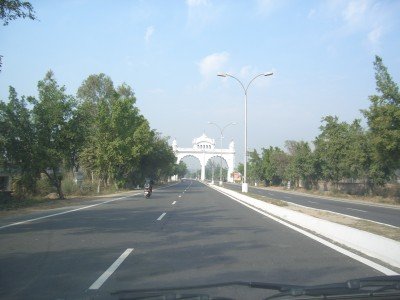
Anandpur Sahib - Chandigarh Highway
Some quick example text to build on the card title and make up the bulk of the card's content.
Go somewhere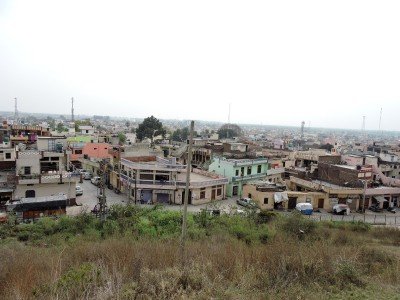
Dhaliwal Farm House Siasatpur
Some quick example text to build on the card title and make up the bulk of the card's content.
Go somewhere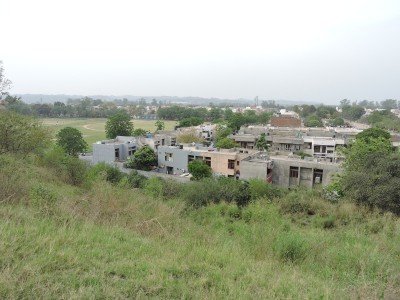
Guru Nanak Sacred Forest
Some quick example text to build on the card title and make up the bulk of the card's content.
Go somewhere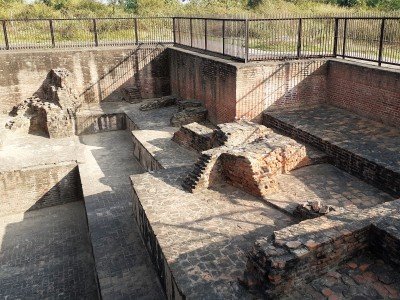
Gurudwara Bhabour Sahib
Some quick example text to build on the card title and make up the bulk of the card's content.
Go somewhere
Indus Valley Civilization
Some quick example text to build on the card title and make up the bulk of the card's content.
Go somewhere
Kiratpur Sahib Bridge
Some quick example text to build on the card title and make up the bulk of the card's content.
Go somewhere
Maharaja Ranjit Singh Park
Some quick example text to build on the card title and make up the bulk of the card's content.
Go somewhere
Makbra
Some quick example text to build on the card title and make up the bulk of the card's content.
Go somewhere
Nangal Wildlife Sanctuary
Some quick example text to build on the card title and make up the bulk of the card's content.
Go somewhere
Panj Pyare Khanda Monument
Some quick example text to build on the card title and make up the bulk of the card's content.
Go somewhere
Ramlila Ground
Some quick example text to build on the card title and make up the bulk of the card's content.
Go somewhere
Ropar Head Works Park
Some quick example text to build on the card title and make up the bulk of the card's content.
Go somewhere
Ropar Wetland
Some quick example text to build on the card title and make up the bulk of the card's content.
Go somewhere
Satluj Beach
Some quick example text to build on the card title and make up the bulk of the card's content.
Go somewhere
Syl Crossing
Some quick example text to build on the card title and make up the bulk of the card's content.
Go somewhere
The Kikar Water Front Restaurant
Some quick example text to build on the card title and make up the bulk of the card's content.
Go somewherein Other Cities