

Makbra
General information
-
Ideal Duration:
1 HourPlace Type:
Historical Monument, Tomb/Mausoleum, ArchitecturalEntry Fees:
Entry Status: Access to the Makbra structure itself is typically free of charge, as it is an unprotected historical or religious site that is open to the public. There are generally no formal gates or ticket counters managed by the government.
...Entry Status: Access to the Makbra structure itself is typically free of charge, as it is an unprotected historical or religious site that is open to the public. There are generally no formal gates or ticket counters managed by the government.
Donations: Visitors may choose to leave a small, voluntary donation at the site, especially if there is a caretaker or if the structure serves as a minor place of worship (dargah). This money is used for minimal upkeep, lighting, or support for the local poor.
No Fees for Personal Use: There are no fees for personal photography or casual visits. However, visitors are expected to be respectful of the site, especially if the structure is still in use for prayer or devotion.
Funding for Conservation: Unlike ASI-protected sites, the primary funding for the Makbra's structural stability usually comes from local community efforts, small government grants, or specific heritage projects, rather than tourist entry fees, highlighting its status as a local rather than a national monument.Timing:
Regular Timings: As an open historical structure, the Makbra generally has no official closing time, meaning it can technically be visited 24 hours a day. However, visiting between 6:00 AM and 6:00 PM is safest and most appropriate.
Ideal Visit...Regular Timings: As an open historical structure, the Makbra generally has no official closing time, meaning it can technically be visited 24 hours a day. However, visiting between 6:00 AM and 6:00 PM is safest and most appropriate.
Ideal Visit Time: The best time for a visit is the early morning (7:00 AM - 9:00 AM) or the late afternoon (4:00 PM - 6:00 PM). The light during these hours is soft and excellent for photography, and the environment is at its most peaceful and contemplative.
Security and Comfort: Visiting after dark is generally not recommended due to a lack of proper lighting and security, as the structure is located in a quieter, less developed part of Haveli Khurd.
Seasonal Preference: A visit in the cool winter months (November to February) is most comfortable, allowing for a longer period of quiet exploration and historical reflection without the intense heat of the summer sun.Special Events:
Urs Festival: If the Makbra is indeed a Sufi shrine, a small annual Urs (death anniversary celebration of the saint) may be held. This festival, typically in the Islamic calendar, involves devotional singing (Qawwali) and a community meal, offering a vibrant religious-cultu...Urs Festival: If the Makbra is indeed a Sufi shrine, a small annual Urs (death anniversary celebration of the saint) may be held. This festival, typically in the Islamic calendar, involves devotional singing (Qawwali) and a community meal, offering a vibrant religious-cultural experience.
Local Heritage Day: The local municipal council or a heritage organization may occasionally use the Makbra as a point of interest for a guided heritage walk, often held in the mild weather of February or March, to promote its conservation.
Community Clean-up Drives: Due to its historical significance, the site sometimes becomes the focus of local community clean-up or preservation drives, which visitors can respectfully observe or join in to support local conservation efforts.Best Photo Spots:
The Arched Entrance: A frontal, centered shot of the main arched entrance, perfectly framing the dark interior, draws the viewer into the mystery and antiquity of the structure.
Texture and Decay Close-ups: Close-up macro shots of the crumbl...The Arched Entrance: A frontal, centered shot of the main arched entrance, perfectly framing the dark interior, draws the viewer into the mystery and antiquity of the structure.
Texture and Decay Close-ups: Close-up macro shots of the crumbling brickwork, the moss growing on the dome, and the cracked lime plaster convey the true age and fragility of the monument.
The Isolation Shot: A wide-angle photo capturing the small Makbra standing isolated in its plot of land, juxtaposed against the modern buildings or open fields in the distance, emphasizes its historical detachment from the present.
Interior Light Shaft: If the interior is accessible, a photograph capturing the single shaft of light filtering down onto the central grave (or the floor) can create a moody, highly atmospheric, and reverential photo.Photo Gallery
Things To Do
-
Historical Exploration and Study: Dedicate time to closely studying the construction methods, particularly the type of bricks and the joining techniques. This is a practical history lesson in local pre-modern building science.
Architectural Photography: Focus on capturing the geometric symmetry of the building, the texture of the old bricks, and the decaying dome. The interplay of light and shadow on the ancient walls provides dramatic contrast for black and white photography.
Quiet Reflection/Meditation: The secluded and quiet atmosphere of the Makbra is ideal for a brief session of meditation, mindful observation, or reading, providing a calming retreat from city noise.
Local Folklore Gathering: If possible, engage with the few local residents or elderly peop...Historical Exploration and Study: Dedicate time to closely studying the construction methods, particularly the type of bricks and the joining techniques. This is a practical history lesson in local pre-modern building science.
Architectural Photography: Focus on capturing the geometric symmetry of the building, the texture of the old bricks, and the decaying dome. The interplay of light and shadow on the ancient walls provides dramatic contrast for black and white photography.
Quiet Reflection/Meditation: The secluded and quiet atmosphere of the Makbra is ideal for a brief session of meditation, mindful observation, or reading, providing a calming retreat from city noise.
Local Folklore Gathering: If possible, engage with the few local residents or elderly people in Haveli Khurd who frequent the site. They may share the traditional stories, legends, and historical anecdotes associated with the tomb, offering a rich cultural experience.
Sketching the Landscape: Bring a sketching pad to capture the monument's form against the backdrop of the modern landscape. The contrast between the ancient structure and the surrounding fields or newer buildings is visually compelling.
Bird and Insect Observation: Due to its relative neglect, the surrounding vegetation of the Makbra may attract unique local insect and bird life. Spend a few minutes observing and identifying the small fauna thriving in the area.
Combining with Old Town Walk: Since the Makbra is near the old town center, combine the visit with a walk through the older lanes of Rupnagar, observing the traditional residential architecture and daily life that would have existed concurrently with the tomb's construction era.
Information
-
Why Famous:
Architectural Link to the Past: It is famous as one of the few surviving examples of pre-Sikh or early Mughal architecture in the immediate Rupnagar area. It is a vital link to the architectural heritage of the city, providing a tangible example of the simple, functional st...Architectural Link to the Past: It is famous as one of the few surviving examples of pre-Sikh or early Mughal architecture in the immediate Rupnagar area. It is a vital link to the architectural heritage of the city, providing a tangible example of the simple, functional style of the era.
Quiet Solitude and Local Devotion: The Makbra is a place of serene quietude. It is known to a small segment of the local population as a place of minor pilgrimage or devotion, drawing people seeking peace and blessings, especially from the local Muslim and Sufi-leaning community.
Unlisted Historical Landmark: It is often mentioned in local history records but is not heavily promoted on official tourist circuits. Its relative obscurity makes it famous among those who appreciate 'off-the-beaten-path' history, valuing its uncommercialized and authentic state. -
Architecture:
Structural Design and Dimension: The typical Makbra in this region follows the basic design of a tomb: a single-chamber structure built on a square or octagonal plan. The Dimension of the base is estimated to be around 5 meters x 5 meters, rising to a height of approximatel...Structural Design and Dimension: The typical Makbra in this region follows the basic design of a tomb: a single-chamber structure built on a square or octagonal plan. The Dimension of the base is estimated to be around 5 meters x 5 meters, rising to a height of approximately 8 to 10 meters. The structure features thick load-bearing walls, typical of early protective architecture.
Dome and Finial Details: The crowning element is a single, slightly bulbous dome which rests on an octagonal drum. The dome is often plain, devoid of the intricate geometric or floral plasterwork found in more important Mughal centers like Delhi or Lahore. At the apex, a small, simple stone or metal finial (kalasa) is usually present, though it may be damaged over time.
Entrances and Fenestration: The structure typically has a single arched entrance on one side, with false arches or recesses on the other three faces for structural symmetry. Windows (jali or carved stone screens) are either absent or very small and high up, limiting natural light and focusing the interior on the grave (qabr or sarcophagus), a common design to protect the inner sanctum.
Architectural Purpose: The architecture emphasizes solidity, permanence, and reverence. The simplicity of the design, with its limited ornamentation, contrasts with the flamboyant styles of imperial Mughal architecture, reflecting its status as a tomb for a local, but significant, noble or Sufi saint. The building is designed to withstand the elements and stand as an eternal marker. -
How To Reach:
By Air: The nearest air travel hub is Chandigarh International Airport (IXC), approximately 60 KM away. From the airport, a taxi ride to the Makbra in the Haveli Khurd area of Rupnagar takes about 1. 5 hours.
By Train: Rupnagar Railway Stat...By Air: The nearest air travel hub is Chandigarh International Airport (IXC), approximately 60 KM away. From the airport, a taxi ride to the Makbra in the Haveli Khurd area of Rupnagar takes about 1. 5 hours.
By Train: Rupnagar Railway Station (RPAR) is the closest station, about 3 KM from the Makbra. The best way to reach the site from the station is by taking a short auto-rickshaw ride towards the old town and then a small local path.
By Road: Rupnagar's central location on the highway network makes it easily reachable. Once in Rupnagar, the Makbra is located in the peripheral area of the old town, close to the main administrative buildings. One can drive directly or take a local city bus towards the Haveli Khurd side.
By Local Transport: Local auto-rickshaws and cycle-rickshaws are the most reliable way to get to the Makbra. Due to its relatively secluded location, you may need to ask the driver to wait for you, or ensure you have a ride-share app or another transport contact for your return journey to the main road. -
Weather and Best Time to Visit:
Winter Season (October to March): The best time to visit. The cool, crisp weather is perfect for exploring the outdoor monument, studying the architecture, and enjoying the stillness of the location. The average temperature is highly comfortable.
Read MoreWinter Season (October to March): The best time to visit. The cool, crisp weather is perfect for exploring the outdoor monument, studying the architecture, and enjoying the stillness of the location. The average temperature is highly comfortable.
Summer Season (April to June): Highly unsuitable for visiting during the day due to the extreme heat. If visiting, limit the trip to the very early morning before 8:00 AM or after 6:30 PM.
Monsoon Season (July to September): The surrounding area can get muddy, but the rain often enhances the historical atmosphere of the old brick structure. The lush, damp environment provides a unique perspective, but carry appropriate footwear.
Different Parts of the Day: The Ideal Visit Time is the Late Afternoon (4:00 PM - 6:00 PM). The fading light casts long shadows and highlights the ancient textures, creating a sense of timelessness and historical depth that is perfect for contemplation and photography.Near Tourist Places:
Indus Valley Civilization Site (Gugga Mari):
3 KM Ramlila Ground (Gugga Mari Mohalla):
3 KM Ropar Head Works Park (Canal Colony): 3.
5 KM Maharaja Ranjit Singh Park (Canal Colony):
3 KM Ropar Wetland / Ropar Lake (Ecology):
5 KM Gurdwara Bhatta Sahib (Kotla Nihang):
4 KM Rupnagar Fort (Ruins/Historical): 2. 5 KM Panj Pyare Khanda Monument (Likely near old town):
4 KM Gurudwara Tibbi Sahib (Banks of Sutlej):
4 KM Jateshwar Mahadev Temple (Jatwahr): 12 KMTourism Tips
-
Health & Safety: The site is generally unguarded. Be aware of your surroundings, especially if visiting alone. The terrain around the base is uneven and may have loose stones, so wear sensible shoes. Carry your own hand sanitizer and a water bottle, as public facilities a...Health & Safety: The site is generally unguarded. Be aware of your surroundings, especially if visiting alone. The terrain around the base is uneven and may have loose stones, so wear sensible shoes. Carry your own hand sanitizer and a water bottle, as public facilities are non-existent.
Packing: Bring an excellent telephoto lens if you are a photographer, to capture the details of the dome and finial that might be hard to reach. A small flashlight can be useful for examining the details inside the chamber, but use it respectfully.
Accommodation: As the site is in a peripheral residential area, there are no immediate high-quality accommodations. Stay in the main commercial area of Rupnagar town or at one of the resorts on the outskirts like The Kikar Lodge.
Respect Local Customs: The structure is a religious and historical site. Dress modestly (covering shoulders and knees) out of respect for the possibility of it being a functioning shrine (Dargah). Maintain silence and reverence inside and immediately around the tomb chamber.
Reviews
FAQs
Rupnagar Itineray And Cost:-
Other Places In Rupnagar :-
Other States In India :-
Information about New and Updated Locations() of Punjab Has Been Added :-
Card subtitle
Note:-
Information provided here in good Faith and for reference only.
Near Places
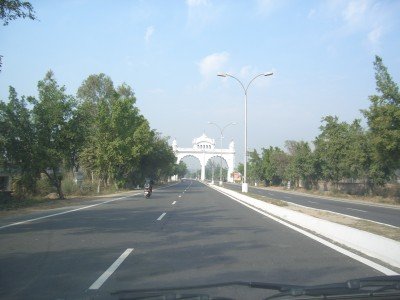
Anandpur Sahib - Chandigarh Highway
Some quick example text to build on the card title and make up the bulk of the card's content.
Go somewhere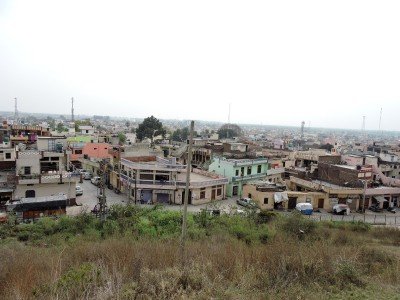
Dhaliwal Farm House Siasatpur
Some quick example text to build on the card title and make up the bulk of the card's content.
Go somewhere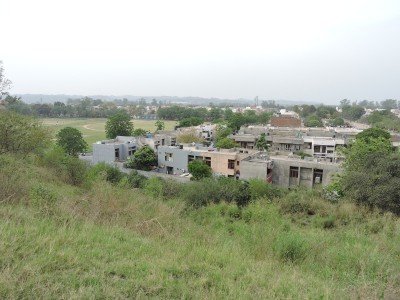
Guru Nanak Sacred Forest
Some quick example text to build on the card title and make up the bulk of the card's content.
Go somewhere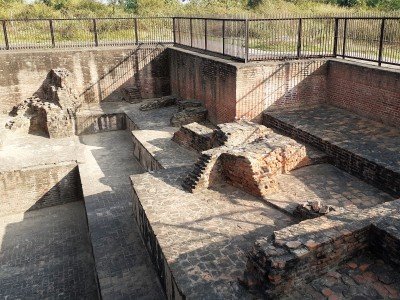
Gurudwara Bhabour Sahib
Some quick example text to build on the card title and make up the bulk of the card's content.
Go somewhere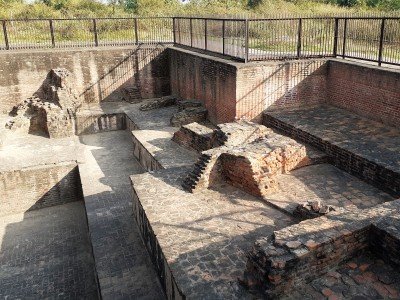
Indus Valley Civilization
Some quick example text to build on the card title and make up the bulk of the card's content.
Go somewhere
Kiratpur Sahib Bridge
Some quick example text to build on the card title and make up the bulk of the card's content.
Go somewhere
Maharaja Ranjit Singh Park
Some quick example text to build on the card title and make up the bulk of the card's content.
Go somewhere
Makbra
Some quick example text to build on the card title and make up the bulk of the card's content.
Go somewhere
Nangal Wildlife Sanctuary
Some quick example text to build on the card title and make up the bulk of the card's content.
Go somewhere
Panj Pyare Khanda Monument
Some quick example text to build on the card title and make up the bulk of the card's content.
Go somewhere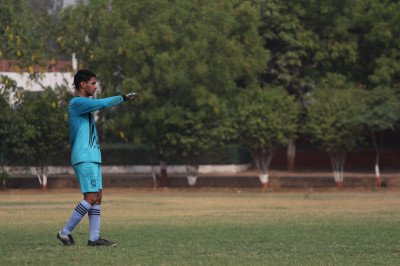
Ramlila Ground
Some quick example text to build on the card title and make up the bulk of the card's content.
Go somewhere
Ropar Head Works Park
Some quick example text to build on the card title and make up the bulk of the card's content.
Go somewhere
Ropar Wetland
Some quick example text to build on the card title and make up the bulk of the card's content.
Go somewhere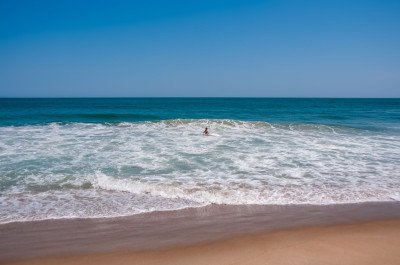
Satluj Beach
Some quick example text to build on the card title and make up the bulk of the card's content.
Go somewhere
Syl Crossing
Some quick example text to build on the card title and make up the bulk of the card's content.
Go somewhere
The Kikar Water Front Restaurant
Some quick example text to build on the card title and make up the bulk of the card's content.
Go somewherein Other Cities