

Ropar Wetland
General information
-
Ideal Duration:
2-3 Hours (for Birdwatching)Place Type:
Wetland, Ramsar Site, Nature Reserve, Bird SanctuaEntry Fees:
General Entry: Access to the Ropar Wetland is generally free of charge as it is a public water body and a nature area. However, accessing certain protected areas or designated forest zones might require an official permit from the local Forest Department.
Read MoreGeneral Entry: Access to the Ropar Wetland is generally free of charge as it is a public water body and a nature area. However, accessing certain protected areas or designated forest zones might require an official permit from the local Forest Department.
Boating and Activities: While a boat club historically existed, it is reported to be non-functional. If any local, non-motorized boat services are available, a minimal fee (Rs. 50-100) may be charged per person.
Permits for Research: Academic researchers or professional documentary film-makers require a formal, paid permit from the state authorities, which can be a complex and time-consuming process.
Conservation Support: Visitors are encouraged to make a small voluntary contribution towards the local conservation or anti-littering efforts managed by local NGOs, emphasizing the need for community support for this fragile ecosystem.Timing:
Regular Timings: As a large, open natural area, the wetland has no fixed closing time. For safety, birdwatching, and convenience, it is best to visit from sunrise (6:00 AM) until shortly before sunset (6:00 PM).
Ideal Visit Time: The best t...Regular Timings: As a large, open natural area, the wetland has no fixed closing time. For safety, birdwatching, and convenience, it is best to visit from sunrise (6:00 AM) until shortly before sunset (6:00 PM).
Ideal Visit Time: The best time is the Early Morning (6:00 AM - 9:00 AM). This is when the light is perfect, the water is calmest, and the bird activity (feeding and flight) is at its absolute peak, making it ideal for birdwatching.
Avoid Mid-Day: The mid-day sun is harsh, and bird activity slows down significantly, making it the least productive time for a visit, especially in summer.
Peak Season: The peak birdwatching season is from November to February. The sheer volume of migratory species during this window makes it the most rewarding time for a visit.Special Events:
World Wetlands Day: February 2nd is recognized as World Wetlands Day. The local environmental bodies and forest department often organize awareness programs, nature walks, and small events at the wetland to mark its international status.
Annual...World Wetlands Day: February 2nd is recognized as World Wetlands Day. The local environmental bodies and forest department often organize awareness programs, nature walks, and small events at the wetland to mark its international status.
Annual Migratory Bird Count: Ornithology groups and the Forest Department conduct an annual or bi-annual bird census during the peak winter migration period (January or February), which visitors can sometimes observe or participate in if registered.
Local Fishing Festivals: Local fishing communities that rely on the reservoir may have small, informal festivals or celebratory events at the start or end of the fishing season, based on local tradition and the religious calendar.Best Photo Spots:
The Sunrise Reflection: The water’s surface, especially near the main body, provides a mirror-like reflection of the rising sun and the surrounding greenery, creating a tranquil and stunning landscape photo.
Bird Flight in Silhouette: A te...The Sunrise Reflection: The water’s surface, especially near the main body, provides a mirror-like reflection of the rising sun and the surrounding greenery, creating a tranquil and stunning landscape photo.
Bird Flight in Silhouette: A telephoto shot of a flock of migratory birds taking flight or landing, captured against the sunset or sunrise sky, makes for a dramatic and iconic wildlife photograph.
The Marshland's Texture: Close-up macro shots of the unique marshy vegetation (like the Equisetum or Marsilea), capturing the textures and the small insect life, reveal the miniature world of the wetland's ecosystem.
View of the Shivalik Foothills: The panoramic view from the far bank (if accessible) that frames the vast, open water body with the rolling foothills of the Shivalik range in the distance provides an excellent depth of field for a nature landscape.Photo Gallery
Things To Do
-
Dedicated Birdwatching: The key activity is birdwatching, especially between November and March. Bring binoculars and a field guide to identify the various migratory ducks, geese, and waders. Focus on the marshy edges for the best sightings.
Nature and Ecology Photography: Dedicate time to capturing the expansive landscape, the reflection of the surrounding hills on the water, and the wildlife in their natural habitat. Sunrise and sunset offer the most dramatic lighting for landscape and silhouette shots.
Walking the Embankment/Canal Road: Take a long walk along the embankment that borders the wetland, offering different vantage points for observation. This is excellent for fitness and covering a large area of the site.
Ecological Study and Education: Spend t...Dedicated Birdwatching: The key activity is birdwatching, especially between November and March. Bring binoculars and a field guide to identify the various migratory ducks, geese, and waders. Focus on the marshy edges for the best sightings.
Nature and Ecology Photography: Dedicate time to capturing the expansive landscape, the reflection of the surrounding hills on the water, and the wildlife in their natural habitat. Sunrise and sunset offer the most dramatic lighting for landscape and silhouette shots.
Walking the Embankment/Canal Road: Take a long walk along the embankment that borders the wetland, offering different vantage points for observation. This is excellent for fitness and covering a large area of the site.
Ecological Study and Education: Spend time studying the wetland's unique vegetation zones—from the submerged hydrophytes to the marginal rooted macrophytes. This is a practical outdoor lesson in wetland ecology and botany.
Combining with the Head Works Visit: Visit the Ropar Head Works Park nearby to understand the engineering structure responsible for the wetland’s existence, connecting the natural with the man-made.
Local Community Interaction: If you encounter local fishermen or villagers, engage in conversation (respectfully) to learn about the history of the lake, local fishing practices, and how they interact with the ecosystem.
Supporting Conservation Efforts: Check with local NGOs or the Forest Department for any organized conservation or clean-up drives, which offer a chance to engage in seva (service) for the environment.
Information
-
Why Famous:
International Ramsar Status: It is famous primarily for its designation as a Ramsar Site since 2002, recognizing its international importance for waterfowl and biodiversity, placing it among the world's most critical wetlands.
Migratory Bird Hav...International Ramsar Status: It is famous primarily for its designation as a Ramsar Site since 2002, recognizing its international importance for waterfowl and biodiversity, placing it among the world's most critical wetlands.
Migratory Bird Haven: The Ropar Wetland is a key destination in Punjab for birdwatching. It attracts numerous species of migratory birds during the winter, acting as a vital sanctuary in the semi-arid zone of the Shivalik foothills, which is its most celebrated feature.
An Engineering Legacy: The wetland is a direct byproduct of the 1952 Ropar Head Works construction. This confluence of human engineering creating a natural sanctuary makes it a unique and famous example of how infrastructure projects can inadvertently foster major ecological benefits. -
Architecture:
Man-Made Hydro-Architecture: The existence of the wetland is a direct consequence of a massive piece of hydro-architecture: the Ropar Head Regulator (Ropar Head Works), built to divert water from the Sutlej River into the canal network. The wetland is essentially the reserv...Man-Made Hydro-Architecture: The existence of the wetland is a direct consequence of a massive piece of hydro-architecture: the Ropar Head Regulator (Ropar Head Works), built to divert water from the Sutlej River into the canal network. The wetland is essentially the reservoir created upstream by the barrage structure. The dimension of the water body averages around 1365 hectares, with an average depth of 0. 5 meters and a maximum depth of 6 meters.
Vegetation Zones and Natural Architecture: The architectural interest lies in the natural structural zoning. The deepest area forms the lacustrine zone (lake-like), the edges feature a riverine zone, and the shallow, periphery areas form the marshy zone, supporting specific plant life like Equisetum (horsetails) and Marsilea. This natural architecture is a dynamic structure influenced by water level changes.
Observation Huts and Infrastructure: The remnants of older tourism infrastructure, such as the dilapidated boat club and the 'Pinccasia' tourism complex, reflect an earlier phase of human interaction with the site. The current functional architecture includes small observation platforms and, potentially, concealed birdwatching hides (bunkers) constructed by the forest department, usually simple, utilitarian structures made of brick and camouflage. -
How To Reach:
By Air: The nearest major airport is Chandigarh International Airport (IXC), about 60 KM away. Hire a taxi to the Ropar town, and then an auto-rickshaw to the wetland area near Alampur or the Head Works.
By Train: Rupnagar Railway Station (...By Air: The nearest major airport is Chandigarh International Airport (IXC), about 60 KM away. Hire a taxi to the Ropar town, and then an auto-rickshaw to the wetland area near Alampur or the Head Works.
By Train: Rupnagar Railway Station (RPAR) is the closest railhead, about 4 KM away. An auto-rickshaw is the fastest and most convenient local transport option to reach the various viewing points of the lake.
By Road: The wetland is situated along the Ropar - Chandigarh Road, easily accessible from Rupnagar town center via the road leading past the Ropar Head Works. Local buses and private vehicles can easily reach the peripheral viewing areas.
By Local Transport: Local auto-rickshaws are the best way to get around the various points of interest along the wetland's perimeter. It is advisable to hire one for a couple of hours and negotiate a round-trip fare, including waiting time, as the viewing spots can be spread out. -
Weather and Best Time to Visit:
Winter Season (October to March): The absolutely best time to visit. The cool, dry weather is perfect, and most importantly, the wetland is teeming with the highest numbers and most diverse species of migratory birds during this period.
Summer ...Winter Season (October to March): The absolutely best time to visit. The cool, dry weather is perfect, and most importantly, the wetland is teeming with the highest numbers and most diverse species of migratory birds during this period.
Summer Season (April to June): Highly uncomfortable. Bird activity is minimal as the migratory species have departed. Avoid mid-day visits entirely due to the extreme heat.
Monsoon Season (July to September): Water levels are highest, which can make the marshy viewing areas difficult to access. However, the lush greenery and the dramatic clouds can offer a unique, moody atmosphere for photography.
Different Parts of the Day: The Ideal Visit Time is the Early Morning (Sunrise to 9:00 AM) for birdwatching and the late Evening (Sunset) for landscape photography and experiencing the beautiful, tranquil atmosphere of the water body. -
Near Tourist Places:
Ropar Head Works Park (Engineering Site):
1 KM Maharaja Ranjit Singh Park (Treaty Site): 3. 5 KM Indus Valley Civilization Site (Ancient History):
4 KM Gurdwara Bhatha Sahib (Kotla Nihang): 6 KM The Kikar Water Front Restaurant (Dining/Lodge):
7 KM Panj Pyare Khanda Monument (Sikh Memorial):
5 KM IIT Ropar (Modern Education Landmark):
8 KM Jateshwar Mahadev Temple (Jatwahr):
12 KM Nangal Dam (Bhakra Nangal Project):
58 KM Anandpur Sahib (Holy City): 40 KM
Tourism Tips
-
Health & Safety: Given the marshy area, wear long pants and full sleeves to protect against insects and sharp vegetation. Apply strong insect repellent liberally. Be careful near the water's edge, as the banks can be slippery and unstable.
Pac...Health & Safety: Given the marshy area, wear long pants and full sleeves to protect against insects and sharp vegetation. Apply strong insect repellent liberally. Be careful near the water's edge, as the banks can be slippery and unstable.
Packing: An excellent pair of binoculars is essential for birdwatching. Bring a telephoto camera lens for wildlife photography. Carry a light rain jacket or umbrella even in the off-season, and always carry sufficient water.
Accommodation: There are no dedicated hotels within the wetland boundary. Stay in Rupnagar town or at the nearby The Kikar Water Front Restaurant and Lodge, which offers a unique, nature-centric stay near the forest.
Conservation Etiquette: DO NOT LITTER. Carry all waste back with you. Maintain absolute silence in the birdwatching zones, and never attempt to feed or approach the wildlife. Stay on marked paths to protect the fragile marshland ecosystem.
Reviews
FAQs
Rupnagar Itineray And Cost:-
Other Places In Rupnagar :-
Other States In India :-
Information about New and Updated Locations() of Punjab Has Been Added :-
Card subtitle
Note:-
Information provided here in good Faith and for reference only.
Near Places
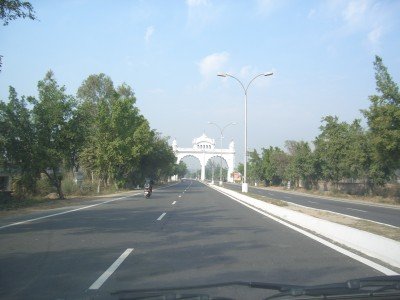
Anandpur Sahib - Chandigarh Highway
Some quick example text to build on the card title and make up the bulk of the card's content.
Go somewhere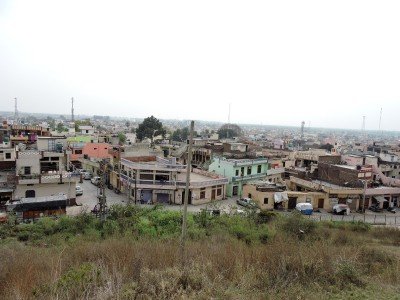
Dhaliwal Farm House Siasatpur
Some quick example text to build on the card title and make up the bulk of the card's content.
Go somewhere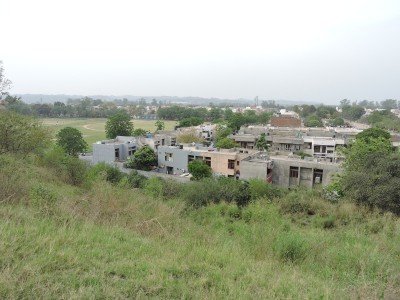
Guru Nanak Sacred Forest
Some quick example text to build on the card title and make up the bulk of the card's content.
Go somewhere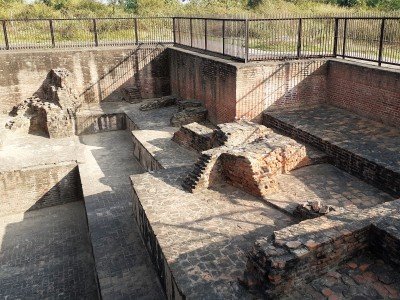
Gurudwara Bhabour Sahib
Some quick example text to build on the card title and make up the bulk of the card's content.
Go somewhere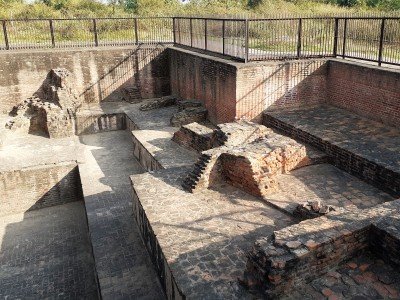
Indus Valley Civilization
Some quick example text to build on the card title and make up the bulk of the card's content.
Go somewhere
Kiratpur Sahib Bridge
Some quick example text to build on the card title and make up the bulk of the card's content.
Go somewhere
Maharaja Ranjit Singh Park
Some quick example text to build on the card title and make up the bulk of the card's content.
Go somewhere
Makbra
Some quick example text to build on the card title and make up the bulk of the card's content.
Go somewhere
Nangal Wildlife Sanctuary
Some quick example text to build on the card title and make up the bulk of the card's content.
Go somewhere
Panj Pyare Khanda Monument
Some quick example text to build on the card title and make up the bulk of the card's content.
Go somewhere
Ramlila Ground
Some quick example text to build on the card title and make up the bulk of the card's content.
Go somewhere
Ropar Head Works Park
Some quick example text to build on the card title and make up the bulk of the card's content.
Go somewhere
Ropar Wetland
Some quick example text to build on the card title and make up the bulk of the card's content.
Go somewhere
Satluj Beach
Some quick example text to build on the card title and make up the bulk of the card's content.
Go somewhere
Syl Crossing
Some quick example text to build on the card title and make up the bulk of the card's content.
Go somewhere
The Kikar Water Front Restaurant
Some quick example text to build on the card title and make up the bulk of the card's content.
Go somewherein Other Cities