Indus Valley Civilization
General information
-
Ideal Duration:
2 HoursPlace Type:
Archaeological Site, Historical LandmarkEntry Fees:
Archaeological Museum Entry: Entry to the actual excavation site is often restricted or is an open, unmanaged area, but the ticketed entry to the Archaeological Museum in Rupnagar is the key. Fees for Indian nationals are typically very low (Rs. 20-30), while the fee for f...Archaeological Museum Entry: Entry to the actual excavation site is often restricted or is an open, unmanaged area, but the ticketed entry to the Archaeological Museum in Rupnagar is the key. Fees for Indian nationals are typically very low (Rs. 20-30), while the fee for foreign tourists is higher (Rs. 200-300).
Photography Fees: Sometimes, a separate, nominal fee (Rs. 25-50) is charged for carrying a camera or for non-commercial photography, which must be paid at the counter.
Free Access for Specific Groups: Children below a certain age and students with valid ID on educational tours often receive free or highly discounted entry, supporting academic interest in the heritage.
Revenue Utilisation: The collected entry fees are primarily used by the Archaeological Survey of India (ASI) for the ongoing conservation, maintenance, security, and research associated with the site and its valuable artifacts, ensuring the preservation of this national treasure.Timing:
Regular Timings: The Archaeological Museum is typically open from 10:00 AM to 5:00 PM (Tuesday to Sunday). It is important to note that the museum, and often the site itself, remains closed on Mondays and on national holidays.
Ideal Visit Time:...Regular Timings: The Archaeological Museum is typically open from 10:00 AM to 5:00 PM (Tuesday to Sunday). It is important to note that the museum, and often the site itself, remains closed on Mondays and on national holidays.
Ideal Visit Time: The best time to visit is in the morning (10:00 AM - 12:00 PM) to avoid the afternoon heat and large school groups. Visiting in the early hours allows for a peaceful, unhurried exploration of the artifacts.
Peak Season Timings: During the peak tourist season of October to March, the museum tends to be more crowded, especially on weekends. It is advisable to arrive right at opening time during these months for the best experience.
Off-Season Timings: In the hot summer months of April to June, a mid-afternoon visit might be quieter, but the outdoor areas can be uncomfortably hot, making the early morning window still the preferred time.Special Events:
Rupnagar Foundation Day Lecture: While not a regular tourist event, the anniversary of the excavation or a related district foundation day in November may feature a commemorative lecture by the Archaeological Survey of India (ASI). These events are focused on new research a...Rupnagar Foundation Day Lecture: While not a regular tourist event, the anniversary of the excavation or a related district foundation day in November may feature a commemorative lecture by the Archaeological Survey of India (ASI). These events are focused on new research and are an intellectual highlight.
Vaisakhi in Rupnagar: The spring festival of Vaisakhi (usually April) sees a surge of visitors to the nearby Sikh shrines, and the entire city, including areas around the old town, participates in local processions and fairs, offering a vibrant cultural contrast to the ancient ruins.
Local School Heritage Tours: During the academic year, the site and museum are often the focus of heritage tours for local students. Observing these tours gives an insight into how Rupnagar’s rich history is being taught to the next generation, a cultural event in itself.Best Photo Spots:
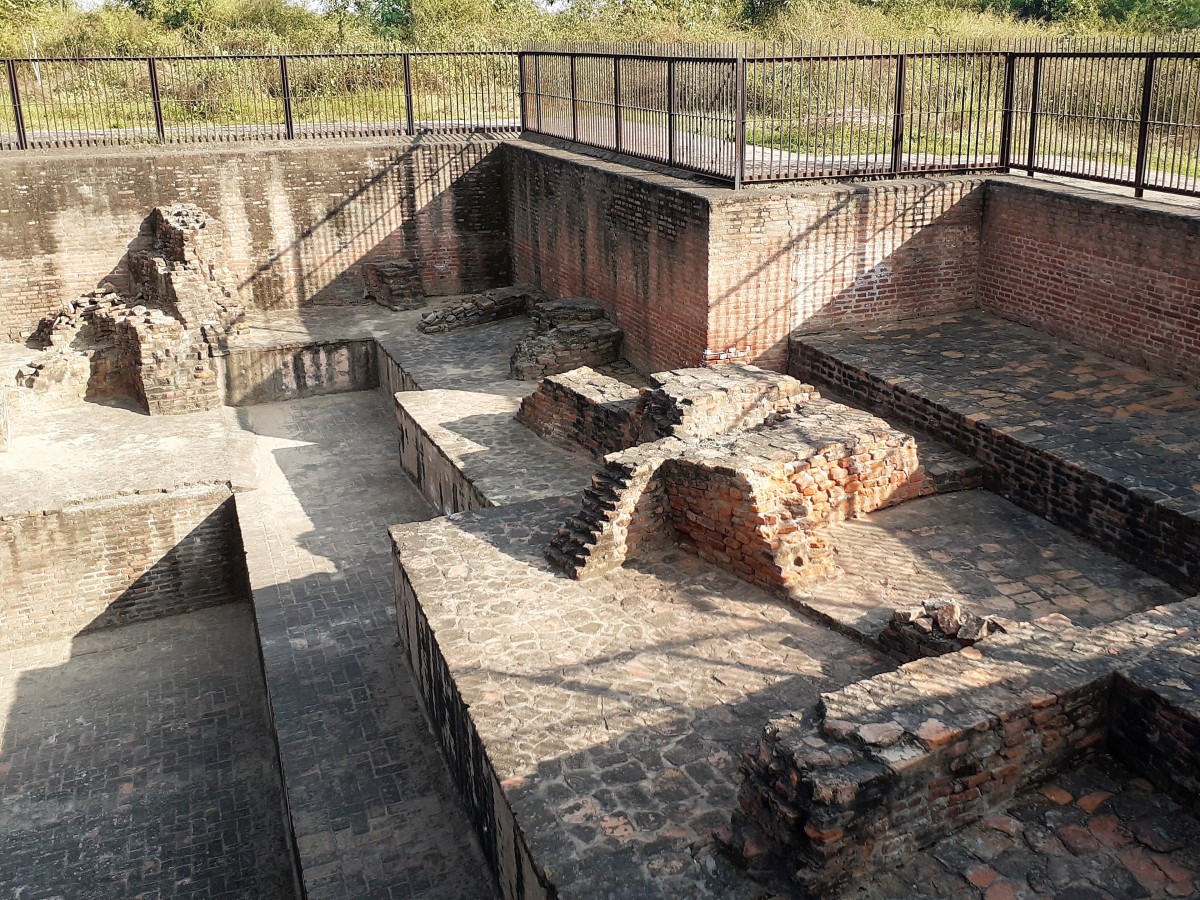
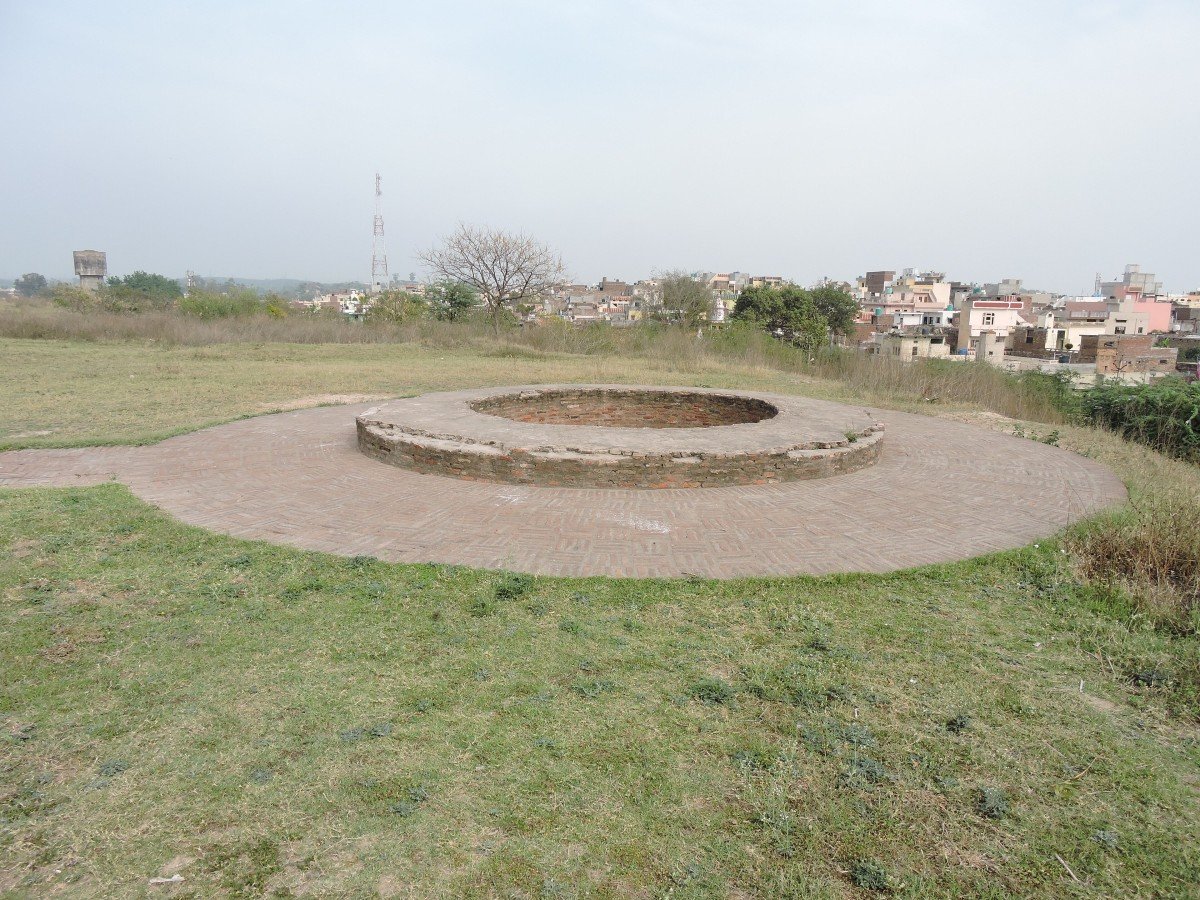
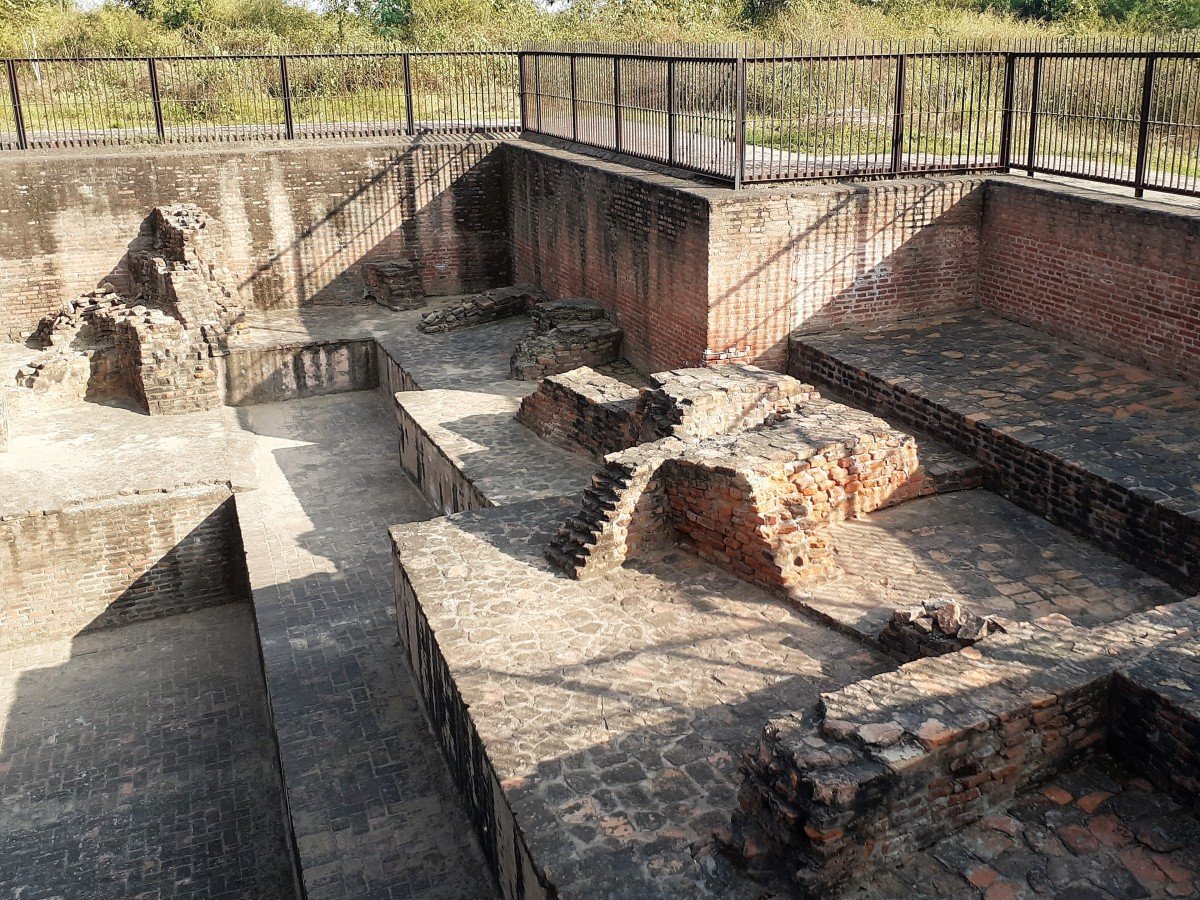
The Stratigraphic Cut: The preserved cross-section of the ancient mound showing the different colored soil layers that represent the six cultural periods is the most scientifically valuable and visually dramatic photo spot. It’s a perfect shot to illustrate the depth of h...The Stratigraphic Cut: The preserved cross-section of the ancient mound showing the different colored soil layers that represent the six cultural periods is the most scientifically valuable and visually dramatic photo spot. It’s a perfect shot to illustrate the depth of history.
The Famous Burial Reconstructed Model: Inside the museum, the display or reconstructed model of the dog buried beneath the human is an iconic subject for a historical photograph, capturing the essence of the site's most important discovery.
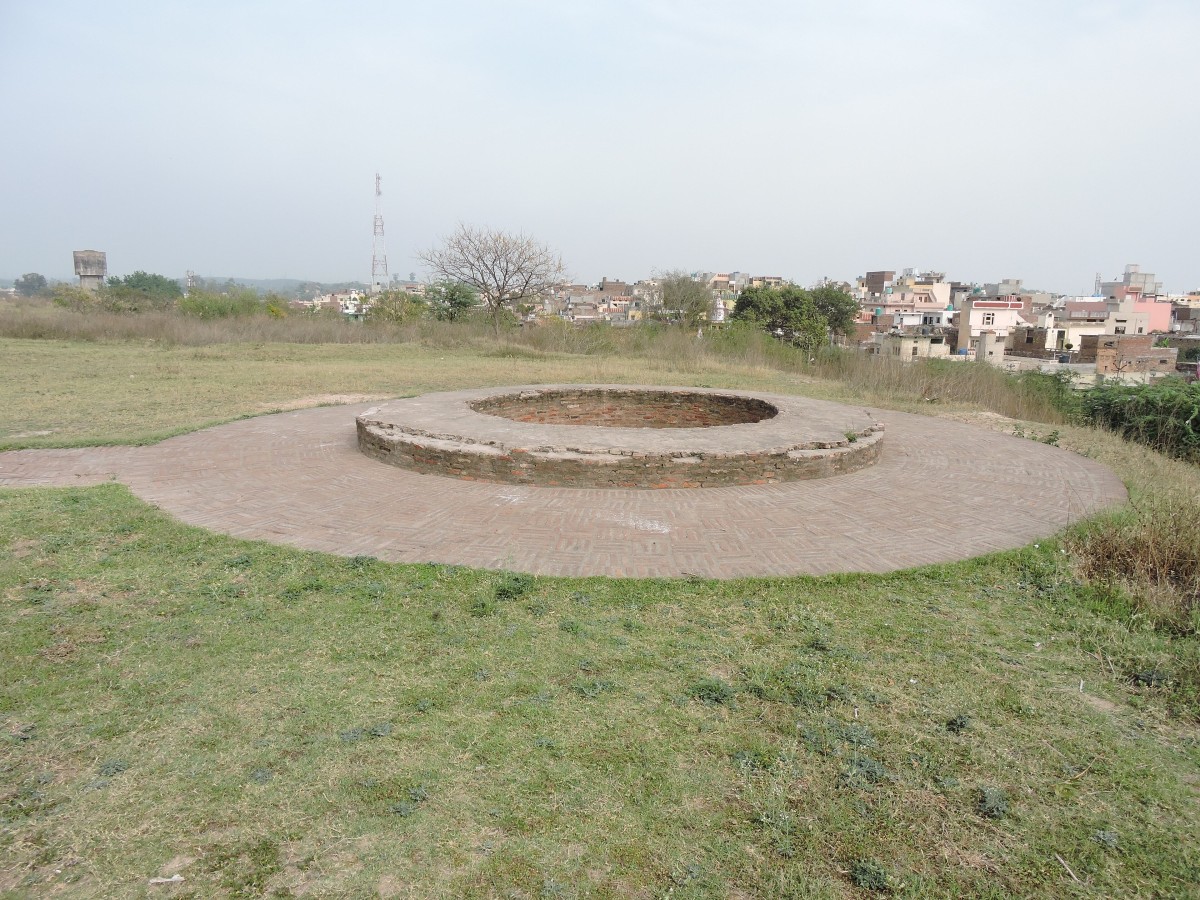
Panoramic View from the Mound Top: Standing on the highest accessible point of the main mound offers a panoramic shot of the surrounding plain, the modern city of Rupnagar, and the Sutlej River flowing by, symbolically bridging the ancient and contemporary landscape.
Artifact Close-ups: The display cases featuring the delicate faience beads, copper tools, and terracotta bangles allow for excellent close-up photography (check museum rules on flash). These shots highlight the intricate craftsmanship of the Harappan people.Photo Gallery
Things To Do
-
Guided Walk Through History: Rupnagar Museum is the primary activity. Hire a knowledgeable local guide to walk you through the museum's galleries where the artifacts excavated from the Ropar site are displayed. Focus on the pottery, seals, and the famous burial exhibit.
Educational Photography and Sketching: Spend time in the excavation site area (which is often protected and may have limited access) and at the museum. The terracotta figurines and the reconstructed burial models offer excellent subjects for educational photography or detailed sketching, allowing you to appreciate the craftsmanship of the ancient people.
Reading and Research in the Library: The Archaeological Museum usually has a small reference library or reading corner. Dedicate an afternoon to reading academic papers or boo...Guided Walk Through History: Rupnagar Museum is the primary activity. Hire a knowledgeable local guide to walk you through the museum's galleries where the artifacts excavated from the Ropar site are displayed. Focus on the pottery, seals, and the famous burial exhibit.
Educational Photography and Sketching: Spend time in the excavation site area (which is often protected and may have limited access) and at the museum. The terracotta figurines and the reconstructed burial models offer excellent subjects for educational photography or detailed sketching, allowing you to appreciate the craftsmanship of the ancient people.
Reading and Research in the Library: The Archaeological Museum usually has a small reference library or reading corner. Dedicate an afternoon to reading academic papers or books about the Ropar excavations and the wider Indus Valley Civilization, immersing yourself in the context of the history you just witnessed.
Connecting with the Sutlej River Landscape: Walk along the nearby banks of the Sutlej River where it emerges into the plains. This helps visualize the strategic importance of the river for the Harappan settlement, which was primarily a riverine civilization. The natural landscape is the original setting for this ancient city.
Attending a Local Lecture Series: Occasionally, local universities or the museum host public lectures on regional history and archaeology. Checking with the museum for any upcoming talks, especially in the winter months, can provide a deeper academic context and a unique cultural activity.
Shopping for Historical Books and Replicas: Look for government-approved shops or museum counters selling high-quality books, postcards, and authorized replicas of Indus Valley artifacts. This is a meaningful way to take a piece of the history home and support the local heritage initiatives.
Visiting the Nearby Ropar Head Works Park: Combine the archaeological visit with a trip to the Ropar Head Works Park and Wetland. This offers a modern perspective on how the Sutlej River continues to be harnessed and managed, creating a striking contrast between ancient and modern human-water interaction.
Information
-
Why Famous:
Pivotal Archaeological Discovery: Ropar is famous as the site of the first post-independence Indus Valley Civilization excavation in India in 1953, which was crucial in defining the geographical scope of the Harappan culture in the eastern regions. This single fact establis...Pivotal Archaeological Discovery: Ropar is famous as the site of the first post-independence Indus Valley Civilization excavation in India in 1953, which was crucial in defining the geographical scope of the Harappan culture in the eastern regions. This single fact established Rupnagar on the global map of ancient history.
Unique Burial Evidence: The site gained international fame for the unique discovery of a dog buried beneath a human, which is a rare find providing deep insight into the funerary rites and the possible close relationship between humans and domesticated animals, potentially signifying a ritualistic sacrifice or an act of deep companionship. This discovery is a central point of research and discussion.
Witnessing Cultural Stratigraphy: The excavated mound itself is a visible testament to the continuity and breaks in civilization, showcasing layers that stretch from the mature Harappan period through to the Kushana, Gupta, and medieval eras. This clear sequence of six cultural periods makes it an invaluable site for scholars studying the chronological history of the Punjab region. -
Architecture:
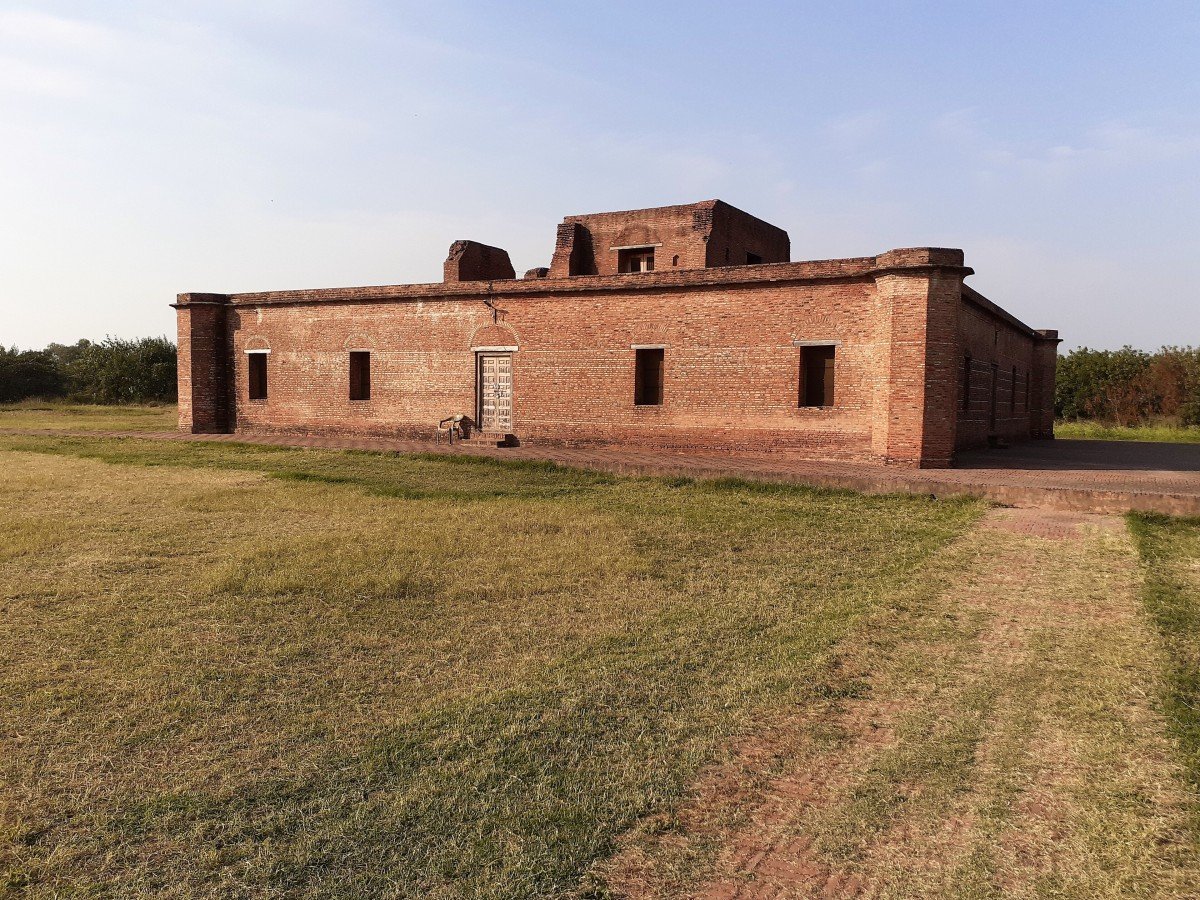
Harappan Era Structural Details: The structures at the Ropar site, primarily residential and funerary, showcase the adaptive Harappan architectural style. The construction primarily utilized locally sourced materials. Sun-baked bricks were commonly used for foundations, pr...Harappan Era Structural Details: The structures at the Ropar site, primarily residential and funerary, showcase the adaptive Harappan architectural style. The construction primarily utilized locally sourced materials. Sun-baked bricks were commonly used for foundations, providing stability, and were often coated with a thick, sticky layer of clay for added protection and insulation. River pebbles and quarried limestone slabs were also integral to the construction of walls and basic dwelling units, reflecting a pragmatic and localized approach compared to the uniform burnt brick usage seen at major sites like Mohenjo-daro.
Burial Architecture: The necropolis area, located in the northwest section of the site, is of particular architectural interest. Graves were typically found in oval pits, though one notable find involved a rectangular mud-brick chamber indicating potential social or ritualistic differentiation. Dimension of the burial pits varied, generally measuring sufficient space for an extended human body and associated burial goods. The inclusion of grave commodities like pottery (up to 20 different styles), ornaments, and tools suggests a belief system involving an afterlife and possibly status distinction. The architectural style here is marked by simplicity and functionality, focusing on stability and use of indigenous materials.
Post-Harappan Phases: Subsequent cultural layers reveal a shift in building materials and techniques. The site shows phases of painted grey ware culture and later periods, where the architecture transitions from the earlier precise Harappan planning to more varied, less standardized structures, ultimately culminating in medieval fortifications, which themselves were built with a mix of rubble and smaller bricks, illustrating the architectural evolution over millennia on the same mound. -
How To Reach:
By Air: The nearest major airport is Chandigarh International Airport (IXC), which is approximately 60 KM from Rupnagar. From the airport, one can hire a pre-paid taxi or a ride-share service, which will take about 1. 5 to 2 hours to reach the museum/site in Rupnagar. IXC ...By Air: The nearest major airport is Chandigarh International Airport (IXC), which is approximately 60 KM from Rupnagar. From the airport, one can hire a pre-paid taxi or a ride-share service, which will take about 1. 5 to 2 hours to reach the museum/site in Rupnagar. IXC has good connectivity to major Indian cities like Delhi, Mumbai, and Bengaluru.
By Train: Rupnagar has its own railway station, Rupnagar Railway Station (RPAR). It is well-connected to major cities in Punjab and Himachal Pradesh. For long-distance travelers, the best option is to take a train to Chandigarh Railway Station (CDG) or Ludhiana Junction (LDH) and then take a connecting local train or bus to Rupnagar. The site is only a short distance (1-2 KM) from the local railway station.
By Road: Rupnagar is easily accessible via National Highway 503 (NH503) and the Chandigarh-Rupnagar highway. The city has excellent bus connectivity. State-run buses (PEPSU, Punjab Roadways) run frequently from Chandigarh (ISBT-43), Mohali, and Ludhiana. The excavation site is located within the old town area, easily reachable from the main bus stand by an auto-rickshaw.
By Local Transport: Once in Rupnagar, local transport like auto-rickshaws, cycle-rickshaws, and electric rickshaws (e-rickshaws) are the most convenient way to reach the site from the railway station or bus stand. The cost is minimal, and the journey is short due to the site's central location. -
Weather and Best Time to Visit:
Winter Season (October to March): This is the best time to visit the Ropar excavation site. The weather is cool and pleasant, with average temperatures ranging from 5°C to 20°C. The clear skies are ideal for walking around the outdoor site and exploring the artifacts wit...Winter Season (October to March): This is the best time to visit the Ropar excavation site. The weather is cool and pleasant, with average temperatures ranging from 5°C to 20°C. The clear skies are ideal for walking around the outdoor site and exploring the artifacts without the intense heat.
Summer Season (April to June): The summer is extremely hot, with temperatures soaring past 40°C. Visits during this time are highly discouraged, except for the indoor museum component. If you must visit, restrict your timing to the very early morning or late afternoon to avoid the sun's peak intensity.
Monsoon Season (July to September): The monsoon brings heavy to moderate rainfall. While the temperatures drop, the humidity is high, and the outdoor site can become muddy and slippery, making exploration difficult. However, the rain can make the surrounding area lush and green.
Different Parts of the Day: The Ideal Visit Time is the Morning (10:00 AM to 1:00 PM) during the winter months. The lighting is excellent for photography, and the cool air makes the outdoor portion manageable before the museum closes for the day. -
Near Tourist Places:
Rupnagar Archaeological Museum (Adjacent to the site): <0. 1 KM Ropar Head Works Park (Modern use of the Sutlej River): 2.
5 KM Ropar Wetland / Ropar Lake (A Ramsar site): 4 KM Maharaja Ranjit Singh Park (Site of Ropar Treaty): 2.
5 KM Gurudwara Tibbi Sahib (Banks of Sutlej River):
3 KM Gurdwara Bhatha Sahib (Kotla Nihang village):
5 KM Anandpur Sahib (Birthplace of the Khalsa):
40 KM Virasat-e-Khalsa (Anandpur Sahib):
40 KM Takhat Sri Kesgarh Sahib (Anandpur Sahib):
40 KM Nangal Dam (Bhakra Nangal Project): 60 KM
Tourism Tips
-
Health & Safety: Wear comfortable walking shoes as the ground at the excavation site and the museum can be uneven. Carry a water bottle at all times, especially if visiting between March and October. Be mindful of the sun; use a hat and sunscreen.
Read MoreHealth & Safety: Wear comfortable walking shoes as the ground at the excavation site and the museum can be uneven. Carry a water bottle at all times, especially if visiting between March and October. Be mindful of the sun; use a hat and sunscreen.
Packing: Carry a small notebook and pen to take notes on the six cultural periods and key artifacts. If you plan to sketch, bring appropriate materials. Due to the sensitive nature of the site, avoid carrying large bags; a small day pack is sufficient.
Accommodation: Accommodation can be found in Rupnagar town, ranging from budget guesthouses to mid-range hotels. For higher-end or chain hotels, it is recommended to stay in nearby Chandigarh or Mohali (60 KM away) and make a day trip to Rupnagar.
Respect Local Guidelines: The site is protected by the Archaeological Survey of India (ASI). Do not touch, climb on, or disturb any remnants. Follow the instructions of the museum and security staff strictly. Photography is usually allowed but confirm any specific restrictions.
Pre-Visit Research: Read up on the Indus Valley Civilization and the specific discoveries at Ropar before your visit. This will greatly enhance your understanding and appreciation of the artifacts and the site's significance.Reviews
FAQs
Rupnagar Itineray And Cost:-
Indus Valley Civilization Tourism:-
Other Places In Rupnagar :-
Other States In India :-
Information about New and Updated Locations() of Punjab Has Been Added :-
Card subtitle
Note:-
Information provided here in good Faith and for reference only.
Near Places
Anandpur Sahib - Chandigarh Highway
Some quick example text to build on the card title and make up the bulk of the card's content.
Go somewhere
Dhaliwal Farm House Siasatpur
Some quick example text to build on the card title and make up the bulk of the card's content.
Go somewhere
Guru Nanak Sacred Forest
Some quick example text to build on the card title and make up the bulk of the card's content.
Go somewhere
Gurudwara Bhabour Sahib
Some quick example text to build on the card title and make up the bulk of the card's content.
Go somewhere
Indus Valley Civilization
Some quick example text to build on the card title and make up the bulk of the card's content.
Go somewhere
Kiratpur Sahib Bridge
Some quick example text to build on the card title and make up the bulk of the card's content.
Go somewhere
Maharaja Ranjit Singh Park
Some quick example text to build on the card title and make up the bulk of the card's content.
Go somewhere
Makbra
Some quick example text to build on the card title and make up the bulk of the card's content.
Go somewhere
Nangal Wildlife Sanctuary
Some quick example text to build on the card title and make up the bulk of the card's content.
Go somewhere
Panj Pyare Khanda Monument
Some quick example text to build on the card title and make up the bulk of the card's content.
Go somewhere
Ramlila Ground
Some quick example text to build on the card title and make up the bulk of the card's content.
Go somewhere
Ropar Head Works Park
Some quick example text to build on the card title and make up the bulk of the card's content.
Go somewhere
Ropar Wetland
Some quick example text to build on the card title and make up the bulk of the card's content.
Go somewhere
Satluj Beach
Some quick example text to build on the card title and make up the bulk of the card's content.
Go somewhere
Syl Crossing
Some quick example text to build on the card title and make up the bulk of the card's content.
Go somewhere
The Kikar Water Front Restaurant
Some quick example text to build on the card title and make up the bulk of the card's content.
Go somewherein Other Cities