

Panj Pyare Khanda Monument
General information
-
Ideal Duration:
30 MinutesPlace Type:
Religious Monument, Historical Landmark, Sikh HeriEntry Fees:
General Access: As a public religious monument located on a main road, there is absolutely no entry fee to visit the Panj Pyare Khanda Monument. It is freely accessible to all people of all faiths.
Parking/Road Use: There is usually no char...General Access: As a public religious monument located on a main road, there is absolutely no entry fee to visit the Panj Pyare Khanda Monument. It is freely accessible to all people of all faiths.
Parking/Road Use: There is usually no charge for briefly stopping or parking alongside the main road to visit the monument. Visitors are, however, advised to park safely and not obstruct the flow of traffic, as it is a major thoroughfare.
Donations/Offerings: Visitors may voluntarily choose to place an offering (Chadhava) in a designated box or Golak near the monument, which goes towards the maintenance and upkeep of the monument and related community services.
Promoting Accessibility: The lack of entry fees promotes the accessibility of this vital historical symbol, ensuring that anyone traveling through Rupnagar can pay their respects and reflect on the foundation of the Khalsa.Timing:
Regular Timings: As a large, open-air public monument, it is essentially accessible 24 hours a day. It is generally safe to visit from sunrise to around 9:00 PM to allow for sufficient light and security.
Ideal Visit Time: The best time to ...Regular Timings: As a large, open-air public monument, it is essentially accessible 24 hours a day. It is generally safe to visit from sunrise to around 9:00 PM to allow for sufficient light and security.
Ideal Visit Time: The best time to visit is the Late Afternoon (4:30 PM - 6:00 PM). The light is excellent for photography, and the environment is typically calm before the monument lights up for the evening. The transition to the illuminated state is very scenic.
Religious Hour Preference: During key religious festivals, the monument is most active in the early morning and the late evening (often after 8:00 PM) when local people come for devotional visits or to witness the beautiful lighting.
Traffic Considerations: Since it is on a main road, mid-day visits (especially during peak traffic hours) can be noisy and less contemplative. Early morning is best for a quiet, reflective experience.Special Events:
Vaisakhi Celebrations: The most significant event is the annual Vaisakhi festival (usually in April), the day the Khalsa was founded. The monument becomes a central point for large gatherings, Nagar Kirtans, and religious Diwans (congregations), with the entire area buzzing...Vaisakhi Celebrations: The most significant event is the annual Vaisakhi festival (usually in April), the day the Khalsa was founded. The monument becomes a central point for large gatherings, Nagar Kirtans, and religious Diwans (congregations), with the entire area buzzing with activity.
Gurpurabs: The birth anniversaries of the Gurus (Gurpurabs), especially that of Guru Gobind Singh Ji (usually December or January), see the monument illuminated and decorated, with special evening Path (recitations) and devotional activities.
Local Community Service Day: Local Gurdwaras may use the monument as a starting point for organized Seva (community service) days, such as blood donation camps or cleanliness drives, especially on weekends during the cold weather months.Best Photo Spots:
The Monument's Full Verticality: A low-angle, wide shot of the monument captures its impressive height and scale, emphasizing the power of the towering Khanda against the sky.
Symmetry of the Plinth: A frontal, centered shot highlighting the...The Monument's Full Verticality: A low-angle, wide shot of the monument captures its impressive height and scale, emphasizing the power of the towering Khanda against the sky.
Symmetry of the Plinth: A frontal, centered shot highlighting the symmetry and the five symbolic layers or steps of the monument's base creates an architecturally clean and meaningful image.
The Khanda's Texture Close-up: A telephoto close-up of the stainless steel or bronze Khanda captures the sharp, reflective surfaces and the intricate symbolic elements like the Chakar (circle) and the two Kirpans (swords).
Illuminated Night Shot: If visiting in the evening, a long-exposure photograph of the monument lit up against the dark sky is a dramatically beautiful and spiritually uplifting photo opportunity.Photo Gallery
Things To Do
-
Paying Respects and Offering Prayers: The primary activity is to pause, offer a moment of silence or prayer, and pay your respects to the Panj Pyare and the values of the Khalsa. It is a place for spiritual contemplation.
Educational Photography of the Khanda: Focus your photography on capturing the sheer scale and the symbolic details of the Khanda and the inscriptions on the plinth. Use different angles to capture its monumentality.
Observing the Local Nagar Kirtan: If your visit coincides with a major Sikh festival like Vaisakhi (April) or Gurpurab, you may witness the Nagar Kirtan (religious procession) passing or starting from the monument, which is a vibrant, immersive cultural activity.
Taking a Historical Break: Use the open, clean area around the monum...Paying Respects and Offering Prayers: The primary activity is to pause, offer a moment of silence or prayer, and pay your respects to the Panj Pyare and the values of the Khalsa. It is a place for spiritual contemplation.
Educational Photography of the Khanda: Focus your photography on capturing the sheer scale and the symbolic details of the Khanda and the inscriptions on the plinth. Use different angles to capture its monumentality.
Observing the Local Nagar Kirtan: If your visit coincides with a major Sikh festival like Vaisakhi (April) or Gurpurab, you may witness the Nagar Kirtan (religious procession) passing or starting from the monument, which is a vibrant, immersive cultural activity.
Taking a Historical Break: Use the open, clean area around the monument as a quick rest stop while traveling to Anandpur Sahib. Reflect on the historical context of your journey as you continue towards the holy city.
Studying Sikh Symbolism: Spend time understanding the complex symbolism of the Khanda (the double-edged sword, chakra, and two outer swords - Miri and Piri). The monument is a physical representation of this deep theological concept.
Connecting with Fellow Travelers: As a common stop on the pilgrimage route, the monument is a good place to interact with fellow Sikh travelers and learn about their journey and faith, offering a unique opportunity for cultural exchange.
Combining with the Main Road Gurudwara: There is often a smaller, local Gurudwara Sahib near major monuments. A quick visit there can provide a more intimate understanding of local worship practices compared to the grand scale of the monument itself.
Information
-
Why Famous:
Honoring the Khalsa Foundation: The monument is famous as a powerful regional tribute to the Panj Pyare, the cornerstones of the Khalsa Panth. It stands as a reminder of the sacrifice and revolutionary spirit instilled by Guru Gobind Singh Ji in 1699.
Read MoreHonoring the Khalsa Foundation: The monument is famous as a powerful regional tribute to the Panj Pyare, the cornerstones of the Khalsa Panth. It stands as a reminder of the sacrifice and revolutionary spirit instilled by Guru Gobind Singh Ji in 1699.
Landmark and Gateway: Situated on the road that leads to Anandpur Sahib, it serves as an unofficial gateway to the holy region, signaling to travelers that they are entering an area of immense Sikh historical and religious importance. Its towering height and distinctive Khanda symbol make it an unmissable landmark in the Rupnagar area.
Modern Architectural Icon: The monument is a significant piece of modern Punjabi public art and commemorative architecture. Its contemporary design and impressive scale reflect the pride and prosperity of the modern Sikh community, making it a famous symbol of community identity.Architecture:
Monumental Design and Materials: The central structure of the monument is a massive representation of the Khanda, a double-edged sword that is the main symbol of Sikhism. This icon is typically fabricated from stainless steel or bronze and is mounted atop a tall, multi-tier...Monumental Design and Materials: The central structure of the monument is a massive representation of the Khanda, a double-edged sword that is the main symbol of Sikhism. This icon is typically fabricated from stainless steel or bronze and is mounted atop a tall, multi-tiered plinth or pylon. The pylon itself is constructed from reinforced concrete and often clad in white or yellow marble or sandstone, reflecting the color palette of contemporary Sikh religious architecture.
Dimension and Scale: The monument is designed for imposing scale. The height of the Khanda symbol alone can be around 5 to 8 meters, and the total height from the base of the plinth to the top of the Khanda can easily reach 15 to 20 meters. The plinth or base often features five steps or five distinct sections, symbolically representing the Panj Pyare. The base of the monument can be a square platform of approximately 10 meters x 10 meters.
Inscriptions and Detailing: The plinth or surrounding wall usually features inscriptions in Gurmukhi (Punjabi script), detailing the names of the Panj Pyare (Bhai Daya Singh, Bhai Dharam Singh, Bhai Himmat Singh, Bhai Muhkam Singh, and Bhai Sahib Singh) and a brief description of the Khalsa foundation. The architectural detail is clean, modern, and symbolic, focusing on the power of the Khanda as a motif.How To Reach:
By Air: The nearest major airport is Chandigarh International Airport (IXC), approximately 60 KM from the monument. From IXC, a pre-paid taxi will reach the location in about 1. 5 hours via the Chandigarh-Rupnagar highway.
By Train: Rupnaga...By Air: The nearest major airport is Chandigarh International Airport (IXC), approximately 60 KM from the monument. From IXC, a pre-paid taxi will reach the location in about 1. 5 hours via the Chandigarh-Rupnagar highway.
By Train: Rupnagar Railway Station (RPAR) is the nearest station, about 3 KM away. It is a very quick and easy auto-rickshaw ride from the station towards the main Anandpur Sahib road.
By Road: The monument is located directly on the major road leading from Rupnagar to Anandpur Sahib (NH503). State-run and private buses regularly ply this route. Travelers can request to be dropped off directly at the monument, which is a prominent landmark.
By Local Transport: Local auto-rickshaws are the most common and convenient way to reach the monument from the Rupnagar city center. Since it is located on a busy road, finding return transport is usually easy. Ensure you negotiate the fare before starting the journey.Weather and Best Time to Visit:
Winter Season (October to March): The best time to visit. The pleasant weather allows for a comfortable stopover, reflection, and photography. The clear winter skies also make the towering Khanda stand out beautifully.
Summer Season (April to ...Winter Season (October to March): The best time to visit. The pleasant weather allows for a comfortable stopover, reflection, and photography. The clear winter skies also make the towering Khanda stand out beautifully.
Summer Season (April to June): Very hot, making prolonged stops uncomfortable. Visits are highly recommended only in the very early morning or after sunset to avoid the scorching sun. Carry water and wear light, protective clothing.
Monsoon Season (July to September): The rain often makes the surrounding area muddy, but the monument itself looks majestic against the dramatic monsoon clouds. A visit on a clear day after the rain is ideal.
Different Parts of the Day: The Ideal Visit Time is the Late Afternoon or Evening (5:00 PM - 8:00 PM). This provides a good mix of historical contemplation in the daylight, followed by the impressive view of the beautifully illuminated monument after dusk.Near Tourist Places:
Gurdwara Bhatha Sahib (Kotla Nihang):
5 KM Rupnagar Fort (Ruins/Historical):
4 KM Rupar Head Works Park (River Control):
4 KM Makbra (Haveli Khurd):
4 KM Indus Valley Civilization Site (Gugga Mari):
3 KM Takhat Sri Kesgarh Sahib (Anandpur Sahib):
37 KM Virasat-e-Khalsa (Anandpur Sahib): 37 KM Gurdwara Parivar Vichhora Sahib (Nangal Sirsa):
15 KM Jateshwar Mahadev Temple (Jatwahr):
10 KM Kiratpur Sahib (Religious Town): 25 KMTourism Tips
-
Health & Safety: Be extremely cautious of road traffic when pulling over or walking around the monument, as it is located on a busy highway. Park safely and use designated pedestrian areas if available. Carry a cap and sunglasses, as the reflective Khanda can be very brigh...Health & Safety: Be extremely cautious of road traffic when pulling over or walking around the monument, as it is located on a busy highway. Park safely and use designated pedestrian areas if available. Carry a cap and sunglasses, as the reflective Khanda can be very bright during the day.
Packing: Bring a telephoto lens to capture the intricate detailing of the Khanda from a distance, without needing to walk into traffic. Dress respectfully, as it is a highly revered religious and historical site.
Accommodation: Accommodation is readily available in Rupnagar town center. For those on a religious circuit, staying in the Sarais (lodges) associated with the Gurdwara in Anandpur Sahib is an option after the visit.
Respect and Conduct: This is a holy site. Maintain silence, avoid loud conversations, and refrain from eating or drinking immediately next to the plinth. If you are non-Sikh, please cover your head completely out of respect for the Khalsa faith.
Reviews
FAQs
Rupnagar Itineray And Cost:-
Panj Pyare Khanda Monument Tourism:-
Other Places In Rupnagar :-
Other States In India :-
Information about New and Updated Locations() of Punjab Has Been Added :-
Card subtitle
Note:-
Information provided here in good Faith and for reference only.
Near Places
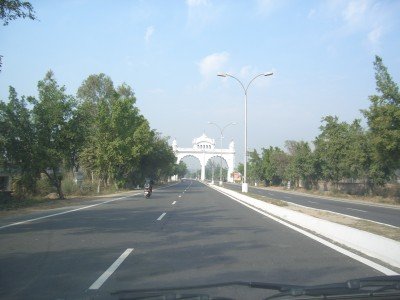
Anandpur Sahib - Chandigarh Highway
Some quick example text to build on the card title and make up the bulk of the card's content.
Go somewhere
Dhaliwal Farm House Siasatpur
Some quick example text to build on the card title and make up the bulk of the card's content.
Go somewhere
Guru Nanak Sacred Forest
Some quick example text to build on the card title and make up the bulk of the card's content.
Go somewhere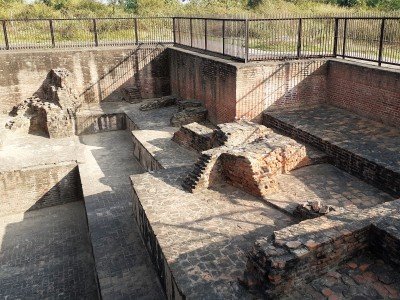
Gurudwara Bhabour Sahib
Some quick example text to build on the card title and make up the bulk of the card's content.
Go somewhere
Indus Valley Civilization
Some quick example text to build on the card title and make up the bulk of the card's content.
Go somewhere
Kiratpur Sahib Bridge
Some quick example text to build on the card title and make up the bulk of the card's content.
Go somewhere
Maharaja Ranjit Singh Park
Some quick example text to build on the card title and make up the bulk of the card's content.
Go somewhere
Makbra
Some quick example text to build on the card title and make up the bulk of the card's content.
Go somewhere
Nangal Wildlife Sanctuary
Some quick example text to build on the card title and make up the bulk of the card's content.
Go somewhere
Panj Pyare Khanda Monument
Some quick example text to build on the card title and make up the bulk of the card's content.
Go somewhere
Ramlila Ground
Some quick example text to build on the card title and make up the bulk of the card's content.
Go somewhere
Ropar Head Works Park
Some quick example text to build on the card title and make up the bulk of the card's content.
Go somewhere
Ropar Wetland
Some quick example text to build on the card title and make up the bulk of the card's content.
Go somewhere
Satluj Beach
Some quick example text to build on the card title and make up the bulk of the card's content.
Go somewhere
Syl Crossing
Some quick example text to build on the card title and make up the bulk of the card's content.
Go somewhere
The Kikar Water Front Restaurant
Some quick example text to build on the card title and make up the bulk of the card's content.
Go somewherein Other Cities