Gurudongmar Lake
General information
-
Ideal Duration:
30-60 Minutes (Mandatory brief stop due to extreme altitude)Place Type:
Sacred Lake, High-Altitude Landmark, Extreme AdvenEntry Fees:
Inner Line Permit (ILP) Cost: The most significant fee is the cost of the mandatory Inner Line Permit (ILP) for North Sikkim, which must specifically include the Gurudongmar Lake route; this is included in the package cost.
No Direct Entry Fee:...Inner Line Permit (ILP) Cost: The most significant fee is the cost of the mandatory Inner Line Permit (ILP) for North Sikkim, which must specifically include the Gurudongmar Lake route; this is included in the package cost.
No Direct Entry Fee: There is No Direct Entry Fee to access the lake.
Vehicle Permit Fee: Mandatory fees for the authorized, high-altitude vehicle (e. g. , Scorpio) are applicable.
Oxygen Support Cost: While not a fee, the cost of carrying a portable oxygen cylinder is an essential part of the necessary expense.
Shrine Donation: A small, voluntary donation can be offered at the shrines for their maintenance.
Foreigner Restriction: Note that foreign nationals are generally Not Permitted to visit this lake and are only allowed up to Chopta Valley. :Timing:
Regular Timings: Strict access is typically from 6:00 AM to 11:00 AM. Tourists must leave the lake area by about 11:30 AM to 12:00 PM to return to lower altitude safely before the weather deteriorates.
Ideal Visit Time: The absolute best ti...Regular Timings: Strict access is typically from 6:00 AM to 11:00 AM. Tourists must leave the lake area by about 11:30 AM to 12:00 PM to return to lower altitude safely before the weather deteriorates.
Ideal Visit Time: The absolute best time is just after sunrise, between 7:00 AM and 9:00 AM, when the light is clearest, the colors are most vivid, and the wind chill is slightly lower than earlier.
Departure Time: The mandatory departure from Lachen for this trip is extremely early, often between 3:00 AM and 4:00 AM.
Altitude Restriction: The brief stay (max 30-60 minutes) is a safety restriction imposed due to the extreme altitude and thin air.
Winter Closure: The road can be entirely closed due to heavy snow from December to February. :Special Events:
No Scheduled Public Events: No major public festival is held here due to the altitude, army restrictions, and extreme cold.
Saga Dawa Observation: Small, spontaneous prayer ceremonies and offerings are often conducted by visiting Buddhist pi...No Scheduled Public Events: No major public festival is held here due to the altitude, army restrictions, and extreme cold.
Saga Dawa Observation: Small, spontaneous prayer ceremonies and offerings are often conducted by visiting Buddhist pilgrims on the day of Saga Dawa (in May/June).
Guru Nanak Jayanti Pilgrimage: Sikh devotees may organize small, private pilgrimages to the Gurudwara/Shrine on the bank during Guru Nanak Jayanti (usually in November).
Individual Pilgrimage Rites: The most common 'event' is the continuous, individual, or family-group performance of traditional prayers, offerings, and collection of the sacred lake water by devotees of both faiths.
Army Day Observation: Occasional small ceremonies by the Indian Army units stationed nearby, reflecting the area's strategic importance, though not a public event. :Best Photo Spots:
The Unfrozen Patch: The most desired photo is of the small, unfrozen turquoise patch of water contrasting with the vast, frozen expanse of the lake in winter.
Lake and Mountain Reflection: Capture the reflection of the massive, snow-capped p...The Unfrozen Patch: The most desired photo is of the small, unfrozen turquoise patch of water contrasting with the vast, frozen expanse of the lake in winter.
Lake and Mountain Reflection: Capture the reflection of the massive, snow-capped peaks (especially Khangchengyao) in the crystal-clear water during the clear morning hours.
Prayer Flag Stupa: The colorful cluster of Buddhist prayer flags and the small shrine/temple on the bank, set against the blue lake and the barren plateau, is an iconic shot.
Panorama of the Cold Desert: A wide-angle shot of the entire high plateau, showing the lake, the surrounding saffron-colored earth, and the colossal scale of the Himalayas.
The Road to Eternity: Capture the single, winding, rough road leading toward the lake as a symbol of the difficult but rewarding journey. :Photo Gallery
Things To Do
-
Spiritual Offering/Prayer: Offer prayers at the small shrines/stupa on the bank, reflecting the site's importance to multiple faiths, and turn the prayer wheels.
Photography of the Lake: Capture the iconic view of the lake's blue water/ice against the backdrop of the snow-covered peaks, focusing on the contrast of the unfrozen section.
Circumambulation (Kora): Walk slowly and reverently around the accessible parts of the lake (always clockwise, Kora), which is a common spiritual practice for Buddhists and is highly challenging due to the altitude.
Sip Holy Water: Collect or sip the supposedly holy and healing water from the unfrozen section (if safely accessible).
Acclimatization Check: Use the brief stop to carefully monitor you...Spiritual Offering/Prayer: Offer prayers at the small shrines/stupa on the bank, reflecting the site's importance to multiple faiths, and turn the prayer wheels.
Photography of the Lake: Capture the iconic view of the lake's blue water/ice against the backdrop of the snow-covered peaks, focusing on the contrast of the unfrozen section.
Circumambulation (Kora): Walk slowly and reverently around the accessible parts of the lake (always clockwise, Kora), which is a common spiritual practice for Buddhists and is highly challenging due to the altitude.
Sip Holy Water: Collect or sip the supposedly holy and healing water from the unfrozen section (if safely accessible).
Acclimatization Check: Use the brief stop to carefully monitor your body's reaction to the extreme altitude, minimizing any exertion.
Enjoy the Silence: Take a moment of quiet contemplation to appreciate the profound silence and the raw beauty of the high-altitude desert.
Visit the Sarva Dharma Sthal: Spend a brief moment at the small temple/shrine dedicated to all faiths on the lake's edge.
Look for Geological Features: Observe the moraine deposits, glacial erratic rocks, and the stark geography of the high plateau.
Interaction with Army Personnel: Offer greetings and thanks to the Indian Army personnel stationed there, who maintain the area's security and help tourists. :
Information
-
Why Famous:
One of the Highest Lakes: Famous for its extreme altitude (17,100 ft), making it one of the highest accessible lakes in the world, a truly challenging and rare geographical location.
Sacred to Dual Faiths: It is highly famous and revered by ...One of the Highest Lakes: Famous for its extreme altitude (17,100 ft), making it one of the highest accessible lakes in the world, a truly challenging and rare geographical location.
Sacred to Dual Faiths: It is highly famous and revered by both Buddhists (linked to Guru Padmasambhava) and Sikhs (linked to Guru Nanak Dev Ji), making it a site of inter-faith pilgrimage and deep spiritual significance.
The Unfrozen Section: The legend of the small section of the lake that miraculously never freezes, despite the brutal winter temperatures, is its most iconic and famous feature.
Stark Natural Beauty: The desolate, cold-desert landscape and the breathtaking view of the turquoise water against the massive, pristine snow-capped peaks of the Khangchengyao range are world-famous for their sheer, raw, overwhelming beauty.
Strategic Location: Its proximity to the Indo-Tibetan border adds to its mystique and makes the entire journey a highly controlled, high-stakes adventure. : -
Architecture:
Natural Formation Architecture: This is a vast, natural, high-altitude lake.
Lake Dimension and Type: It is a large, moraine-dammed, glacial lake with a surface elevation of approximately 17,100 feet (5210 meters), covering a significant are...Natural Formation Architecture: This is a vast, natural, high-altitude lake.
Lake Dimension and Type: It is a large, moraine-dammed, glacial lake with a surface elevation of approximately 17,100 feet (5210 meters), covering a significant area (approx. 118 hectares or 290 acres).
Mountain Wall: The structural grandeur is defined by the colossal Himalayan peaks forming a protective, massive, and natural wall around the lake basin.
Shrines and Stupas: The man-made structures are minimal and purely religious: a small, colorful Buddhist shrine (Sarva Dharma Sthal or Lhakhang) and a simple, traditional, often contested, Gurudwara, along with small Chortens (Stupas) and prayer flag installations near the shore.
Water and Ice Structure: The 'architecture' is the seasonal structure of the water itself: completely frozen ice from November to May contrasting with the liquid, deep-blue water of the unfrozen, sacred section throughout the year, a phenomenon central to its fame.
Barren Plateau: The surrounding saffron-colored, treeless, cold-desert plateau forms a vast, natural stage for the lake's dramatic presence. : -
How To Reach:
By Air: Nearest airport is Pakyong Airport (PYG) (approx. 160 KMS to Lachen), or Bagdogra Airport (IXB) (approx. 200 KMS to Lachen). From the airport, travel to Gangtok, secure permits, and then proceed to Lachen (the mandatory base camp).
By...By Air: Nearest airport is Pakyong Airport (PYG) (approx. 160 KMS to Lachen), or Bagdogra Airport (IXB) (approx. 200 KMS to Lachen). From the airport, travel to Gangtok, secure permits, and then proceed to Lachen (the mandatory base camp).
By Train: Nearest major railway station is New Jalpaiguri (NJP) (approx. 180 KMS to Lachen). From NJP, take a taxi to Gangtok, secure permits, and travel to Lachen.
By Road: The only way is by a special, authorized, high-clearance 4x4 vehicle from Lachen. The distance is approx. 66 KMS from Lachen, taking about 3-4 hours one-way over extremely rough, gravel, and moraine-filled roads that pass through Thangu and Chopta Valley.
By Local Transport: Only reserved, fully permitted taxis are allowed; no shared local transport operates this extremely restricted, high-altitude route. : -
Weather and Best Time to Visit:
Different Types of Seasons: Autumn (September to November) is the best time for clear, dry weather and unparalleled visibility, despite the intense cold (the peak season). Spring (March to May) is the second-best, offering slightly warmer conditions but potentially more clo...Different Types of Seasons: Autumn (September to November) is the best time for clear, dry weather and unparalleled visibility, despite the intense cold (the peak season). Spring (March to May) is the second-best, offering slightly warmer conditions but potentially more cloud cover. Winter (December to February) is the most challenging, with a completely frozen lake and high risk of road closure and extreme cold. Monsoon (June to August) is the worst time due to rain, road damage, and poor visibility.
Different Parts of the Day: Early Morning (7 AM - 9 AM) is the only practical and safe time to be at the lake. The weather becomes too risky for visitors after 11:00 AM due to increased wind and cloud cover. : -
Near Tourist Places:
Tso Lhamo Lake (Highly Restricted, approx. 10-15 KMS), East Upper Gurudongmar Lake (Restricted, 1-2 KMS), Khangchengyao Peak (Mountain View), Kalapatthar (approx. 20-25 KMS), Chopta Valley (approx. 30-35 KMS), Thangu Valley (approx. 40 KMS), Lachen (Town) (66 KMS), Muguthang Valley (Restricted, nearby), Green Lake Trek (Starting point nearby), Lachen Chu River (Source nearby):
Tourism Tips
-
Health & Safety: Acclimatization is CRITICAL; spend the night in Lachen (9,600 ft). Move extremely slowly at the lake and do not exert yourself. Limit your stay to a maximum of 30-60 minutes. Carry and use a portable oxygen cylinder at the first sign of headache or nause...Health & Safety: Acclimatization is CRITICAL; spend the night in Lachen (9,600 ft). Move extremely slowly at the lake and do not exert yourself. Limit your stay to a maximum of 30-60 minutes. Carry and use a portable oxygen cylinder at the first sign of headache or nausea (AMS).
Packing: Heavy-duty, layered winter wear, including thermals, extreme cold-rated jackets, balaclavas, two pairs of gloves, and waterproof boots, are essential due to the intense wind chill.
Accommodation: No Accommodation is available at or near the lake; the base is Lachen or Thangu.
Other Different Topics heading (Permit & Rule): Always follow the instructions of the army and your driver strictly. The permit must be obtained the day before in Gangtok or Mangan. Foreigners are not allowed to visit Gurudongmar Lake (only up to Chopta Valley). :
Reviews
FAQs
Lachen Itineray And Cost:-
Gurudongmar Lake Tourism:-
Other Places In Lachen :-
Other States In India :-
Information about New and Updated Locations() of Sikkim Has Been Added :-
Card subtitle
Note:-
Information provided here in good Faith and for reference only.
Near Places
Chopta Valley
Some quick example text to build on the card title and make up the bulk of the card's content.
Go somewhere
Dzongu Valley
Some quick example text to build on the card title and make up the bulk of the card's content.
Go somewhere
East Upper Gurudongmar Lake
Some quick example text to build on the card title and make up the bulk of the card's content.
Go somewhere
Green Lake Trek Start Point
Some quick example text to build on the card title and make up the bulk of the card's content.
Go somewhere
Gurudongmar Lake
Some quick example text to build on the card title and make up the bulk of the card's content.
Go somewhere
Hot Springs
Some quick example text to build on the card title and make up the bulk of the card's content.
Go somewhere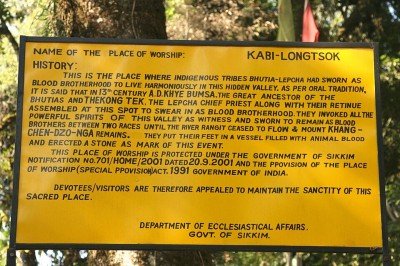
Kabi Longstok
Some quick example text to build on the card title and make up the bulk of the card's content.
Go somewhere
Kalapatthar
Some quick example text to build on the card title and make up the bulk of the card's content.
Go somewhere
Kanchenjunga View Point
Some quick example text to build on the card title and make up the bulk of the card's content.
Go somewhere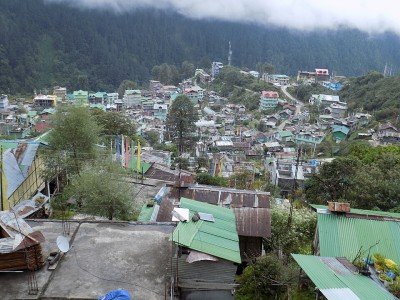
Lachen
Some quick example text to build on the card title and make up the bulk of the card's content.
Go somewhere
Lachen Monastery
Some quick example text to build on the card title and make up the bulk of the card's content.
Go somewhere
Lachen River Bed
Some quick example text to build on the card title and make up the bulk of the card's content.
Go somewhere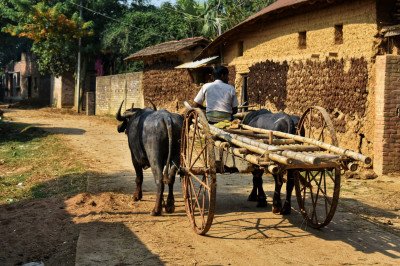
Lachen Village
Some quick example text to build on the card title and make up the bulk of the card's content.
Go somewhere
Lhonak Valley
Some quick example text to build on the card title and make up the bulk of the card's content.
Go somewhere
Muguthang Valley
Some quick example text to build on the card title and make up the bulk of the card's content.
Go somewhere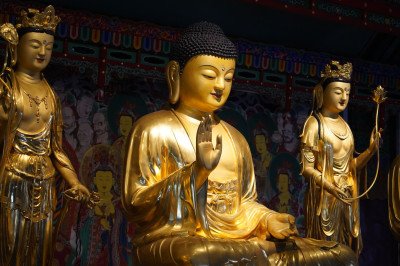
Phodong Monastery
Some quick example text to build on the card title and make up the bulk of the card's content.
Go somewherein Other Cities