
Lachen Monastery
General information
-
Ideal Duration:
1 Hour (For the monastery complex and view)Place Type:
Religious Site, Monastery, Cultural Heritage, ViewEntry Fees:
Inner Line Permit (ILP) Cost: Mandatory ILP for North Sikkim is required, which covers entry into Lachen town.
No Direct Entry Fee: There is No Mandatory Entry Fee to enter the Lachen Monastery complex.
Voluntar...Inner Line Permit (ILP) Cost: Mandatory ILP for North Sikkim is required, which covers entry into Lachen town.
No Direct Entry Fee: There is No Mandatory Entry Fee to enter the Lachen Monastery complex.
Voluntary Donation: A small, voluntary donation to the monastery fund (e. g. , 20-100 INR) is highly encouraged and appreciated for the upkeep of the building and the monastic school.
Butter Lamp Cost: A small fee (e. g. , 5-10 INR per lamp) is charged for purchasing butter lamps for offerings.
Photography Fee: No formal photography fee is charged, but visitors must inquire with a monk if taking photos inside the main prayer hall is permitted.
Guide Fee: The cost of a local guide, if hired, would include the narration of the monastery's history and art. :Timing:
Regular Timings: Typically open from 7:00 AM to 5:00 PM daily for visitors, with the prayer hall sometimes closing for Pooja or specific ritual times.
Ideal Visit Time: Early Morning (7:00 AM - 9:00 AM) is the best time to witness the prayer...Regular Timings: Typically open from 7:00 AM to 5:00 PM daily for visitors, with the prayer hall sometimes closing for Pooja or specific ritual times.
Ideal Visit Time: Early Morning (7:00 AM - 9:00 AM) is the best time to witness the prayers and experience the tranquil atmosphere before the main tourist rush.
Late Afternoon Visit: A late afternoon visit (4:00 PM - 5:00 PM) offers beautiful light for photography and a peaceful ambiance as the sun begins to set.
Prayer Time: The monastery might have a closure period for their private Pooja, so inquire locally upon arrival.
One-Time Visit: The duration is short, so plan to visit on the afternoon of arrival in Lachen or the morning before departure for Gurudongmar. :Special Events:
Monastery Annual Festival: The main annual festival, which features spectacular masked Chaam dances performed by the monks, is the primary special event, usually held around December/January (check the Tibetan Lunar Calendar for the exact date).
...Monastery Annual Festival: The main annual festival, which features spectacular masked Chaam dances performed by the monks, is the primary special event, usually held around December/January (check the Tibetan Lunar Calendar for the exact date).
Saga Dawa: The celebration of Saga Dawa (birth, enlightenment, and passing of Buddha, in May/June) involves special, elaborate prayer ceremonies and a procession.
Losar (Tibetan New Year): Observed with special prayers, offerings, and community gatherings, marking the start of the new year.
Dukpa Tshe-shi: A Buddhist festival commemorating the Buddha's first sermon, celebrated with prayers and rituals, usually around July.
Informal Teachings: Occasionally, a senior lama may give an informal discourse or teaching to the resident monks, which respectful visitors may be allowed to quietly observe. :Best Photo Spots:
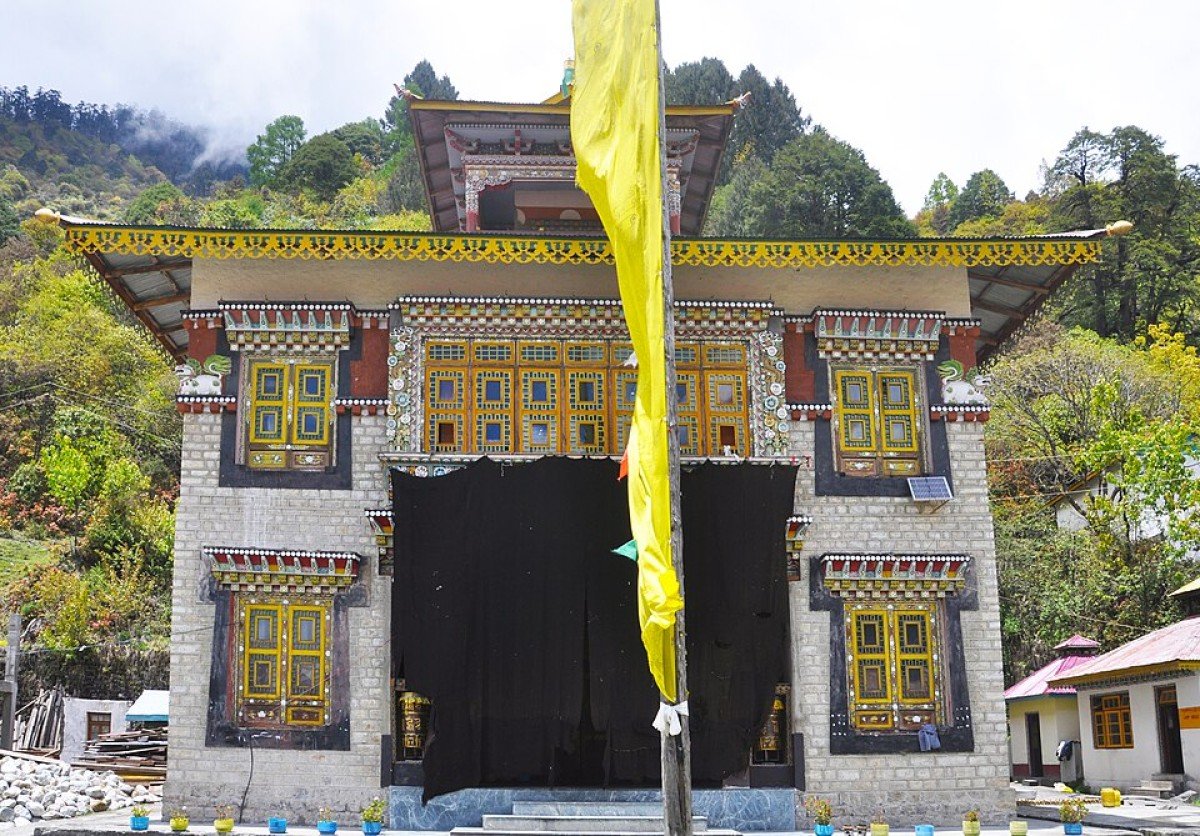
The Main Entrance View: Capture the colorful, ornate main entrance gate and facade of the monastery, framing the large prayer wheels.
Statue of Guru Padmasambhava: The central statue in the main prayer hall, often illuminated by butter lamps...The Main Entrance View: Capture the colorful, ornate main entrance gate and facade of the monastery, framing the large prayer wheels.
Statue of Guru Padmasambhava: The central statue in the main prayer hall, often illuminated by butter lamps, is a powerful photo subject (respectful photography without flash may be permitted).
Panoramic Town View: The view from the monastery courtyard or the path leading up, capturing the entire Lachen town nestled in the valley with the river gorge.
Prayer Flags Against the Sky: Close-up shots of the vibrant prayer flags and the golden roof of the monastery against a crisp, deep blue mountain sky.
The Monks: Candid, respectful photos of the monks walking the grounds, turning the wheels, or in prayer (with respect for their privacy and practice). :Photo Gallery


Things To Do
-
Attend Morning Prayer: Try to visit in the early morning (around 7:00 AM) to witness the monks' rhythmic and chanting morning prayer assembly (Pooja).
Turn the Prayer Wheels: Walk clockwise around the monastery perimeter, spinning the prayer wheels (Mani Lhakor) to accrue merit and absorb the spiritual energy.
Meditation and Contemplation: Sit quietly in the prayer hall or courtyard for a period of peaceful meditation, absorbing the tranquil, spiritual ambiance.
Admire Murals and Art: Spend time examining the intricate murals, Thangka paintings, and the large statue of Guru Padmasambhava in the main hall.
Photography of the View: Utilize the hillock's position to take panoramic photos of the Lachen town and the valley below, espe...Attend Morning Prayer: Try to visit in the early morning (around 7:00 AM) to witness the monks' rhythmic and chanting morning prayer assembly (Pooja).
Turn the Prayer Wheels: Walk clockwise around the monastery perimeter, spinning the prayer wheels (Mani Lhakor) to accrue merit and absorb the spiritual energy.
Meditation and Contemplation: Sit quietly in the prayer hall or courtyard for a period of peaceful meditation, absorbing the tranquil, spiritual ambiance.
Admire Murals and Art: Spend time examining the intricate murals, Thangka paintings, and the large statue of Guru Padmasambhava in the main hall.
Photography of the View: Utilize the hillock's position to take panoramic photos of the Lachen town and the valley below, especially at sunrise or sunset.
Light a Butter Lamp: Purchase and light a butter lamp as an offering for peace and merit, a common Buddhist practice.
Interact with Monks: Engage in respectful, brief conversation with the English-speaking monks or the head lama (if permitted) to learn about their way of life and the monastery's history.
Support the Monastic School: Donate to the upkeep of the school or purchase a souvenir to support the community's preservation efforts. :
Information
-
Why Famous:
Historic Significance: Famous as one of the oldest monasteries in North Sikkim, built in 1858 AD, making it a key historical landmark for the Nyingma sect.
Spiritual Hub: It is the spiritual and cultural epicenter of the indigenous Lachenpa ...Historic Significance: Famous as one of the oldest monasteries in North Sikkim, built in 1858 AD, making it a key historical landmark for the Nyingma sect.
Spiritual Hub: It is the spiritual and cultural epicenter of the indigenous Lachenpa community, playing a vital role in their traditional Dzumsa governance and life.
Dedicated to Guru Rinpoche: The monastery is an important site dedicated to Guru Padmasambhava, attracting Buddhist pilgrims and devotees from across the world.
Panoramic View: Its location on a hillock provides a famous, stunning, bird's-eye view of the entire Lachen town, the deep Lachen Chu gorge, and the surrounding forested mountains.
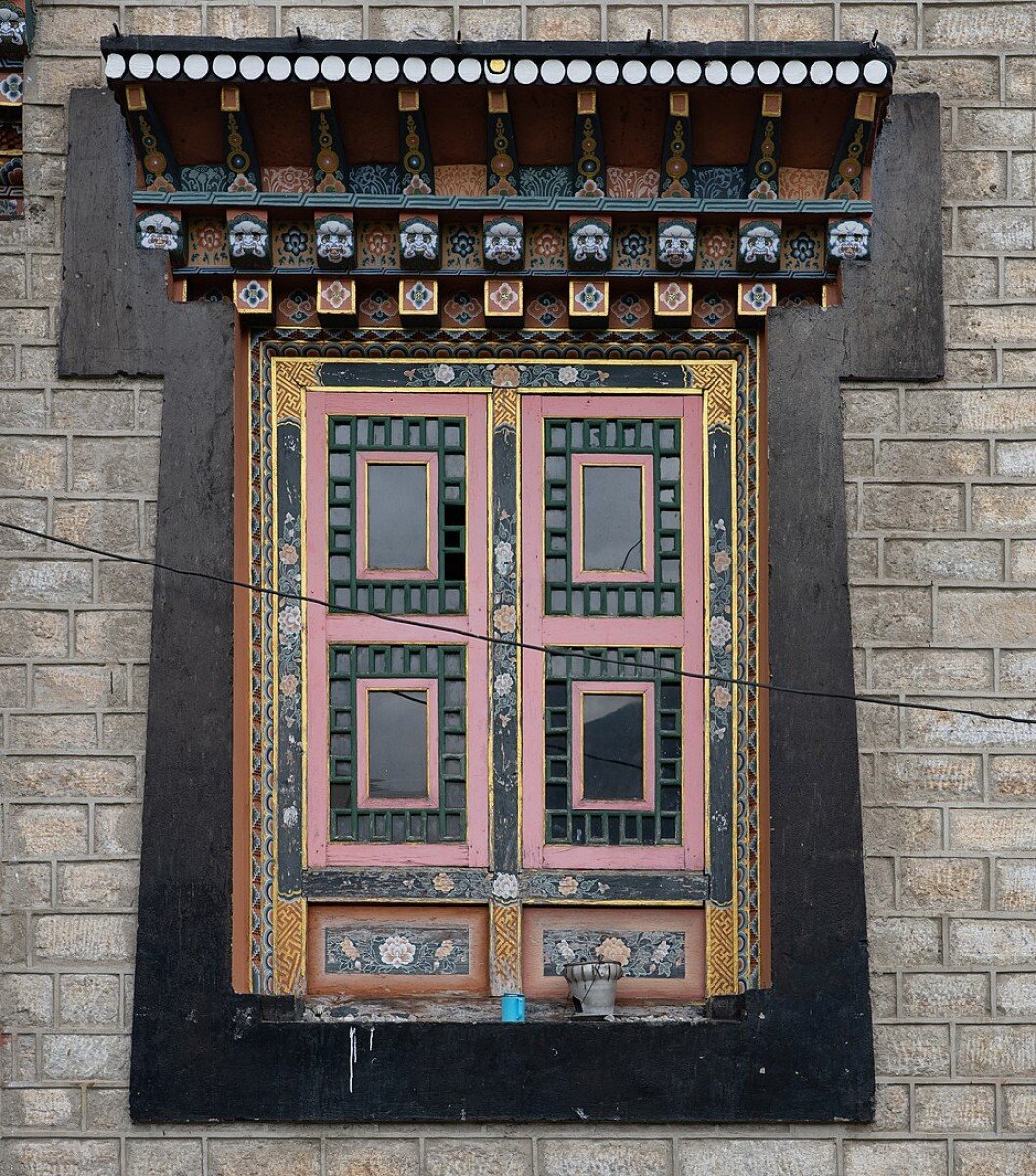
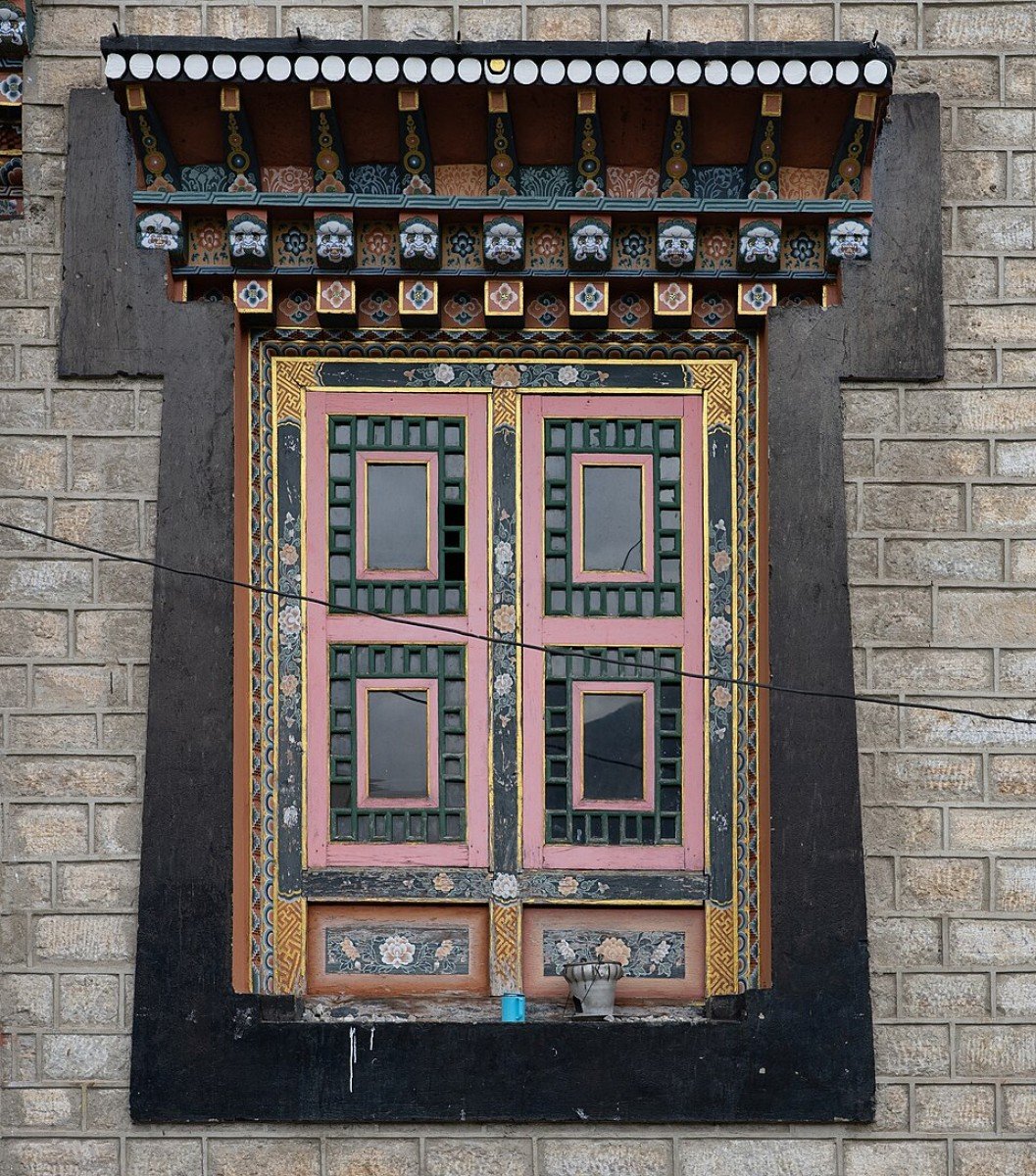
Traditional Architecture: Known for its preserved, classic Tibetan-Buddhist architectural style, vibrant murals, and peaceful ambiance, offering a visual and spiritual treat.
Monastic School: Its role in running a monastic school is famous for preserving and passing on the traditional language, art, and spiritual practices of the region. : -
Architecture:
Tibetan Buddhist Architecture: The monastery follows a traditional Tibetan style, characterized by a vibrant façade, often painted in bright colors (red, gold, white), and a tiered roof structure topped by a golden pinnacle (Gyaltshen).
Main Lh...Tibetan Buddhist Architecture: The monastery follows a traditional Tibetan style, characterized by a vibrant façade, often painted in bright colors (red, gold, white), and a tiered roof structure topped by a golden pinnacle (Gyaltshen).
Main Lhakhang Dimension: The main prayer hall (Lhakhang) is typically a square or rectangular structure, often multi-story (e. g. , 50 ft x 50 ft), featuring a central altar with statues of Guru Padmasambhava, the Buddha, and other deities.
Intricate Mural Work: The interior walls are richly adorned with detailed, colorful murals (frescoes) depicting various Jataka tales, Buddhist deities, and the life of Padmasambhava, a core architectural feature for spiritual storytelling.
Prayer Wheel & Flag Structure: The perimeter often features a line of large, rotating prayer wheels (Mani Lhakor), and the entire complex is draped in dense strings of Lung-ta (prayer flags), forming a symbolic, permeable roof of blessings.
Material and Foundation: Built predominantly with wood and stone, the structure is designed to withstand the region's harsh cold and snowfall, utilizing the same sturdy techniques as the local Lachenpa homes for its foundation and frame.
Monastic Quarters: Separate, simpler quarters for the monks and a monastic school are integrated into the complex, maintaining a functional, secluded area for religious study and practice. : -
How To Reach:
By Air: Nearest airport is Pakyong Airport (PYG) (approx. 160 KMS), or Bagdogra Airport (IXB) (approx. 200 KMS). From the airport, travel to Gangtok, secure permits, and then proceed to Lachen via authorized taxi. The monastery is located 1 KM from the town center.
<...By Air: Nearest airport is Pakyong Airport (PYG) (approx. 160 KMS), or Bagdogra Airport (IXB) (approx. 200 KMS). From the airport, travel to Gangtok, secure permits, and then proceed to Lachen via authorized taxi. The monastery is located 1 KM from the town center.
By Train: Nearest major railway station is New Jalpaiguri (NJP) (approx. 180 KMS). From NJP, take a taxi to Gangtok, secure permits, and travel to Lachen.
By Road: The monastery is located in the town of Lachen, which is approx. 129 KMS from Gangtok. Access to Lachen is by permitted taxi only. From the town center, the monastery is accessible via a short, gentle uphill walk (approx. 15 minutes) or a very short car ride.
By Local Transport: The easiest way to reach it from your hotel in Lachen is by walking, as it is less than 1 KM away. No local public transport (bus/shared taxi) is necessary within the small town for this short distance. : -
Weather and Best Time to Visit:
Different Types of Seasons: Autumn (October to November) is the best time for clear views and pleasant weather. Spring (March to May) offers beautiful views with comfortable daytime temperatures. Winter (December to February) is extremely cold but offers the unique experie...Different Types of Seasons: Autumn (October to November) is the best time for clear views and pleasant weather. Spring (March to May) offers beautiful views with comfortable daytime temperatures. Winter (December to February) is extremely cold but offers the unique experience of a snow-covered monastery and the potential to witness the annual Chaam festival. Monsoon (June to September) should be avoided due to rain.
Different Parts of the Day: Early Morning (7 AM - 9 AM) for prayers and peace, and Late Afternoon (4 PM - 5 PM) for the best light and views over the town.
Religious Holidays: Visit during a major Buddhist holiday for a more vibrant spiritual experience. : -
Near Tourist Places:
Lachen (Town Center) (1 KM), Lachen Chu River (Gorge View), Thangu Valley (40 KMS), Chungthang (27 KMS), Gurudongmar Lake (67 KMS), Khangchengyao View (Distant Peak View), Lachung Monastery (50 KMS), Yumthang Valley (95 KMS), Bhim Nala Waterfall (80 KMS), Mangan (50 KMS):
Tourism Tips
-
Health & Safety: No major risks, but walk slowly on the uphill path.
Respect the monastery's rules: dress modestly (cover shoulders and knees), remove shoes before entering the prayer hall, and maintain silence inside.
Read MoreHealth & Safety: No major risks, but walk slowly on the uphill path.
Respect the monastery's rules: dress modestly (cover shoulders and knees), remove shoes before entering the prayer hall, and maintain silence inside.
Packing: Carry a light jacket, even in summer, as the hilltop can be windy and cool.
Accommodation: No accommodation at the monastery; stay in a hotel or homestay in Lachen town. Other Different Topics heading (Cultural Etiquette): Always walk clockwise (Kora) around the prayer wheels and the main structure. Avoid pointing your feet directly at the statues or the monks. Ask for permission before taking close-up photos of monks or murals. :Reviews
FAQs
Lachen Itineray And Cost:-
Lachen Monastery Tourism:-
Other Places In Lachen :-
Other States In India :-
Information about New and Updated Locations() of Sikkim Has Been Added :-
Card subtitle
Note:-
Information provided here in good Faith and for reference only.
Near Places
Chopta Valley
Some quick example text to build on the card title and make up the bulk of the card's content.
Go somewhere
Dzongu Valley
Some quick example text to build on the card title and make up the bulk of the card's content.
Go somewhere
East Upper Gurudongmar Lake
Some quick example text to build on the card title and make up the bulk of the card's content.
Go somewhere
Green Lake Trek Start Point
Some quick example text to build on the card title and make up the bulk of the card's content.
Go somewhere
Gurudongmar Lake
Some quick example text to build on the card title and make up the bulk of the card's content.
Go somewhere
Hot Springs
Some quick example text to build on the card title and make up the bulk of the card's content.
Go somewhere
Kabi Longstok
Some quick example text to build on the card title and make up the bulk of the card's content.
Go somewhere
Kalapatthar
Some quick example text to build on the card title and make up the bulk of the card's content.
Go somewhere
Kanchenjunga View Point
Some quick example text to build on the card title and make up the bulk of the card's content.
Go somewhere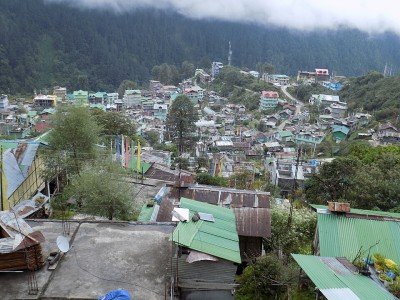
Lachen
Some quick example text to build on the card title and make up the bulk of the card's content.
Go somewhere
Lachen Monastery
Some quick example text to build on the card title and make up the bulk of the card's content.
Go somewhere
Lachen River Bed
Some quick example text to build on the card title and make up the bulk of the card's content.
Go somewhere
Lachen Village
Some quick example text to build on the card title and make up the bulk of the card's content.
Go somewhere
Lhonak Valley
Some quick example text to build on the card title and make up the bulk of the card's content.
Go somewhere
Muguthang Valley
Some quick example text to build on the card title and make up the bulk of the card's content.
Go somewhere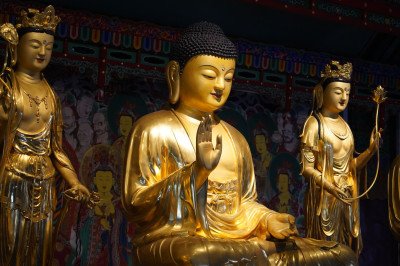
Phodong Monastery
Some quick example text to build on the card title and make up the bulk of the card's content.
Go somewherein Other Cities