Chopta Valley
General information
-
Ideal Duration:
2-3 Hours (Excluding travel time from Lachen)Place Type:
Nature, Valley, High-Altitude Meadow, Trekking BasEntry Fees:
Inner Line Permit (ILP) Cost: The most significant fee is the cost of the mandatory Inner Line Permit for North Sikkim, which is usually included in the overall package price by the tour operator (typically a few hundred INR per person for a multi-day North Sikkim trip).Inner Line Permit (ILP) Cost: The most significant fee is the cost of the mandatory Inner Line Permit for North Sikkim, which is usually included in the overall package price by the tour operator (typically a few hundred INR per person for a multi-day North Sikkim trip).
Entry Fee: There is No Direct Entry Fee to enter the Chopta Valley itself. The natural attraction is free to visit once the travel permit and vehicle permits are secured.
Vehicle Permit Fee: Fees for the vehicle (taxi/jeep) permit for the restricted North Sikkim area, including the Chopta route, are applicable and mandatory, paid to the local authorities by the tour operator.
Guide/Driver Fee: The entire cost of the visit is practically covered by the mandatory fee for hiring an authorized local driver and permitted vehicle from Lachen or Gangtok.
Trekking/Camping Fee: If you plan to undertake any formal, permitted high-altitude trek from the valley (e. g. , to Muguthang), separate trekking permits and possible environmental/camping fees may apply, managed by the local Dzumsa administration or a registered trekking agency. :Timing:
Regular Timings: Officially open from Sunrise to Sunset (typically 6:00 AM to 5:00 PM), though the area itself is a valley on a public route and can be accessed 24 hours.
Ideal Visit Time: Early morning (7:00 AM - 10:00 AM) is the best time ...Regular Timings: Officially open from Sunrise to Sunset (typically 6:00 AM to 5:00 PM), though the area itself is a valley on a public route and can be accessed 24 hours.
Ideal Visit Time: Early morning (7:00 AM - 10:00 AM) is the best time to visit to catch the clearest mountain views before clouds roll in and to avoid the strongest high-altitude sun/wind.
Permit Timing: The actual timing is heavily restricted by the mandatory early morning departure from Lachen (often around 3:30 AM - 4:00 AM) required to visit Gurudongmar Lake and pass through the army checkpoints.
Winter Timing: During the winter (December - February), the timing is highly weather-dependent and subject to road closure; check with local authorities.
Seasonal Closing: Although the valley is always 'open', it may become inaccessible due to heavy snowfall in peak winter or landslides during the monsoon (July-September). :Special Events:
Lachenpa Traditional Festival: While the valley itself hosts no major commercial events, the nearby Lachen town or Thangu village may occasionally host a local, traditional community Dzumsa meeting or a small religious ceremony/festival, usually relating to the annual moveme...Lachenpa Traditional Festival: While the valley itself hosts no major commercial events, the nearby Lachen town or Thangu village may occasionally host a local, traditional community Dzumsa meeting or a small religious ceremony/festival, usually relating to the annual movement of the nomadic tribes, which offers a rare cultural glimpse to respectful visitors, typically tied to the agricultural or grazing cycles and less predictable than calendar festivals.
Seasonal Alpine Flower Show: The most significant recurring 'event' is the natural, spectacular, synchronized mass flowering of the rhododendrons and other alpine flowers during the late spring to early summer (late April to May), which is an ecological spectacle attracting nature enthusiasts.
Monastery Ceremonies: Key Buddhist holidays, such as Saga Dawa (in May or June) or Lhabab Duchen, often involve special prayers and gatherings at the nearby Lachen Monastery, and the Chopta locals who descend for the event may carry its peaceful aura back to the valley.
New Year Gatherings: The local Lachenpa community sometimes holds small, private gatherings or cultural performances around the Tibetan New Year (Losar), which may be observed in the area, offering a rare display of traditional song and dance in a simple, outdoor setting. :Best Photo Spots:
Rhododendron Carpet Viewpoint: The slightly elevated slopes where you can look down over the full expanse of the valley floor when the rhododendrons are in full bloom (April/May) are prime spots.
Lachen Chu River Bend: The points where the r...Rhododendron Carpet Viewpoint: The slightly elevated slopes where you can look down over the full expanse of the valley floor when the rhododendrons are in full bloom (April/May) are prime spots.
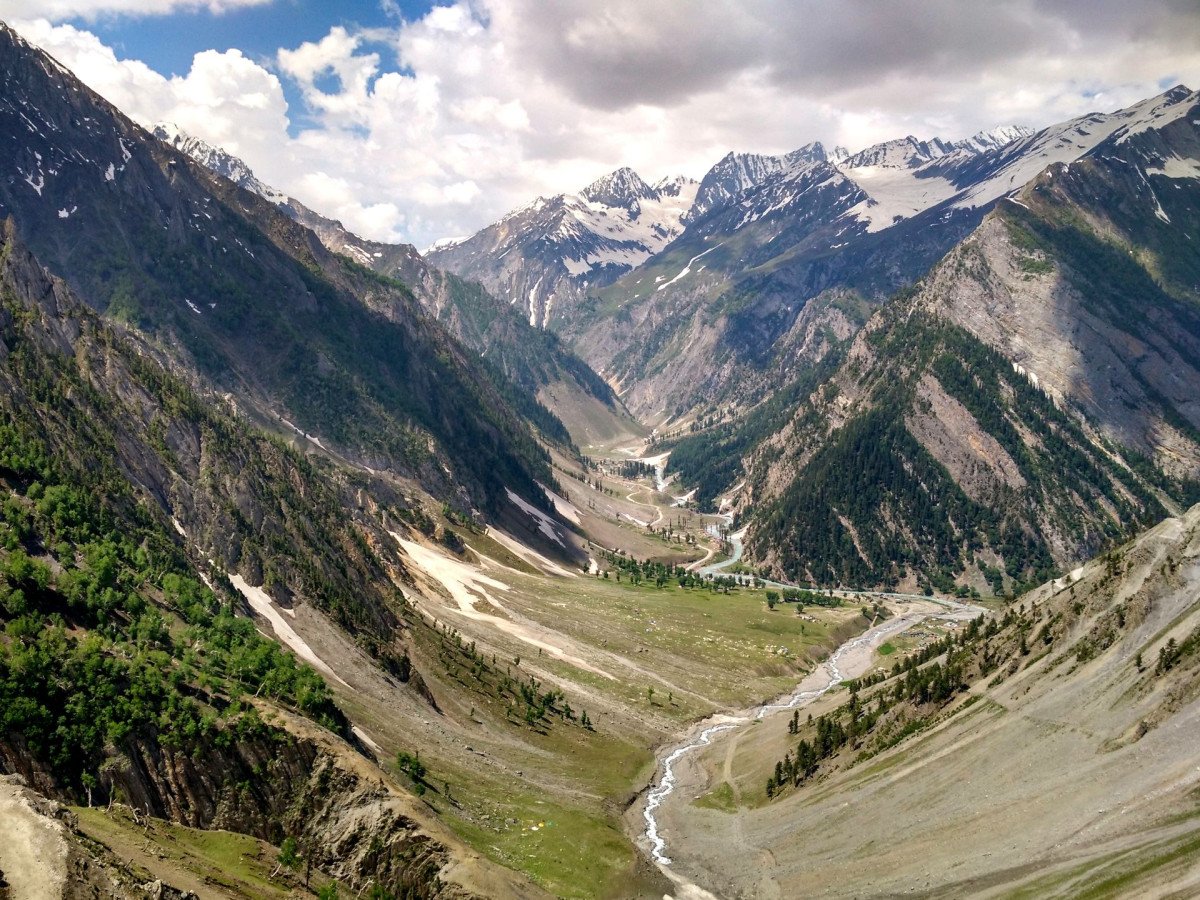
Lachen Chu River Bend: The points where the river meanders, with its crystal-clear water and scattered black rocks, offer excellent foreground elements for wide-angle shots of the surrounding snow peaks.
Black Rock Formations: Pockets of distinctive dark, moss-covered rocks and boulders scattered across the meadows provide high-contrast, dramatic elements, especially when juxtaposed against fresh white snow or vibrant green grass.
Gateway Checkpoint Vistas: The road leading into the valley, often with colorful prayer flags flapping against the mountain backdrop, is a classic photo opportunity, symbolizing the start of the high-altitude journey.
Panoramic Snow Peak View: Find a spot on the ridge line near the valley's end to capture a sweeping shot of the entire Himalayan range visible from the location, focusing on the sheer scale and elevation of the landscape. :Photo Gallery
Things To Do
-
Sightseeing and Photography: Dedicate ample time to capture the vibrant colors of the meadows, the winding river, and the majestic backdrop of snow-capped mountains; sunrise and sunset are particularly magical times for this.
Rhododendron & Flower Viewing: If visiting between April and June, spend hours identifying the numerous varieties of rhododendrons and other alpine flowers like primulas, a key attraction of the valley.
Short Acclimatization Hikes: Take gentle walks around the valley to aid in acclimatization before heading to higher altitudes like Gurudongmar Lake; the trails near the river are gentle and scenic.
Bird Watching: The dense shrubbery and meadows are home to numerous Himalayan bird species, including the Monal Pheasant; carry binoculars for ...Sightseeing and Photography: Dedicate ample time to capture the vibrant colors of the meadows, the winding river, and the majestic backdrop of snow-capped mountains; sunrise and sunset are particularly magical times for this.
Rhododendron & Flower Viewing: If visiting between April and June, spend hours identifying the numerous varieties of rhododendrons and other alpine flowers like primulas, a key attraction of the valley.
Short Acclimatization Hikes: Take gentle walks around the valley to aid in acclimatization before heading to higher altitudes like Gurudongmar Lake; the trails near the river are gentle and scenic.
Bird Watching: The dense shrubbery and meadows are home to numerous Himalayan bird species, including the Monal Pheasant; carry binoculars for a rewarding experience.
Riverside Picnic: Find a peaceful spot along the clear river (Lachen Chu) for a packed lunch, enjoying the tranquility and the sound of the flowing water.
Snow Activities (Winter): In the winter months (December to February), the valley is blanketed in deep snow, offering opportunities for snow trekking and playful snow fights.
Trekking to Thangu: For the adventurous, a short trek down to Thangu Village allows for interaction with the local community and a different perspective of the surrounding peaks.
High Altitude Flora Study: Engage with a local guide to learn about the endemic flora and their medicinal properties, adding an educational dimension to the visit.
Stargazing: Since there is minimal light pollution, staying late or camping nearby (with proper permission) offers a brilliant view of the Himalayan night sky and the Milky Way.
Landscape Painting/Sketching: The unparalleled natural beauty makes it an ideal location for artists to capture the vistas in watercolors or sketches.
Meditation/Spiritual Time: Use the extreme solitude and peaceful environment for quiet contemplation and reflection, soaking in the area's spiritual vibe.
Explore the Lachen Chu Banks: Follow the river as far as the permits allow, discovering hidden waterfalls and smaller, pristine pools. :
Information
-
Why Famous:
Rhododendron Bloom: Famous for its stunning display of over 24 species of colorful rhododendrons that bloom brilliantly, primarily in April and May, transforming the entire valley into a breathtaking palette of red, pink, and white hues.
Gateway...Rhododendron Bloom: Famous for its stunning display of over 24 species of colorful rhododendrons that bloom brilliantly, primarily in April and May, transforming the entire valley into a breathtaking palette of red, pink, and white hues.
Gateway to Gurudongmar: It is a mandatory stop or viewpoint on the arduous road journey to the sacred Gurudongmar Lake, offering a picturesque break and acclimatization point.
High-Altitude Serenity: Its isolation and high altitude (over 13,000 ft) guarantee a profound sense of peace, solitude, and unspoiled natural beauty, away from commercial crowds, making it famous among serious nature photographers and trekkers.
Alpine Flora and Fauna: Known for harboring unique high-altitude animals like the endangered Red Panda and the Himalayan Blue Sheep, making it a key spot for wildlife enthusiasts and conservationists in North Sikkim. The vast open meadows surrounded by snow peaks are an iconic Himalayan view. : -
Architecture:
Natural Formation Architecture: This location is a purely natural geographical feature, not a man-made structure. The 'architecture' is geological and botanical.
Geological Dimension: The valley floor sits at roughly 13,200 feet, carved by ...Natural Formation Architecture: This location is a purely natural geographical feature, not a man-made structure. The 'architecture' is geological and botanical.
Geological Dimension: The valley floor sits at roughly 13,200 feet, carved by ancient glaciers and the meandering Lachen Chu river system, forming a classic U-shaped valley defined by steep, rocky slopes and a broad, flat bottom, characteristic of glacial erosion.
Botanical Structure: The valley's structure is defined by its plant life in two dimensions: lower altitudes feature dense clusters of towering Rhododendron and Juniper shrubs, forming a colorful canopy during April and May. Higher areas transition to low-lying alpine meadows and hardy cushion plants. The arrangement of the natural elements, from the clear river flowing through the center to the stratified vegetation on the slopes, creates a magnificent, naturally designed landscape, a perfect study in high-altitude ecology.
Absence of Traditional Architecture: There are virtually no permanent human-built structures here aside from a few seasonal shelters or army checkpoints, preserving its untouched natural state and giving it a raw, untamed look that is its own form of structural beauty. : -
How To Reach:
By Air: Nearest airport is Pakyong Airport (PYG) (approx. 160 KMS to Lachen), or the major air hub is Bagdogra Airport (IXB) in West Bengal (approx. 200 KMS to Lachen). From the airport, hire a pre-booked, authorized cab to Gangtok for the first night, then proceed to Lac...By Air: Nearest airport is Pakyong Airport (PYG) (approx. 160 KMS to Lachen), or the major air hub is Bagdogra Airport (IXB) in West Bengal (approx. 200 KMS to Lachen). From the airport, hire a pre-booked, authorized cab to Gangtok for the first night, then proceed to Lachen with a mandatory permit.
By Train: Nearest major railway station is New Jalpaiguri (NJP) in West Bengal (approx. 180 KMS to Lachen). From NJP, hire an authorized private taxi or take a shared jeep to Gangtok, arrange permits, and then travel to Lachen.
By Road: The primary route is via the National Highway from Gangtok to Chungthang, then taking the bifurcation to Lachen (approx. 129 KMS from Gangtok). From Lachen, the valley is approx. 39 KMS away, accessible only by authorized 4x4 vehicles (usually a Bolero or Scorpio) due to the high-altitude, rugged, and sometimes unpaved roads beyond Thangu Village.
By Local Transport: No formal local bus service exists; one must hire a full reserved taxi or a seat in a shared, permitted jeep from Lachen. The final journey from Lachen to Chopta Valley is part of the package to Gurudongmar Lake. : -
Weather and Best Time to Visit:
Different Types of Seasons: Spring (March to May) is the absolute best time, particularly April and May, when the valley is fully covered in blooming rhododendrons, and the weather is pleasantly cool. Summer (June to September) is the monsoon season, which brings heavy rain...Different Types of Seasons: Spring (March to May) is the absolute best time, particularly April and May, when the valley is fully covered in blooming rhododendrons, and the weather is pleasantly cool. Summer (June to September) is the monsoon season, which brings heavy rainfall and risks of landslides, making travel difficult, but the valley is lush green. Autumn (October to November) offers clear skies, excellent visibility, and cold, crisp weather, which is the second-best time to visit. Winter (December to February) sees the valley covered in snow and extreme cold, with temperatures often below freezing, suitable only for those seeking a stark white landscape and snow trekking.
Different Parts of the Day: Visit in the Early Morning (7 AM - 10 AM) for the clearest views of the mountains, minimal wind, and the best photographic light. Mid-day is often too harsh due to high-altitude sunlight and is when clouds tend to start rolling in. Late afternoon is good for return travel. : -
Near Tourist Places:
Thangu Valley (approx. 8 KMS), Gurudongmar Lake (approx. 31 KMS), Lachen (Town) (approx. 39 KMS), Tso Lhamo Lake (Restricted, near Gurudongmar, approx. 40 KMS), Kanchenjunga National Park (Boundary nearby), Lachen Chu River (Flows through the valley), Kalapatthar (Higher Viewpoint, approx. 12 KMS), Lachung (approx. 50 KMS), Yumthang Valley (approx. 70 KMS), Phodong Monastery (approx.
100 KMS):
Tourism Tips
-
Health & Safety: Carry warm woolen clothes, even in summer, as the temperature can drop quickly. Acclimatization is crucial; spend the night in Lachen (9,600 ft) before proceeding to the 13,200 ft valley. Carry basic medication for altitude sickness (Diamox) and a first-a...Health & Safety: Carry warm woolen clothes, even in summer, as the temperature can drop quickly. Acclimatization is crucial; spend the night in Lachen (9,600 ft) before proceeding to the 13,200 ft valley. Carry basic medication for altitude sickness (Diamox) and a first-aid kit. Drink plenty of water to combat dehydration.
Packing: Essentials include thermal wear, heavy jackets, caps, gloves, sunglasses, and high-SPF sunscreen due to the harsh high-altitude sun. Carry a portable oxygen cylinder for emergencies, though most taxi drivers carry one.
Accommodation: There is No Accommodation in the valley itself. The only accommodation is available in Lachen (hotels/homestays) or Thangu (very basic homestays), which serve as the base camps for the trip.
Other Different Topics heading (Permits): An Inner Line Permit (ILP) is mandatory for both Indian and foreign nationals; arrange this through a registered tour operator in Gangtok or Lachen beforehand, as individual permits are not issued easily. The check-posts open very early in the morning. :
Reviews
FAQs
Lachen Itineray And Cost:-
Other Places In Lachen :-
Other States In India :-
Information about New and Updated Locations() of Sikkim Has Been Added :-
Card subtitle
Note:-
Information provided here in good Faith and for reference only.
Near Places
Chopta Valley
Some quick example text to build on the card title and make up the bulk of the card's content.
Go somewhere
Dzongu Valley
Some quick example text to build on the card title and make up the bulk of the card's content.
Go somewhere
East Upper Gurudongmar Lake
Some quick example text to build on the card title and make up the bulk of the card's content.
Go somewhere
Green Lake Trek Start Point
Some quick example text to build on the card title and make up the bulk of the card's content.
Go somewhere
Gurudongmar Lake
Some quick example text to build on the card title and make up the bulk of the card's content.
Go somewhere
Hot Springs
Some quick example text to build on the card title and make up the bulk of the card's content.
Go somewhere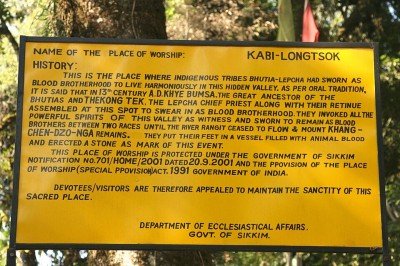
Kabi Longstok
Some quick example text to build on the card title and make up the bulk of the card's content.
Go somewhere
Kalapatthar
Some quick example text to build on the card title and make up the bulk of the card's content.
Go somewhere
Kanchenjunga View Point
Some quick example text to build on the card title and make up the bulk of the card's content.
Go somewhere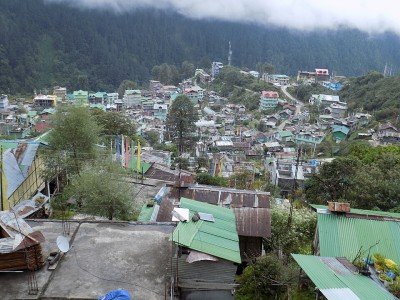
Lachen
Some quick example text to build on the card title and make up the bulk of the card's content.
Go somewhere
Lachen Monastery
Some quick example text to build on the card title and make up the bulk of the card's content.
Go somewhere
Lachen River Bed
Some quick example text to build on the card title and make up the bulk of the card's content.
Go somewhere
Lachen Village
Some quick example text to build on the card title and make up the bulk of the card's content.
Go somewhere
Lhonak Valley
Some quick example text to build on the card title and make up the bulk of the card's content.
Go somewhere
Muguthang Valley
Some quick example text to build on the card title and make up the bulk of the card's content.
Go somewhere
Phodong Monastery
Some quick example text to build on the card title and make up the bulk of the card's content.
Go somewherein Other Cities