

Himalayan Botanical Garden
General information
-
Ideal Duration:
1. 5 to 2 hours.Place Type:
Botanical, Educational, Nature Park.Entry Fees:
Adult Entry Fee: The entry fee is typically Rs.50 per person for adults (above 12 years).
Child Entry Fee: The fee is also generally set at Rs.50 per person for children (5-12 years). This flat rate is primarily for the maintenance and conserva...Adult Entry Fee: The entry fee is typically Rs.50 per person for adults (above 12 years).
Child Entry Fee: The fee is also generally set at Rs.50 per person for children (5-12 years). This flat rate is primarily for the maintenance and conservation work of the garden.
Camera Fee: Unlike the zoo, there is usually no separate camera fee for casual photography. Group tours or specialized research access might have different fee structures.
Free Entry: Senior Citizens, physically abled persons, and children below 5 years are often granted free entry to promote accessibility.Timing:
Regular Timings: The garden is open from 10:00 AM to 5:00 PM daily. Crucially, the Himalayan Botanical Garden is closed on Thursdays and major national holidays (Diwali, Holi, August 15th, etc. )—always check before visiting.
Ideal Visit Time...Regular Timings: The garden is open from 10:00 AM to 5:00 PM daily. Crucially, the Himalayan Botanical Garden is closed on Thursdays and major national holidays (Diwali, Holi, August 15th, etc. )—always check before visiting.
Ideal Visit Time: The best time to visit is during the late morning (10:00 AM to 12:00 PM) to avoid the mid-day sun and enjoy the soft light. The hours are strictly enforced, so arrive well before the last entry time of 4:30 PM.Special Events:
Botanical Workshops and Seminars: The garden frequently hosts specialized Botanical Workshops, Seminars, and nature camps, especially for university students and school groups, focusing on topics like high-altitude ecology, plant conservation, and forest management. These e...Botanical Workshops and Seminars: The garden frequently hosts specialized Botanical Workshops, Seminars, and nature camps, especially for university students and school groups, focusing on topics like high-altitude ecology, plant conservation, and forest management. These events are often held in the spring (April-May) or autumn (September-October).
Seasonal Flower Shows: During the peak flower-blooming season (often May or September), the garden might host a small Seasonal Flower Show, showcasing its prize-winning ornamental and indigenous flora, which is a key attraction for local gardening enthusiasts.Best Photo Spots:
The Fern House Interior: The humid, enclosed Fern House provides a perfect opportunity for lush, green, high-contrast photos, capturing the delicate texture of the ferns and the specialized architectural structure.
Thematic Flower Beds: The ...The Fern House Interior: The humid, enclosed Fern House provides a perfect opportunity for lush, green, high-contrast photos, capturing the delicate texture of the ferns and the specialized architectural structure.
Thematic Flower Beds: The beautifully arranged, seasonally changing flower beds in the main ornamental section offer vibrant bursts of color against the green foliage, ideal for both wide shots and detailed macro photography.
The Gateway and Entrance Sign: The rustic entrance gate and the official sign, often framed by colorful flower beds, provide a commemorative photo to mark the start of the botanical experience.
The Sariyatal Lakeside: The small, serene Sariyatal lake, with its surrounding hills and a small bridge or viewing platform, offers a quiet, picturesque landscape photo opportunity.Photo Gallery
Things To Do
-
Educational Tour and Plant Study: Take a guided or self-guided tour of the different sections, focusing on the identification and study of the unique Himalayan plant species, including various types of ferns, mosses, and high-altitude flowers.
Photography of Flora: The garden is a paradise for macro and close-up photography. Focus on the intricate details of the ferns, the vibrant colors of the orchids (if in season), and the unique textures of the Himalayan trees.
Relaxation and Peaceful Stroll: Enjoy the tranquil atmosphere away from the city noise. The garden paths are perfect for a gentle, leisurely walk, offering a deep sense of peace and natural beauty.
Herbarium Visit (By Permission): Researchers and serious students may, with prior permission, be allowe...Educational Tour and Plant Study: Take a guided or self-guided tour of the different sections, focusing on the identification and study of the unique Himalayan plant species, including various types of ferns, mosses, and high-altitude flowers.
Photography of Flora: The garden is a paradise for macro and close-up photography. Focus on the intricate details of the ferns, the vibrant colors of the orchids (if in season), and the unique textures of the Himalayan trees.
Relaxation and Peaceful Stroll: Enjoy the tranquil atmosphere away from the city noise. The garden paths are perfect for a gentle, leisurely walk, offering a deep sense of peace and natural beauty.
Herbarium Visit (By Permission): Researchers and serious students may, with prior permission, be allowed to visit the on-site Herbarium, which houses a collection of pressed and preserved plant specimens—an invaluable scientific resource.
Picnicking and Rest: The garden offers several designated peaceful spots and benches where one can sit, rest, and enjoy a light snack amidst the fragrant flowers and trees.
Visit to Sariyatal: Walk to the nearby Sariyatal lake, which is very close to the garden's entrance. The small, peaceful lake offers boating (sometimes available) and a picturesque spot for enjoying the natural mountain scenery.
Information
-
Why Famous:
High-Altitude Plant Conservation: It is famous as one of the few centers in the region specifically dedicated to the conservation and study of rare and endemic Himalayan flora. Its focus on education and research gives it a unique standing among the tourist spots.
<...High-Altitude Plant Conservation: It is famous as one of the few centers in the region specifically dedicated to the conservation and study of rare and endemic Himalayan flora. Its focus on education and research gives it a unique standing among the tourist spots.
Thematic Sections: The well-organized thematic sections, such as the Fern House and the medicinal plant garden, make learning about different plant groups interactive and engaging, appealing to a specialized audience. -
Architecture:
Functional Landscape Architecture and Greenhouses: The architecture is predominantly functional, designed to support botanical research and cultivation. Key features include a main administrative building, a Herbarium (a collection of preserved plant specimens), and special...Functional Landscape Architecture and Greenhouses: The architecture is predominantly functional, designed to support botanical research and cultivation. Key features include a main administrative building, a Herbarium (a collection of preserved plant specimens), and specialized controlled-environment structures like greenhouses and Polytunnels built with metal/wood frames and transparent sheeting to protect delicate species from the harsh mountain weather. The garden paths are carefully laid out, following the natural contours of the land, demonstrating good Landscape Architecture.
Dimension: The garden covers a significant area, encompassing several acres of managed land and forest. The elevation is high, approximately 2100 to 2150 meters (6890 to 7054 feet) above sea level. The paths winding through the various sections total over 1. 5 KMS in walking length. The most significant structures are the enclosed Fern House and Orchidarium, designed to maintain specific humidity and temperature levels. -
How To Reach:
By Air: The nearest airport is Pantnagar Airport (PGH), approximately 65 KMS away. Hire a taxi to Nainital. From the town, the garden is a 15-20 minute drive along the Kaladungi Road.
By Train: The closest railway station is Kathgodam Rail...By Air: The nearest airport is Pantnagar Airport (PGH), approximately 65 KMS away. Hire a taxi to Nainital. From the town, the garden is a 15-20 minute drive along the Kaladungi Road.
By Train: The closest railway station is Kathgodam Railway Station (KGM), about 40 KMS away. Take a taxi or bus to Nainital. From the Tallital area, the garden is best reached by a local taxi or shared jeep.
By Road: The garden is located on the well-maintained Kaladungi Road, approximately 6 KMS from the Tallital Bus Stand. It is easily accessible by private vehicle. Look for signboards near Sariyatal.
By Local Transport: A local, private taxi or a shared jeep (Jeep-Taxi) is the best way to reach the garden from Mall Road or Tallital. It is too far for a comfortable walk (6 KMS) unless you are an avid long-distance walker. -
Weather and Best Time to Visit:
Different Seasons: Summer/Spring (March to June) is the best time, as the garden is most vibrant with seasonal flowers in full bloom. Monsoon can make the paths muddy, and Winter causes many deciduous plants to shed leaves, reducing the botanical spectacle, although the col...Different Seasons: Summer/Spring (March to June) is the best time, as the garden is most vibrant with seasonal flowers in full bloom. Monsoon can make the paths muddy, and Winter causes many deciduous plants to shed leaves, reducing the botanical spectacle, although the cold-weather plants remain interesting.
Different Parts of the Day: Morning (10:00 AM to 12:00 PM) is the Ideal Visit Time for the coolest temperature, best light for macro photography, and a generally quiet experience before local school groups may arrive. -
Near Tourist Places:
Sariyatal Lake (0. 1 KM), Eco Cave Garden (4. 5 KMS), High Altitude Zoo (7 KMS), Naini Lake (6 KMS), Mall Road (6 KMS), Khurpatal Lake (5 KMS), Aerial Ropeway (7 KMS), Hanuman Garhi (8 KMS), Corbett Museum (65 KMS - in Kaladungi), Bhimtal Lake (18 KMS).
Tourism Tips
-
Health & Safety: Wear sturdy walking shoes, as the paths can be uneven. Be mindful of local insects and wear appropriate light clothing to cover skin. Do not touch or consume any plants, especially in the medicinal section.
Packing Essentials:...Health & Safety: Wear sturdy walking shoes, as the paths can be uneven. Be mindful of local insects and wear appropriate light clothing to cover skin. Do not touch or consume any plants, especially in the medicinal section.
Packing Essentials: A magnifying glass (for examining small plants), a camera with a macro function, and a light jacket are recommended. A small notebook for jotting down plant names or observations is useful.
Accommodation: Staying in the Tallital area of Nainital or the resorts on the Kaladungi Road will provide the quickest access to the garden.
Other Tips: Bring a bottle of water. Read the labels and plaques provided for scientific information. Since it is a research centre, please maintain silence and respect the ongoing conservation efforts.
Reviews
FAQs
Nainital Itineray And Cost:-
Himalayan Botanical Garden Tourism:-
Other Places In Nainital :-
Other States In India :-
Information about New and Updated Locations() of Uttarakhand Has Been Added :-
Card subtitle
Note:-
Information provided here in good Faith and for reference only.
Near Places

Aryabhatta Research Institute of Observational Sciences
Some quick example text to build on the card title and make up the bulk of the card's content.
Go somewhere
Dorothy's Seat
Some quick example text to build on the card title and make up the bulk of the card's content.
Go somewhere
Eco Cave Garden
Some quick example text to build on the card title and make up the bulk of the card's content.
Go somewhere
Governor's House
Some quick example text to build on the card title and make up the bulk of the card's content.
Go somewhere
Gurney House
Some quick example text to build on the card title and make up the bulk of the card's content.
Go somewhere
Hanuman Garhi
Some quick example text to build on the card title and make up the bulk of the card's content.
Go somewhere
Himalaya View Point
Some quick example text to build on the card title and make up the bulk of the card's content.
Go somewhere
Himalayan Botanical Garden
Some quick example text to build on the card title and make up the bulk of the card's content.
Go somewhere
Jeolikote
Some quick example text to build on the card title and make up the bulk of the card's content.
Go somewhere
Khurpa Taal
Some quick example text to build on the card title and make up the bulk of the card's content.
Go somewhere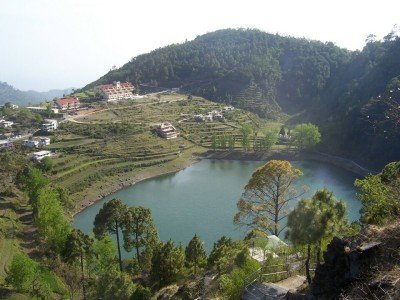
Khurpatal Lake
Some quick example text to build on the card title and make up the bulk of the card's content.
Go somewhere
Kilbury Bird Sanctuary
Some quick example text to build on the card title and make up the bulk of the card's content.
Go somewhere
Kilbury
Some quick example text to build on the card title and make up the bulk of the card's content.
Go somewhere
Lands End Picnic Spot
Some quick example text to build on the card title and make up the bulk of the card's content.
Go somewhere
Mall Road, Nainital
Some quick example text to build on the card title and make up the bulk of the card's content.
Go somewhere
Naina Devi Temple
Some quick example text to build on the card title and make up the bulk of the card's content.
Go somewherein Other Cities