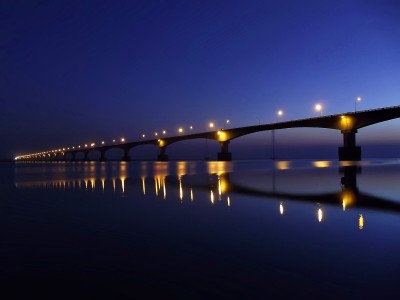
Kolia Bhomora Setu
General information
-
Ideal Duration:
1 to 2 hours (Ideal time for a drive across, viewing the river, and taking photos from nearby accessible points).Place Type:
Infrastructure, Road Bridge, Engineering Marvel, VEntry Fees:
No Entry Fee for the Bridge: There is absolutely no entry fee or ticket required for the Kolia Bhomora Setu itself. It is a National Highway bridge, a public infrastructure asset, and is open to all forms of transport for transit without any cost. This is an important dist...No Entry Fee for the Bridge: There is absolutely no entry fee or ticket required for the Kolia Bhomora Setu itself. It is a National Highway bridge, a public infrastructure asset, and is open to all forms of transport for transit without any cost. This is an important distinction from many other tourist attractions that require an admission fee. The absence of a toll since September 2016 means that the experience of crossing the bridge is entirely free for the general public, fulfilling its role as a key public lifeline.
Toll Collection History and Context: The bridge initially had a toll, which was levied for several years to recover the construction cost, which was approximately Rs.80 crores at the time of completion. However, following a policy change and the recovery of construction costs, the toll collection was permanently stopped in September 2016. This historical context is important for visitors to understand why the bridge now operates without a toll, making a visit or transit completely free of charge.
An Accessible Experience: The lack of a charge makes the bridge an exceptionally accessible "sightseeing" experience. Anyone traveling along the highway, whether by car, bus, motorcycle, or even bicycle, can enjoy the views and the marvel of the structure simply by driving across. The only potential cost is the fuel/fare required for the vehicle to reach and traverse the 3-kilometer span. This openness is a fundamental part of the bridge's utility and character.Timing:
Regular Timings: Open 24/7: The Kolia Bhomora Setu is a critical part of a National Highway (NH-715) and serves as a vital inter-district link; therefore, it is open 24 hours a day, 7 days a week, all year round. There are no gates, closing times, or official tourist hours...Regular Timings: Open 24/7: The Kolia Bhomora Setu is a critical part of a National Highway (NH-715) and serves as a vital inter-district link; therefore, it is open 24 hours a day, 7 days a week, all year round. There are no gates, closing times, or official tourist hours. This constant operational status ensures that essential travel and trade can continue uninterrupted, highlighting its fundamental role as a functional piece of infrastructure rather than a closed-off tourist site.
Ideal Visit Time:
Sunrise and Sunset: While the bridge is always open, the ideal time to visit is during the "golden hours" of sunrise (typically between 5:00 AM and 6:00 AM) and sunset (typically between 4:30 PM and 5:30 PM, varying with the season). These times offer the most spectacular views and lighting for photography. The early morning provides a serene atmosphere, often with mist over the river, while the evening is celebrated for the vibrant, dramatic colors of the setting sun over the vast waters of the Brahmaputra.
Best Time to Cross for Views:
Daytime Traffic Management: For travelers focused on enjoying the view without the visual clutter of dense traffic, the late morning (9:00 AM to 11:00 AM) or mid-afternoon (2:00 PM to 4:00 PM) on a weekday can be good options. The light is bright, showcasing the river's color and the bridge's full structure, and the traffic is generally moderate, allowing for a relaxed drive-through. However, during peak holiday seasons or major festivals, traffic can be heavy at any hour.Special Events:
The Annual River Festival (Often in January or February): While the bridge itself does not host a large-scale event, the banks of the Brahmaputra near the Tezpur approach often become the venue for local river-related festivals, especially during the winter months when the water level is low and san...The Annual River Festival (Often in January or February): While the bridge itself does not host a large-scale event, the banks of the Brahmaputra near the Tezpur approach often become the venue for local river-related festivals, especially during the winter months when the water level is low and sandbars appear. These events sometimes involve traditional Assamese boat races, cultural performances, and local food stalls. Such a festival is a fantastic opportunity to see the bridge as a backdrop to vibrant community life, offering a unique blend of modern infrastructure and ancient riverine culture.
Official Inauguration Anniversaries: The April 14, 1987, inauguration date of the Kolia Bhomora Setu is historically significant. Though not celebrated with major public fanfare annually, local government bodies or engineering associations occasionally organize small commemorative programs or seminars on this anniversary. These events highlight the bridge's engineering feat and its economic impact. Attending a localized function, if one is announced, can provide deep insights into the structure's history and its significance to the people of Assam.
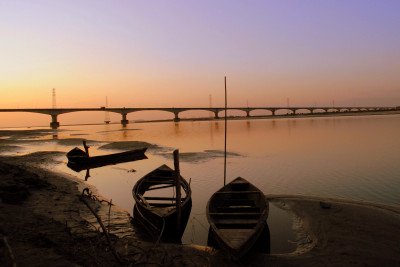
Seasonal Fishing and River Activities: During the dry season, the reduced flow of the river enables local fishermen to use the banks and sandbars extensively. While not an 'event' in the traditional sense, witnessing the organized and skillful traditional fishing activity near the bridge approach is a special seasonal occurrence. The sight of dozens of small boats and nets against the massive pillars of the bridge creates a picturesque and culturally rich tableau, especially in the early mornings of November to March.Best Photo Spots:
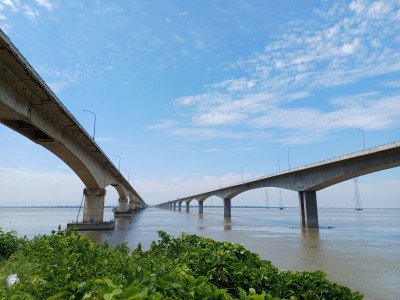
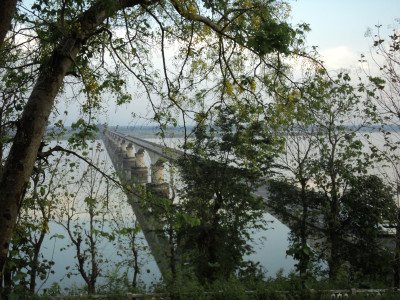
From the Bridge Approach Road (Tezpur Side): The best overall photo spots are on the approach roads leading up to the main bridge structure, particularly on the Tezpur side (North Bank). Here, the road is wide, and you can safely pull over (where permissible) before the act...From the Bridge Approach Road (Tezpur Side): The best overall photo spots are on the approach roads leading up to the main bridge structure, particularly on the Tezpur side (North Bank). Here, the road is wide, and you can safely pull over (where permissible) before the actual bridge span begins. This angle allows you to capture the entire length of the bridge in your frame, stretching into the distance over the water, which visually emphasizes its enormous scale and the powerful convergence of man-made structure and nature.
Sunset and Silhouette Shots (West Side View): The bridge runs generally east-west, so the western side offers incredible sunset photography. The setting sun can be framed behind the bridge's main structure, creating dramatic silhouettes of the spans, pillars, and the vehicles crossing. The golden and orange hues reflecting off the Brahmaputra's water beneath the bridge make for very vibrant, emotionally resonant photographs. The best time for this is about 30 minutes before the official sunset time.
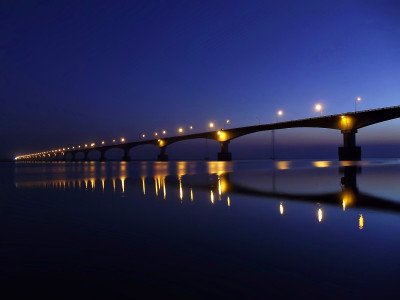
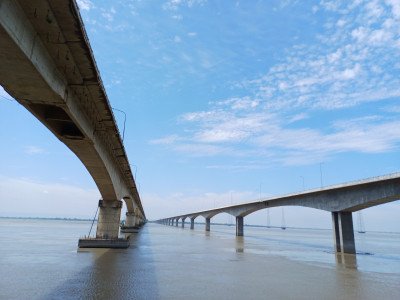
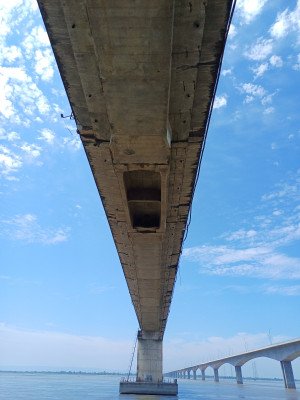
The Riverbank Below (Near Kaliabor/South Bank): For a different perspective, consider descending to the riverbank on the Kaliabor side (South Bank), where the approach is often less congested. From this low angle, the pillars of the bridge appear colossal, rising out of the water. This perspective emphasizes the engineering challenge of building over the river. It’s an ideal spot to capture the underside architecture, the reflection of the structure in the water, or close-up shots of local fishing boats passing beneath the massive spans.
Early Morning Mist and Golden Hour: During the winter months, especially from December to February, heavy mist often settles over the Brahmaputra in the early morning. Photographing the bridge during the 'golden hour' (just after sunrise) as the mist begins to lift, with the structure bathed in soft, diffused light, creates an ethereal and mysterious image. The soft lighting brings out the texture of the concrete and the quiet grandeur of the scene before the day's heavy traffic begins.Photo Gallery
Things To Do
-
Enjoy a Scenic Drive or Ride: The most common and highly recommended activity is to drive or ride across the Kolia Bhomora Setu. A slow and careful transit over the 3-kilometer span allows you to fully grasp the immensity of the Brahmaputra River. The sheer scale of the waterbody below is breathtaking, especially when you are centered over the deepest channel. The experience of moving from the northern plains of Tezpur to the southern side, with only the river and the sky visible on either side, is a classic North-East India travel memory.
Capture Sunrise and Sunset Views: The Kolia Bhomora Setu is arguably one of the best locations in the Tezpur area to witness the celestial beauty of sunrise and sunset. In the early morning, the sun emerges over the eastern horizon, casting a golden-orange glow on the still or gently moving...Enjoy a Scenic Drive or Ride: The most common and highly recommended activity is to drive or ride across the Kolia Bhomora Setu. A slow and careful transit over the 3-kilometer span allows you to fully grasp the immensity of the Brahmaputra River. The sheer scale of the waterbody below is breathtaking, especially when you are centered over the deepest channel. The experience of moving from the northern plains of Tezpur to the southern side, with only the river and the sky visible on either side, is a classic North-East India travel memory.
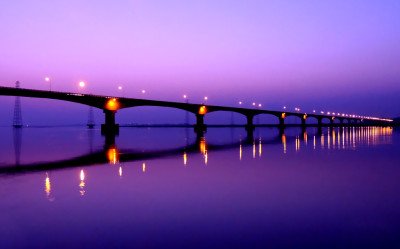
Capture Sunrise and Sunset Views: The Kolia Bhomora Setu is arguably one of the best locations in the Tezpur area to witness the celestial beauty of sunrise and sunset. In the early morning, the sun emerges over the eastern horizon, casting a golden-orange glow on the still or gently moving river water, with the bridge's structure silhouetted dramatically. Conversely, the evening sky, particularly after the monsoon season, often displays a fiery palette of reds, purples, and oranges as the sun dips below the western end of the river. These times offer unparalleled photographic opportunities and a serene atmosphere, making the journey across truly memorable.
Boating or Riverbank Walk: While it’s generally not safe to stop on the busy bridge, visitors can access the riverbanks near the bridge's approaches on the Tezpur side for a closer experience with the Brahmaputra. You can take a peaceful walk along the bank to feel the breeze coming off the water. In certain seasons, local boat operators might offer short, traditional boat rides. Experiencing the bridge from underneath or close to the water level offers a completely different perspective, highlighting the enormous height and scale of the pillars supporting the roadway high above the river.
Photography and Videography: The bridge, with its long, straight lines of concrete and steel, forms a powerful subject for photography. The contrast between the rigid, man-made structure and the fluid, ever-changing nature of the Brahmaputra provides dramatic visual tension. Focus your shots on the repeating patterns of the spans, the reflection of the bridge lights on the water after dusk, or the tiny figures of boats against the backdrop of the enormous river. Remember to always shoot from safe, designated spots on the riverbank or the approach roads, and never stop traffic on the bridge itself for a photograph.
Contemplating the River's Power: The Brahmaputra is known as one of the most powerful rivers in the world, with a flow that changes dramatically between the dry and wet seasons. Standing on the bridge or the nearby bank is an opportunity to contemplate this raw natural power. During the dry winter months, large sandbars emerge, revealing the river's width. During the intense monsoon (typically July to September), the river swells to fill its banks completely, churning with remarkable force. Understanding the challenge this river presented to engineers for centuries adds immense context to the bridge's achievement, making a simple drive a moment of thoughtful appreciation.
Local Food and Tea Breaks: While the bridge area is mostly a transport corridor, the Tezpur side approach road often has small roadside dhabas or tea stalls. A small, simple activity is to stop at one of these local places, enjoy a cup of traditional Assamese tea (cha) and local snacks, and watch the constant stream of traffic crossing the monumental bridge. It’s a chance to soak in the local atmosphere, observe the life that the bridge sustains, and relax after the drive.
Exploring the Parallel New Bridge: With the completion of the new parallel bridge, it's fascinating to observe how modern bridge-building techniques have evolved since the original Kolia Bhomora Setu was built. The new structure represents the latest in infrastructure development and is a testament to the continued need for high-capacity transport links across the Brahmaputra. Driving on the newer structure
Information
-
Why Famous:
A Lifeline for North East India: The primary reason for the fame of the Kolia Bhomora Setu lies in its critical role as a major communication artery for Assam and the wider North Eastern region of India. Before this bridge, crossing the Brahmaputra near Tezpur was a time-co...A Lifeline for North East India: The primary reason for the fame of the Kolia Bhomora Setu lies in its critical role as a major communication artery for Assam and the wider North Eastern region of India. Before this bridge, crossing the Brahmaputra near Tezpur was a time-consuming and challenging ferry journey. The bridge dramatically cut down travel time, facilitating the movement of people, goods, and services, thereby fueling economic growth and integrating the isolated North Bank with the rest of the state and country. This strategic importance has earned it the moniker of the "lifeline" of Assam's transport network.
Historical and Cultural Significance: The bridge is not just a modern structure but also a nod to history, named after the legendary Ahom General Kolia Bhomora Phukan. He was a visionary who had dreamt of building a bridge over the Brahmaputra centuries ago during the reign of Ahom King Kamaleswar Singha. Naming the modern bridge after him honors the historical aspiration for connectivity. Furthermore, the bridge’s inauguration in 1987 by Prime Minister Rajiv Gandhi was a landmark event that symbolized the country's commitment to developing the North East.
Engineering Excellence and Aesthetic Appeal: As one of the longest bridges in the region, the Kolia Bhomora Setu is celebrated as a significant feat of civil engineering. Its pre-stressed concrete design, spanning over 3 KMS of the turbulent Brahmaputra, showcased the technical capabilities of Indian construction in the 1980s. Beyond its technical prowess, the bridge's grand scale against the backdrop of the Mighty Brahmaputra and the distant Himalayas provides a spectacular visual experience, making it a popular spot for travelers to pause and admire the vastness of the river and the landscape. -
Architecture:
Design and Material Science: The Kolia Bhomora Setu is a prime example of modern bridge engineering utilizing pre-stressed concrete as its primary construction material. This choice of material is crucial for long-span bridges over turbulent rivers like the Brahmaputra, as ...Design and Material Science: The Kolia Bhomora Setu is a prime example of modern bridge engineering utilizing pre-stressed concrete as its primary construction material. This choice of material is crucial for long-span bridges over turbulent rivers like the Brahmaputra, as it provides high strength, durability, and resilience against the enormous hydrostatic pressure and seismic activity common in the region. Pre-stressed concrete involves compressing the concrete before the service loads are applied, which counteracts the tensile stresses that would otherwise cause cracks. This technique makes the bridge far more robust and long-lasting.
Dimension and Structure: The bridge has a total length of approximately 3,015 meters (3. 015 KMS). Its structure consists of 24 spans, with the longest individual span measuring 120 meters. The bridge deck is supported by robust pillars drilled deep into the riverbed, designed to withstand the mighty flow and seasonal changes of the Brahmaputra. The structure follows the principles of balanced cantilever construction, which allowed for efficient and safer building over the broad, unpredictable river. The design is simple yet highly functional, prioritizing structural integrity and traffic flow over excessive ornamentation, a characteristic typical of large-scale infrastructure projects of the late 20th century. A parallel new bridge, slightly longer at 3. 040 KMS, was later added to handle the burgeoning traffic, demonstrating the original design's successful blueprint. -
How To Reach:
By Air:
Nearest Airport: The nearest airport is Tezpur Airport (TEZ), which is approximately 15-20 KMS from the North Bank end of the bridge. It offers limited connectivity, primarily to other cities in Assam and certain parts of the North E...By Air:
Nearest Airport: The nearest airport is Tezpur Airport (TEZ), which is approximately 15-20 KMS from the North Bank end of the bridge. It offers limited connectivity, primarily to other cities in Assam and certain parts of the North East. A more major, well-connected option is Guwahati's Lokpriya Gopinath Bordoloi International Airport (GAU), which is about 180-200 KMS away. From Tezpur Airport, you can easily hire a pre-paid taxi or a local cab to reach the bridge via NH-715 in about 30 minutes. From Guwahati Airport, the journey will take approximately 4-5 hours by road, and you will need to arrange a taxi or a self-drive rental to travel to Tezpur via the national highway network.
By Train:
Nearest Railway Stations: The nearest major railway station is Rangapara North Junction (RPN), situated about 40-45 KMS from the bridge. This station connects Tezpur to a few major cities in Assam and the rest of India. From Rangapara North Junction, you can hire local auto-rickshaws or taxis for the one-hour drive to the bridge. Another significant station is Guwahati Railway Station (GHY), which is much better connected to the rest of the country. From Guwahati, you would again have to rely on road transport (bus or taxi) for the final leg of the journey to Tezpur and the bridge.
By Road:
National Highway Connectivity: The Kolia Bhomora Setu is situated directly on National Highway 715 (NH-715), making it exceptionally easy to reach by road. This highway is the principal road artery connecting the northern and southern banks of the Brahmaputra in this region. If traveling from Guwahati or central/southern Assam, you will travel north on a national highway that leads directly onto the bridge's southern end at Kaliabor. If traveling from Tezpur city or other parts of the northern bank, follow the main roads that link up to NH-715, which will lead you to the northern approach. Regular state-run and private buses ply the route connecting Tezpur with other major cities like Guwahati, Jorhat, and Dibrugarh, and all of them cross this bridge.
By Local Transport:
Access from Tezpur City: The bridge is only about 10-15 KMS from the Tezpur city center. From any point in Tezpur, you can hire a local auto-rickshaw (a common and economical option) or a shared taxi/cab to take you to the bridge's approach. It is advisable to negotiate the fare for a round trip if you wish to be dropped off after crossing and viewing the bridge. For those interested in a drive-through experience, local cab services can be hired for a short city tour that includes the bridge. The local transport is generally frequent and reliable during daylight hours. -
Weather and Best Time to Visit:
Different Types of Seasons:
The Optimal Winter Window: The best time to visit the Kolia Bhomora Setu is during the winter season, which runs from November to April. The weather during these months is cool, dry, and exceptionally pleasant, wi...Different Types of Seasons:
The Optimal Winter Window: The best time to visit the Kolia Bhomora Setu is during the winter season, which runs from November to April. The weather during these months is cool, dry, and exceptionally pleasant, with clear skies that offer the most spectacular, uninterrupted views of the Brahmaputra River and the distant Himalayan foothills. The stable weather ensures comfortable travel and excellent conditions for photography. Summer (from May to June) can be quite hot and humid, making mid-day visits uncomfortable. Monsoon (from July to October) should generally be avoided for casual sightseeing. Although the sight of the Brahmaputra in its full, ferocious flood is awe-inspiring, heavy rainfall, high humidity, and potential road issues make the journey less pleasant, and visibility is often poor.
Different Parts of the Day:
The Golden Hours: The most picturesque times of the day are the "golden hours": Sunrise (early morning, around 5:00 AM to 6:00 AM) and Sunset (late afternoon, around 4:30 PM to 5:30 PM). The sun's low angle casts a soft, warm light that highlights the bridge's structure and creates stunning reflections on the river. The early morning also brings a sense of tranquility, often accompanied by a light mist. The late afternoon and early evening are perfect for capturing the vibrant colors of the sky. Mid-day is the least desirable time due to harsh light and heat, especially outside of the peak winter months. -
Near Tourist Places:
Agnigarh Hill: (Approx. 12 KMS) - Historical fortress with great panoramic views.
Mahabhairab Temple: (Approx. 15 KMS) - Ancient and important Shiva temple.
Chitralekha Udyan (Cole Park): (Approx. 14 KMS) - A beautiful urban park with historical relics.
Da Parbatia Temple Ruins: (Approx. 22 KMS) - Features ancient stone door frame ruins from the 6th century AD.
Bhairabi Temple: (Approx. 18 KMS) - Temple located on a hillock with views of the Brahmaputra.
Padum Pukhuri: (Approx. 16 KMS) - Scenic lake with an island park.
Nameri National Park: (Approx. 45 KMS) - Famous for its rich wildlife and river rafting.
Bura Chapori Wildlife Sanctuary: (Approx. 70 KMS) - A vital habitat for migratory birds and the Great Indian One-horned Rhinoceros.
Kaziranga National Park: (Approx. 100 KMS - on the other side, near Kaliabor) - World-famous for the One-horned Rhinoceros.
Bomdila, Arunachal Pradesh: (Approx. 150 KMS) - A beautiful hill station and gateway to the Himalayas.
Tourism Tips
-
Health & Safety:
Traffic and Weather Awareness: The bridge is part of a high-speed National Highway; therefore, safety is paramount. Never stop your vehicle on the bridge for photos or sightseeing, as this is extremely dangerous due to the ...Health & Safety:
Traffic and Weather Awareness: The bridge is part of a high-speed National Highway; therefore, safety is paramount. Never stop your vehicle on the bridge for photos or sightseeing, as this is extremely dangerous due to the heavy volume of fast-moving traffic. Use only the designated viewing points on the approach roads or the river banks. Always be aware of the fast-moving traffic when on the approach roads. During summer and monsoon months, stay hydrated and carry an umbrella or raincoat. Given the bridge's open, exposed location, it is advisable to wear a cap and use sunscreen during bright daylight hours to prevent sunburn.
Packing:
Essentials for the Bridge Visit: Since the visit is primarily a drive-through or a stop at the approach, pack lightly. Essentials include a good camera or phone for photography, as the views are magnificent, especially during the golden hours. A pair of binoculars can be useful for spotting distant hills or birdlife along the river. Carry drinking water and a light snack, as there are no official facilities directly on the bridge itself. If visiting in winter (November to February), a light jacket or shawl is recommended, especially for sunrise and sunset viewings, as the breeze over the river can be quite cool.
Accommodation:
Staying in Tezpur: The best place to find accommodation is in Tezpur city, approximately 10-15 KMS from the bridge. Tezpur offers a range of options, from budget-friendly guesthouses to mid-range and premium hotels. It is advisable to pre-book your stay, especially during the peak tourist season from November to March. Staying in Tezpur provides a convenient base for exploring other local attractions like Agnigarh and the Mahabhairab Temple, and the short drive to the bridge makes it easy to visit during the desired sunrise or sunset hours.
Other Different Topics:
Local Etiquette and Permits: While no special permits are required to cross the bridge, visitors should respect local traffic rules and the surrounding environment. Do not litter on the bridge or the river banks. When interacting with local vendors or boat operators, be polite and negotiate prices clearly beforehand. If you plan to visit other protected areas nearby, such as the Kaziranga National Park (a few hours drive), remember to inquire about any necessary permits or entry fees for those locations well in advance. Keep a copy of your identification and driving documents handy, as highway checks are common.
Reviews
FAQs
Tezpur Itineray And Cost:-
Kolia Bhomora Setu Tourism:-
Information about New and Updated Locations() of Assam Has Been Added :-
Card subtitle
Note:-
Information provided here in good Faith and for reference only.
All information and pictures will be updated soon, please keep visiting.
Near Places
Agnigarh Hill
Some quick example text to build on the card title and make up the bulk of the card's content.
Go somewhere
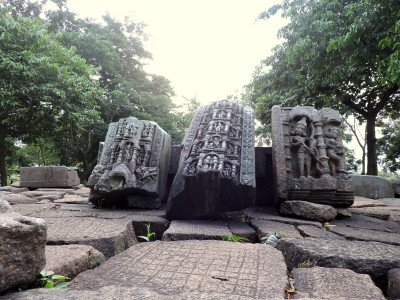
Agnigarh View Point
Some quick example text to build on the card title and make up the bulk of the card's content.
Go somewhere

Bamuni Hills
Some quick example text to build on the card title and make up the bulk of the card's content.
Go somewhere
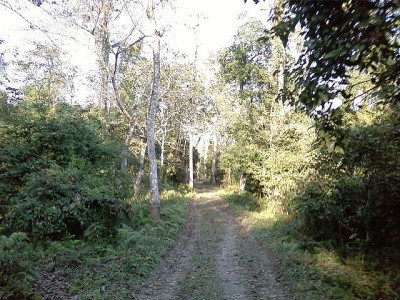
Bhairabi Temple
Some quick example text to build on the card title and make up the bulk of the card's content.
Go somewhere
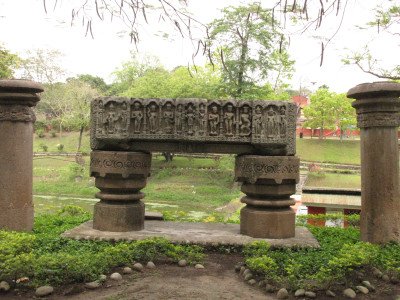
Bharali New Bridge Tezpur Side
Some quick example text to build on the card title and make up the bulk of the card's content.
Go somewhere
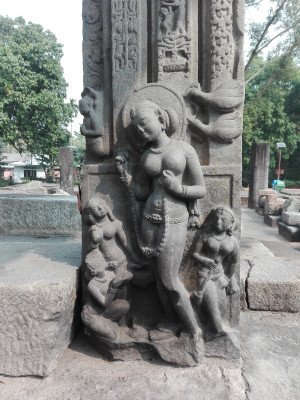
Bhomoraguri Historical Stone
Some quick example text to build on the card title and make up the bulk of the card's content.
Go somewhere
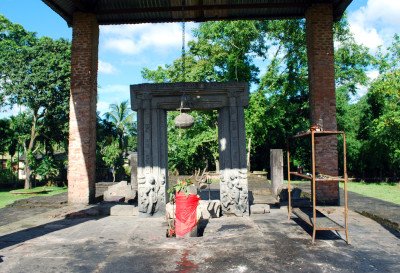
Bura Chapori Wildlife Sanctuary
Some quick example text to build on the card title and make up the bulk of the card's content.
Go somewhereChitralekha Udyan
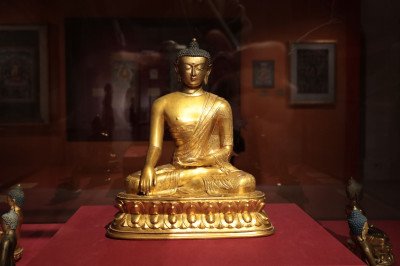
Some quick example text to build on the card title and make up the bulk of the card's content.
Go somewhere
Da-Parbatia Gate
Some quick example text to build on the card title and make up the bulk of the card's content.
Go somewhere
Da Parbatia
Some quick example text to build on the card title and make up the bulk of the card's content.
Go somewherein Other Cities
