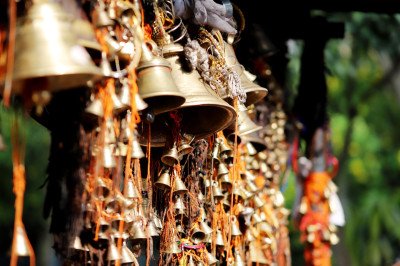
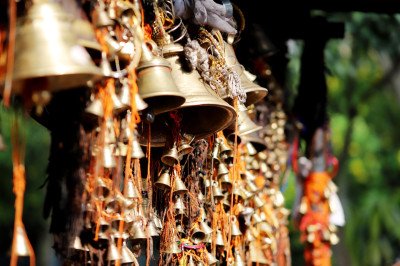
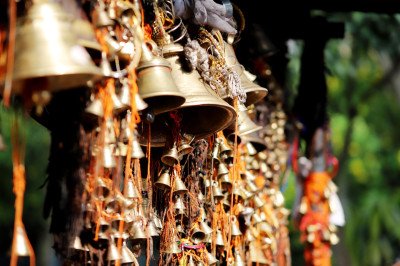
Rudrapada Temple
General information
-
Ideal Duration:
1 to 2 HoursPlace Type:
Religious/Spiritual Site, Historical Landmark, TemEntry Fees:
The Tradition of Open Access: The Rudrapada Temple, like most Hindu temples in India, traditionally does not charge a mandatory entrance fee for devotees or tourists. The concept of visiting a place of worship for spiritual purposes is generally considered a right, not a pa...The Tradition of Open Access: The Rudrapada Temple, like most Hindu temples in India, traditionally does not charge a mandatory entrance fee for devotees or tourists. The concept of visiting a place of worship for spiritual purposes is generally considered a right, not a paid service. Therefore, there is no official entry fee to access the temple premises and offer prayers.
()Voluntary Donations and Offerings: While there is no fee, visitors are welcome to make a voluntary donation towards the temple's maintenance, daily puja expenses, or charitable work. Donation boxes are usually placed near the entrance or in the main hall. It is a gesture of goodwill, entirely at the visitor's discretion. Additionally, visitors may incur a minimal cost for purchasing offerings such as flowers, incense sticks, or sweets (prasad) from local vendors outside the temple, which is a separate expense from any entry charge.
()Photography and Other Service Fees: There are typically no fees for general photography in the public areas outside the main sanctum, but it is always wise to confirm this with temple authorities. For any specialized services, such as a dedicated puja by a temple priest for a family or a specific ritual, a small service charge (or a larger dakshina or offering) is expected to compensate the priest's time, but this is not a general 'entry fee. ' () (Total )Timing:
Regular Timings for Visitors: The temple generally follows a schedule centered around the daylight hours and the daily rituals of the deity. It is typically open from Sunrise to Sunset, often translating to approximately 6:00 AM to 6:00 PM daily. However, it’s important ...Regular Timings for Visitors: The temple generally follows a schedule centered around the daylight hours and the daily rituals of the deity. It is typically open from Sunrise to Sunset, often translating to approximately 6:00 AM to 6:00 PM daily. However, it’s important to note that the doors to the main sanctum (garbhagriha) may close for a few hours in the afternoon for the deity's rest (bhog) and cleaning, often around 1:00 PM to 3:00 PM. Visitors should plan their trip to avoid this specific mid-day break to ensure they can view the sacred footprint.
()Ideal Visit Time (Spiritual Atmosphere): The Ideal Visit Time is early in the morning, between 6:00 AM and 8:00 AM. This period coincides with the morning Aarti and the first puja of the day, offering a pure, uncrowded, and spiritually vibrant atmosphere. The morning light is also excellent for photography, and the river breeze is cool and pleasant. The early hours enhance the tranquil and meditative experience of the temple.
()Ideal Visit Time (Scenic Beauty): The second-best time is around sunset, from 4:30 PM to 6:00 PM. Although the main sanctum might be nearing closing, the riverbank location provides spectacular views. The sunset over the Brahmaputra is a breathtaking sight, making this the perfect time for landscape photography and quiet reflection outside the main shrine. This time also offers a respite from the day's heat. () (Total )Special Events:
Maha Shivaratri Festival: The most significant and spectacular event celebrated at Rudrapada Temple is Maha Shivaratri, or the 'Great Night of Shiva. ' This festival, which usually falls in February or March (Magha or Phalguna month of the Hindu calendar), attracts thousands...Maha Shivaratri Festival: The most significant and spectacular event celebrated at Rudrapada Temple is Maha Shivaratri, or the 'Great Night of Shiva. ' This festival, which usually falls in February or March (Magha or Phalguna month of the Hindu calendar), attracts thousands of devotees from all over Assam and beyond. The temple complex is beautifully illuminated, and continuous prayers (bhajans) and hymns are sung throughout the night. Special pujas are performed on the sacred footprint, and long queues of pilgrims wait to offer milk, water, bel leaves, and fruits to Lord Shiva. The festive fervor and spiritual energy during this time are palpable, offering a unique opportunity to witness the local religious culture in its full glory.
()Local Assamese New Year Celebrations (Bihu): While not exclusive to the temple, the Rongali Bihu or Bohag Bihu (the Assamese New Year in April) is celebrated with great reverence. The temple is a focal point for the community during this time, with special prayers for prosperity and a good harvest. The local cultural enthusiasm subtly spills over into the temple, where people gather to start the new year with blessings. () (Total )Best Photo Spots:
The River-Facing Terrace: The small elevated terrace or open area facing the Brahmaputra River provides the single best spot. This location allows for a wide-angle shot of the river, the vast horizon, and the faint outline of the Kalia Bhomora Setu bridge in the distance. ...The River-Facing Terrace: The small elevated terrace or open area facing the Brahmaputra River provides the single best spot. This location allows for a wide-angle shot of the river, the vast horizon, and the faint outline of the Kalia Bhomora Setu bridge in the distance. The best time is during Golden Hour (sunrise or sunset) when the diffused light casts a magical, soft glow over the landscape, creating deep, rich colors in the water and sky.
()Framing the Temple Gate: The main entrance gate, often decorated with simple, colorful traditional motifs, can be used to frame the main temple structure. This angle allows the photographer to capture the cultural essence—the intricate Assamese design—while keeping the primary religious structure as the focus. This spot is best utilized early in the morning before crowds gather to ensure a clean, unobstructed shot.
()Candid Shots of Devotees: Capturing the candid moments of devotion, such as the locals offering prayers or performing parikrama (circumambulation) outside the sanctum, offers a powerful human element to the photography. The reverence in their expressions against the rustic backdrop of the temple wall can be deeply moving. It is crucial, however, to be respectful and discreet while taking such photographs. () (Total )Photo Gallery
Things To Do
-
Attending the Morning Aarti and Puja: The primary activity is participating in the temple rituals. Attending the morning Aarti is a deeply moving experience where one can witness traditional Hindu worship with lamps, incense, and hymns. This is the best time to feel the spiritual energy of the temple and observe the devotion of the local community. Visitors can quietly offer prayers and seek the blessings of Lord Shiva. The atmosphere is tranquil and provides a sense of peace before the day begins.
()Meditating by the Brahmaputra River Bank: The temple's location on the riverbank is perfect for quiet contemplation. Taking a few moments to sit near the river, feeling the cool breeze, and listening to the gentle flow of the Brahmaputra is a powerful, restorative activity. It’s an ideal spot for meditation and self-reflectio...Attending the Morning Aarti and Puja: The primary activity is participating in the temple rituals. Attending the morning Aarti is a deeply moving experience where one can witness traditional Hindu worship with lamps, incense, and hymns. This is the best time to feel the spiritual energy of the temple and observe the devotion of the local community. Visitors can quietly offer prayers and seek the blessings of Lord Shiva. The atmosphere is tranquil and provides a sense of peace before the day begins.
()Meditating by the Brahmaputra River Bank: The temple's location on the riverbank is perfect for quiet contemplation. Taking a few moments to sit near the river, feeling the cool breeze, and listening to the gentle flow of the Brahmaputra is a powerful, restorative activity. It’s an ideal spot for meditation and self-reflection, connecting the spiritual history of the temple with the majesty of nature. This is a must-do for travelers seeking solace and tranquility.
()Observing the Sacred Footprint Relic: Devotees spend time observing the sacred stone slate with the footprint of Lord Shiva in the main sanctum. This is the core reason for pilgrimage. Taking a moment to understand the mythology and the history associated with this relic is an essential part of the visit. It is advisable to be respectful of the local customs and traditions while inside the sanctum.
()Photography of the River and Landscape: While photography inside the main shrine may be restricted, the surrounding area provides spectacular opportunities. Capturing the panoramic view of the Brahmaputra River, especially the sunrise or sunset, is a rewarding activity. The temple structure against the backdrop of the massive river also makes for beautiful landscape photography. The view of the Kalia Bhomora Setu (bridge) in the distance can also be framed from here.
()Exploring the Surrounding Neighborhood: The area around the temple is generally a residential and peaceful locality. Taking a slow, leisurely walk along the paths nearby allows visitors to observe the local Assamese life, including traditional homes and small local markets. This offers a genuine, non-touristy glimpse into the daily life of Tezpur residents. Interacting with the locals can also yield interesting stories about the temple and the region's history. ()Combining the Visit with Nearby Historical Sites: A visit to Rudrapada Temple can be part of a historical and spiritual circuit. It is a short drive from other significant sites like Agnigarh Hill, the famous ancient fort linked to the story of Usha and Aniruddha, and the Mahabhairab Temple, another major Shiva shrine. Combining these visits allows for a comprehensive understanding of Tezpur's rich mythological past.
()Sampling Local Cuisine: Look for small, local eateries (dhabas or tea stalls) near the temple to sample authentic Assamese snacks and sweets. This offers a sensory experience of the local culture and can be a delightful break after the spiritual visit. Try local tea or a basic rice preparation to truly immerse yourself in the regional flavors. () (Total )
Information
-
Why Famous:
The Mythological Footprint Connection: The primary fame of Rudrapada Temple rests on the powerful legend that it enshrines the footprint (pada) of Lord Shiva (Rudra). This mythological association makes it a Shiva pilgrimage site of immense significance in Assam. Devotees ...The Mythological Footprint Connection: The primary fame of Rudrapada Temple rests on the powerful legend that it enshrines the footprint (pada) of Lord Shiva (Rudra). This mythological association makes it a Shiva pilgrimage site of immense significance in Assam. Devotees believe that a visit here is equivalent to receiving the direct blessing of the deity, who manifested his fierce form (Rudra) at this very spot to meet King Banasura. This sacred relic draws pilgrims from across the region, especially during auspicious months.
()King Shiva Singha's Legacy: Its historical fame is cemented by its original construction in 1730 A. D. by the powerful Ahom King Shiva Singha. This patronage by one of the prominent Assamese rulers links the temple to the region's rich medieval history, adding a layer of cultural and historical importance to its religious identity. This blend of ancient myth and recorded history significantly contributes to its reputation.
()The Brahmaputra River Setting: The location on the bank of the majestic Brahmaputra River also makes it famous. The scenic beauty, particularly the view of the river and its vast expanse, enhances the spiritual experience. The constant presence of the mighty river underscores the temple's enduring nature, despite the erosion that once destroyed its original form. () (Total ) -
Architecture:
Historical Structure and Material: The original Rudrapada Temple built by King Shiva Singha in 1730 A. D. was likely constructed in the typical Assamese style, which often involves a small square sanctum (garbhagriha) with a curvilinear tower (shikhara) above it. Given the...Historical Structure and Material: The original Rudrapada Temple built by King Shiva Singha in 1730 A. D. was likely constructed in the typical Assamese style, which often involves a small square sanctum (garbhagriha) with a curvilinear tower (shikhara) above it. Given the erosion, the current standing structure is a reconstruction, primarily using modern materials like concrete, which is common for temples in the region requiring protection from the elements. The focus of the architecture is less on grand structural dimensions and more on the preservation and reverence of the central relic: the sacred footprint stone.
()The Preserved Relic: The most important "architectural" element is the stone slate bearing the footprint. Although its precise dimensions are not widely documented, its significance overshadows the physical structure. This relic is housed in the sanctum, making the internal space the most revered area. The rest of the temple structure is built to protect this sacred spot and provide space for devotees. The current temple complex is relatively modest in dimension, reflecting its status as a river-bank shrine that has undergone necessary restoration rather than a massive, sprawling complex.
()Mandapa and Entrance: The temple often includes a small assembly hall (mandapa) leading to the garbhagriha. The overall compound typically features a boundary wall and a main entrance gate, which, while modern, still incorporate traditional decorative motifs. The setting on the Brahmaputra bank serves as a natural backdrop, where the river's sheer dimension adds to the spiritual gravitas of the location. () (Total ) -
How To Reach:
By Air: The nearest airport is Tezpur Airport (TEZ), also known as Saloni Airport, located about 15. 7 KMS away from the city center, and thus a short drive from the temple. Tezpur Airport offers limited domestic flight connectivity, primarily to cities like Guwahati and Ko...By Air: The nearest airport is Tezpur Airport (TEZ), also known as Saloni Airport, located about 15. 7 KMS away from the city center, and thus a short drive from the temple. Tezpur Airport offers limited domestic flight connectivity, primarily to cities like Guwahati and Kolkata. From the airport, one can hire a pre-paid taxi or a local cab to reach the temple. For broader connectivity, the nearest major international airport is Lokpriya Gopinath Bordoloi International Airport (GAU) in Guwahati, which is approximately 175 kilometers away. Travelers arriving at Guwahati can either take a connecting flight to Tezpur or opt for the scenic route via road or train.
()By Train: The nearest major railway station is Rangapara North Railway Station (RPAN), which is well-connected to major cities in Assam and the rest of India. Another nearby station is Dekargaon Railway Station (TZTB), which is about 11. 8 KMS from the city center. From either station, travelers can easily hire an auto-rickshaw or a taxi for the final stretch to the temple. The railway network is the preferred mode of transport for travelers coming from distant parts of India, as it offers a budget-friendly and comfortable journey across the country's varied landscape.
()By Road: Tezpur is excellently connected by road via National Highway 15 (NH 15) and other state highways. The city is a major junction in North Assam. The Assam State Transport Corporation (ASTC) operates regular buses connecting Tezpur to major cities like Guwahati, Jorhat, Shillong, and Itanagar. Private bus operators also run daily services, including comfortable sleeper buses for long-distance travel. The temple is situated on the eastern side of Tezpur town, and once in the city, the well-maintained roads make it easily accessible by private car, taxi, or local bus.
()By Local Transport: To reach the Rudrapada Temple from within Tezpur city, the most common modes of local transport are auto-rickshaws, cycle-rickshaws, and local taxis. Auto-rickshaws are readily available and operate on shared or reserved fare bases. Since the temple is about 7. 1 KMS from the city center, an auto-rickshaw is a convenient and cost-effective way to travel directly to the temple gate. Ensure you negotiate the fare before starting the journey. () (Total ) -
Weather and Best Time to Visit:
Season:
The Winter-Spring Window (October to April): The absolute Best Time to Visit Rudrapada Temple is during the post-monsoon and winter months, specifically from October to April. This period is characterized by a dry, pleasant, and mild...Season:
The Winter-Spring Window (October to April): The absolute Best Time to Visit Rudrapada Temple is during the post-monsoon and winter months, specifically from October to April. This period is characterized by a dry, pleasant, and mild climate, with comfortable temperatures ranging from 15°C to 28°C. The clear skies provide magnificent views of the Brahmaputra and the surrounding landscape, making sightseeing enjoyable. This season is perfect for all-day explorations and is highly recommended for tourists.
()
Season:
Avoiding the Monsoon (May to September): The monsoon season, from May to September, should ideally be avoided. Assam experiences heavy rainfall during this time, which can lead to localized flooding and make river-bank areas, including the temple site, difficult to access. While the lush green surroundings are beautiful, the humidity is high, and travel can be inconvenient. The river's high water level also diminishes the panoramic view.
()Part of the Day:
Early Morning (Spiritual Focus): The best part of the day to visit is the early morning (6:00 AM to 8:00 AM). This allows visitors to attend the serene morning prayers and Aarti, experience the temple when it is at its most spiritual and tranquil, and enjoy the cool weather before the day's heat sets in.
()Part of the Day:
Late Afternoon/Sunset (Scenic Focus): A visit in the late afternoon (4:30 PM to 6:00 PM) is ideal for those who prioritize the scenic experience. Watching the sunset over the Brahmaputra River from the temple bank is a memorable experience and provides excellent photo opportunities. () (Total ) -
Near Tourist Places:
1. Agnigarh Hill (4.
5 KMS): Famous historical site and garden with panoramic river views. 2.
Mahabhairab Temple (2 KMS): Ancient Shiva temple with one of the largest Shiva Lingams. 3. Chitralekha Udyan (Cole Park) (
5 KMS): Public park with historical relics, boating, and a toy train. 4. Hazara Pukhuri (6.
5 KMS): Large historical tank/reservoir. 5.
Padum Pukhuri (Lotus Pond) (6 KMS): Park with an island, musical fountain, and boating. 6.
Bhairabi Temple (9 KMS): Ancient temple dedicated to Goddess Bhairavi. 7. Ketakeshwar Dewal (3.
5 KMS): Another famous Shiva shrine with a naturally separated Shiva Lingam. 8. Bamuni Hills (7.
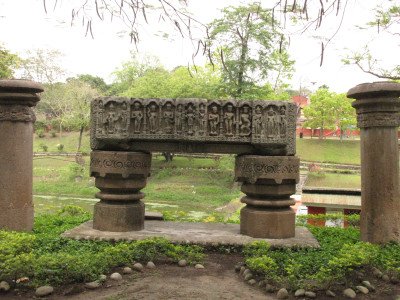
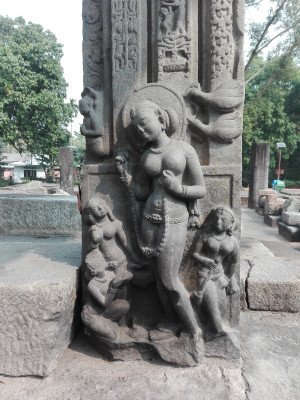
5 KMS): Ruins of a 9th-10th century temple, famous for sculptural ruins. 9.
Da Parbatia Gate (10 KMS): Ruins of a 6th-century temple door frame with exquisite carvings. 10.
Kalia Bhomora Setu (Approx 1
5 KMS): Long bridge over the Brahmaputra offering scenic drive.
Tourism Tips
-
Health & Safety:
Riverbank Caution: Since the temple is on the bank of the Brahmaputra River, visitors must exercise caution, especially during or after the monsoon season when the water levels are high and the banks can be slippery. Do not ...Health & Safety:
Riverbank Caution: Since the temple is on the bank of the Brahmaputra River, visitors must exercise caution, especially during or after the monsoon season when the water levels are high and the banks can be slippery. Do not venture too close to the water's edge. Also, carry drinking water as local amenities might be basic. Use insect repellent, particularly if visiting near sunrise or sunset.
()Packing:
Conservative Dress and Comfort: As a place of worship, conservative dressing is strongly advised. Men should wear trousers or decent ethnic wear, and women should wear salwar kameez, sarees, or other modest attire that covers the shoulders and knees. Comfortable walking shoes are essential, as you may have to walk barefoot inside the temple courtyard. Carry a light jacket during the winter months (November to February).
()Accommodation:
Tezpur City Base: It is highly recommended to stay in a hotel or guesthouse within Tezpur city, as accommodation facilities right near the temple are limited. Tezpur offers a range of options from budget hotels to mid-range resorts like Hotel KRC Palace or Greenpoint Resort. Booking in advance, especially during the Maha Shivaratri festival, is essential.
()Other Tips:
Photography Etiquette and Local Culture: Always ask for permission before taking close-up photos of devotees or priests. Refrain from taking photos inside the main sanctum. Respect the local Assamese culture and traditions; for example, remove your footwear before entering the temple premises. Keep the environment clean and avoid littering, especially near the sacred river. Hiring a local guide can significantly enhance your understanding of the temple's rich history and mythology. () (Total )
Reviews
FAQs
Tezpur Itineray And Cost:-
Rudrapada Temple Tourism:-
Information about New and Updated Locations() of Assam Has Been Added :-
Card subtitle
Note:-
Information provided here in good Faith and for reference only.
All information and pictures will be updated soon, please keep visiting.
Near Places
Agnigarh Hill
Some quick example text to build on the card title and make up the bulk of the card's content.
Go somewhere
Agnigarh View Point
Some quick example text to build on the card title and make up the bulk of the card's content.
Go somewhere
Bamuni Hills
Some quick example text to build on the card title and make up the bulk of the card's content.
Go somewhere
Bhairabi Temple
Some quick example text to build on the card title and make up the bulk of the card's content.
Go somewhere
Bharali New Bridge Tezpur Side
Some quick example text to build on the card title and make up the bulk of the card's content.
Go somewhere
Bhomoraguri Historical Stone
Some quick example text to build on the card title and make up the bulk of the card's content.
Go somewhere
Bura Chapori Wildlife Sanctuary
Some quick example text to build on the card title and make up the bulk of the card's content.
Go somewhereChitralekha Udyan
Some quick example text to build on the card title and make up the bulk of the card's content.
Go somewhere
Da-Parbatia Gate
Some quick example text to build on the card title and make up the bulk of the card's content.
Go somewhere
Da Parbatia
Some quick example text to build on the card title and make up the bulk of the card's content.
Go somewherein Other Cities
