Lala Rerumal Haveli
General information
-
Ideal Duration:
45 MinutesPlace Type:
Heritage HaveliEntry Fees:
Viewing from Outside: There is generally No Entry Fee to view the exterior and the garden perimeter.
Private Area Access: As a partially private residence/complex, accessing the interior rooms or the private pleasure terrace may be restricte...Viewing from Outside: There is generally No Entry Fee to view the exterior and the garden perimeter.
Private Area Access: As a partially private residence/complex, accessing the interior rooms or the private pleasure terrace may be restricted or require permission from the current caretakers/owners.
Respect for Property: Any internal access, if granted, should be treated with the utmost respect for the historical structure and the privacy of the people managing it. Voluntary donations are appreciated if a caretaker provides a detailed tour. :Timing:
Regular Timings: No Fixed Timings as it is a heritage property. Exterior viewing is open All Day.
Ideal Visit Time: Morning (9:00 AM - 11:00 AM) is best to see the garden and the facade in gentle light. Late Afternoon is also good for a st...Regular Timings: No Fixed Timings as it is a heritage property. Exterior viewing is open All Day.
Ideal Visit Time: Morning (9:00 AM - 11:00 AM) is best to see the garden and the facade in gentle light. Late Afternoon is also good for a stroll when the temperature is cooler.
Photo Light: The area is well-lit for photography in the mornings.
Duration: Allocate approximately 45 minutes to an hour to fully appreciate the architecture and the garden features without rushing. :Special Events:
Local Sood Clan Gatherings: Being a prominent haveli of a major clan, it is occasionally the site of private or semi-private family and community functions, especially during festivals or marriage seasons, though these are not public events.
Bai...Local Sood Clan Gatherings: Being a prominent haveli of a major clan, it is occasionally the site of private or semi-private family and community functions, especially during festivals or marriage seasons, though these are not public events.
Baisakhi Festival: During Baisakhi (April), the festive spirit in the village, especially around the prominent havelis like Lala Rerumal Haveli, is palpable, with locals often celebrating the harvest season with traditional songs and dances nearby. :Best Photo Spots:
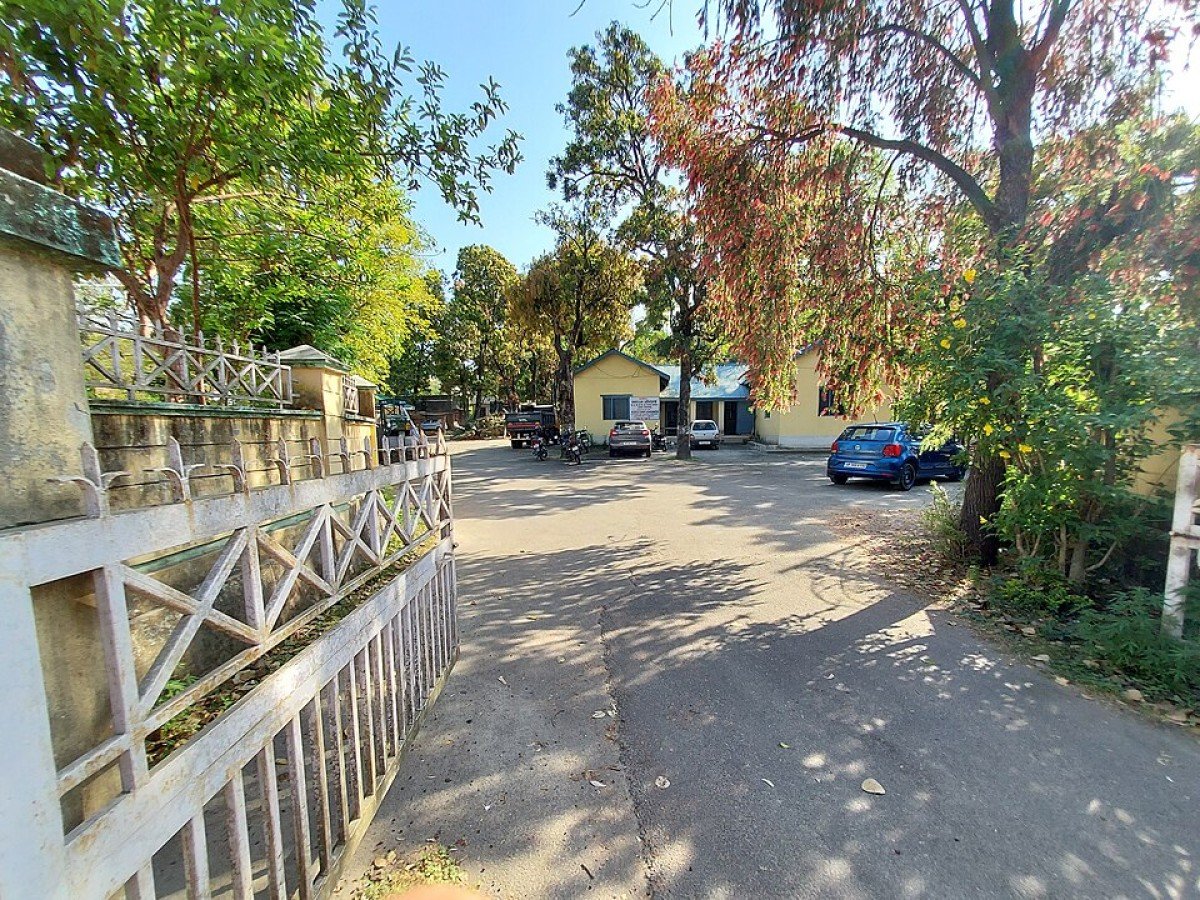
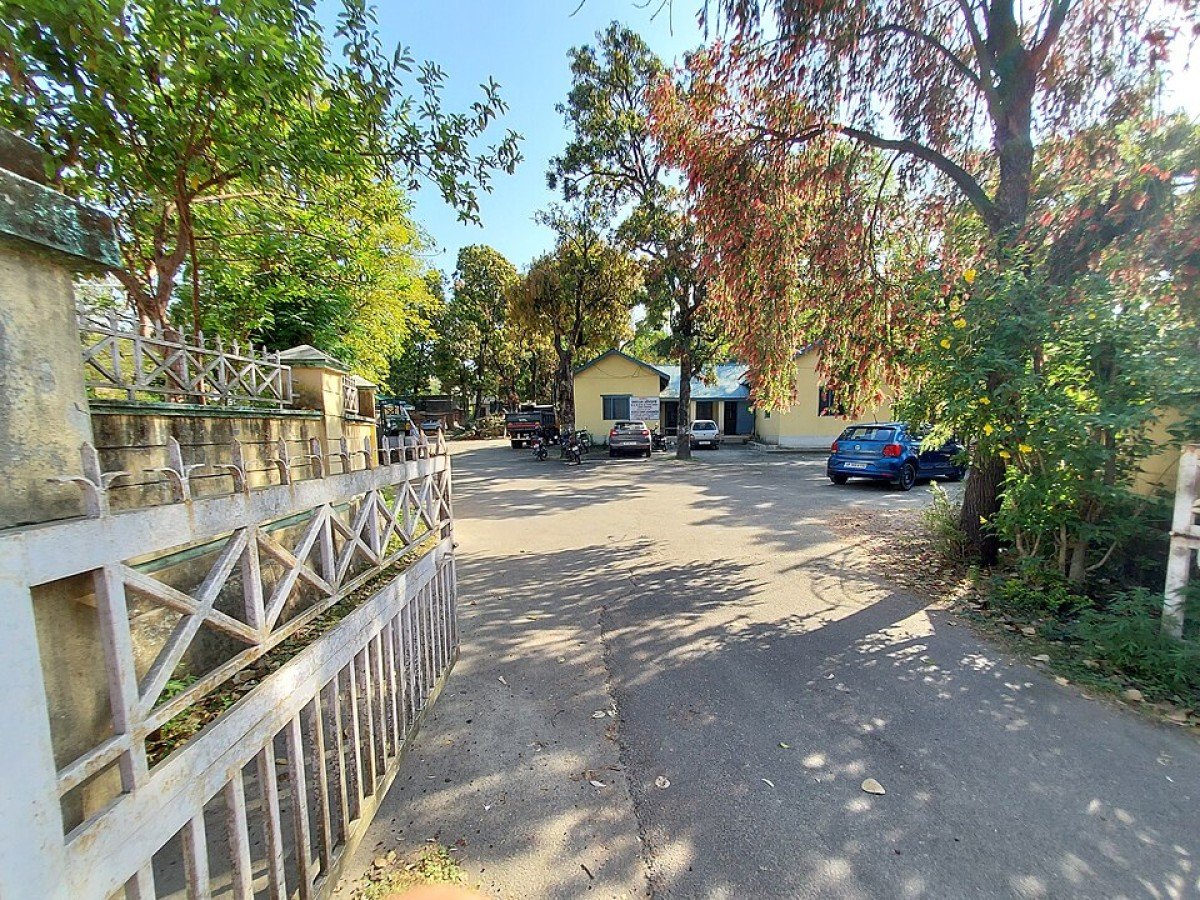
The Garden Gate: The ornate entrance and garden gate, often featuring unique carvings, provide an excellent spot for a focused photograph that captures the architectural style.
Terrace View (if accessible): The wide-angle shot from the pleas...The Garden Gate: The ornate entrance and garden gate, often featuring unique carvings, provide an excellent spot for a focused photograph that captures the architectural style.
Terrace View (if accessible): The wide-angle shot from the pleasure terrace capturing the village rooftops with the Dhauladhar peaks in the distance is highly sought after.
Reflections in the Reservoir: The reflection of the haveli or the sky in the still water of the large tank offers a striking and artistic photo opportunity.
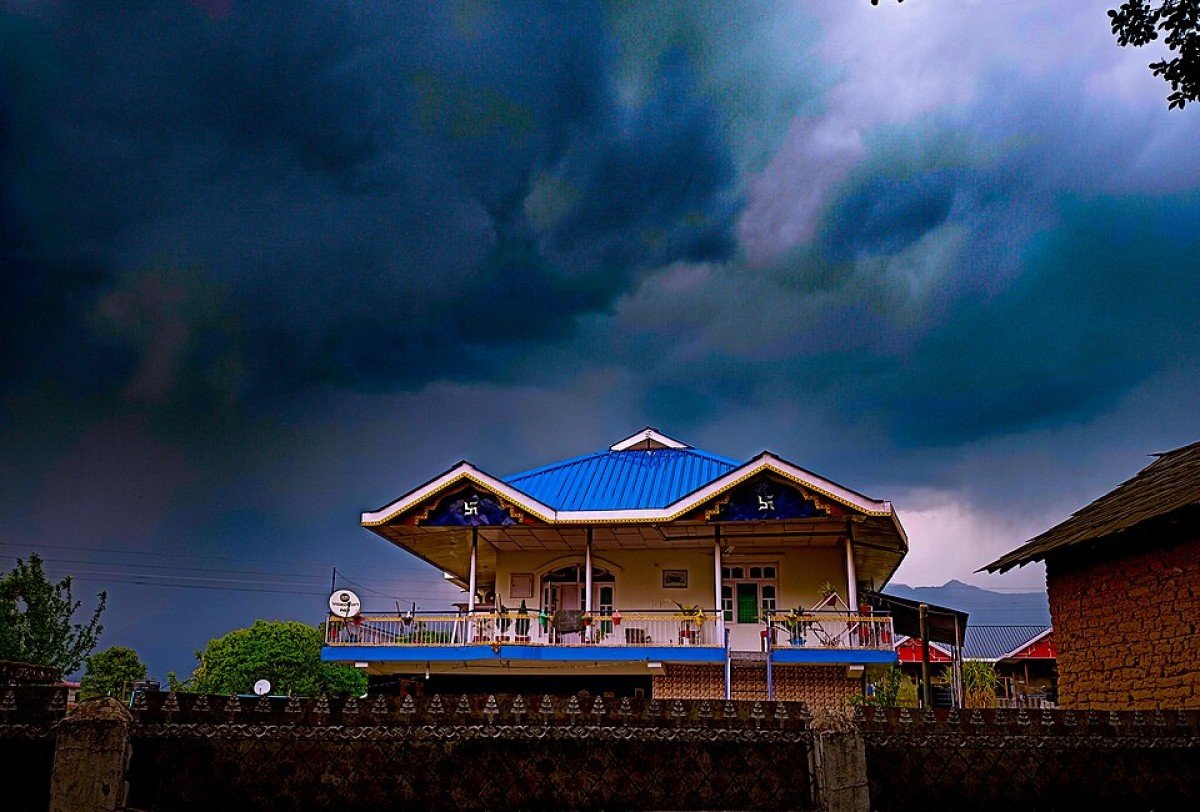
Framing the Windows: Focus on the intricate window and balcony carvings to capture the detailed craftsmanship of the 1930s era. :Photo Gallery
Things To Do
-
Explore the Mughal Garden: Stroll through the well-kept garden, appreciating the formal layout and the use of local and ornamental plants, offering a tranquil space for relaxation.
Study the Facade Detail: Spend time examining the intricate wooden jali work, balconies, and the use of contrasting stone and brickwork that defines the haveli’s exterior style.
Ascend the Pleasure Terrace: If accessible, spend a few moments on the terrace to enjoy the panoramic views of the village and the Kangra Valley.
Sketching and Painting: The beautiful garden and architectural blend make it an ideal spot for artists to sit and capture the scene.
Learn about Water Management: Observe the large reservoir and learn about its historical role in th...Explore the Mughal Garden: Stroll through the well-kept garden, appreciating the formal layout and the use of local and ornamental plants, offering a tranquil space for relaxation.
Study the Facade Detail: Spend time examining the intricate wooden jali work, balconies, and the use of contrasting stone and brickwork that defines the haveli’s exterior style.
Ascend the Pleasure Terrace: If accessible, spend a few moments on the terrace to enjoy the panoramic views of the village and the Kangra Valley.
Sketching and Painting: The beautiful garden and architectural blend make it an ideal spot for artists to sit and capture the scene.
Learn about Water Management: Observe the large reservoir and learn about its historical role in the Haveli's self-sufficiency and water supply, a core part of its design.
Seek Local Art and Crafts: Check the surrounding market lanes near the Haveli, which often host local silversmiths and weavers, perfect for purchasing authentic Himachali souvenirs.
Photography of the Reservoir: Capture the reflection of the building or the sky in the large water tank for a unique photo. :
Information
-
Why Famous:
Mughal Garden Integration: It is primarily famous for incorporating a beautifully landscaped Mughal-style Garden and a pleasure terrace within the traditional Pragpur architectural landscape, a rarity in the region.
Showcasing the Rais Class:Mughal Garden Integration: It is primarily famous for incorporating a beautifully landscaped Mughal-style Garden and a pleasure terrace within the traditional Pragpur architectural landscape, a rarity in the region.
Showcasing the Rais Class: The haveli represents the pinnacle of wealth and taste of a local Rais (gentleman/noble) of Pragpur, signifying a class that valued both traditional roots and external artistic influences, making it a key historical point on the village tour.
1931 Landmark: Its relatively late construction date (1931) makes it a critical landmark in studying the continuation of heritage architecture into the British Raj era. : -
Architecture:
Architectural Synthesis: The haveli represents a transitional architectural phase, combining the functional, fort-like aspects of older havelis with the aesthetic sophistication of Mughal garden design.
Key Features and Dimensions: The struc...Architectural Synthesis: The haveli represents a transitional architectural phase, combining the functional, fort-like aspects of older havelis with the aesthetic sophistication of Mughal garden design.
Key Features and Dimensions: The structure features intricate wooden carvings and lattice work, common in Kangra style. The Mughal-style Garden is a defining feature, designed for relaxation. The large Water Reservoir (tank) is significant both for utility and aesthetics. The elevated Pleasure Terrace provides views of the surroundings. The main building dimensions are estimated to be 40×40 feet, with the reservoir being a large feature nearby. : -
How To Reach:
By Air: Nearest Airport is Kangra (Gaggal Airport, DHM) at approx. 55 KMS. Followed by a taxi or local bus. Nearest international access is from Amritsar or Chandigarh.
By Train: Nearest major railhead is Una (UHL) at approx. 70 KMS. Ta...By Air: Nearest Airport is Kangra (Gaggal Airport, DHM) at approx. 55 KMS. Followed by a taxi or local bus. Nearest international access is from Amritsar or Chandigarh.
By Train: Nearest major railhead is Una (UHL) at approx. 70 KMS. Take a taxi or bus. Pathankot (approx. 100 KMS) is a good alternative.
By Road: Well-connected to Chandigarh (approx. 180 KMS) and Dharamshala (approx. 60 KMS) via state highways. Buses and private taxis are easily available.
By Local Transport: The haveli is situated in the main village core and is reached only By Foot via the cobblestone streets from the main parking area. Walking is the only way to fully appreciate the heritage zone. : -
Weather and Best Time to Visit:
Different Seasons: Spring (March–April) is a great time when the garden is in full bloom. Autumn (October–November) offers clear weather and pleasant temperatures for exploration. Avoid the intense heat of May and June and the heavy rains of Monsoon (July–August).Different Seasons: Spring (March–April) is a great time when the garden is in full bloom. Autumn (October–November) offers clear weather and pleasant temperatures for exploration. Avoid the intense heat of May and June and the heavy rains of Monsoon (July–August).
Different Parts of the Day: Early Morning to avoid the sun and the crowds, and to get the best light for the garden and the façade. Late Afternoon is also enjoyable for a quiet reflective visit. : -
Near Tourist Places:
Jwalamukhi Temple (23 KMS), Chintpurni Temple (27 KMS), Kangra Fort (45 KMS), Mata Brajeshwari Temple, Kangra (45 KMS), Maharana Pratap Sagar Dam (Pong Dam) (50 KMS), Gaggal Airport (55 KMS), Dharamshala (60 KMS), Una Railway Station (70 KMS), Palampur (80 KMS), The Judge's Court (1 KM).
Tourism Tips
-
Health & Safety: Watch your step on the uneven cobblestone streets around the haveli. Carry sun protection during the day.
Packing: Wear comfortable shoes suitable for walking. Carry a bottle of water, especially if exploring the large gar...Health & Safety: Watch your step on the uneven cobblestone streets around the haveli. Carry sun protection during the day.
Packing: Wear comfortable shoes suitable for walking. Carry a bottle of water, especially if exploring the large garden area.
Accommodation: Staying in Pragpur itself, possibly at the nearby Judge's Court or a local homestay, enhances the experience, allowing early morning exploration.
Other Different Topics: Do not enter restricted areas of the haveli. The area is part of the designated heritage zone, so please refrain from littering. Ask for a local guide to know more about the Rais family that built this haveli. :
Reviews
FAQs
Pragpur Itineray And Cost:-
Lala Rerumal Haveli Tourism:-
Other Places In Pragpur :-
Other States In India :-
Information about New and Updated Locations() of Himachal Pradesh Has Been Added :-
Card subtitle
Note:-
Information provided here in good Faith and for reference only.
Near Places

Baglamukhi Temple
Some quick example text to build on the card title and make up the bulk of the card's content.
Go somewhere
Beas River Bank - Chamba Pattan
Some quick example text to build on the card title and make up the bulk of the card's content.
Go somewhere
Bir Billing
Some quick example text to build on the card title and make up the bulk of the card's content.
Go somewhere
Brajeshwari Devi Temple
Some quick example text to build on the card title and make up the bulk of the card's content.
Go somewhere
Butail Niwas
Some quick example text to build on the card title and make up the bulk of the card's content.
Go somewhere
Dada Siba Fort / Temple
Some quick example text to build on the card title and make up the bulk of the card's content.
Go somewhere
Garli Heritage Village
Some quick example text to build on the card title and make up the bulk of the card's content.
Go somewhere
Haripur Fort
Some quick example text to build on the card title and make up the bulk of the card's content.
Go somewhere
Jwala Devi Temple
Some quick example text to build on the card title and make up the bulk of the card's content.
Go somewhere
Kaleshwar Mahadev
Some quick example text to build on the card title and make up the bulk of the card's content.
Go somewhere
Kareri Lake Trek Base
Some quick example text to build on the card title and make up the bulk of the card's content.
Go somewhere
Lala Rerumal Haveli
Some quick example text to build on the card title and make up the bulk of the card's content.
Go somewhere
Maharana Pratap Sagar
Some quick example text to build on the card title and make up the bulk of the card's content.
Go somewhere
Muchkund Mahadev Temple
Some quick example text to build on the card title and make up the bulk of the card's content.
Go somewhere
Nadaun
Some quick example text to build on the card title and make up the bulk of the card's content.
Go somewhere
Pahari Gandhi Baba Kanshi Ram House
Some quick example text to build on the card title and make up the bulk of the card's content.
Go somewherein Other Cities