

Maharajbagh Zoo
General information
-
Ideal Duration:
2 Hours to 3 Hours:Place Type:
Zoological Park/Botanical Garden:Entry Fees:
Entry Fee: Nominal fee for Adults and Children. : The Maharajbagh Zoo charges a nominal entry fee. The fee is typically around Rs.40 per person for adults and Rs.20 per person for children. The small revenue generated helps in the maintenance and upkeep of the animals and the ...Entry Fee: Nominal fee for Adults and Children. : The Maharajbagh Zoo charges a nominal entry fee. The fee is typically around Rs.40 per person for adults and Rs.20 per person for children. The small revenue generated helps in the maintenance and upkeep of the animals and the garden. Separate fees may apply for carrying a camera or video camera, which is a common practice in Indian zoos and parks. There are usually no charges for basic mobile phone cameras. This low, affordable fee ensures the zoo remains a central, family-friendly destination accessible to all economic classes. The fee is subject to change based on the local municipal body or zoo authority's regulations. Annual Pass options or discounts for large school groups are sometimes available. :Timing:
Regular Timings and
Ideal Visit Time: The zoo is generally open from 9:00 AM to 6:00 PM daily, but the complex is closed on Saturdays. The botanical garden section may open earlier for morning walkers (5:00 AM to 7:00 AM).
Ideal Visit T...Regular Timings and
Ideal Visit Time: The zoo is generally open from 9:00 AM to 6:00 PM daily, but the complex is closed on Saturdays. The botanical garden section may open earlier for morning walkers (5:00 AM to 7:00 AM).
Ideal Visit Time: The best time is the early morning (9:00 AM to 11:00 AM) when the animals are most active and the weather is cool. The late afternoon (4:00 PM to 6:00 PM) is also pleasant. Avoid the midday heat (12:00 PM to 3:00 PM) in Summer, as the animals are often resting in the shade. Visitors should allocate 2-3 hours to walk the entire perimeter and visit both the zoo and the botanical garden sections comfortably. Always remember to check the closure on Saturdays before planning a visit. :Special Events:
Wildlife Week and Conservation Events: The primary special events are held annually during Wildlife Week (the first week of October). During this time, the zoo hosts educational programs, drawing competitions for children, wildlife quizzes, and awareness seminars focused on...Wildlife Week and Conservation Events: The primary special events are held annually during Wildlife Week (the first week of October). During this time, the zoo hosts educational programs, drawing competitions for children, wildlife quizzes, and awareness seminars focused on conservation, drawing a large number of school children and nature enthusiasts. The zoo's central location makes it the ideal venue for these city-wide environmental awareness programs. The Botanical Garden section also hosts occasional Horticultural Shows or specialized plant sales, often in the Winter or Spring, attracting local gardening enthusiasts. Any major state-level educational or science fair may also utilize the zoo grounds or nearby university facilities, drawing large groups of visitors. These events are crucial for promoting the zoo's educational and conservation mission to the public. :Best Photo Spots:
The Grand Old Tree Canopy: The large, historical trees in the botanical section offer a beautiful, natural backdrop for photography, especially with the morning light filtering through the leaves.
Animal Portraits: Capture clear, close-up po...The Grand Old Tree Canopy: The large, historical trees in the botanical section offer a beautiful, natural backdrop for photography, especially with the morning light filtering through the leaves.
Animal Portraits: Capture clear, close-up portraits of the zoo's animals, focusing on the unique regional fauna.
Symmetrical Pathways: Use the long, straight pathways of the garden area to create a strong sense of depth and symmetry in your photos.
Fountain Relics: Capture the historical, often dry, fountains and old garden structures, focusing on the architectural texture and their role as relics of the royal past.
Candid Shots of Educational Activity: Respectful photos of children and students interacting with the educational exhibits or the informational boards add a strong contextual element to the zoo's mission.
Flora Detail Shots: Focus on the details of unique leaves, flowers, or barks in the botanical section, providing macro-photography opportunities that contrast with the animal portraits.
Main Entrance Gate: The historical entrance gate, often with its traditional signage, is a good spot for a standard, 'I was here' photograph to document the visit. :Photo Gallery
Things To Do
-
Key Activities and Educational Experiences:
Animal Viewing: Observe the variety of animals, including big cats (if available), deer, monkeys, and a large collection of colorful birds in their enclosures. The zoo focuses on regional species.
Visit the Botanical Garden: Spend time exploring the wide variety of plant species, trees, and shrubs. Look for the labeled trees in the botanical section to learn about their importance.
Educational Excursions: The zoo is ideal for school or family educational trips. Read the informational boards at the enclosures to learn about the animals' habitats and conservation status.
Leisurely Walk/Jog: The shaded pathways and clean air in the botanical section are excellent for a refreshing walk or...Key Activities and Educational Experiences:
Animal Viewing: Observe the variety of animals, including big cats (if available), deer, monkeys, and a large collection of colorful birds in their enclosures. The zoo focuses on regional species.
Visit the Botanical Garden: Spend time exploring the wide variety of plant species, trees, and shrubs. Look for the labeled trees in the botanical section to learn about their importance.
Educational Excursions: The zoo is ideal for school or family educational trips. Read the informational boards at the enclosures to learn about the animals' habitats and conservation status.
Leisurely Walk/Jog: The shaded pathways and clean air in the botanical section are excellent for a refreshing walk or morning jog.
Photography of Wildlife and Flora: Capture the animals (from a safe distance) and the colorful birds. The garden also offers great opportunities for botanical photography of unique or exotic plants.
Family Picnicking: The well-maintained lawns are perfect for a family picnic and relaxation in the cool, green environment.
Visit the University Area: Due to its location next to the Nagpur University, a short walk around the academic campus area can provide a different, historical architectural perspective of the city.
Observe Conservation Efforts: Look for signs detailing the zoo's conservation and breeding programs for endangered species.
Rest and People-Watching: The central nature of the zoo makes it a great spot to observe the varied activities of local families and students.
Check for Feeding Times: If you can time your visit with a scheduled feeding, it offers a more dynamic view of the animals (check at the gate for any such schedule).
Appreciate the Heritage Trees: Take a moment to stand under the massive, ancient trees in the garden area, appreciating their age and scale. :
Information
-
Why Famous:
Historical Heritage and Central Accessibility: Maharajbagh Zoo is famous for being Nagpur's oldest and most centrally located zoo and botanical garden, giving it significant heritage value.
Its primary fame lies in its dual function: it serv...Historical Heritage and Central Accessibility: Maharajbagh Zoo is famous for being Nagpur's oldest and most centrally located zoo and botanical garden, giving it significant heritage value.
Its primary fame lies in its dual function: it serves both as a zoological park for wildlife education and as a historical botanical garden for plant and tree conservation, making it a complete nature destination. Its location, virtually in the heart of the city and adjacent to the Nagpur University, ensures constant accessibility and popularity. For decades, it has been the city's primary center for family outings and educational trips related to biology and botany. It offers a convenient, immediate connection to wildlife and greenery that is rare for a core downtown location. The variety of regional fauna and the presence of old, majestic trees in the botanical section make it a peaceful, educational, and easily recognizable city landmark. : -
Architecture:
Colonial Layout and Zoological Enclosure Design: The architecture of Maharajbagh Zoo reflects its evolution from a royal pleasure garden to a modern zoo. The initial layout, established during the British period, emphasized formal landscaping, featuring straight avenues, co...Colonial Layout and Zoological Enclosure Design: The architecture of Maharajbagh Zoo reflects its evolution from a royal pleasure garden to a modern zoo. The initial layout, established during the British period, emphasized formal landscaping, featuring straight avenues, colonial-era fountains (many of which are now historical relics), and defined botanical sections. The botanical garden section retains this older, formal layout, with a structured arrangement of plant species and walking paths. The zoological section features enclosures designed to meet basic animal welfare standards while providing viewing access for the public. The architecture is primarily functional, focusing on the welfare of the animals and the movement of visitors. The enclosures are built using stone, metal fencing, and moats.
Dimensions: The park covers a substantial area in the heart of the city, approximately 10 to 12 acres. The cages and enclosures are strategically placed across the grounds. While the structures are less monumental than modern zoo architecture, the historical layout of the pathways and the presence of old-growth trees are the key dimensions of its design, creating a well-shaded, easily navigable park experience. The site also includes administrative buildings and educational centers built in the local colonial style. : -
How To Reach:
By Air: Dr. Babasaheb Ambedkar International Airport (NAG) is approximately 8 KM away. Hire a taxi or app-based cab. The route is direct, heading toward the city center/university area.
By Train: Nagpur Junction (NGP) is the main station,...By Air: Dr. Babasaheb Ambedkar International Airport (NAG) is approximately 8 KM away. Hire a taxi or app-based cab. The route is direct, heading toward the city center/university area.
By Train: Nagpur Junction (NGP) is the main station, only about 3 KM away, making it a very quick and easy ride. Take an auto-rickshaw or cab. The zoo's central location makes it a quick and cheap journey from the station.
By Road: The zoo is located on Sitabuldi Road, right in the heart of the city, adjacent to the main Nagpur University campus. It is well-connected by all major city arteries.
By Local Transport: The nearest Nagpur Metro station is Jhansi Rani Square Metro Station (0. 4 KM away) or Zero Mile Metro Station (0. 6 KM away). Both are within easy walking distance, making the metro the most convenient and efficient way to reach the zoo. Local city buses and shared auto-rickshaws frequently ply the route around the Sitabuldi area, offering many economical options for transport. The central location ensures high accessibility from all parts of the city. : -
Weather and Best Time to Visit:
Different Types of Seasons:
Winter (October to March): This is the best time to visit. The cool and pleasant weather is ideal for walking the full perimeter, and the animals are more active in the cooler temperatures.
Read MoreDifferent Types of Seasons:
Winter (October to March): This is the best time to visit. The cool and pleasant weather is ideal for walking the full perimeter, and the animals are more active in the cooler temperatures.
Summer (April to June): Must be avoided during the day. The heat is intense, and the animals will be largely inactive. Visits must be restricted to the morning opening hours.
Monsoon (July to September): The rains make the garden section very lush and beautiful. The weather is cool, which is good for walking. However, heavy rains can make the paths muddy, and some animals may shelter indoors.
Different Parts of the Day: Morning (9 AM to 11 AM) The perfect time to see the animals feeding and active. Late Afternoon (4 PM to 6 PM) Pleasant for the botanical garden walk and family time, with milder temperatures. :Near Tourist Places:
Zero Mile Stone (0. 6 KM) India's geographical center. Sitabuldi Fort (1 KM) Historic hill fort. Shri Ganesh Mandir Tekdi (1. 5 KM) Popular hilltop temple. Raman Science Centre (3 KM) Educational museum. Gandhi Sagar Lake (3 KM) Historic lake. Deeksha Bhoomi (3 KM) Buddhist pilgrimage site. Futala Lake (5 KM) Scenic lake and food area. Nagpur University (0. 2 KM) Famous academic campus. Narrow Gauge Rail Museum (4 KM) Unique railway museum. Vidarbha Cricket Association Stadium (4 KM) Famous cricket ground. Japanese Rose Garden (4 KM) Floral park. :Tourism Tips
-
Health & Safety: Always maintain a safe distance from the animal enclosures and never feed the animals, as this is strictly prohibited. Keep children close, as the paths can be winding. Carry water and wear comfortable walking shoes, as you will be on your feet for several...Health & Safety: Always maintain a safe distance from the animal enclosures and never feed the animals, as this is strictly prohibited. Keep children close, as the paths can be winding. Carry water and wear comfortable walking shoes, as you will be on your feet for several hours.
Closure Day: Remember that the zoo is CLOSED on Saturdays; plan your visit for any other day.
Parking: Parking is usually available near the entrance for a nominal fee, but the area can be congested due to the nearby university and commercial district.
Other Topics: Utilize the zoo's status as a botanical garden by taking time to read the labels on the trees and plants. The zoo is a smoke-free and plastic-free zone; help keep the area clean. Combining a visit with a trip to the nearby Sitabuldi Fort or the Zero Mile Stone is highly recommended due to the close proximity and central location. :
Reviews
FAQs
Nagpur Itineray And Cost:-
Other Places In Nagpur :-
Other States In India :-
Information about New and Updated Locations() of Maharashtra Has Been Added :-
Card subtitle
Note:-
Information provided here in good Faith and for reference only.
Near Places
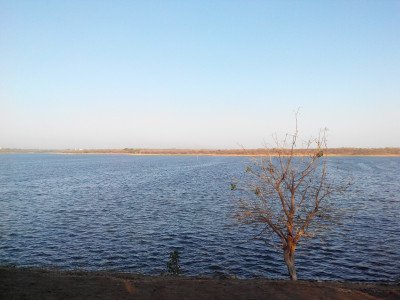
Ambazari Lake & Garden
Some quick example text to build on the card title and make up the bulk of the card's content.
Go somewhere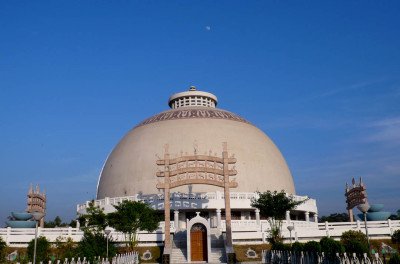
Deeksha Bhoomi
Some quick example text to build on the card title and make up the bulk of the card's content.
Go somewhere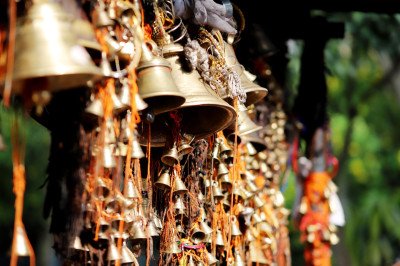
Dragon Palace Buddhist Temple
Some quick example text to build on the card title and make up the bulk of the card's content.
Go somewhere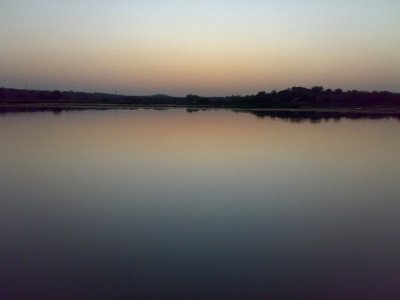
Futala Lake
Some quick example text to build on the card title and make up the bulk of the card's content.
Go somewhere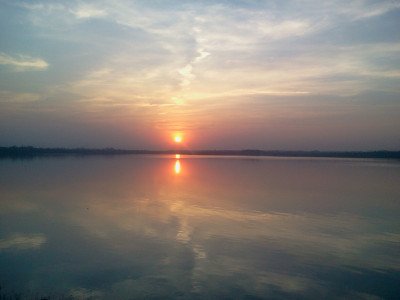
Gandhi Sagar Lake
Some quick example text to build on the card title and make up the bulk of the card's content.
Go somewhere
Japanese Rose Garden
Some quick example text to build on the card title and make up the bulk of the card's content.
Go somewhere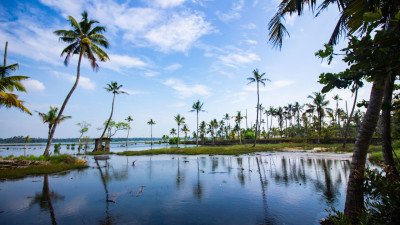
Khekranala Lake & Dam
Some quick example text to build on the card title and make up the bulk of the card's content.
Go somewhere
Khindsi Lake
Some quick example text to build on the card title and make up the bulk of the card's content.
Go somewhere
Koradi Temple
Some quick example text to build on the card title and make up the bulk of the card's content.
Go somewhere
Lata Mangeshkar Musical Garden
Some quick example text to build on the card title and make up the bulk of the card's content.
Go somewhere
Maharajbagh Zoo
Some quick example text to build on the card title and make up the bulk of the card's content.
Go somewhere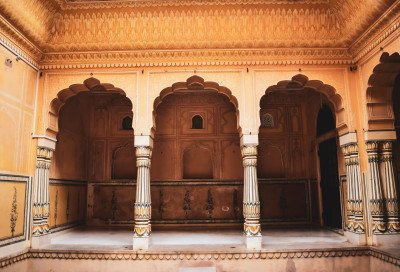
Nagardhan Fort
Some quick example text to build on the card title and make up the bulk of the card's content.
Go somewhere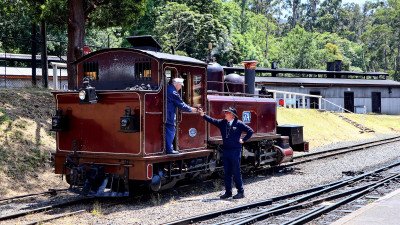
Narrow Gauge Rail Museum
Some quick example text to build on the card title and make up the bulk of the card's content.
Go somewhere
Raman Science Center
Some quick example text to build on the card title and make up the bulk of the card's content.
Go somewhere
Ramtek Fort Temple
Some quick example text to build on the card title and make up the bulk of the card's content.
Go somewhere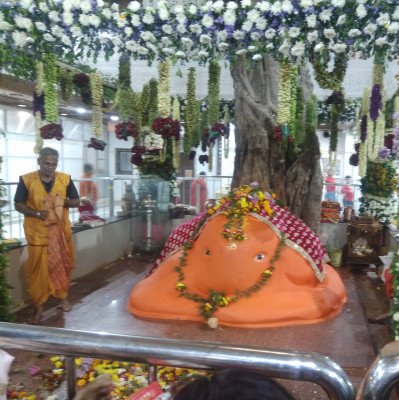
Shri Ganesh Mandir Tekdi
Some quick example text to build on the card title and make up the bulk of the card's content.
Go somewherein Other Cities