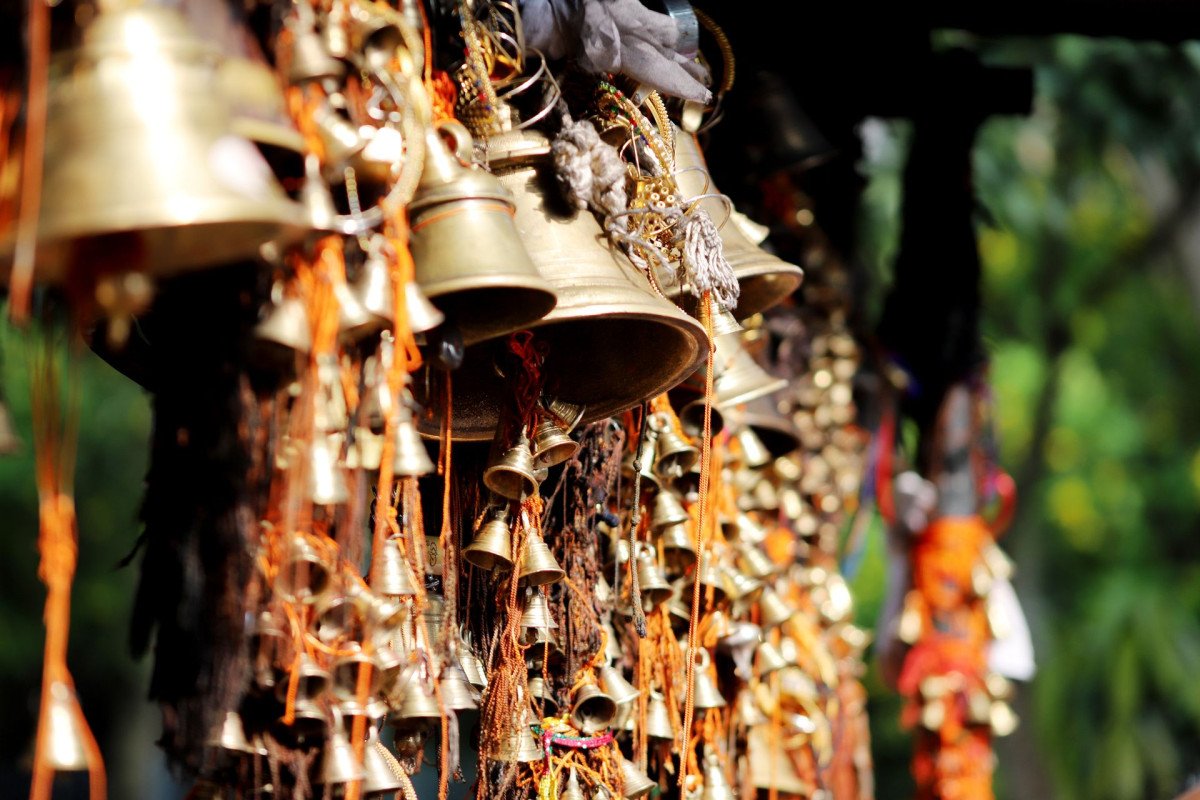
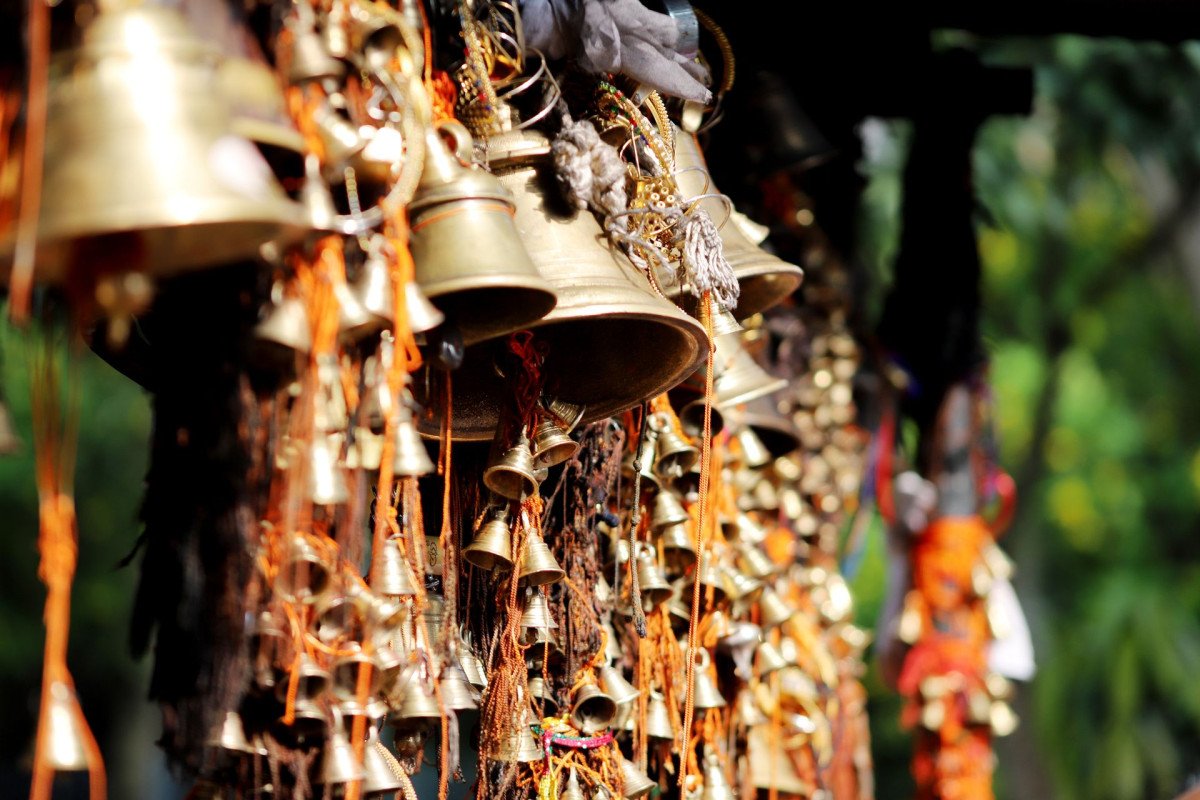
Panch Ganga Temple
General information
-
Ideal Duration:
45 to 60 MinutesPlace Type:
Religious & PilgrimageEntry Fees:
General Entry: Entry to the temple is entirely Free for all visitors, including domestic and international tourists.
Donations: While there is no fee, voluntary donations for temple maintenance can be dropped in the 'Hundi' boxes. ...General Entry: Entry to the temple is entirely Free for all visitors, including domestic and international tourists.
Donations: While there is no fee, voluntary donations for temple maintenance can be dropped in the 'Hundi' boxes.Timing:
Regular Timings: The temple is generally open from 6:00 AM to 8:00 PM every day.
Ideal Visit Time: The best time to visit is in the early morning at 7:00 AM to avoid the heavy tourist rush and experience the temple's sanctity. ...Regular Timings: The temple is generally open from 6:00 AM to 8:00 PM every day.
Ideal Visit Time: The best time to visit is in the early morning at 7:00 AM to avoid the heavy tourist rush and experience the temple's sanctity.Special Events:
Mahashivratri Celebration: During the month of February or March, the temple celebrates Mahashivratri with great fervor, attracting thousands of devotees who stay awake all night singing bhajans and performing 'Abhishekam'.
Ganga Dashahara:...Mahashivratri Celebration: During the month of February or March, the temple celebrates Mahashivratri with great fervor, attracting thousands of devotees who stay awake all night singing bhajans and performing 'Abhishekam'.
Ganga Dashahara: A special festival dedicated to the rivers where the temple is decorated with marigold flowers and lamps.Best Photo Spots:
The Gaumukh View: The most iconic shot is the steady stream of water flowing from the stone cow's mouth into the ancient tank, best captured in the soft light of early morning.
Temple Entrance: The dark stone arches of the main entrance fra...The Gaumukh View: The most iconic shot is the steady stream of water flowing from the stone cow's mouth into the ancient tank, best captured in the soft light of early morning.
Temple Entrance: The dark stone arches of the main entrance framed by the lush green trees of Old Mahabaleshwar offer a classic architectural perspective.
The Outer Courtyard: Wide-angle shots of the temple structure against the backdrop of the misty Sahyadri mountains provide a sense of scale and serenity.Photo Gallery
Things To Do
-
Spiritual Rituals: Participate in the morning 'Aarti' to experience the rhythmic ringing of bells and traditional prayers.
Water Collection: Many tourists carry small copper vessels to collect the holy water from the Gaumukh for use in domestic rituals.
Architectural Photography: Capture the play of light on the dark basalt stones and the intricate details of the cow-shaped spout.
Explore Old Mahabaleshwar: Walk through the narrow lanes surrounding the temple to see traditional Maharashtrian village life and small local shrines.
Nature Walk: Take a short trek from the temple towards the Krishnabai Temple nearby for panoramic views of the river valley.
Shopping for Souvenirs: The temple outskirts...Spiritual Rituals: Participate in the morning 'Aarti' to experience the rhythmic ringing of bells and traditional prayers.
Water Collection: Many tourists carry small copper vessels to collect the holy water from the Gaumukh for use in domestic rituals.
Architectural Photography: Capture the play of light on the dark basalt stones and the intricate details of the cow-shaped spout.
Explore Old Mahabaleshwar: Walk through the narrow lanes surrounding the temple to see traditional Maharashtrian village life and small local shrines.
Nature Walk: Take a short trek from the temple towards the Krishnabai Temple nearby for panoramic views of the river valley.
Shopping for Souvenirs: The temple outskirts have small stalls selling local honey, religious beads, and wooden toys.
Meditation: Spend quiet time in the outer courtyard where the sound of flowing water provides a natural white noise for deep relaxation.
Information
-
Why Famous:
Confluence of Five Rivers: This site is globally famous for being the geological and mythological source of five distinct rivers that are vital to the Deccan plateau's ecology and agriculture.
Religious Significance: It is a primary pilgrim...Confluence of Five Rivers: This site is globally famous for being the geological and mythological source of five distinct rivers that are vital to the Deccan plateau's ecology and agriculture.
Religious Significance: It is a primary pilgrimage stop in Maharashtra where devotees perform rituals and take back holy water, believed to be the essence of the Ganges. -
Architecture:
Hemadpanti Style Construction: The temple exhibits the classic Hemadpanti architectural style, characterized by the use of black stone and intricate carvings without the use of mortar. The stones are expertly interlocked to ensure longevity.
G...Hemadpanti Style Construction: The temple exhibits the classic Hemadpanti architectural style, characterized by the use of black stone and intricate carvings without the use of mortar. The stones are expertly interlocked to ensure longevity.
Gaumukh Spout Dimensions: The central attraction is the Gaumukh, a stone-carved cow’s head measuring approximately 2 feet in width, from which the five rivers supposedly emerge into a small square water tank or cistern.
Carved Stone Pillars: The interior features sturdy stone pillars that support the vaulted roof, standing about 10 feet tall, each decorated with motifs of deities and floral patterns that reflect the artistic finesse of the Yadava era. -
How To Reach:
By Air: The nearest airport is Pune International Airport, approximately 120 KMS away. One can hire a private cab or take a bus to Mahabaleshwar.
By Train: The closest railhead is Wathar (60 KMS), but Pune Railway Station (125 KMS) is bett...By Air: The nearest airport is Pune International Airport, approximately 120 KMS away. One can hire a private cab or take a bus to Mahabaleshwar.
By Train: The closest railhead is Wathar (60 KMS), but Pune Railway Station (125 KMS) is better connected.
By Road: Mahabaleshwar is well-connected via the Mumbai-Pune Expressway and NH-4. Regular ST buses run from Mumbai and Pune.
By Local Transport: From the Mahabaleshwar city center, one can take an auto-rickshaw or a local taxi to reach Old Mahabaleshwar. -
Weather and Best Time to Visit:
Winter Season: October to February is perfect with temperatures between 10°C and 25°C.
Monsoon Season: July to September makes the surroundings lush green, though the temple can be crowded.
Time of Day: E...Winter Season: October to February is perfect with temperatures between 10°C and 25°C.
Monsoon Season: July to September makes the surroundings lush green, though the temple can be crowded.
Time of Day: Early morning provides a spiritual vibe, while late evenings are peaceful. -
Near Tourist Places:
Krishnabai Temple (0. 5 KM), Mahabaleshwar Temple (0. 2 KM), Arthur's Seat (7 KMS), Tiger Spring (7 KMS), Elphinstone Point (5 KMS), Lodwick Point (8 KMS), Venna Lake (5 KMS), Elephant's Head Point (10 KMS), Wilson Point (6 KMS), Mapro Garden (12 KMS).
Tourism Tips
-
Health & Safety: Wear comfortable walking shoes as the stone floors can be slippery.
Packing: Carry a light jacket as Old Mahabaleshwar is cooler than the main market.
Cash & Connectivity: Keep Cash for sma...Health & Safety: Wear comfortable walking shoes as the stone floors can be slippery.
Packing: Carry a light jacket as Old Mahabaleshwar is cooler than the main market.
Cash & Connectivity: Keep Cash for small vendors; the nearest ATM is 5 KMS away in the main market. Mobile signal is decent, but Wi-Fi is unavailable.
Dress Code: Wear conservative clothing out of respect for the religious site.
Reviews
FAQs
Mahabaleshwar Itineray And Cost:-
Panch Ganga Temple Tourism:-
Other Places In Mahabaleshwar :-
Other States In India :-
Information about New and Updated Locations() of Maharashtra Has Been Added :-
Card subtitle
Note:-
Information provided here in good Faith and for reference only.
Near Places

Arthur's Seat
Some quick example text to build on the card title and make up the bulk of the card's content.
Go somewhere
Babington Point
Some quick example text to build on the card title and make up the bulk of the card's content.
Go somewhere
Bombay Point
Some quick example text to build on the card title and make up the bulk of the card's content.
Go somewhere
Chinaman's Falls
Some quick example text to build on the card title and make up the bulk of the card's content.
Go somewhere
Connaught Peak
Some quick example text to build on the card title and make up the bulk of the card's content.
Go somewhere
Dhobi Waterfall
Some quick example text to build on the card title and make up the bulk of the card's content.
Go somewhere
Echo Point
Some quick example text to build on the card title and make up the bulk of the card's content.
Go somewhere
Elephant's Head Point / Needle Hole Point
Some quick example text to build on the card title and make up the bulk of the card's content.
Go somewhere
Elphinstone Point
Some quick example text to build on the card title and make up the bulk of the card's content.
Go somewhere
Kate's Point
Some quick example text to build on the card title and make up the bulk of the card's content.
Go somewhere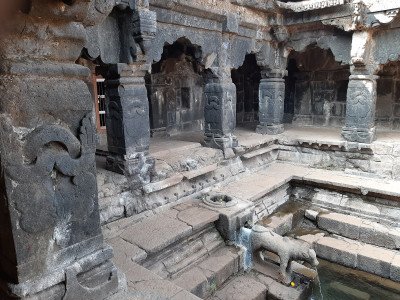
Koyna Valley Trek
Some quick example text to build on the card title and make up the bulk of the card's content.
Go somewhere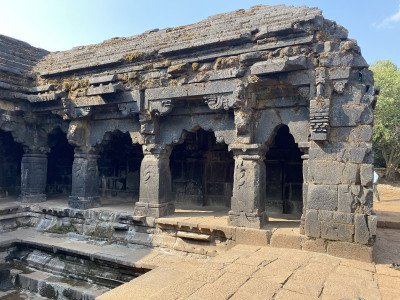
Krishnabai Temple
Some quick example text to build on the card title and make up the bulk of the card's content.
Go somewhere
Lingmala Falls
Some quick example text to build on the card title and make up the bulk of the card's content.
Go somewhere
Lingmala Waterfall
Some quick example text to build on the card title and make up the bulk of the card's content.
Go somewhere
Lingmala Waterfalls
Some quick example text to build on the card title and make up the bulk of the card's content.
Go somewhere
Lodwick Point
Some quick example text to build on the card title and make up the bulk of the card's content.
Go somewherein Other Cities