
Takla Pahar
General information
-
Ideal Duration:
1-2 Hours (Ideal for a peaceful visit, a short hike, and enjoying the view).Place Type:
Nature/Hillock/Scenic Viewpoint/Recreational ParkEntry Fees:
General Entry Fee: Currently, there is usually No Entry Fee for visiting the natural hillock area of Takla Pahar itself, as it is largely an open, public space, primarily used for recreation and morning walks. This makes it an extremely budget-friendly or free attraction fo...General Entry Fee: Currently, there is usually No Entry Fee for visiting the natural hillock area of Takla Pahar itself, as it is largely an open, public space, primarily used for recreation and morning walks. This makes it an extremely budget-friendly or free attraction for all tourists and locals. The access is generally unhindered, promoting its use as a public recreational area.
Nagar Van Udyan (Park) Charges: If the development under the Nagar Van Udyan project involves fenced areas, formal gardens, or specific amenities (like dedicated children's play areas, specialized viewing decks, or maintained seating areas), a minimal, nominal entry fee may be levied. This fee, if applicable, is usually small (e. g. , Rs.10 to Rs.20 per person) and is typically used for the maintenance and upkeep of the park facilities. Visitors should be prepared for this possibility, although the core hillock access is often free.
Vehicle Parking Fees: While the entry to the hillock is generally free, you may have to pay a small, nominal fee for parking your car or two-wheeler at the designated parking area near the base. These charges are usually fixed by the local municipal or forest department and contribute to the area's security and maintenance. Parking fees are generally low, typically ranging from Rs.30 to Rs.50 for cars and less for two-wheelers. Always ask for a receipt.Timing:
Regular Timings (Park and Public Access): Takla Pahar, as a natural, open hillock, typically has No strict opening or closing time. However, if the area is formally managed as a part of the Nagar Van Udyan or a public park, the general operating hours for the maintained sec...Regular Timings (Park and Public Access): Takla Pahar, as a natural, open hillock, typically has No strict opening or closing time. However, if the area is formally managed as a part of the Nagar Van Udyan or a public park, the general operating hours for the maintained section are usually from Morning 5:00 AM to Evening 6:00 PM. It is highly recommended to visit only during daylight hours for safety, especially since the trails may not be well-lit.
Ideal Visit Time (Best Experience): The absolute ideal time to visit is during the Early Morning (between 5:30 AM and 8:00 AM) or the Late Afternoon/Sunset Time (between 4:00 PM and 6:00 PM). Early Morning offers the coolest weather, the freshest air, and a chance to join local walkers/joggers. The light is also excellent for photography and birdwatching. The Late Afternoon visit allows you to witness the beautiful sunset and the transition of the sky's colours over the plains, which is a spectacular sight. Weekday vs.
Weekend: The hillock is naturally more peaceful and less crowded during Weekdays. Weekends and public holidays see a higher influx of local families and picnickers, especially in the afternoon. For a truly quiet and contemplative experience, a Weekday morning is the best choice.Special Events:
World Environment Day Observances: As a major green space associated with the Nagar Van Udyan project, Takla Pahar often becomes the focal point for environmental awareness activities, particularly around World Environment Day (June 5). Local environmental groups, education...World Environment Day Observances: As a major green space associated with the Nagar Van Udyan project, Takla Pahar often becomes the focal point for environmental awareness activities, particularly around World Environment Day (June 5). Local environmental groups, educational institutions, and the forest department often organize special events here, such as mass tree planting drives, nature walks led by experts, and awareness camps focused on local biodiversity and conservation. These events are not commercial but are important for community engagement.
Local Festival Celebrations (Picnics): While there are no major religious festivals dedicated to the hill itself, the open spaces around the base and summit become popular spots for community picnics and informal gatherings during major Assamese festivals like Bihu. On these days, families and community members come together to celebrate, often with traditional food, music, and games. These are impromptu, community-driven events that provide a great opportunity for visitors to witness local cultural practices in a relaxed setting.
Health and Fitness Camps: Owing to its popularity as a morning walk spot, the local administration or fitness groups occasionally organise free health and fitness camps, yoga sessions, or marathon/walkathon starting points at Takla Pahar. These events promote a healthy lifestyle and draw a large number of participants from the city, particularly on Sunday mornings or national holidays.Best Photo Spots:
The Summit Viewpoint: The most popular and rewarding photo spot is the main viewpoint at the summit. From here, you can capture sweeping wide-angle shots of the surrounding Tezpur plains, the distant city skyline, and the serpentine flow of the Brahmaputra River. The best ...The Summit Viewpoint: The most popular and rewarding photo spot is the main viewpoint at the summit. From here, you can capture sweeping wide-angle shots of the surrounding Tezpur plains, the distant city skyline, and the serpentine flow of the Brahmaputra River. The best time for this shot is during the 'golden hours'—shortly after sunrise or just before sunset—when the light is soft, warm, and produces long shadows, adding depth to the landscape. For a dramatic sky, a post-monsoon or winter morning works best.
Framing with Flora: Along the walking trail and at the top, you will find numerous spots where the dense foliage can be used to frame your subject or the distant view. Look for openings between tree branches or large, distinctive local trees to create a natural frame. This technique adds an element of rustic charm and foreground interest to your landscape photos. Focus on the contrasting colours of the lush green leaves against the pale blue or golden sky.
Pathways and Trails: The meandering dirt and stone pathways leading up the hill make for excellent composition elements in photos. Use the paths as leading lines to guide the viewer's eye into the scene. These spots are great for portraits or candid shots of people walking, especially when wearing colourful clothing that pops against the natural background. The slightly uneven terrain and natural textures of the path add character to the image.
The 'Tezpur' Sign or Marker: If there is a dedicated sign or a landmark installed by the park authority (e. g. , a board detailing the Nagar Van Udyan or a simple summit marker), this is a mandatory spot for a tourist selfie or group photo to prove you reached the top of Takla Pahar. These photos serve as perfect travel souvenirs and quick social media shares.Photo Gallery
Things To Do
-
Panoramic Photography and Sightseeing (Focus on Views): The primary activity at Takla Pahar is soaking in the majestic panoramic views. The summit acts as a natural observation deck. Visitors can spend a significant amount of time identifying landmarks across the Tezpur skyline, which may include the distant military establishment areas, parts of the Brahmaputra River, and the rolling green plains. Carry a good camera with a zoom lens to capture the distant sights. The best time for clear, crisp long-distance shots is immediately after the monsoon or during the November to February period. Focus your lens on the Kolia Bhomora Setu for a great bridge shot. Nature Walks and Gentle Hiking (Explore the Terrain): The hillock provides a perfect, gentle hike. It is a brief but invigorating trek that is suitable for all age groups, including families with children. The walk up and down t...Panoramic Photography and Sightseeing (Focus on Views): The primary activity at Takla Pahar is soaking in the majestic panoramic views. The summit acts as a natural observation deck. Visitors can spend a significant amount of time identifying landmarks across the Tezpur skyline, which may include the distant military establishment areas, parts of the Brahmaputra River, and the rolling green plains. Carry a good camera with a zoom lens to capture the distant sights. The best time for clear, crisp long-distance shots is immediately after the monsoon or during the November to February period. Focus your lens on the Kolia Bhomora Setu for a great bridge shot. Nature Walks and Gentle Hiking (Explore the Terrain): The hillock provides a perfect, gentle hike. It is a brief but invigorating trek that is suitable for all age groups, including families with children. The walk up and down the hill can take about 30 to 45 minutes, depending on your pace. The paths are lined with local flora, offering a refreshing experience. Take the time to notice the different types of trees, plants, and small insects. This is an excellent opportunity for a low-intensity workout combined with nature therapy. Look for a longer trail if you want to extend your walk into the surrounding forest area.
Picnics and Quiet Relaxation (Leisure Time): Takla Pahar, especially the flat areas or clearings near the summit and base (often part of the Nagar Van Udyan), is a popular spot for picnics. Families and groups of friends often bring packed lunches to enjoy amidst the natural beauty. It's an ideal location for reading, meditation, or simply relaxing on a blanket. The tranquil environment enhances the sense of escape and calm. Remember to bring a trash bag and carry all waste back to maintain the spot's pristine condition. Bird and Butterfly Watching (Wildlife Observation): The forested nature of the hillock makes it a great spot for observing small wildlife. Dedicate time to sitting quietly and watching the trees for various bird species. Bring a pair of binoculars and a local bird guide if you are an enthusiast. The area is also home to various species of colourful butterflies and other insects, which are most active during the sunny parts of the day. This activity requires patience but offers immense rewards for nature lovers.
Fitness and Exercise (Active Pursuit): For locals, Takla Pahar is a regular spot for morning jogs, yoga, and other forms of outdoor exercise. Tourists can also join in, using the hill's slope for a good cardio workout. Practicing yoga or simple stretches at the summit, with the cool breeze and view, can be a particularly refreshing experience. The climb and descent naturally work different muscle groups, making it a pleasant and effective way to stay active during your travel.
Stargazing (Night Time Activity - Check Safety): On extremely clear, new moon nights, away from the city's light pollution, the hilltop offers a decent spot for stargazing. While not a primary activity, the elevated, relatively dark location provides a better view of the celestial bodies than the city center. This activity is best undertaken in a group and with prior local consultation regarding safety and accessibility after dark. Exploring the Nearby Bhairabi Temple (Cultural Excursion): Takla Pahar is located close to the historic Bhairabi Temple, which is a significant religious site in Tezpur. A visit to Takla Pahar can be combined with a trip to the temple to offer prayers and explore its premises. The temple is situated on the outskirts, and the combined visit provides a blend of nature and culture. After your hike, you can head to the temple for a spiritual experience and to see its intricate architecture.
Information
-
Why Famous:
Panoramic Views and Tranquility: Takla Pahar is primarily famous among locals and a few discerning tourists for the breathtaking panoramic views it offers of Tezpur town and the surrounding plains. On a clear day, especially during the winter, the expansive view can include...Panoramic Views and Tranquility: Takla Pahar is primarily famous among locals and a few discerning tourists for the breathtaking panoramic views it offers of Tezpur town and the surrounding plains. On a clear day, especially during the winter, the expansive view can include the distant outline of the mighty Brahmaputra River and the Kolia Bhomora Setu bridge. This vantage point provides an excellent opportunity for landscape photography and quiet contemplation. The natural, serene environment, away from the city noise, makes it a favored spot for finding peace and relaxation.
Urban Forest Green Space: The location is becoming increasingly famous as a key part of Tezpur's green initiative, often associated with the Nagar Van Udyan project. It represents an important conserved green space, providing an ecological balance within the developing urban area. This fame is related to its value as a natural 'lung' of the city, attracting nature lovers, morning walkers, and fitness enthusiasts who appreciate the clean air and forested pathways.
Accessibility and Local Charm: Unlike some more challenging tourist destinations, Takla Pahar offers easy accessibility. It is close to the main city but feels miles away, providing an easy and quick escape. It is a genuine local spot, giving visitors an authentic feel of the everyday life and preferences of the Tezpur residents, who value it as a place for simple, outdoor recreation and a short, refreshing hike. Its fame lies in its quiet utility and natural beauty rather than a grand historical monument. -
Architecture:
Natural Architecture of a Hillock: Takla Pahar is a natural geographical formation, not a structure built by humans like a temple or a fort. Its architecture is purely natural, comprising a moderate elevation that rises gently from the surrounding terrain. It falls under t...Natural Architecture of a Hillock: Takla Pahar is a natural geographical formation, not a structure built by humans like a temple or a fort. Its architecture is purely natural, comprising a moderate elevation that rises gently from the surrounding terrain. It falls under the category of a small hillock. The natural architecture involves layers of soil, rock, and dense vegetation typical of the lower Himalayan foothills where Tezpur is located. Its main features are its slopes and the viewpoint at the summit.
Dimension (Estimated): The hillock's height is estimated to be around 250 to 350 feet above the surrounding plain, offering an elevated perspective. The base covers an area that is yet to be formally demarcated but extends over a few acres, primarily utilized for the surrounding forest area or Nagar Van Udyan. The hiking trail to the top is relatively short, likely less than 1 KM in length.
Structural Elements (Park Development): Any existing 'architecture' is part of the recreational development, such as viewing platforms, simple walking paths made of paved or natural material, and perhaps a small shelter or seating arrangement at the summit for visitors. These additions are modest, designed to blend into the natural environment, focusing on utility rather than grand design. The emphasis is on a landscape design that preserves the native trees and natural rock formations. -
How To Reach:
By Air (Connecting to Tezpur): The nearest airport is Tezpur Airport (TEZ), also known as Saloni Airport, located about 10 to 12 KMS from the main city center. It has limited connectivity, mostly to major hubs like Kolkata (primarily through Alliance Air). A more connected...By Air (Connecting to Tezpur): The nearest airport is Tezpur Airport (TEZ), also known as Saloni Airport, located about 10 to 12 KMS from the main city center. It has limited connectivity, mostly to major hubs like Kolkata (primarily through Alliance Air). A more connected and major airport is the Lokpriya Gopinath Bordoloi International Airport (GAU) in Guwahati, which is approximately 180 KMS away. From Guwahati, one can take a pre-booked taxi, a government or private bus, or a train to reach Tezpur. From Tezpur Airport, a taxi or auto-rickshaw is the only way to reach your accommodation in Tezpur city, from where you can take local transport to Takla Pahar.
By Train (Connecting to Tezpur): The nearest main railway station for broad gauge services is Rangapara North Railway Station (RPN), located approximately 30 KMS from Tezpur city. It connects to major cities in India. Tezpur also has a smaller station, Dekargaon Railway Station (DKGN), which is closer to the city center but has fewer train services. From Rangapara North or Dekargaon, you can hire a local taxi (shared or private) or take a public bus to reach the main Tezpur town. Once in the city, use local transport to reach Takla Pahar.
By Road (Driving to Tezpur and Takla Pahar): Tezpur is very well-connected by National Highway NH 15 and NH 715, linking it to Guwahati (~180 KMS) and other major towns in Assam and Arunachal Pradesh. Regular government and private bus services, including comfortable overnight sleeper buses, run between Guwahati (ISBT) and Tezpur. You can easily drive a private or hired car from Guwahati (via the Kolia Bhomora Setu bridge). Takla Pahar is approximately 2. 5 KMS from the city center, and a direct drive can take about 10-15 minutes. Follow local directions towards Bhairabpad or the Bhairabi Temple.
By Local Transport (Reaching Takla Pahar): Within Tezpur, Takla Pahar is easily accessible. You can hire an auto-rickshaw or a cycle-rickshaw from any central point like the main market (Chowk Bazar) or your hotel. Auto-rickshaws are a quicker and more comfortable option. Always negotiate the fare beforehand, or insist on using the meter. For the adventurous, a pleasant walk is also possible since the distance is short, though the final ascent may be steep. -
Weather and Best Time to Visit:
Best Season:
Winter (October to March): The Winter season is the undisputed best time to visit Takla Pahar. The weather during these months is cool, dry, and extremely pleasant, with temperatures ranging from 10°C to 25°C. The skies are t...Best Season:
Winter (October to March): The Winter season is the undisputed best time to visit Takla Pahar. The weather during these months is cool, dry, and extremely pleasant, with temperatures ranging from 10°C to 25°C. The skies are typically clear, offering the best visibility for the panoramic views from the summit. This period is perfect for hiking, photography, and spending extended periods outdoors without the discomfort of heat or humidity. The greenery is at its most vibrant.
Moderate Season:
Post-Monsoon (Late September to October): This shoulder season is a good time to visit, especially right after the heavy rains have receded. The entire landscape is washed clean and appears exceptionally lush and green. The weather starts to cool down, but you may still encounter occasional light showers or slightly humid days. Visibility is generally good, and the water bodies are full, adding to the beauty of the distant views.
Avoid Season:
Monsoon (June to Mid-September): The Monsoon season should be generally avoided. Heavy rainfall can make the paths and trails leading to the top of Takla Pahar extremely muddy, slippery, and challenging to climb. The sky is often overcast, severely limiting the panoramic views, which is the main attraction. While the rain does make the greenery spectacular, the practical difficulties of the hike outweigh the aesthetic benefits.
Best Part of the Day:
Early Morning: The absolute best time is Early Morning (5:30 AM to 8:00 AM). This is when the air is the freshest, the local walkers are out, and you can catch the beautiful sunrise. The light is soft for photography. The second-best time is the Late Afternoon (4:00 PM to 6:00 PM) to enjoy the sunset view. -
Near Tourist Places:
Bhairabi Temple: Religious site, approx. 1 KM
Mahabhairab Temple: Ancient Shiva Temple, approx. 3. 5 KMS
Agnigarh Hill: Fort of Fire, Mythological Site, approx. 4. 5 KMS
Chitralekha Udyan (Cole Park): Main City Park, approx. 4 KMS
Padum Pukhuri: Lake with an island park, approx. 5 KMS
Hazara Pukhuri: Large historical pond, approx. 6 KMS
Da-Parbatia Temple Ruins: Ancient archaeological site, approx. 8 KMS
Kolia Bhomora Setu: Long bridge over Brahmaputra, approx. 10 KMS (starting point)
Bamuni Hills: Archaeological Ruins, approx. 12 KMS
Nameri National Park: Wildlife sanctuary, approx. 35 KMS
Tourism Tips
-
Health & Safety Tips:
Footwear: Wear comfortable, sturdy shoes with good grip, as the trail, though short, can be uneven and slightly steep. Avoid sandals or high heels.
Water and Snacks: Carry a water bottl...Health & Safety Tips:
Footwear: Wear comfortable, sturdy shoes with good grip, as the trail, though short, can be uneven and slightly steep. Avoid sandals or high heels.
Water and Snacks: Carry a water bottle, especially if visiting during a sunny day. A light snack is also advisable, though the visit duration is short.
Insects: Since it is a forested area, carry mosquito repellent, especially if you plan to stay past sunset.
Daylight Rule: For safety, strictly limit your visit to daylight hours. Do not attempt to hike or stay on the hillock after dark, as the path is unlit and unfamiliar terrain can be dangerous.
Packing Essentials:
Camera/Phone: Don't forget your camera or phone for capturing the amazing panoramic views.
Binoculars: If you are a bird watcher or want to clearly see the distant landmarks (like the Brahmaputra or the bridge), binoculars are a must-have.
Light Jacket: Evenings and early mornings, especially in winter, can be chilly, so pack a light jacket or shawl.
Waste Bag: Carry a small bag for your trash. Takla Pahar is a natural spot; help keep it clean.
Accommodation in Tezpur: Tezpur has various accommodation options ranging from budget-friendly guesthouses to comfortable mid-range hotels and resorts. You should book a hotel near the Tezpur city center for easy access to Takla Pahar and other major attractions like Chitralekha Udyan and Agnigarh. Consider options near the Mahabhairab Temple area for good connectivity.
Other Different Topics (Respect and Conduct):
Respect Nature: Do not litter or pluck flowers or plants. Leave the environment exactly as you found it.
Local Interaction: The area is popular among locals for morning walks. Be courteous and respectful towards the local community.
Silence: Try to maintain silence or speak softly to respect the peace and to not disturb the birdlife, especially if you are a nature enthusiast.
Photography Etiquette: Always ask for permission before photographing local people.
Reviews
FAQs
Tezpur Itineray And Cost:-
Information about New and Updated Locations() of Assam Has Been Added :-
Card subtitle
Note:-
Information provided here in good Faith and for reference only.
All information and pictures will be updated soon, please keep visiting.
Near Places
Agnigarh Hill
Some quick example text to build on the card title and make up the bulk of the card's content.
Go somewhere
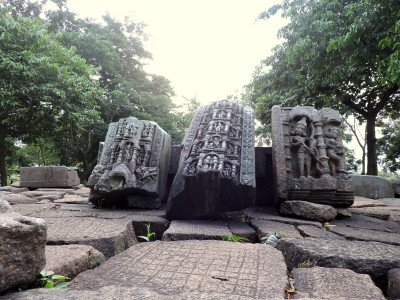
Agnigarh View Point
Some quick example text to build on the card title and make up the bulk of the card's content.
Go somewhere

Bamuni Hills
Some quick example text to build on the card title and make up the bulk of the card's content.
Go somewhere
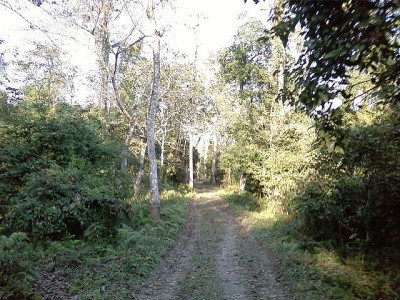
Bhairabi Temple
Some quick example text to build on the card title and make up the bulk of the card's content.
Go somewhere
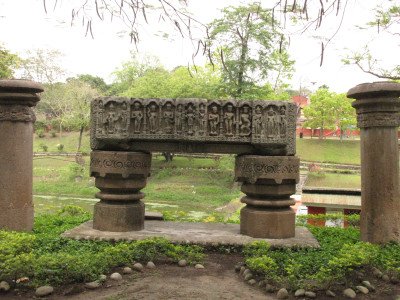
Bharali New Bridge Tezpur Side
Some quick example text to build on the card title and make up the bulk of the card's content.
Go somewhere
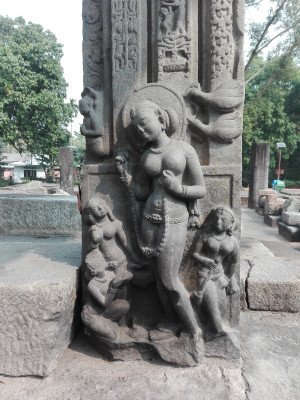
Bhomoraguri Historical Stone
Some quick example text to build on the card title and make up the bulk of the card's content.
Go somewhere
Bura Chapori Wildlife Sanctuary
Some quick example text to build on the card title and make up the bulk of the card's content.
Go somewhereChitralekha Udyan
Some quick example text to build on the card title and make up the bulk of the card's content.
Go somewhere
Da-Parbatia Gate
Some quick example text to build on the card title and make up the bulk of the card's content.
Go somewhere
Da Parbatia
Some quick example text to build on the card title and make up the bulk of the card's content.
Go somewherein Other Cities