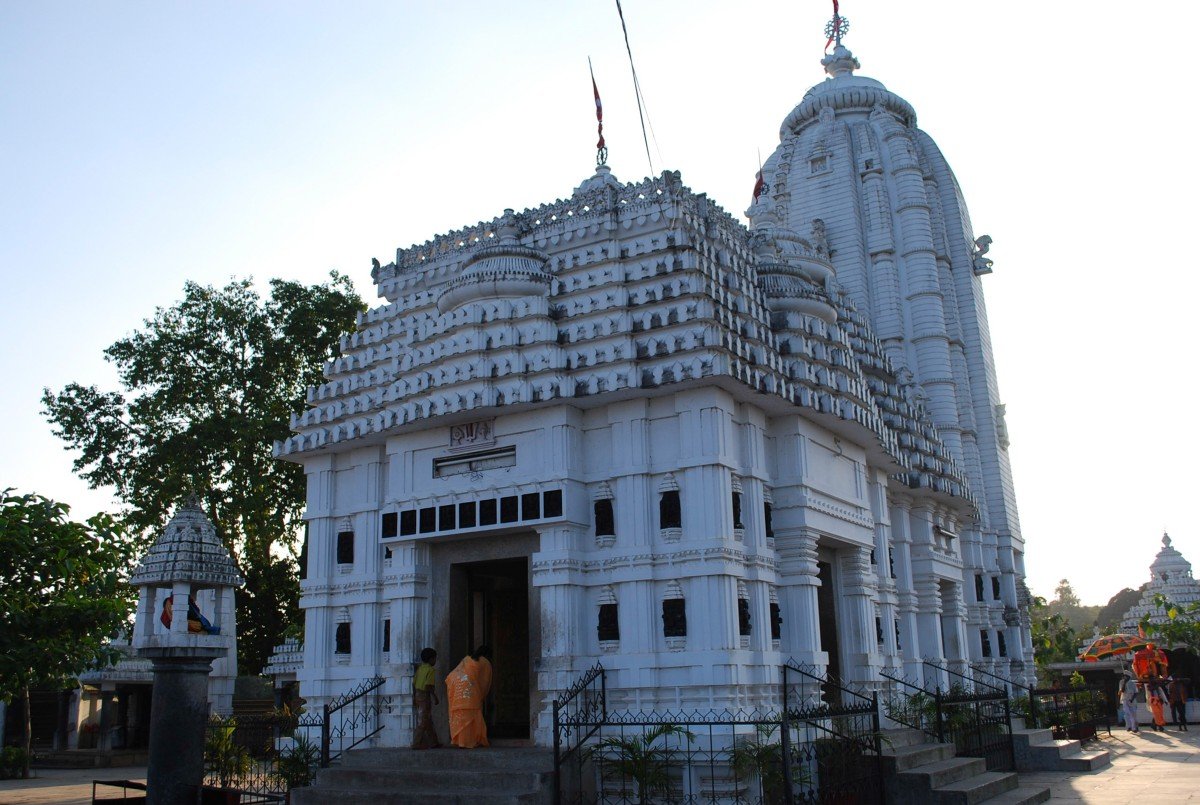
Sabar Srikhetra Jagannath Temple
General information
-
Ideal Duration:
2 HoursPlace Type:
Religious & CulturalEntry Fees:
Temple Entry: Entry is completely free for all visitors. This aligns with the temple's philosophy of universal inclusivity and spiritual equality for everyone.
Camera Fees: There is generally no fee for mobile photography, but professional...Temple Entry: Entry is completely free for all visitors. This aligns with the temple's philosophy of universal inclusivity and spiritual equality for everyone.
Camera Fees: There is generally no fee for mobile photography, but professional videography might require prior permission from the temple trust office.
:Timing:
Regular Timings: Open from 05:00 AM to 01:00 PM and from 03:00 PM to 09:30 PM daily. The temple remains closed during the afternoon for the deities' rest.
Ideal Visit Time: Early morning at 06:00 AM for a peaceful experience or 06:30 PM to...Regular Timings: Open from 05:00 AM to 01:00 PM and from 03:00 PM to 09:30 PM daily. The temple remains closed during the afternoon for the deities' rest.
Ideal Visit Time: Early morning at 06:00 AM for a peaceful experience or 06:30 PM to witness the grand evening lights and arati.
:Special Events:
Rath Yatra: This is the biggest event, held in July. The sight of thousands of tribal people pulling the chariot through the winding roads of Koraput is unforgettable.
Parab Festival: During November, the temple hill becomes a major site f...Rath Yatra: This is the biggest event, held in July. The sight of thousands of tribal people pulling the chariot through the winding roads of Koraput is unforgettable.
Parab Festival: During November, the temple hill becomes a major site for cultural performances as part of the district's annual festival.
:Best Photo Spots:
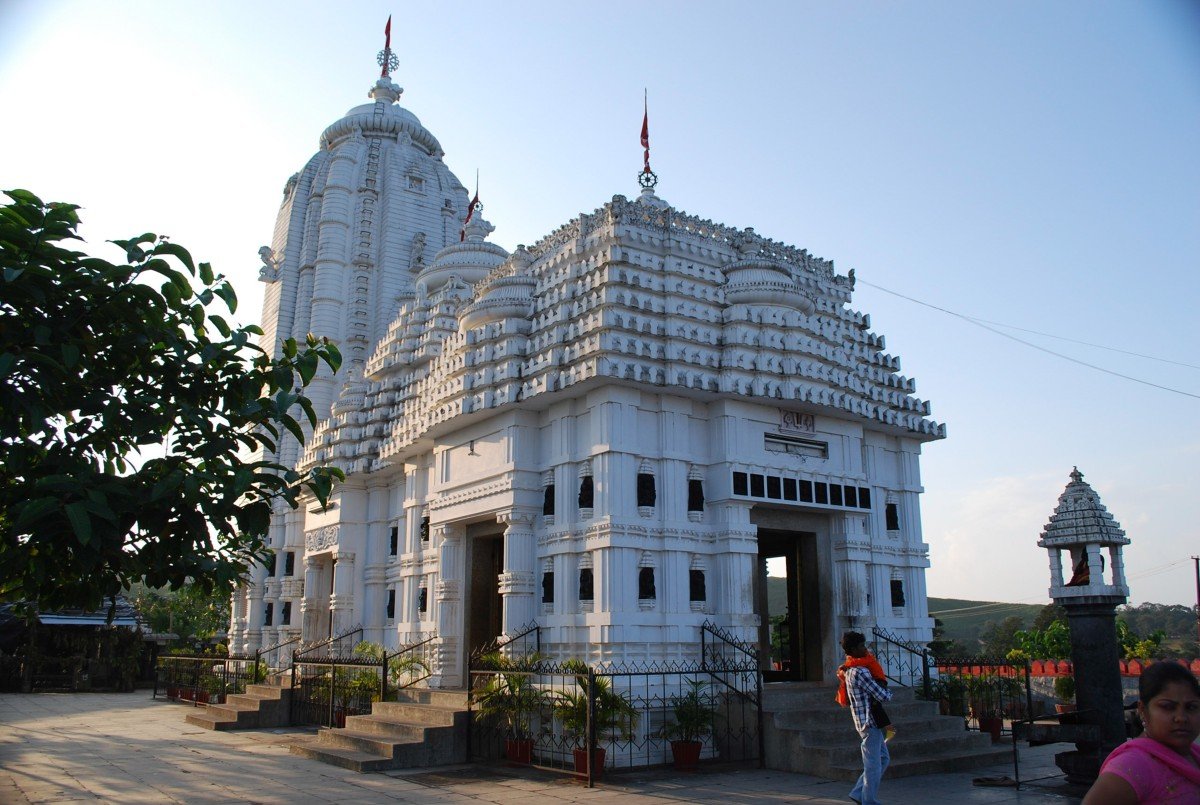
The Main Gateway: The "Simha Dwara" (Lion Gate) at the bottom of the steps is a great spot for an establishing shot.
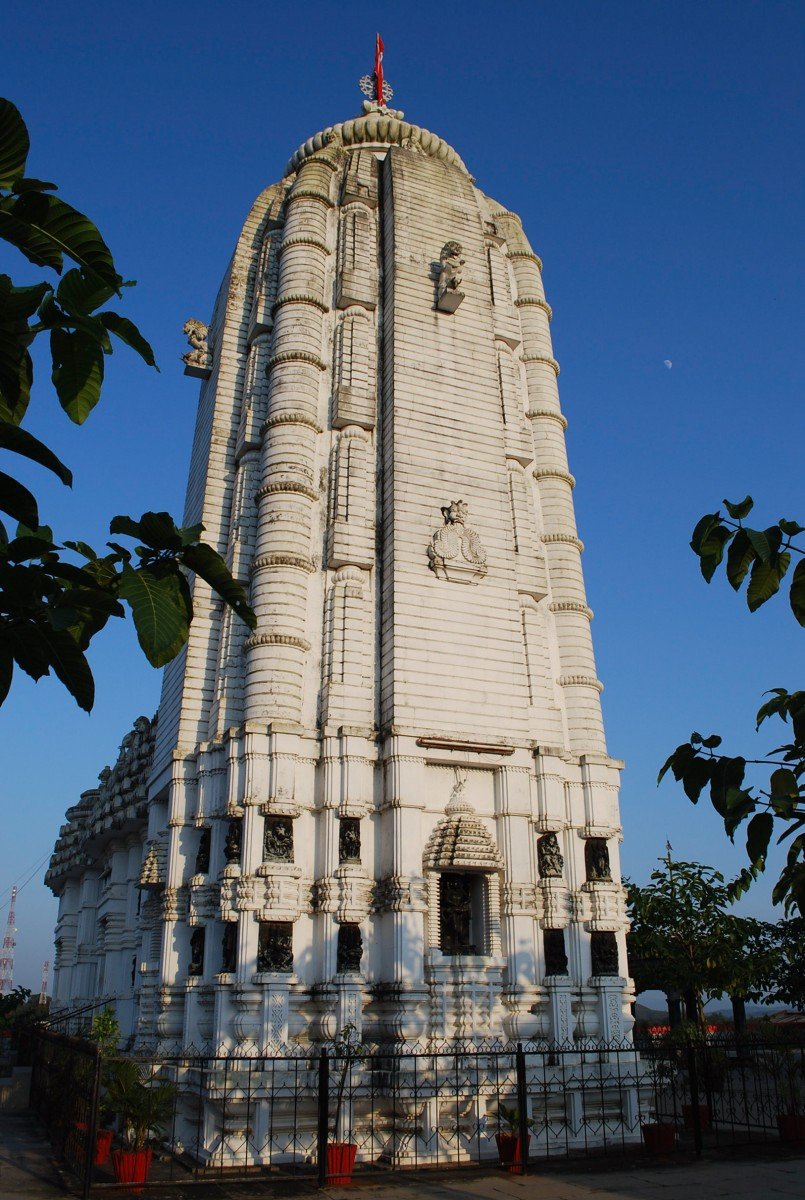
The Top Landing: From here, you can capture the temple's Shikhara with the valley in the background.
Read MoreThe Main Gateway: The "Simha Dwara" (Lion Gate) at the bottom of the steps is a great spot for an establishing shot.
The Top Landing: From here, you can capture the temple's Shikhara with the valley in the background.
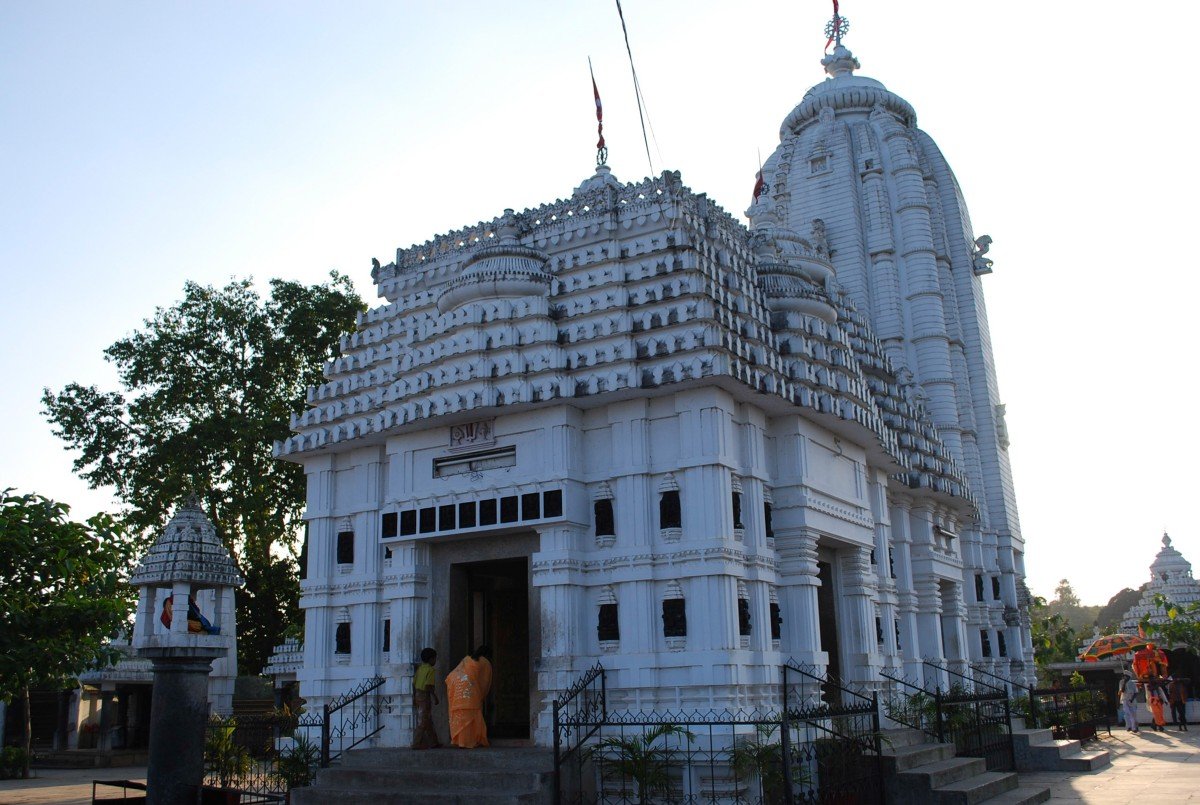
The Goddess Shrines: These smaller, intricately decorated temples provide beautiful close-up shots of traditional carvings.
:Photo Gallery

Things To Do
-
Climbing the Holy Steps: Take the climb slowly. Each landing offers a different perspective of the lush greenery and the town's landscape.
Attending the Evening Arati: The sound of the gongs and the smell of incense during the sunset arati in October creates a deeply spiritual atmosphere.
Visiting the Side Shrines: Explore the nine smaller temples in the complex, each dedicated to a different deity like Lord Shiva, Goddess Durga, and Lord Ganesha.
Observing Tribal Rituals: If you visit during a festival, watch how the tribal priests perform rituals that differ slightly from the mainstream Brahmanical traditions.
Exploring the Tribal Museum: Located right at the base of the hill, this museum is a must-see for understanding the 6...Climbing the Holy Steps: Take the climb slowly. Each landing offers a different perspective of the lush greenery and the town's landscape.
Attending the Evening Arati: The sound of the gongs and the smell of incense during the sunset arati in October creates a deeply spiritual atmosphere.
Visiting the Side Shrines: Explore the nine smaller temples in the complex, each dedicated to a different deity like Lord Shiva, Goddess Durga, and Lord Ganesha.
Observing Tribal Rituals: If you visit during a festival, watch how the tribal priests perform rituals that differ slightly from the mainstream Brahmanical traditions.
Exploring the Tribal Museum: Located right at the base of the hill, this museum is a must-see for understanding the 62 tribes of Odisha.
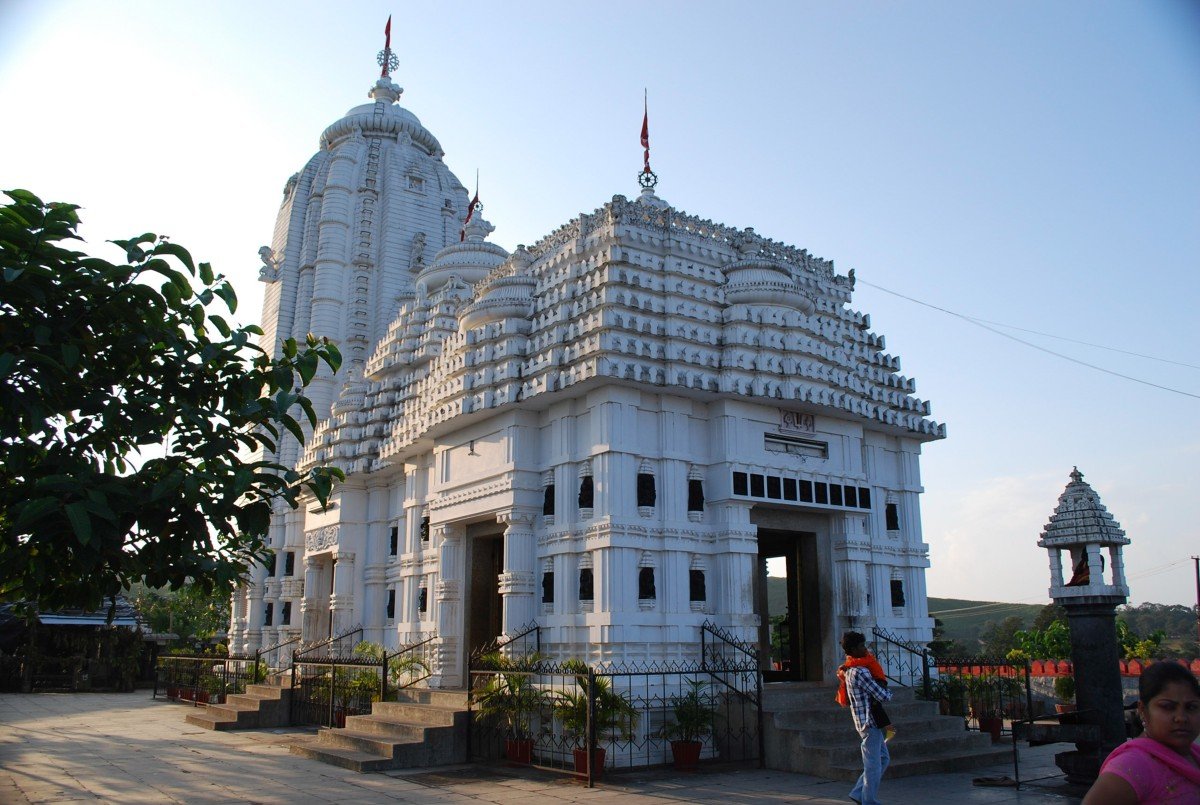
Photography: The white and red colors of the temple against the blue sky of January make for stunning architectural photos.
Eating Abhada Prasad: Do not miss the opportunity to have the "Mahaprasad" (holy meal) served daily at the temple. It is cooked in earthen pots and is incredibly flavorful.
Meditation: The temple's location on a hillock provides a natural silence and breeze, perfect for an hour of quiet meditation.
Buying Souvenirs: Small shops at the base sell tribal jewelry, bamboo crafts, and miniature idols of the deities.
Interacting with Researchers: Visit the nearby COATS building to talk to scholars who are documenting the link between Jagannath and tribal history.
:
Information
-
Why Famous:
Tribal Integration: It is the only major Jagannath temple where tribal priests and local communities are the primary custodians of the rituals.
Universal Access: Famous for its policy of "Open to All," allowing people of all religions to en...Tribal Integration: It is the only major Jagannath temple where tribal priests and local communities are the primary custodians of the rituals.
Universal Access: Famous for its policy of "Open to All," allowing people of all religions to enter and offer prayers.
Panoramic Views: Located at the highest point of Koraput town, it offers the best view of the town and the surrounding hills.
Rath Yatra: The second most famous chariot festival in Odisha, drawing lakhs of people in the month of July.
: -
Architecture:
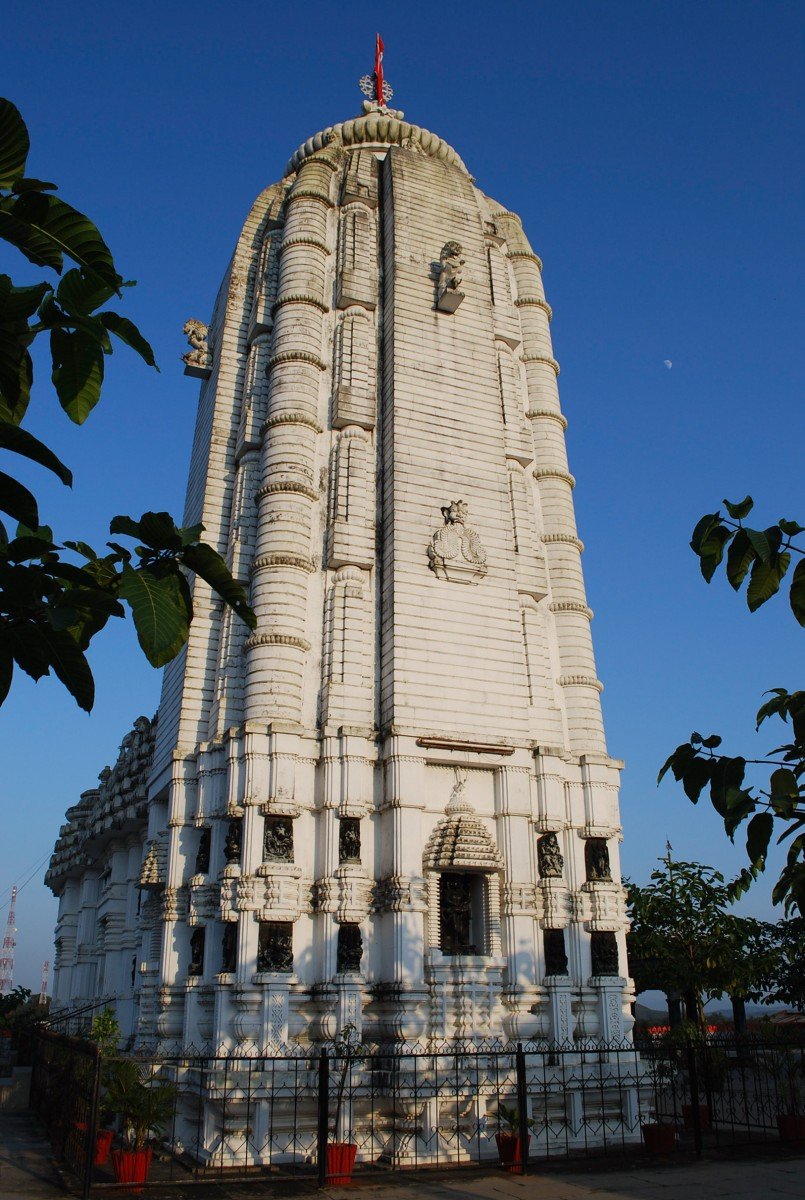
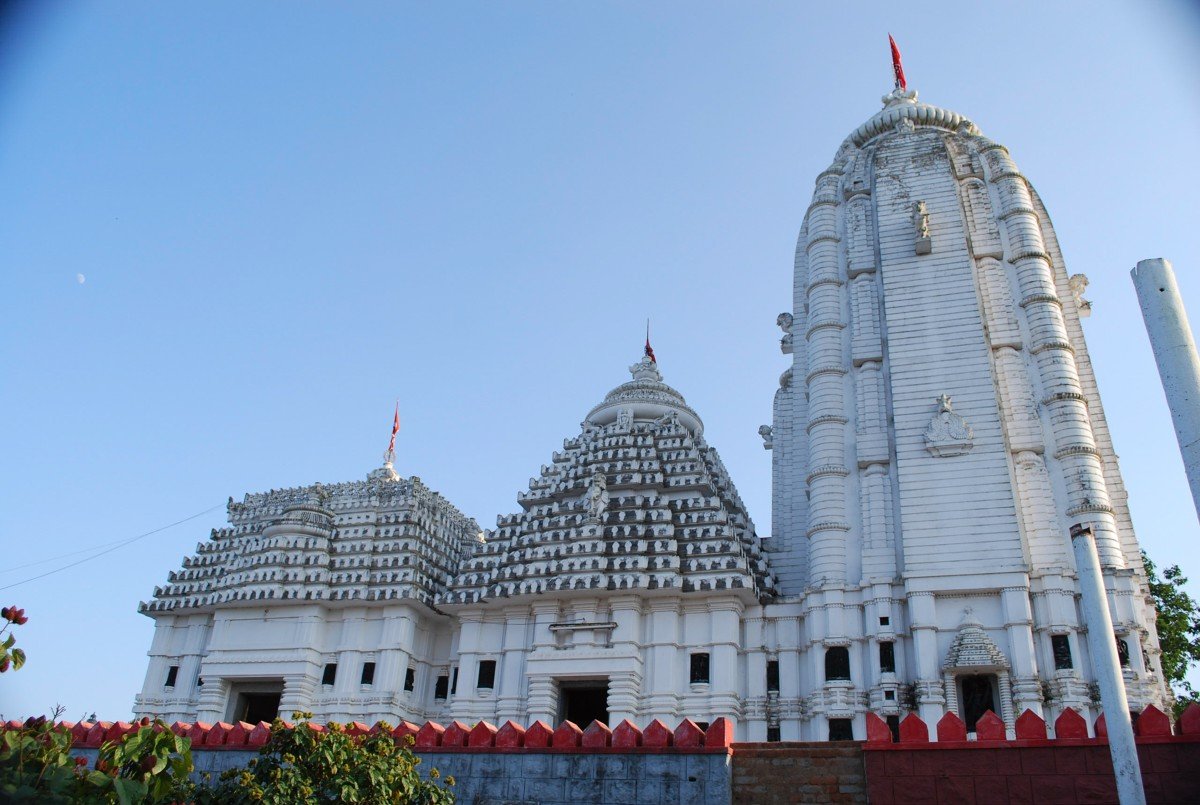
Kalinga Style: The temple follows the traditional Rekha Deula architecture with a tall Shikhara.
It consists of four main chambers: Deula (Sanctum), Jagamohan (Assembly Hall), Nata Mandapa (Dance Hall), and Bhoga Mandapa (Offering Hall).Kalinga Style: The temple follows the traditional Rekha Deula architecture with a tall Shikhara.
It consists of four main chambers: Deula (Sanctum), Jagamohan (Assembly Hall), Nata Mandapa (Dance Hall), and Bhoga Mandapa (Offering Hall).
Dimensions: The main temple tower (Shikhara) rises to a height of 50 feet. The complex is spread over a large area on the hillock, accessed by a flight of 110 steps.
Tribal Motifs: The walls feature carvings that blend traditional Puranic stories with local tribal art styles.
: -
How To Reach:
By Air: Fly to Visakhapatnam and take a 4-hour train or car journey to Koraput.
By Train: Koraput Railway Station is just 03 Kms away. It is well connected to Bhubaneswar, Visakhapatnam, and Jagdalpur.
By Road...By Air: Fly to Visakhapatnam and take a 4-hour train or car journey to Koraput.
By Train: Koraput Railway Station is just 03 Kms away. It is well connected to Bhubaneswar, Visakhapatnam, and Jagdalpur.
By Road: The temple is located in the heart of Koraput town, which is on the NH-26. Frequent buses are available from all major towns in Odisha.
By Local Transport: Auto-rickshaws are the most common way to reach the temple base from any part of the town. It is a very short and cheap ride.
: -
Weather and Best Time to Visit:
Winter Season: October to March is the best time due to the pleasant weather and various cultural festivals like Parab.
Monsoon: Visiting during the Rath Yatra in July is a once-in-a-lifetime cultural experience despite the rain.Winter Season: October to March is the best time due to the pleasant weather and various cultural festivals like Parab.
Monsoon: Visiting during the Rath Yatra in July is a once-in-a-lifetime cultural experience despite the rain.
Morning: The early morning fog in December makes the temple look like it is floating in the clouds.
: -
Near Tourist Places:
Tribal Museum (0. 2 Kms), Jagannath Sagar (01 Km), Kolab Dam (15 Kms), Dumuriput Ram Temple (12 Kms), Sunabeda (18 Kms), Maliguda Tunnel (40 Kms), Deomali (45 Kms), Rani Duduma (45 Kms), Jeypore (22 Kms), Bagra Falls (15 Kms)
Tourism Tips
-
Health and Safety: The steps are well-maintained but can be tiring for the elderly. Take breaks at the landings provided. Wear modest clothing out of respect.
Packing: Carry a camera and some water. If you visit in winter, bring a light ...Health and Safety: The steps are well-maintained but can be tiring for the elderly. Take breaks at the landings provided. Wear modest clothing out of respect.
Packing: Carry a camera and some water. If you visit in winter, bring a light shawl as the hillock gets quite breezy.
Accommodation: There are several hotels and lodges in Koraput town to suit all budgets. The temple trust also offers basic rooms.
Cash and Connectivity: ATMs are widely available in Koraput town just a few hundred meters from the temple. Mobile connectivity is excellent.
:
Reviews
FAQs
Koraput Itineray And Cost:-
Sabar Srikhetra Jagannath Temple Tourism:-
Other Places In Koraput :-
Other States In India :-
Information about New and Updated Locations() of Odisha Has Been Added :-
Card subtitle
Note:-
Information provided here in good Faith and for reference only.
Near Places

Balda Cave
Some quick example text to build on the card title and make up the bulk of the card's content.
Go somewhere
Damanjodi Township
Some quick example text to build on the card title and make up the bulk of the card's content.
Go somewhere
Deomali Peak
Some quick example text to build on the card title and make up the bulk of the card's content.
Go somewhere
Duduma Waterfall
Some quick example text to build on the card title and make up the bulk of the card's content.
Go somewhere
Galigabadar Waterfall
Some quick example text to build on the card title and make up the bulk of the card's content.
Go somewhere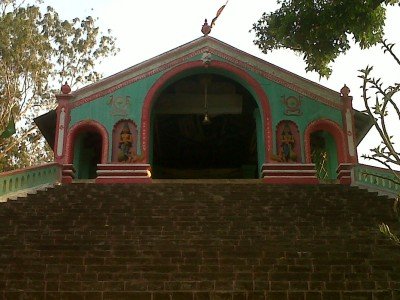
Nandapur Batrisa Singhasan
Some quick example text to build on the card title and make up the bulk of the card's content.
Go somewhere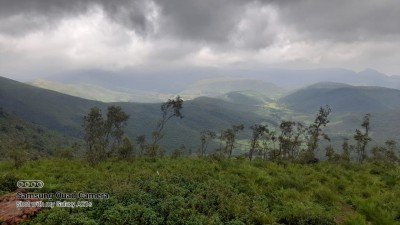
Palmetum Park
Some quick example text to build on the card title and make up the bulk of the card's content.
Go somewhere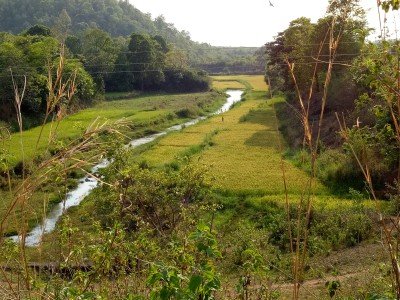
Pandi Picnic Spot
Some quick example text to build on the card title and make up the bulk of the card's content.
Go somewhere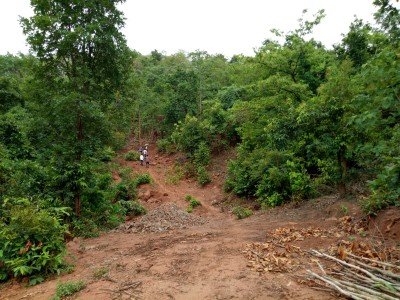
Punjisil Waterfalls
Some quick example text to build on the card title and make up the bulk of the card's content.
Go somewhere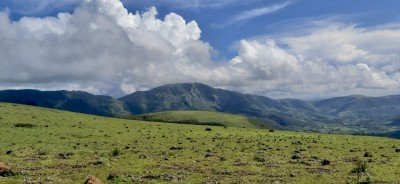
Putsil Table Mountain
Some quick example text to build on the card title and make up the bulk of the card's content.
Go somewhere
Raisil Perennial Stream
Some quick example text to build on the card title and make up the bulk of the card's content.
Go somewhere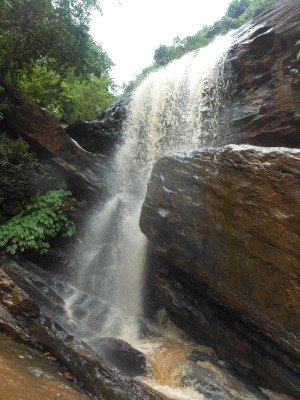
Rani Duduma Waterfalls
Some quick example text to build on the card title and make up the bulk of the card's content.
Go somewhere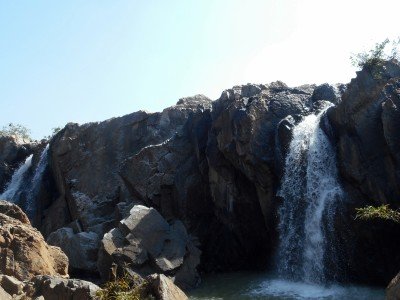
Rathibali Waterfall
Some quick example text to build on the card title and make up the bulk of the card's content.
Go somewhere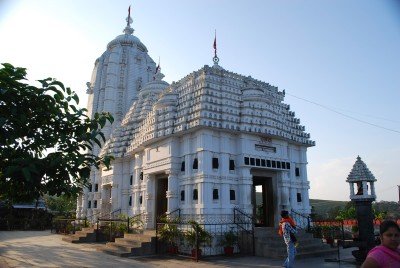
Sabar Srikhetra Jagannath Temple
Some quick example text to build on the card title and make up the bulk of the card's content.
Go somewhere
Sabara Srikhetra
Some quick example text to build on the card title and make up the bulk of the card's content.
Go somewhere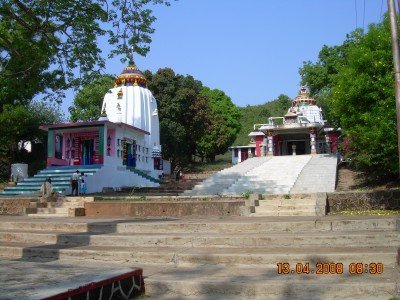
Sunabeda Township
Some quick example text to build on the card title and make up the bulk of the card's content.
Go somewherein Other Cities