Tribal Museum
General information
-
Ideal Duration:
2 to 3 HoursPlace Type:
Cultural & HeritageEntry Fees:
Adults: Nominal fee of 10 to 20 INR.
Children/Students: Free or discounted (usually 5 INR).
Foreign Nationals: Approximately 50 to 100 INR.
Photography: A separate camera f...Adults: Nominal fee of 10 to 20 INR.
Children/Students: Free or discounted (usually 5 INR).
Foreign Nationals: Approximately 50 to 100 INR.
Photography: A separate camera fee of around 50 INR might apply.Timing:
Regular Timings: Open from 10:00 AM to 05:00 PM.
Closed Days: Usually closed on Mondays and State Government Holidays.
Ideal Visit Time: 11:00 AM when the light in the galleries is best. ...Regular Timings: Open from 10:00 AM to 05:00 PM.
Closed Days: Usually closed on Mondays and State Government Holidays.
Ideal Visit Time: 11:00 AM when the light in the galleries is best.Special Events:
International Tribal Day: Celebrated on August 9th with special exhibitions and tribal dance performances.
State Museum Week: Occasional events during heritage weeks featuring local artisans. ...International Tribal Day: Celebrated on August 9th with special exhibitions and tribal dance performances.
State Museum Week: Occasional events during heritage weeks featuring local artisans.Best Photo Spots:
The Courtyard Shrines: The row of tribal totems makes for a culturally rich and symmetrical photograph.
Traditional Huts: Posing in front of the mud-walled, thatched-roof replicas provides an authentic "village" feel.
Read MoreThe Courtyard Shrines: The row of tribal totems makes for a culturally rich and symmetrical photograph.
Traditional Huts: Posing in front of the mud-walled, thatched-roof replicas provides an authentic "village" feel.
Ornament Gallery: Close-up shots of the colorful beads and brass rings (where permitted).Photo Gallery

Things To Do
-
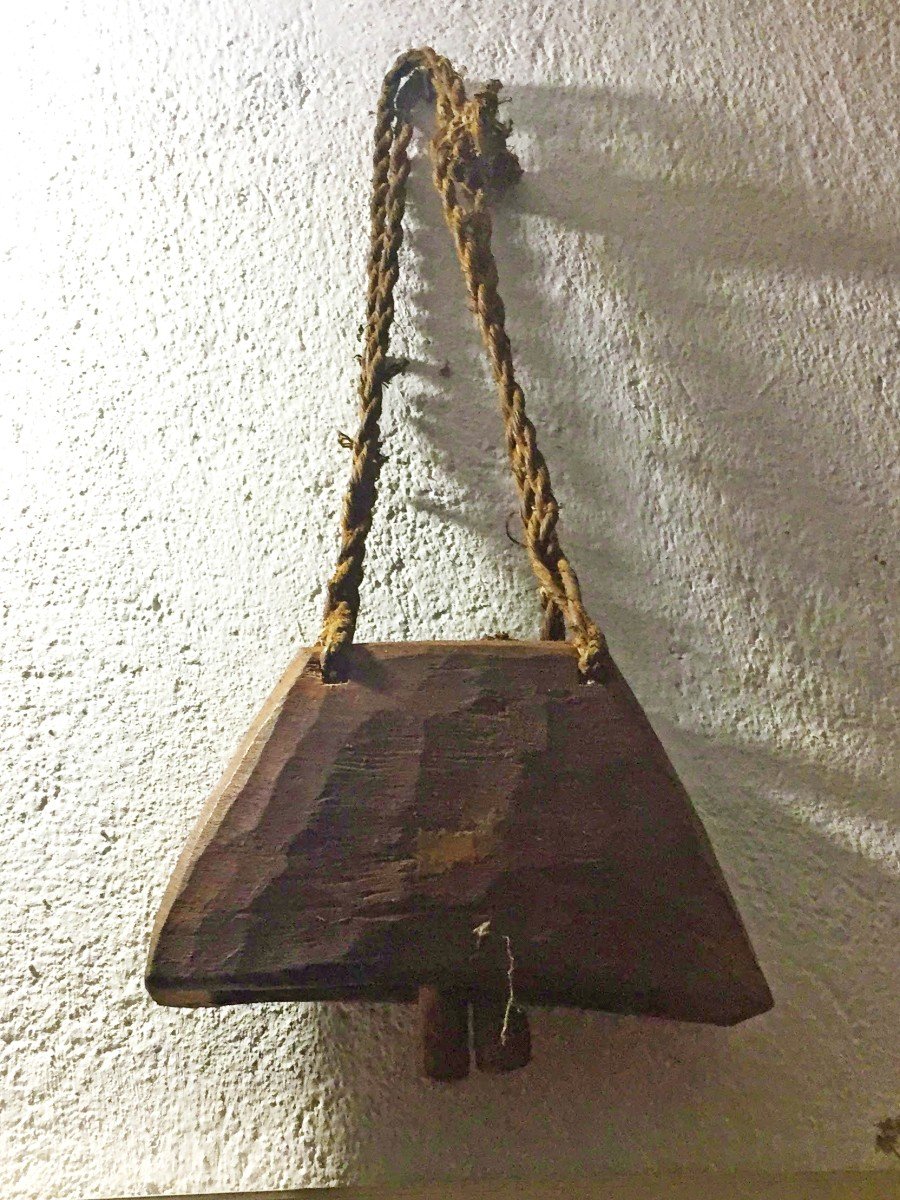
Guided Gallery Tour: Walk through the five galleries to see the evolution of tribal life through their weapons and tools.
Photography of Architecture: Capture the beautiful traditional huts and the artistic entrance of the museum.
Learn about Ornaments: Study the intricate beadwork of the Bonda women and the heavy silver jewelry of the Kandhas.
Examine Hunting Tools: Look at the specialized spears and traps used for forest survival.
Understand Musical Heritage: View the various drums and flutes used during the famous 'Dhemsa' dance.
Explore the Courtyard Shrines: Spend time looking at the various totems and tribal god figurines in the open area.
Study Tribal Textile...Guided Gallery Tour: Walk through the five galleries to see the evolution of tribal life through their weapons and tools.
Photography of Architecture: Capture the beautiful traditional huts and the artistic entrance of the museum.
Learn about Ornaments: Study the intricate beadwork of the Bonda women and the heavy silver jewelry of the Kandhas.
Examine Hunting Tools: Look at the specialized spears and traps used for forest survival.
Understand Musical Heritage: View the various drums and flutes used during the famous 'Dhemsa' dance.
Explore the Courtyard Shrines: Spend time looking at the various totems and tribal god figurines in the open area.
Study Tribal Textiles: Observe the weaving techniques of the Kerang fabric used by the tribes.
Relax in the Museum Garden: Enjoy the peaceful environment of the well-manicured lawn inside the complex.
Read the Informative Plaques: Take time to read the detailed descriptions that explain the socio-economic status of different tribes.
Interact with the Curator: If available, talk to the staff to get deeper insights into the tribal history of Koraput.
Visit the Souvenir Corner: Check if any local tribal handicrafts are available for purchase.
Observe the Dhokra Figurines: Look at the detail in the wax-cast metal art.
Sketching and Drawing: Artists often sit in the galleries to sketch the unique patterns of tribal artifacts.
Compare Tribal Huts: Notice the differences in the construction of a Bonda hut versus a Paraja hut.
Reflect on Sustainability: Learn how the tribes use every part of a gourd or bamboo for daily utility.
Information
-
Why Famous:
Preservation of Rare Tribes: It is famous for being the most comprehensive collection of artifacts related to the 'Vulnerable Tribal Groups' of Odisha.
Ethno-Cultural Insight: Famous for providing a deep understanding of tribal social struc...Preservation of Rare Tribes: It is famous for being the most comprehensive collection of artifacts related to the 'Vulnerable Tribal Groups' of Odisha.
Ethno-Cultural Insight: Famous for providing a deep understanding of tribal social structures and religious practices.
Dhokra Art: Known for its exquisite collection of ancient metal artifacts.
Educational Hub: It is a famous spot for researchers and students of tribal studies. -
Architecture:
Ethnic and Educational Design: The Tribal Museum architecture is designed to reflect the local aesthetic while functioning as a modern museum.
Galleries: The building consists of 5 main galleries, each dedicated to specific themes like 'Per...Ethnic and Educational Design: The Tribal Museum architecture is designed to reflect the local aesthetic while functioning as a modern museum.
Galleries: The building consists of 5 main galleries, each dedicated to specific themes like 'Personal Adornments', 'Hunting & Fishing', and 'Musical Instruments'.
Dimensions: The museum complex spans about 2 acres, including the outdoor courtyard. The main building features high ceilings and large windows to allow natural light to showcase the artifacts.
The Courtyard: A significant architectural feature is the open courtyard which contains 14 replicas of tribal shrines, representing the diverse religious beliefs of the region.
Thatched Huts: Within the premises, there are full-scale models of tribal houses (huts) built using traditional materials like mud, bamboo, and straw, providing an authentic architectural experience.
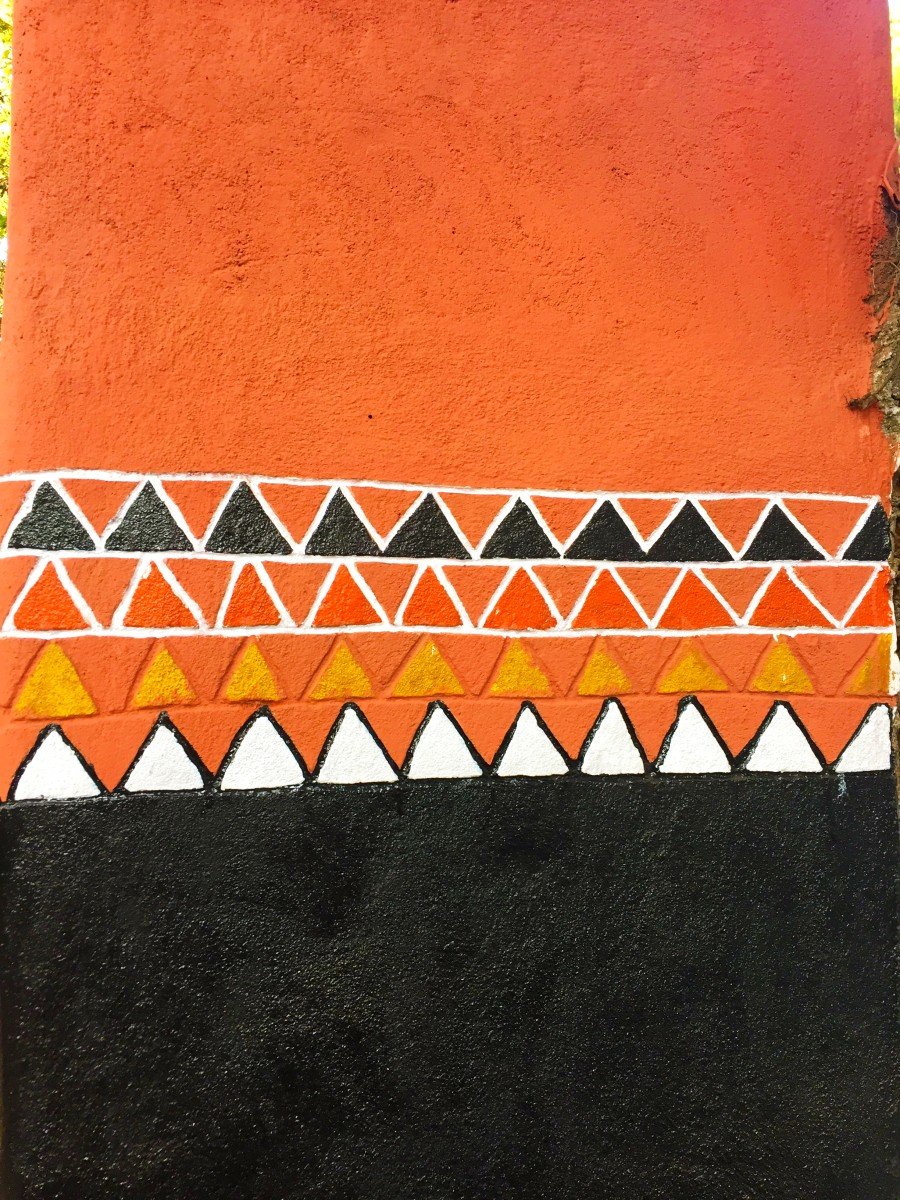
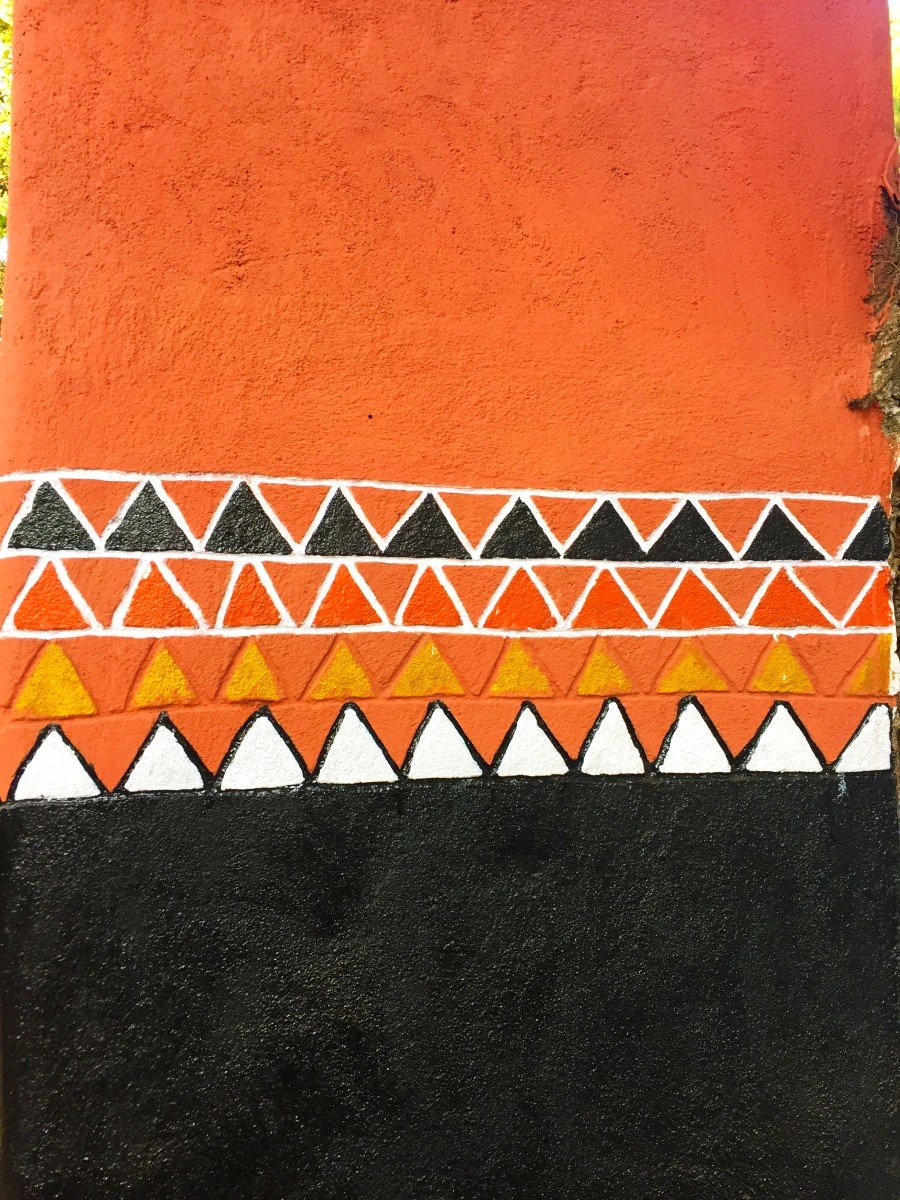
Entrance: The entrance is marked by traditional tribal motifs and a small garden that sets a serene tone. -
How To Reach:
By Air: Visakhapatnam Airport (200 KM) or Jeypore Airport (25 KM).
By Train: Koraput Railway Station is just 2 KMS away from the museum.
By Road: Located in the heart of Koraput town, easily reachable by an...By Air: Visakhapatnam Airport (200 KM) or Jeypore Airport (25 KM).
By Train: Koraput Railway Station is just 2 KMS away from the museum.
By Road: Located in the heart of Koraput town, easily reachable by any bus coming to the main stand.
By Local Transport: Auto-rickshaws and cycle rickshaws are readily available from anywhere in the city. -
Weather and Best Time to Visit:
Year-round: Since it is an indoor museum, it can be visited anytime.
Winter (October to February): Best for combining with outdoor temple visits.
Parts of Day: Morning hours are usually less crowded. ...Year-round: Since it is an indoor museum, it can be visited anytime.
Winter (October to February): Best for combining with outdoor temple visits.
Parts of Day: Morning hours are usually less crowded. -
Near Tourist Places:
1. Jagannath Temple (0. 1 KM), 2. Jagannath Sagar (1 KM), 3. Kolab Dam (20 KM), 4. Sunabeda (18 KM), 5. Deomali (45 KM), 6. Maliguda Tunnel (40 KM), 7. Jeypore (25 KM), 8. Duduma (70 KM), 9. Gupteswar (75 KM), 10. Bagra Falls (35 KM)
Tourism Tips
-
Health & Safety: Maintain silence inside the galleries. Do not touch the artifacts.
Packing: Carry a notebook for taking notes.
Accommodation: Many hotels and guesthouses like OTDC Panthanivas are located ...Health & Safety: Maintain silence inside the galleries. Do not touch the artifacts.
Packing: Carry a notebook for taking notes.
Accommodation: Many hotels and guesthouses like OTDC Panthanivas are located within 1-2 KMS.
Cash & Connectivity: Many ATMs are present nearby. Mobile data works perfectly.
Reviews
FAQs
Koraput Itineray And Cost:-
Other Places In Koraput :-
Other States In India :-
Information about New and Updated Locations() of Odisha Has Been Added :-
Card subtitle
Note:-
Information provided here in good Faith and for reference only.
Near Places

Balda Cave
Some quick example text to build on the card title and make up the bulk of the card's content.
Go somewhere
Damanjodi Township
Some quick example text to build on the card title and make up the bulk of the card's content.
Go somewhere
Deomali Peak
Some quick example text to build on the card title and make up the bulk of the card's content.
Go somewhere
Duduma Waterfall
Some quick example text to build on the card title and make up the bulk of the card's content.
Go somewhere
Galigabadar Waterfall
Some quick example text to build on the card title and make up the bulk of the card's content.
Go somewhere
Nandapur Batrisa Singhasan
Some quick example text to build on the card title and make up the bulk of the card's content.
Go somewhere
Palmetum Park
Some quick example text to build on the card title and make up the bulk of the card's content.
Go somewhere
Pandi Picnic Spot
Some quick example text to build on the card title and make up the bulk of the card's content.
Go somewhere
Punjisil Waterfalls
Some quick example text to build on the card title and make up the bulk of the card's content.
Go somewhere
Putsil Table Mountain
Some quick example text to build on the card title and make up the bulk of the card's content.
Go somewhere
Raisil Perennial Stream
Some quick example text to build on the card title and make up the bulk of the card's content.
Go somewhere
Rani Duduma Waterfalls
Some quick example text to build on the card title and make up the bulk of the card's content.
Go somewhere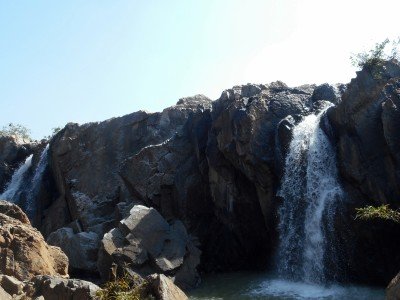
Rathibali Waterfall
Some quick example text to build on the card title and make up the bulk of the card's content.
Go somewhere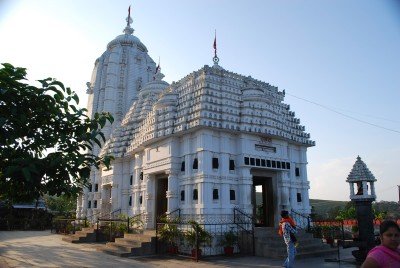
Sabar Srikhetra Jagannath Temple
Some quick example text to build on the card title and make up the bulk of the card's content.
Go somewhere
Sabara Srikhetra
Some quick example text to build on the card title and make up the bulk of the card's content.
Go somewhere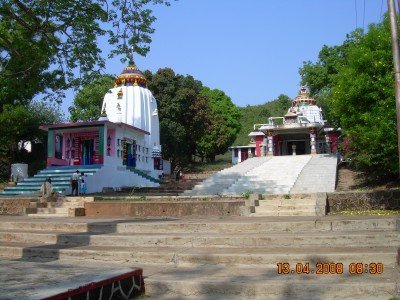
Sunabeda Township
Some quick example text to build on the card title and make up the bulk of the card's content.
Go somewherein Other Cities