
Sabara Srikhetra
General information
-
Ideal Duration:
3 to 4 HoursPlace Type:
Heritage & MuseumEntry Fees:
Temple Access: Free entry for all.
Tribal Museum: A very nominal fee of INR 10 for adults and INR 5 for children is charged to support the maintenance of the artifacts.
Research Library: Access to the libra...Temple Access: Free entry for all.
Tribal Museum: A very nominal fee of INR 10 for adults and INR 5 for children is charged to support the maintenance of the artifacts.
Research Library: Access to the library is generally free for students, but a small fee may be required for photocopying or extensive research.
:Timing:
Regular Timings: The temple is open from 05:00 AM to 09:30 PM. The museum usually operates from 10:00 AM to 05:00 PM, except on government holidays and Mondays.
Ideal Visit Time: Visit the museum in the late morning and the temple in the e...Regular Timings: The temple is open from 05:00 AM to 09:30 PM. The museum usually operates from 10:00 AM to 05:00 PM, except on government holidays and Mondays.
Ideal Visit Time: Visit the museum in the late morning and the temple in the evening to experience both the educational and spiritual sides.
:Special Events:
Jagannath Janmotsav: Celebrated in the summer, this event focuses on the "birth" of the wooden deities with elaborate bathing rituals.
Tribal Dance Festivals: During the Parab month of November, the temple complex hosts various tribal dance...Jagannath Janmotsav: Celebrated in the summer, this event focuses on the "birth" of the wooden deities with elaborate bathing rituals.
Tribal Dance Festivals: During the Parab month of November, the temple complex hosts various tribal dance troupes who perform the Dhemsa and Chhau dances.
:Best Photo Spots:
The Museum Entrance: The traditional tribal murals on the museum walls make a vibrant and colorful background.
The View from the Shikhara: If given permission, the view from the upper balcony shows the red-roofed houses of Koraput against t...The Museum Entrance: The traditional tribal murals on the museum walls make a vibrant and colorful background.
The View from the Shikhara: If given permission, the view from the upper balcony shows the red-roofed houses of Koraput against the green hills.
The Banyan Tree Base: The ancient tree near the museum is a great spot for "nature-meets-culture" photography.
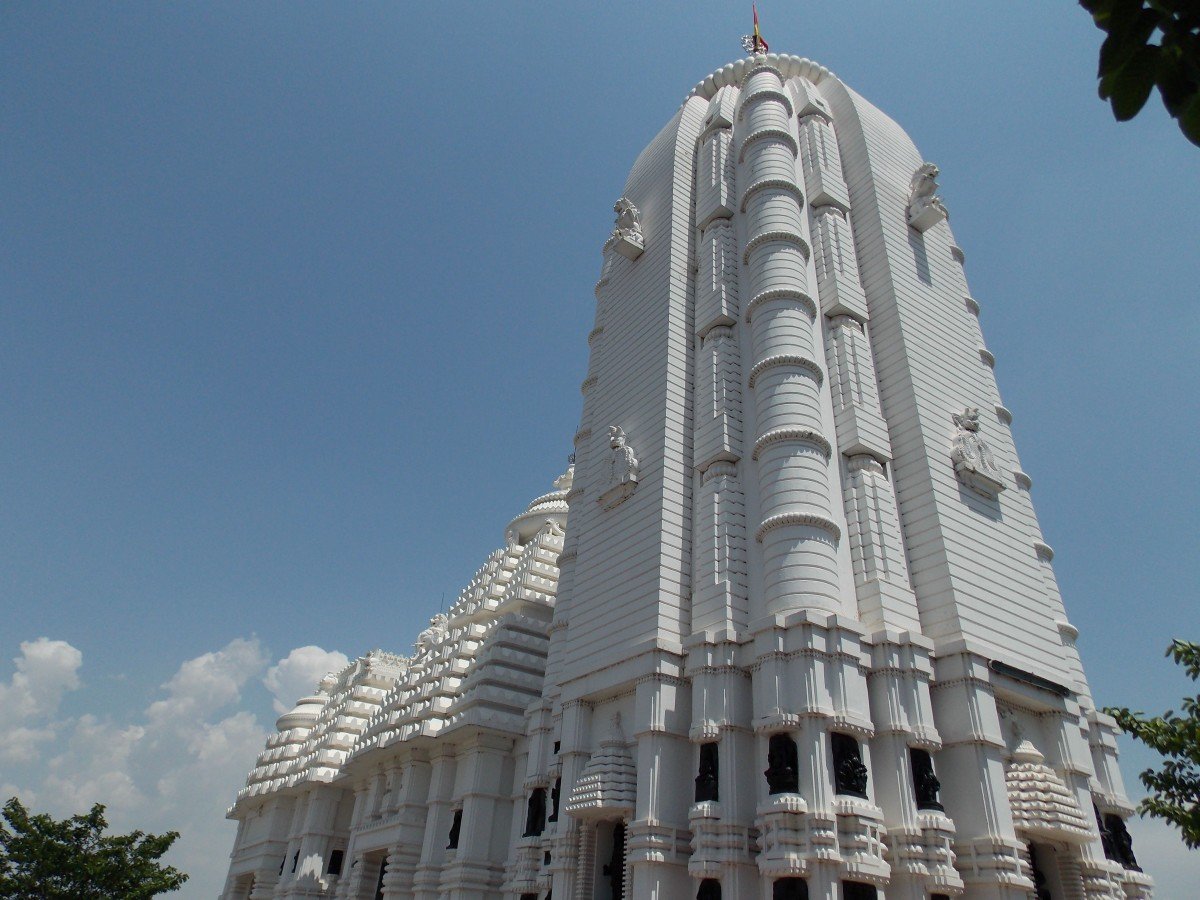
:Photo Gallery
Things To Do
-
Museum Tour: Spend at least an hour in the Tribal Museum. It is one of the best in India for seeing the authentic lifestyle of tribes like the Bonda and Gadaba.
Research and Reading: If you are a student, spend time in the COATS library. The staff is very helpful in explaining the history of Koraput.
Attending the Chhera Pahanra: If you are there during July, watch the unique ritual where a common tribal man performs the king's duties on the chariot.
Feeding the Temple Fish: There is a small pond nearby where people often feed the fish, a relaxing activity for children in the afternoon of February.
Shopping for Kotpad Silk: The museum shop often stocks authentic Kotpad handloom, which is world-renowned for its organic dyes.Museum Tour: Spend at least an hour in the Tribal Museum. It is one of the best in India for seeing the authentic lifestyle of tribes like the Bonda and Gadaba.
Research and Reading: If you are a student, spend time in the COATS library. The staff is very helpful in explaining the history of Koraput.
Attending the Chhera Pahanra: If you are there during July, watch the unique ritual where a common tribal man performs the king's duties on the chariot.
Feeding the Temple Fish: There is a small pond nearby where people often feed the fish, a relaxing activity for children in the afternoon of February.
Shopping for Kotpad Silk: The museum shop often stocks authentic Kotpad handloom, which is world-renowned for its organic dyes.
Morning Yoga: The temple platform is a serene place for yoga enthusiasts in the early morning when the town is covered in mist.
Enjoying the Prasadam: Sit in the communal dining hall and experience the simple, sattvic meal of Dalma and rice served with love.
Learning Tribal Music: The museum has a section for musical instruments. Sometimes local artists perform traditional flute or drum music.
Watching the Sunset: The western side of the hill offers a clear view of the sun setting behind the distant Panchpatmali hills.
Participating in Seminars: If a cultural seminar is happening at COATS, tourists are often welcome to sit in and learn about local conservation efforts.
:
Information
-
Why Famous:
Anthropological Significance: Famous as the research center for the world's oldest tribal-religious links.
Daru Brahma: Known for worshipping the deities in their raw wooden form, emphasizing the tribal roots of the Jagannath cult.
...Anthropological Significance: Famous as the research center for the world's oldest tribal-religious links.
Daru Brahma: Known for worshipping the deities in their raw wooden form, emphasizing the tribal roots of the Jagannath cult.
Educational Hub: Home to COATS, a premier institution for tribal research recognized globally.
The 110 Steps: The challenging yet rewarding climb is a famous local ritual for health and devotion.
: -
Architecture:
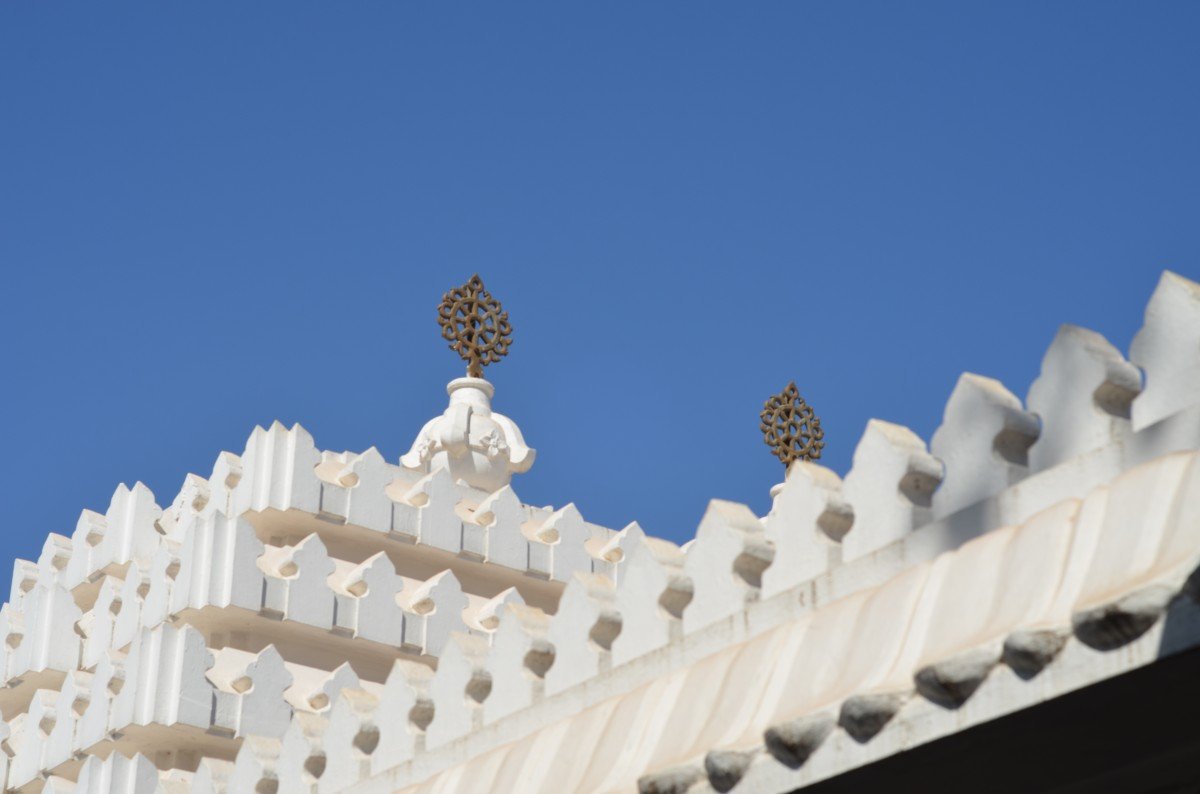
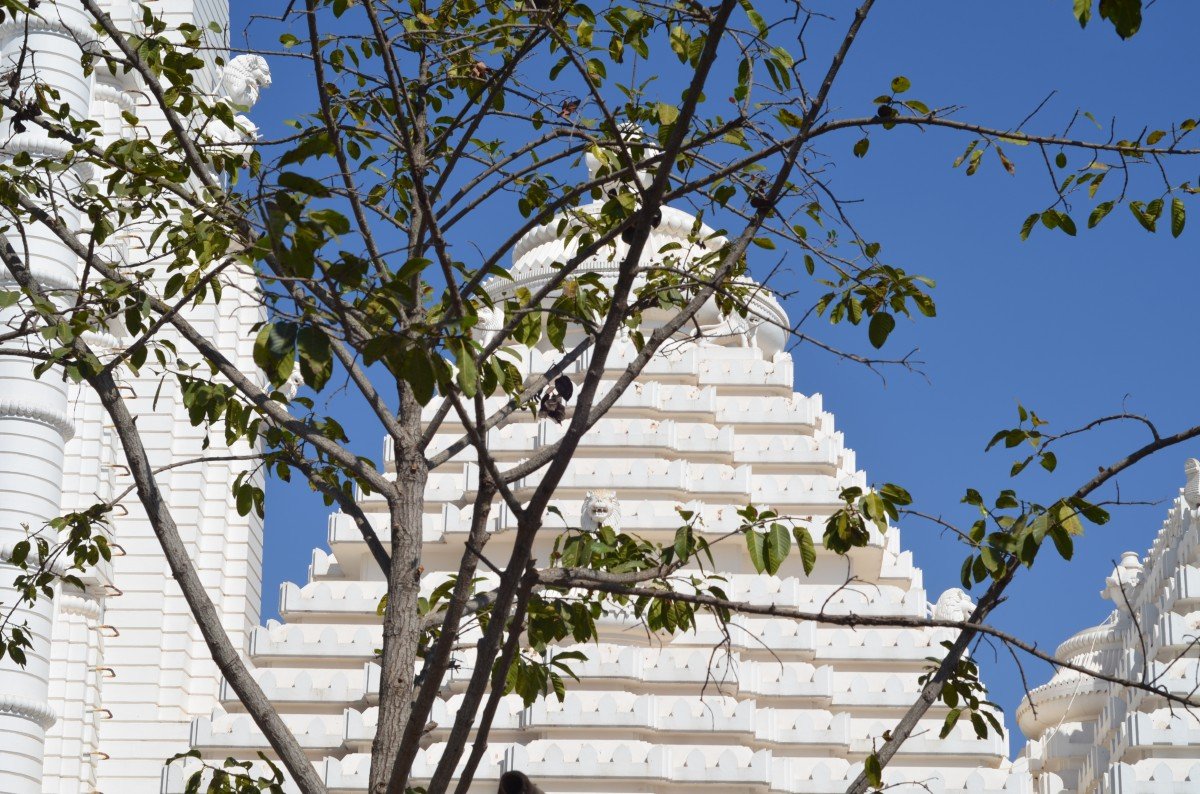
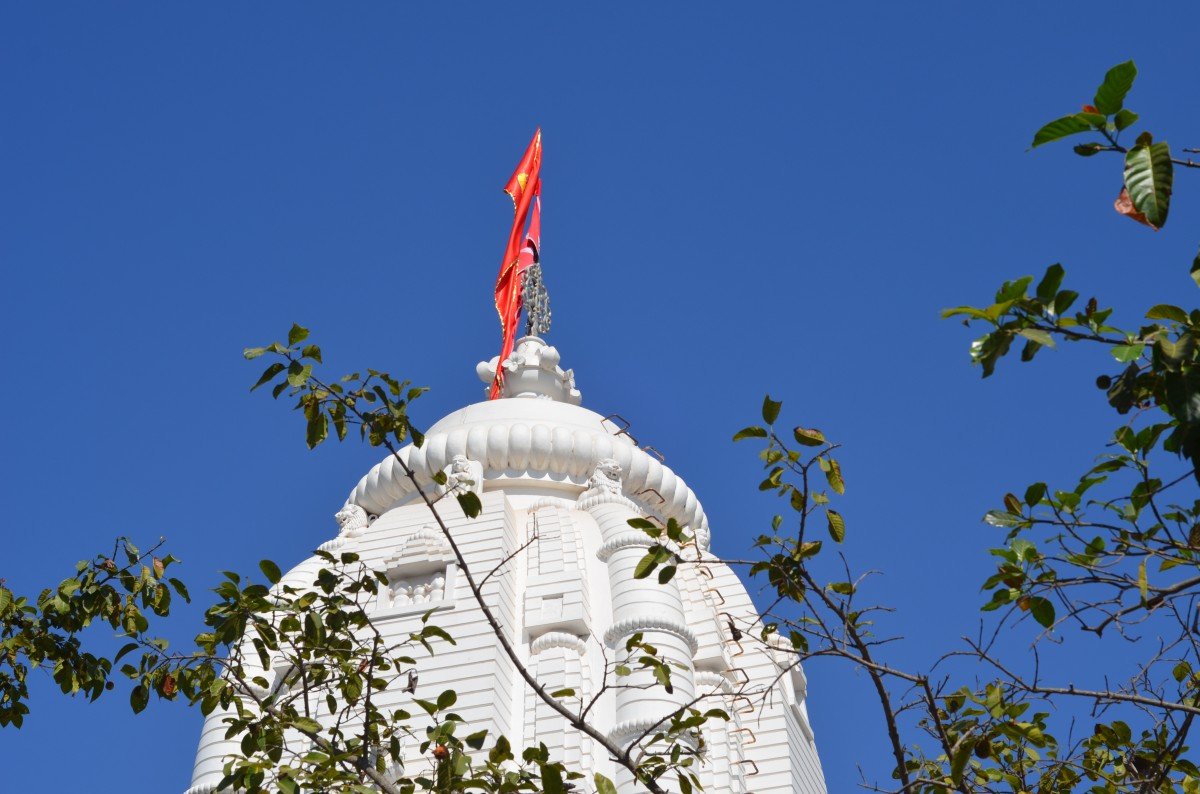
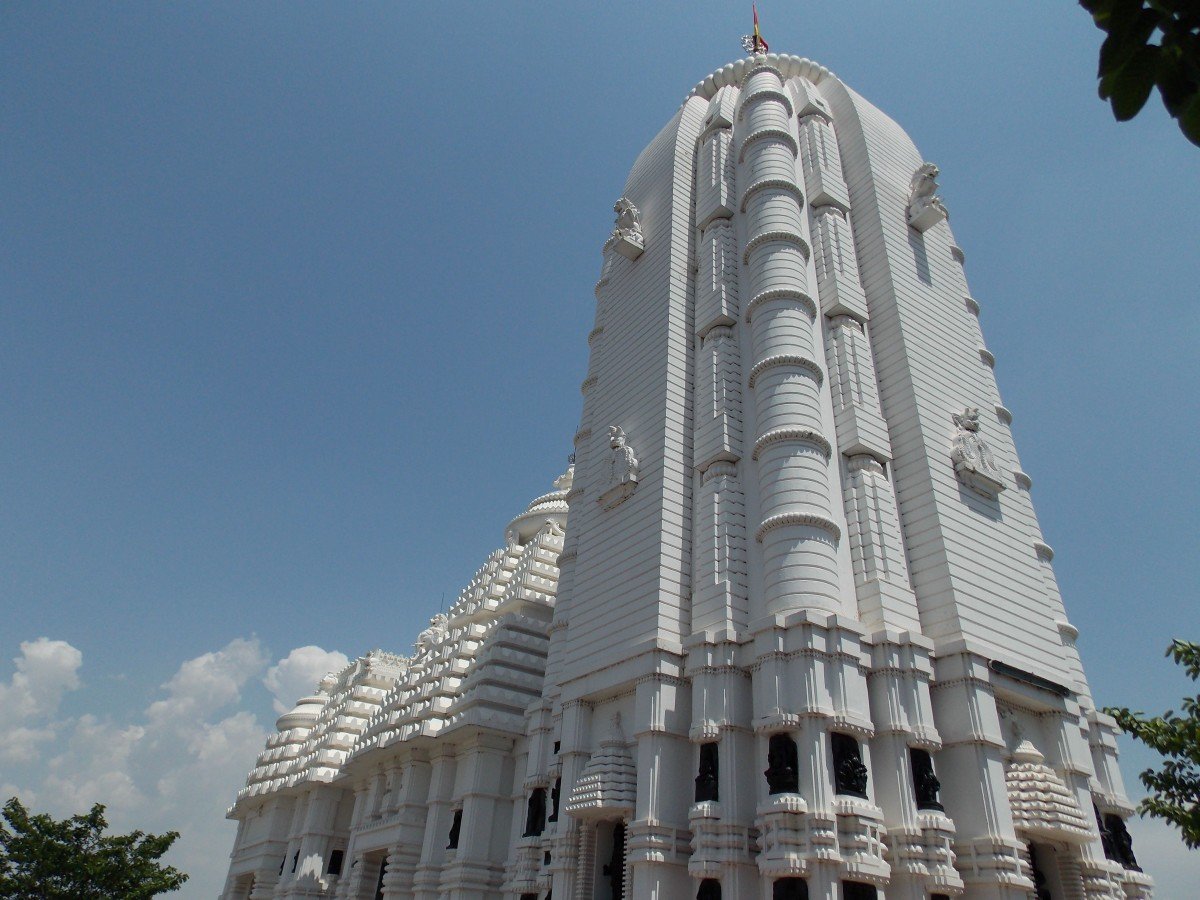
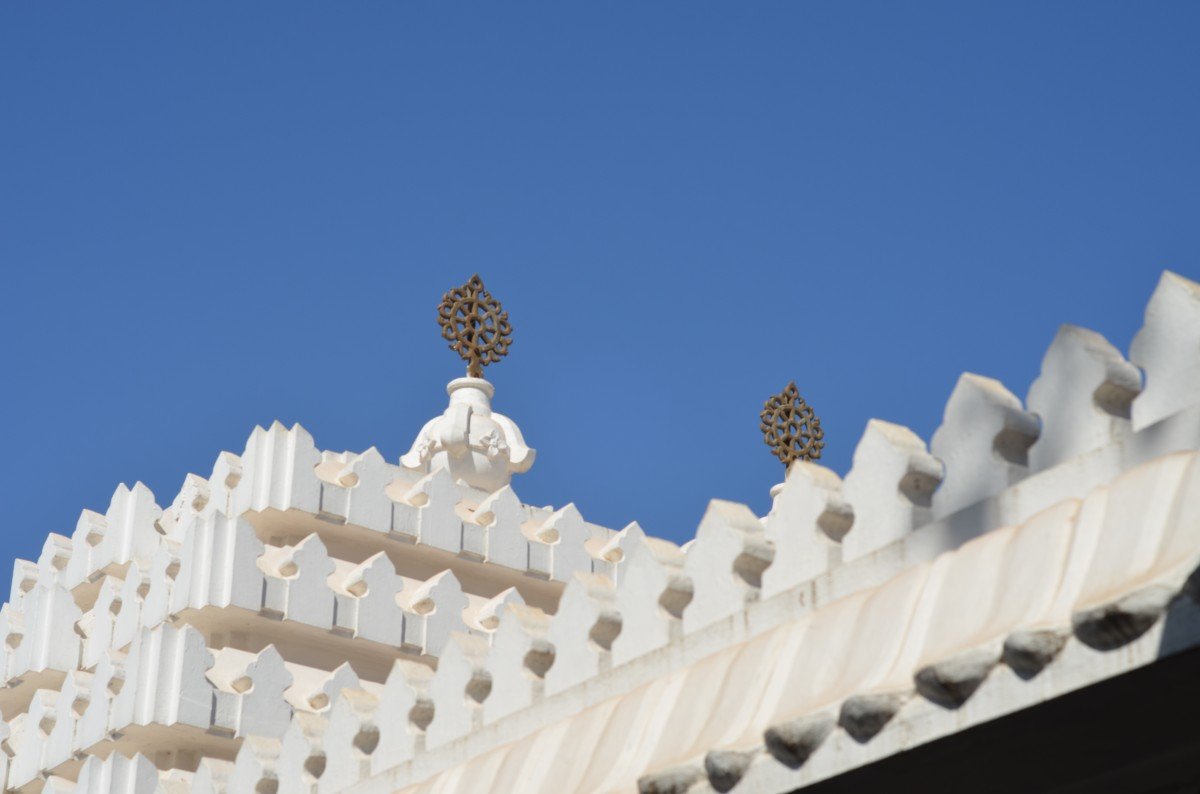
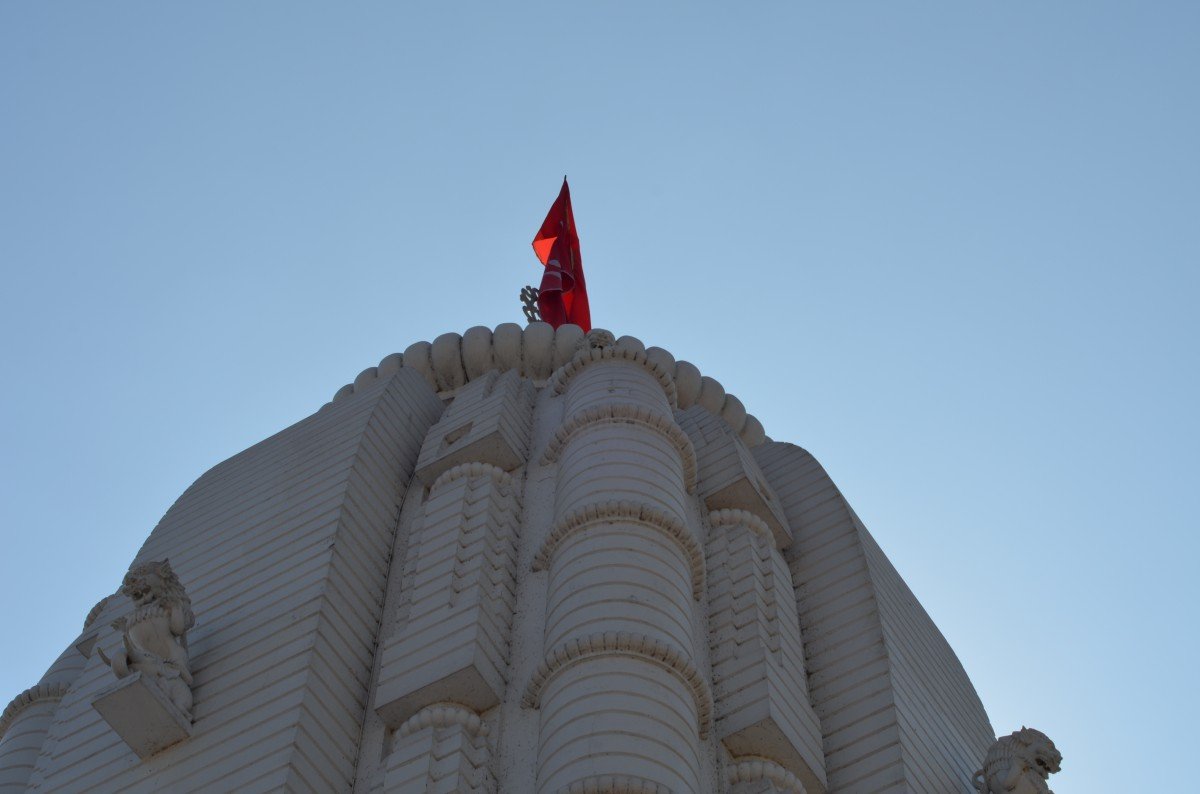
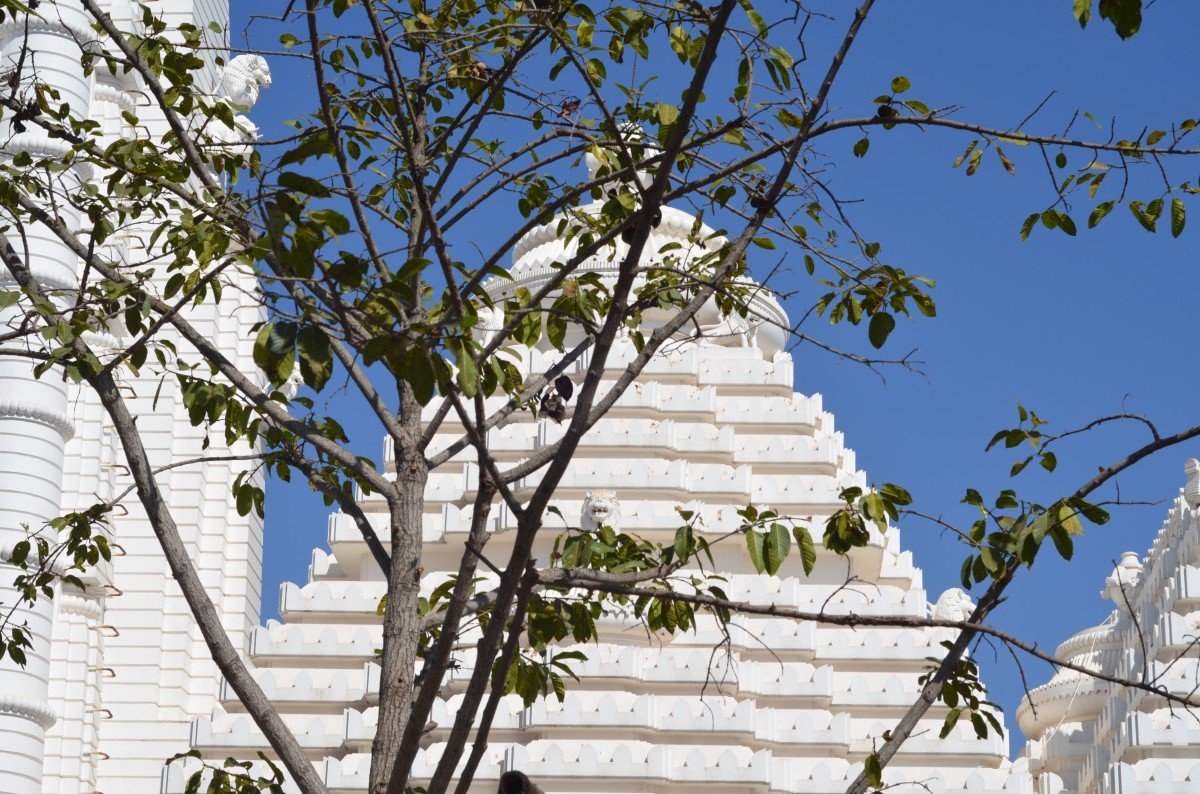
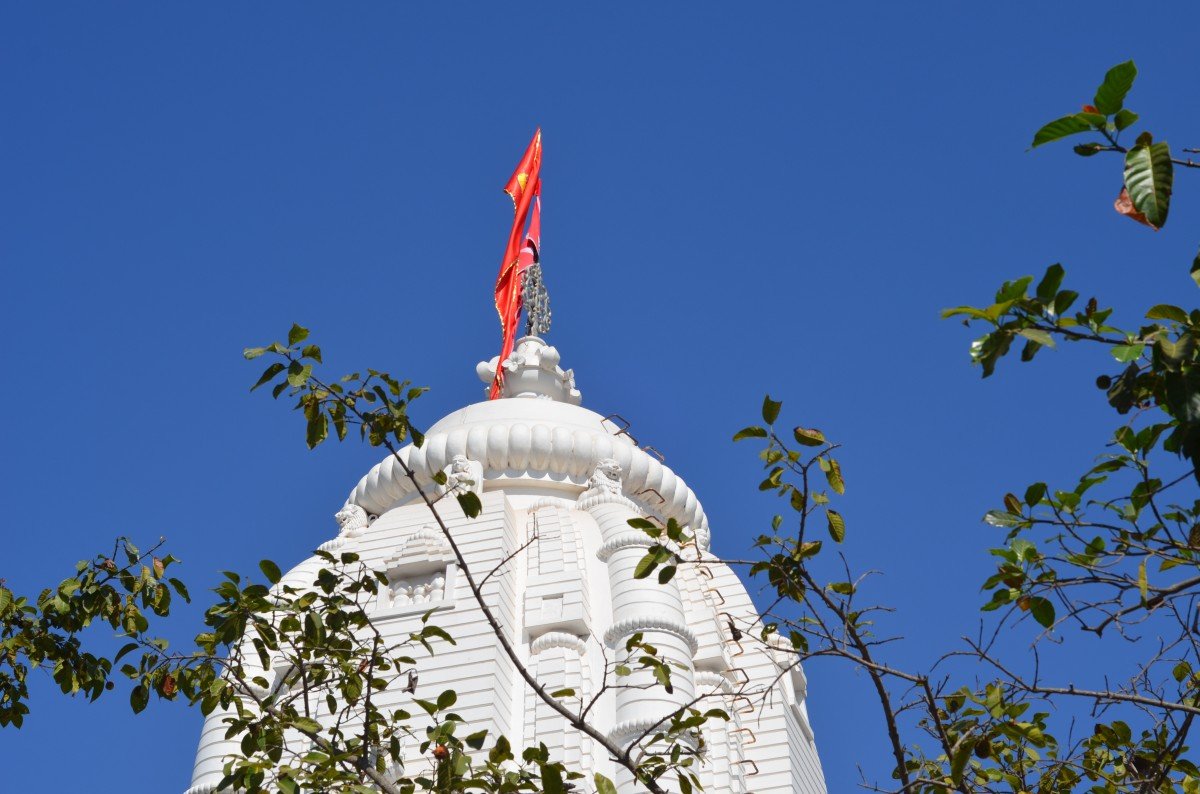
The Four-Chambered Complex: The temple structure is a perfect example of a complete Hindu temple layout. Deula (20ft x 20ft), Jagamohan (30ft x 30ft), Nata Mandapa, and Bhoga Mandapa.
Boundary Wall: The entire hillock is encircled by a hig...The Four-Chambered Complex: The temple structure is a perfect example of a complete Hindu temple layout. Deula (20ft x 20ft), Jagamohan (30ft x 30ft), Nata Mandapa, and Bhoga Mandapa.
Boundary Wall: The entire hillock is encircled by a high masonry wall with an imposing gateway.
Dimensions: The total area of the temple hill is approximately 5 acres. The tribal museum nearby is a two-story building covering 10,000 sq ft.
: -
How To Reach:
By Air: The nearest airport is Visakhapatnam. A scenic train ride on the KK Line (Kirandul-Kottavalasa) will bring you to Koraput.
By Train: Directly accessible via Koraput Railway Station, which is a central hub for the South Coast Railwa...By Air: The nearest airport is Visakhapatnam. A scenic train ride on the KK Line (Kirandul-Kottavalasa) will bring you to Koraput.
By Train: Directly accessible via Koraput Railway Station, which is a central hub for the South Coast Railway.
By Road: Koraput is well connected by the NH-26. Overnight buses from Bhubaneswar and Raipur are available.
By Local Transport: Within the town, walking or taking a shared auto is the best way to get around. The temple is a prominent landmark everyone knows.
: -
Weather and Best Time to Visit:
Winter Season: November to February is perfect for walking around the complex without getting tired.
Summer Evenings: The high altitude of Koraput ensures that evenings in May are still relatively cool and pleasant at the temple.Winter Season: November to February is perfect for walking around the complex without getting tired.
Summer Evenings: The high altitude of Koraput ensures that evenings in May are still relatively cool and pleasant at the temple.
Festival Season: Visit during Rath Yatra for the highest level of cultural energy.
: -
Near Tourist Places:
Jagannath Sagar Lake (0. 5 Km), Kolab Botanical Garden (16 Kms), Deomali (44 Kms), Gupteswar Cave (80 Kms), Maliguda Viaduct (42 Kms), Subai Jain Relics (35 Kms), Jeypore Palace (22 Kms), Bagra Waterfall (16 Kms), Sunabeda MIG Factory (18 Kms), Duduma Waterfall (110 Kms)
Tourism Tips
-
Health and Safety: Keep hydrated while climbing the steps. The museum is well-ventilated, but it can get crowded on weekends.
Packing: Bring a notebook if you are interested in history. A good pair of walking shoes is essential for the hi...Health and Safety: Keep hydrated while climbing the steps. The museum is well-ventilated, but it can get crowded on weekends.
Packing: Bring a notebook if you are interested in history. A good pair of walking shoes is essential for the hill climb.
Accommodation: Check out the Odisha Tourism (Panthanivas) in Koraput for a comfortable and reliable stay near the temple.
Cash and Connectivity: There are multiple banks and ATMs within 1 Km of the site. Wi-Fi is available in some of the larger hotels nearby.
:
Reviews
FAQs
Koraput Itineray And Cost:-
Sabara Srikhetra Tourism:-
Other Places In Koraput :-
Other States In India :-
Information about New and Updated Locations() of Odisha Has Been Added :-
Card subtitle
Note:-
Information provided here in good Faith and for reference only.
Near Places

Balda Cave
Some quick example text to build on the card title and make up the bulk of the card's content.
Go somewhere
Damanjodi Township
Some quick example text to build on the card title and make up the bulk of the card's content.
Go somewhere
Deomali Peak
Some quick example text to build on the card title and make up the bulk of the card's content.
Go somewhere
Duduma Waterfall
Some quick example text to build on the card title and make up the bulk of the card's content.
Go somewhere
Galigabadar Waterfall
Some quick example text to build on the card title and make up the bulk of the card's content.
Go somewhere
Nandapur Batrisa Singhasan
Some quick example text to build on the card title and make up the bulk of the card's content.
Go somewhere
Palmetum Park
Some quick example text to build on the card title and make up the bulk of the card's content.
Go somewhere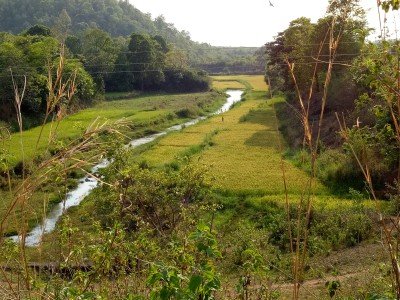
Pandi Picnic Spot
Some quick example text to build on the card title and make up the bulk of the card's content.
Go somewhere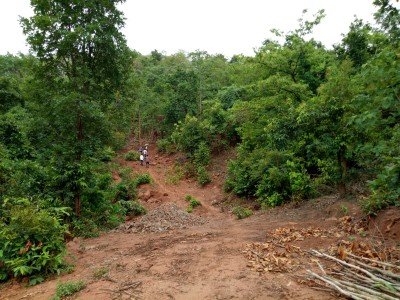
Punjisil Waterfalls
Some quick example text to build on the card title and make up the bulk of the card's content.
Go somewhere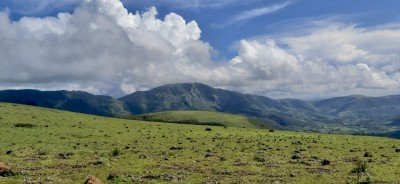
Putsil Table Mountain
Some quick example text to build on the card title and make up the bulk of the card's content.
Go somewhere
Raisil Perennial Stream
Some quick example text to build on the card title and make up the bulk of the card's content.
Go somewhere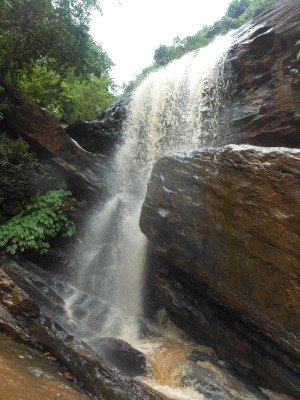
Rani Duduma Waterfalls
Some quick example text to build on the card title and make up the bulk of the card's content.
Go somewhere
Rathibali Waterfall
Some quick example text to build on the card title and make up the bulk of the card's content.
Go somewhere
Sabar Srikhetra Jagannath Temple
Some quick example text to build on the card title and make up the bulk of the card's content.
Go somewhere
Sabara Srikhetra
Some quick example text to build on the card title and make up the bulk of the card's content.
Go somewhere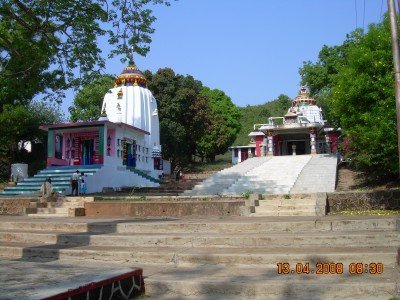
Sunabeda Township
Some quick example text to build on the card title and make up the bulk of the card's content.
Go somewherein Other Cities