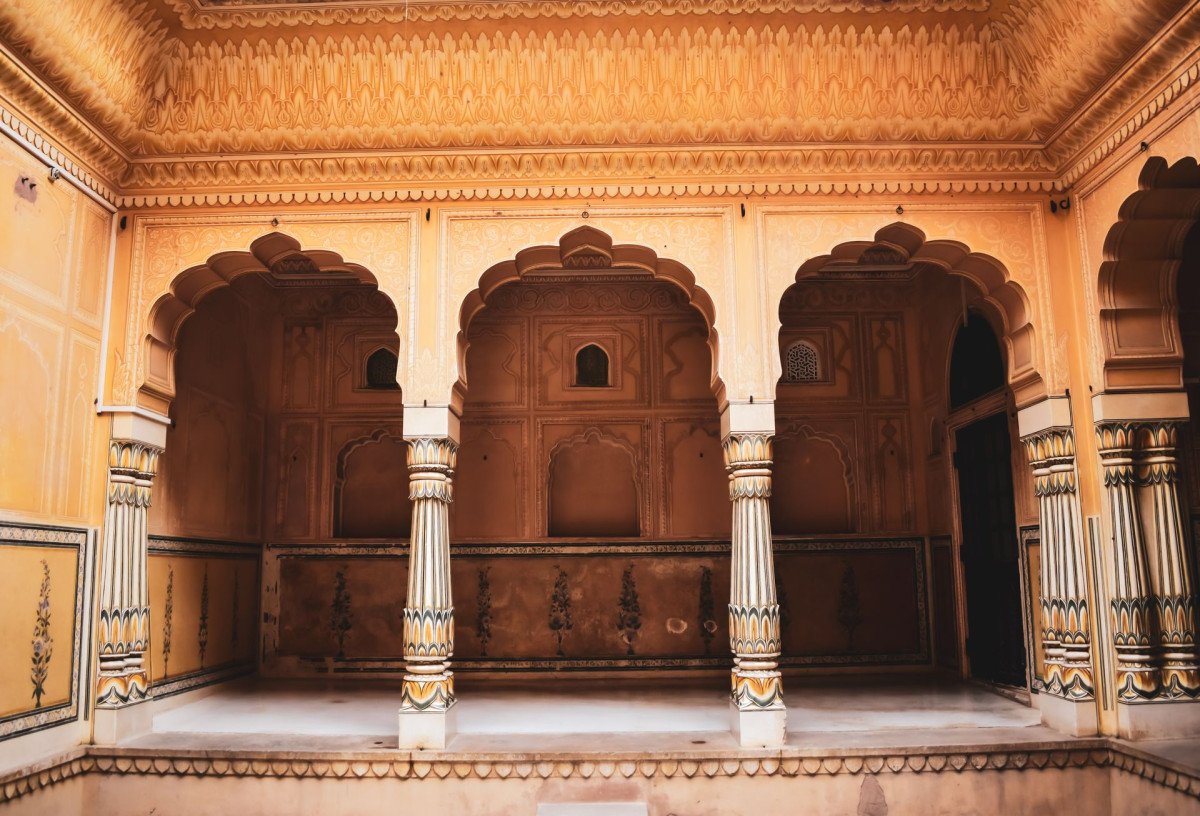
Sadashivanagar Fort Ruins
General information
-
Ideal Duration:
3 to 4 HoursPlace Type:
Historic Site / FortEntry Fees:
Free Entry: Currently, there is no official entry fee to visit the Sadashivanagar Fort Ruins. It is open to the public, though visitors are expected to maintain the sanctity and cleanliness of the site. Local authorities are considering a small fee for future conservation ...Free Entry: Currently, there is no official entry fee to visit the Sadashivanagar Fort Ruins. It is open to the public, though visitors are expected to maintain the sanctity and cleanliness of the site. Local authorities are considering a small fee for future conservation efforts.Timing:
Regular Timings: 08:00 AM to 06:00 PM.
Ideal Visit Time: The early morning hours between 08:00 AM and 10:00 AM are best to avoid the afternoon heat and enjoy the soft light for photos. ...Regular Timings: 08:00 AM to 06:00 PM.
Ideal Visit Time: The early morning hours between 08:00 AM and 10:00 AM are best to avoid the afternoon heat and enjoy the soft light for photos.Special Events:
Local Cultural Festival: While there is no major annual event specific only to the fort, the Dussehra festival is celebrated with great fervor in the village. During this time, the locals perform traditional "Shami Pooja" near the fort boundaries. The spirit of the festiva...Local Cultural Festival: While there is no major annual event specific only to the fort, the Dussehra festival is celebrated with great fervor in the village. During this time, the locals perform traditional "Shami Pooja" near the fort boundaries. The spirit of the festival brings a temporary surge of visitors to the ruins, and local stories of the fort's past are recited by elders. It is a time when the historical site feels reconnected with its living community.Best Photo Spots:
The Main Gateway: The imposing entrance with its weathered stone arches is the most photographed spot.
The High Ramparts: Capture wide-angle shots of the entire village from the top of the fort walls.
Overgrown ...The Main Gateway: The imposing entrance with its weathered stone arches is the most photographed spot.
The High Ramparts: Capture wide-angle shots of the entire village from the top of the fort walls.
Overgrown Ruins: The contrast between the grey stone and green creepers makes for excellent artistic photography.
Inner Courtyards: The play of light and shadow through the broken windows creates a mystical atmosphere for portraits.Photo Gallery
Things To Do
-
Trekking and Heritage Walk: One of the best things to do is a guided heritage walk through the ruins to identify various sections like the courtrooms and the soldiers' barracks.
Photography and Vlogging: The crumbling walls and overgrown vines provide a dramatic backdrop for photography and historical vlogging.
Nature Observation: The fort area has become a habitat for various local bird species, making it a quiet spot for birdwatching.
Picnicking: Families often visit the outer perimeters for a quiet afternoon picnic under the ancient trees.
Sunset Viewing: Climbing to the highest intact point of the ramparts offers a breathtaking view of the Sadashivanagar landscape during sunset.
Studying Inscript...Trekking and Heritage Walk: One of the best things to do is a guided heritage walk through the ruins to identify various sections like the courtrooms and the soldiers' barracks.
Photography and Vlogging: The crumbling walls and overgrown vines provide a dramatic backdrop for photography and historical vlogging.
Nature Observation: The fort area has become a habitat for various local bird species, making it a quiet spot for birdwatching.
Picnicking: Families often visit the outer perimeters for a quiet afternoon picnic under the ancient trees.
Sunset Viewing: Climbing to the highest intact point of the ramparts offers a breathtaking view of the Sadashivanagar landscape during sunset.
Studying Inscriptions: Enthusiasts can spend time tracing the faded scripts on the stone walls to learn about the fort's construction.
Exploring Step-wells: Investigating the architecture of the ancient water management systems within the fort is a fascinating activity for those interested in traditional engineering.
Information
-
Why Famous:
Sentinel of the Samsthanam: This fort is famous primarily for its role as the seat of the Sadashivanagar Samsthanam. It served as a vital administrative center for the Nizams of Hyderabad, managing tax collection and local governance. The fort's strategic design made it ne...Sentinel of the Samsthanam: This fort is famous primarily for its role as the seat of the Sadashivanagar Samsthanam. It served as a vital administrative center for the Nizams of Hyderabad, managing tax collection and local governance. The fort's strategic design made it nearly impregnable during its prime. Its fame also lies in its rugged beauty, attracting photographers and history students who wish to study the structural patterns of medieval Telangana forts. It is a symbol of local pride for the people of Sadashivanagar, representing a time when their village was a center of regional power. -
Architecture:
Fortification and Dimensions: The architecture of Sadashivanagar Fort follows the classic Deccan style of fortification. The walls are constructed using massive blocks of granite, joined without the use of modern mortar, reflecting the engineering brilliance of the period. ...Fortification and Dimensions: The architecture of Sadashivanagar Fort follows the classic Deccan style of fortification. The walls are constructed using massive blocks of granite, joined without the use of modern mortar, reflecting the engineering brilliance of the period. The main gateway, though partially collapsed, still displays the remains of ornate carvings and heavy iron-studded wooden doors designed to withstand elephant charges. Inside, the ruins of the "Baradari" or the meeting hall suggest a spacious layout with high ceilings and arched windows. The fort complex spans approximately 15 acres, with the main ramparts reaching a height of 30 feet in certain sections. There are remnants of deep step-wells within the premises that ensured a steady water supply during sieges. -
How To Reach:
By Air: The nearest international airport is Rajiv Gandhi International Airport (HYD) in Hyderabad, located about 145 KMS away. From there, one can hire a taxi or take a bus to Kamareddy.
By Train: Kamareddy Railway Station is the closest r...By Air: The nearest international airport is Rajiv Gandhi International Airport (HYD) in Hyderabad, located about 145 KMS away. From there, one can hire a taxi or take a bus to Kamareddy.
By Train: Kamareddy Railway Station is the closest rail head, well-connected to Secunderabad, Nizamabad, and Nanded.
By Road: Regular TSRTC buses run from Hyderabad, Nizamabad, and Kamareddy to Sadashivanagar.
By Local Transport: From Kamareddy town, auto-rickshaws and local jeeps are readily available to reach the fort site. -
Weather and Best Time to Visit:
Winter Season: November to February is the best time as the weather is pleasant for exploring the ruins.
Monsoon Season: July to September makes the surroundings lush green, though the rocks can be slippery.
Mor...Winter Season: November to February is the best time as the weather is pleasant for exploring the ruins.
Monsoon Season: July to September makes the surroundings lush green, though the rocks can be slippery.
Morning Hours: Visiting at dawn offers a peaceful experience.
Evening Hours: The golden hour before sunset provides the best lighting. -
Near Tourist Places:
1. Kamareddy Town (18 KM), 2. Nizamsagar Dam (45 KM), 3. Domakonda Fort (30 KM), 4. Koulas Fort (80 KM), 5. Pocharam Wildlife Sanctuary (50 KM), 6. Basar Saraswati Temple (110 KM), 7. Medak Church (75 KM), 8. Edupayala Vana Durga Temple (85 KM), 9. Ali Sagar Reservoir (60 KM), 10. Dichpally Ramalayam (40 KM).
Tourism Tips
-
Health and Safety: Wear sturdy trekking shoes as the terrain is uneven and rocky.
Packing: Carry sufficient water and light snacks, as there are no shops inside the ruins.
Accommodation: Stay in Kamareddy to...Health and Safety: Wear sturdy trekking shoes as the terrain is uneven and rocky.
Packing: Carry sufficient water and light snacks, as there are no shops inside the ruins.
Accommodation: Stay in Kamareddy town, which offers a range of hotels from budget to mid-range.
Cash and Connectivity: Carry cash for local transport; ATMs are available in Sadashivanagar village. Mobile signal is generally good, but Wi-Fi is unavailable at the site.
Reviews
FAQs
Kamareddy Itineray And Cost:-
Sadashivanagar Fort Ruins Tourism:-
Other Places In Kamareddy :-
Other States In India :-
Information about New and Updated Locations() of Telangana Has Been Added :-
Card subtitle
Note:-
Information provided here in good Faith and for reference only.
Near Places
Ayyappa Swamy Temple
Some quick example text to build on the card title and make up the bulk of the card's content.
Go somewhere
Bibipet Hanuman Temple
Some quick example text to build on the card title and make up the bulk of the card's content.
Go somewhere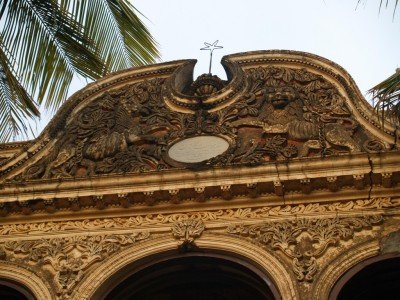
Domakonda Fort
Some quick example text to build on the card title and make up the bulk of the card's content.
Go somewhere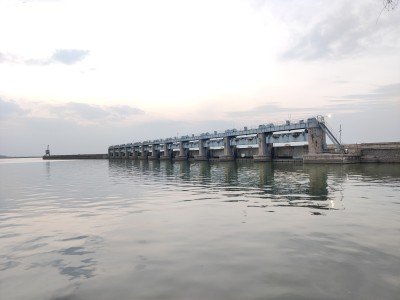
Ganadapuram Step Well
Some quick example text to build on the card title and make up the bulk of the card's content.
Go somewhere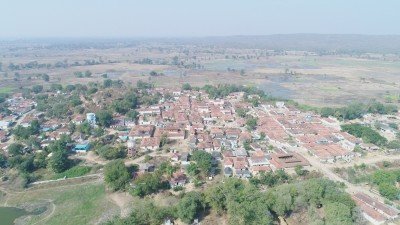
Jaksani Naganna Bavi
Some quick example text to build on the card title and make up the bulk of the card's content.
Go somewhere
Kamareddy Railway Station
Some quick example text to build on the card title and make up the bulk of the card's content.
Go somewhere
Kamareddy Town Park
Some quick example text to build on the card title and make up the bulk of the card's content.
Go somewhere
Machareddy Forest Area
Some quick example text to build on the card title and make up the bulk of the card's content.
Go somewhere
Mallanna Sagar
Some quick example text to build on the card title and make up the bulk of the card's content.
Go somewhere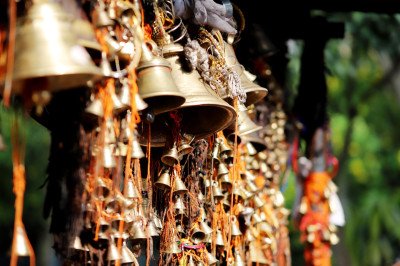
Mirzapur Hanuman Temple
Some quick example text to build on the card title and make up the bulk of the card's content.
Go somewhere
Peddamudiyam Reservoir
Some quick example text to build on the card title and make up the bulk of the card's content.
Go somewhere
Pitlam Reservoir
Some quick example text to build on the card title and make up the bulk of the card's content.
Go somewhere
Pocharam Project
Some quick example text to build on the card title and make up the bulk of the card's content.
Go somewhere
Ramareddy Lake
Some quick example text to build on the card title and make up the bulk of the card's content.
Go somewhere
Sadashivanagar Fort Ruins
Some quick example text to build on the card title and make up the bulk of the card's content.
Go somewhere
Santhana Venugopala Swamy Temple
Some quick example text to build on the card title and make up the bulk of the card's content.
Go somewherein Other Cities