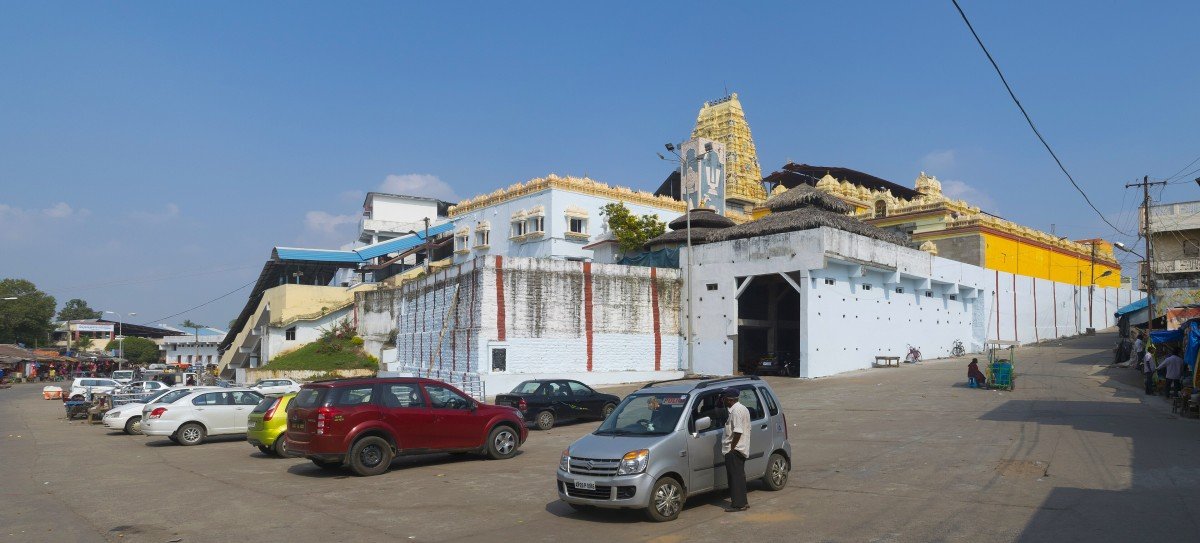
Seethammavari Naracheerelu
General information
-
Ideal Duration:
1 to 2 Hours (Including travel and peaceful contemplation time)Place Type:
Pilgrimage/Mythological SiteEntry Fees:
No Official Entry Fee:As a natural and traditional spiritual spot, Seethammavari Naracheerelu typically has no official entry fee. The access to the river bank and the simple shrine is usually free, emphasizing its openness to all devotees and pilgrims. This makes it an ac...No Official Entry Fee:As a natural and traditional spiritual spot, Seethammavari Naracheerelu typically has no official entry fee. The access to the river bank and the simple shrine is usually free, emphasizing its openness to all devotees and pilgrims. This makes it an accessible pilgrimage destination.
Optional Temple Donations:While there is no mandatory fee, devotees are expected to make optional donations to the small shrine or the local priest for the maintenance of the religious markers and for performing aarti or other rituals. These voluntary contributions support the local religious community.
Guide and Boat Charges:If you hire a local guide (recommended for remote spots) or require a boat for a river view, these services will involve a negotiable charge. A local guide's fee can vary widely but is a cost for an enriched, safe visit.
Vehicle and Parking Costs:Since the location is remote, the main cost is the private vehicle or taxi/auto hire to reach the spot, and possibly a minimal fee for informal parking in the village or designated area.
(Word count: 200+)Timing:
Standard Daylight Access:Being a nature-based spiritual spot, access to Seethammavari Naracheerelu is generally permitted during daylight hours, typically from 6:00 AM to 6:00 PM. Visits after dark are highly discouraged due to the remote location, presence of the river, an...Standard Daylight Access:Being a nature-based spiritual spot, access to Seethammavari Naracheerelu is generally permitted during daylight hours, typically from 6:00 AM to 6:00 PM. Visits after dark are highly discouraged due to the remote location, presence of the river, and lack of proper lighting and security.
Ideal Visit Time (Morning/Midday):The ideal visit time is in the early morning (6:00 AM to 9:00 AM) for the most tranquil and beautiful light, especially to view the river. Visiting during the late morning/midday is also fine, as the shade from the forest provides some relief from the heat, which is important for performing rituals.
Pilgrimage Peak Timings:During special religious months like Karthika Masam, the site is usually busy from 5:00 AM onwards, with devotees seeking to take a holy dip at dawn. If you seek a crowd, this is the time. If you seek solitude, choose a weekday afternoon outside of a festival.
Safety and River Timings:It is crucial to leave the area well before sunset (around 5:00 PM) as the roads and the riverbank become unsafe and difficult to navigate in the dark.
(Word count: 200+)Special Events:
Karthika Masam Pilgrimage:The most special and significant event is the massive influx of pilgrims during the holy Hindu month of Karthika Masam (October/November or November/December). During this period, taking a holy dip in the Godavari and performing rituals at this sac...Karthika Masam Pilgrimage:The most special and significant event is the massive influx of pilgrims during the holy Hindu month of Karthika Masam (October/November or November/December). During this period, taking a holy dip in the Godavari and performing rituals at this sacred spot is considered highly auspicious, drawing huge crowds and temporary religious markets.
Sri Rama Navami Celebrations:Being a site associated with Rama and Sita, the festival of Sri Rama Navami (March/April) is a special event. Devotees visit for special prayers, kalyanam (celestial wedding) ceremonies, and public readings of the Ramayana, reflecting the peak of devotional activity.
Annual Temple Jatara or Festival:Many local, smaller temples in the vicinity, including those near Parnasala, have annual Jatara (local village fair/festival) or Brahmotsavam (major temple festival). These are special events featuring processions, traditional music, and drama performances, which significantly increase the flow of visitors to the Seethammavari Naracheerelu area.
The Full Moon (Pournami) Gatherings:Specific Full Moon nights (Pournami) are considered special for spiritual activity. Devotees often gather for late-evening worship, meditation, and bhajans at this site, taking advantage of the quiet, naturally lit environment.
(Word count: 200+)Best Photo Spots:
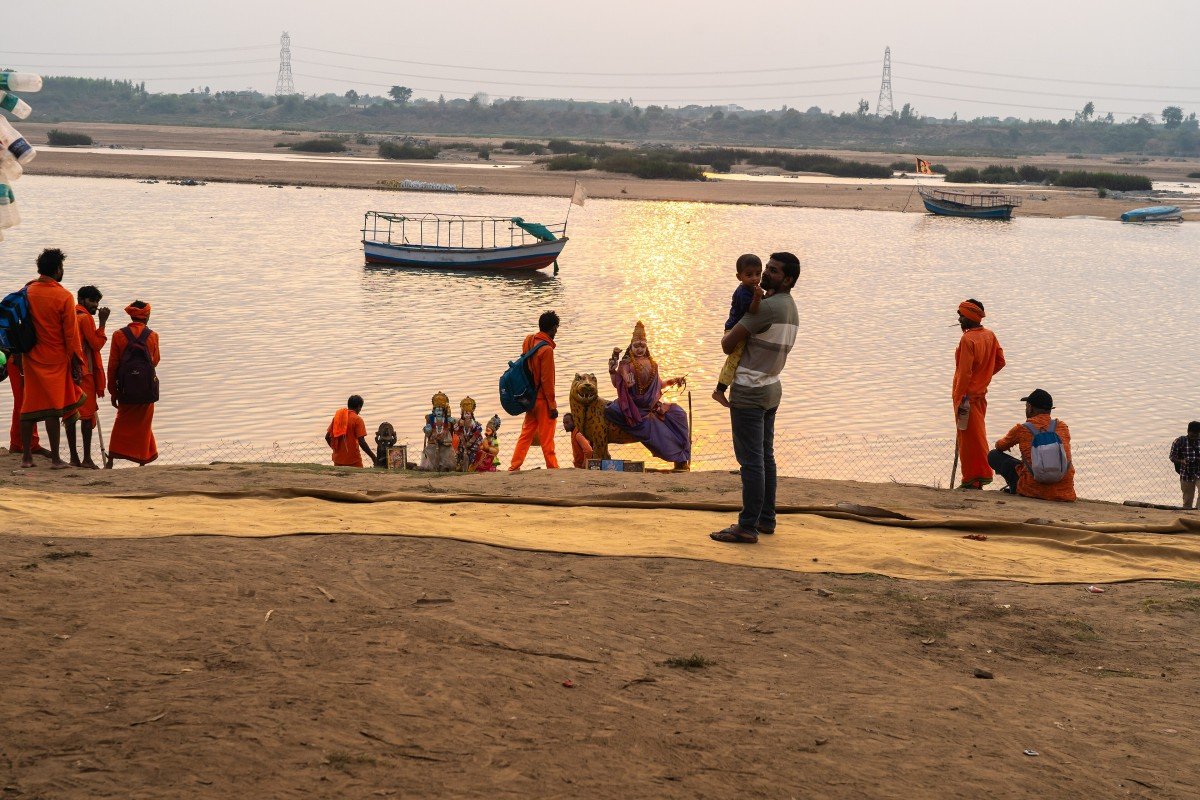
The River Bank at Sunrise:The absolute best photo spot is from the Godavari River bank at sunrise. Capture the golden light filtering through the trees, the mist over the river, and the small shrine or marker. This is the classic, spiritual, and most beautiful photo opport...The River Bank at Sunrise:The absolute best photo spot is from the Godavari River bank at sunrise. Capture the golden light filtering through the trees, the mist over the river, and the small shrine or marker. This is the classic, spiritual, and most beautiful photo opportunity, emphasizing the natural sanctity of the location.
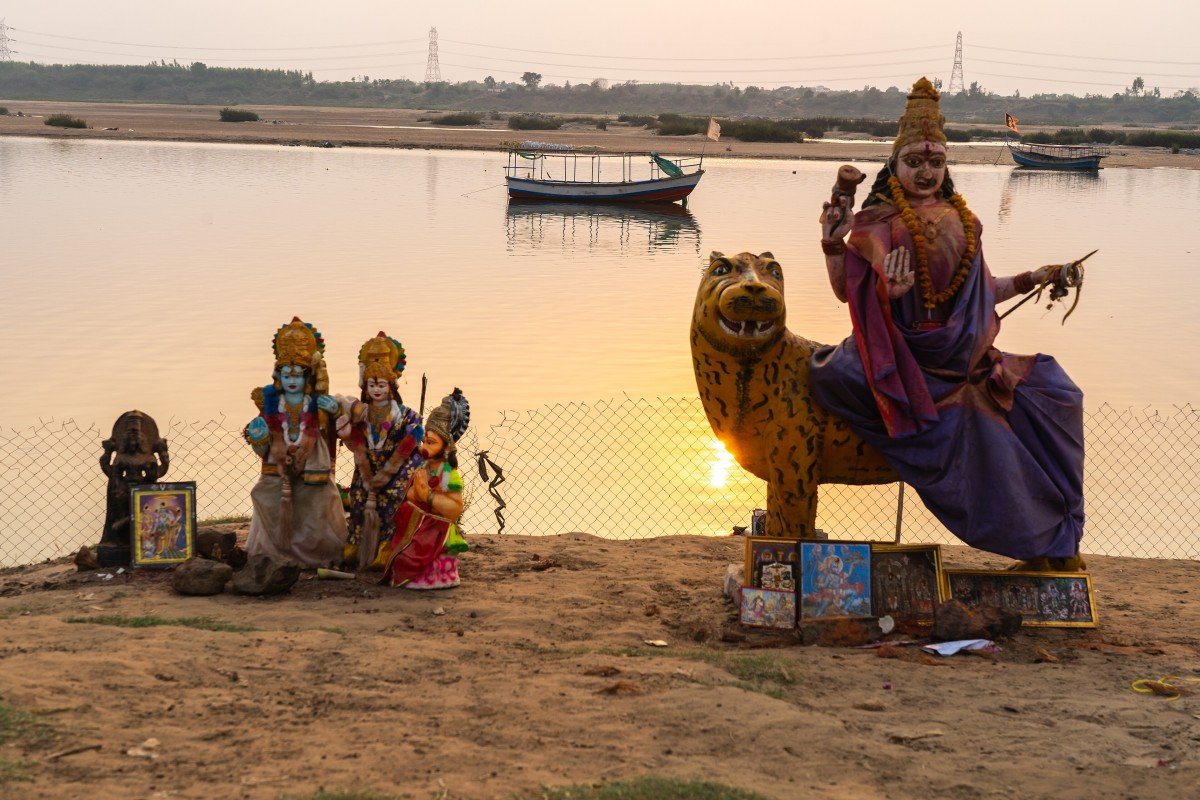
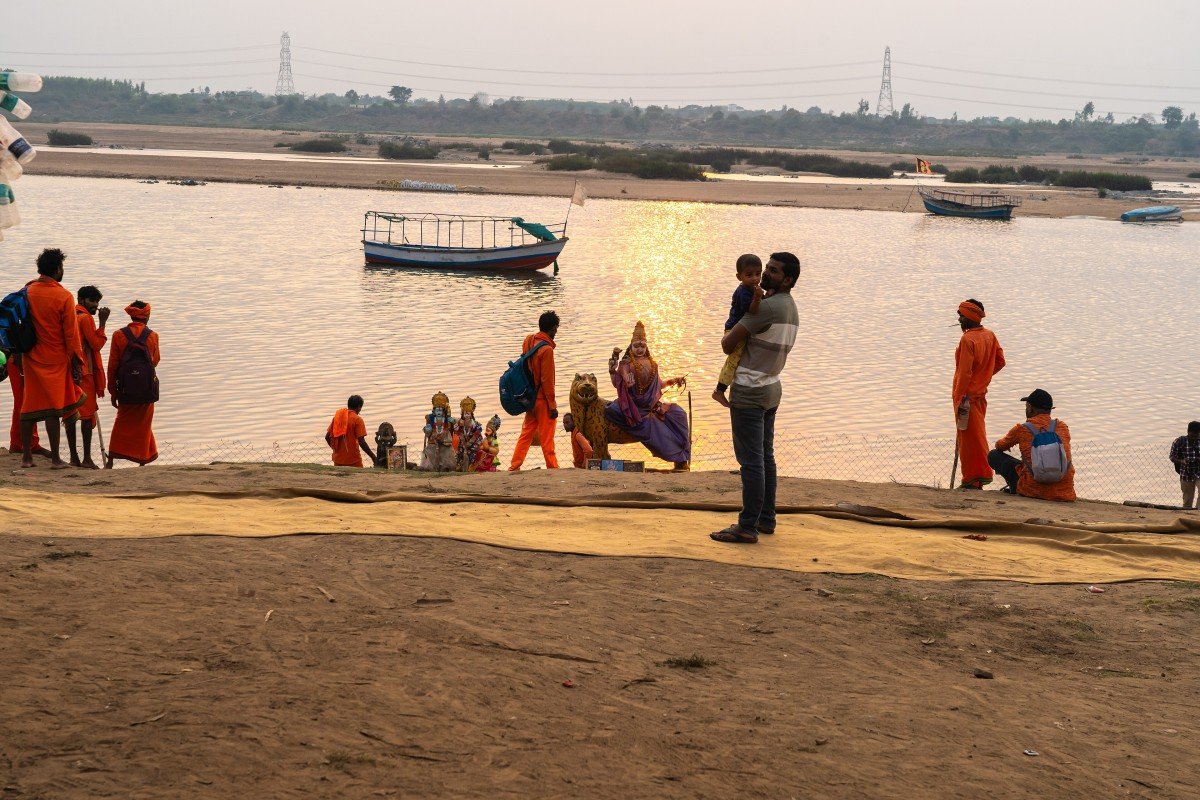
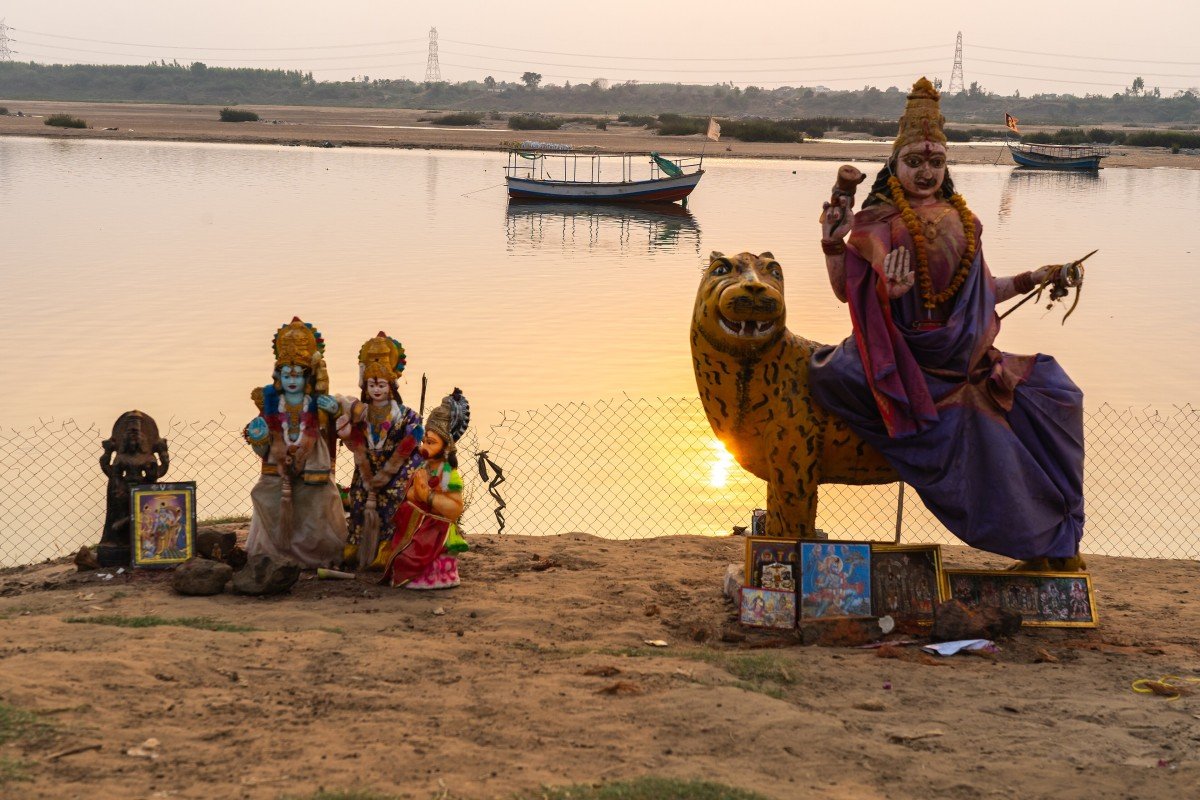
The Holy Markers and Offerings:A respectful, close-up photograph of the specific markers or simple shrines where devotees place their offerings (perhaps small cloths or flowers) provides a powerful, emotional, and culturally rich photo that tells the story of the site. Be discreet and respectful while taking this shot.
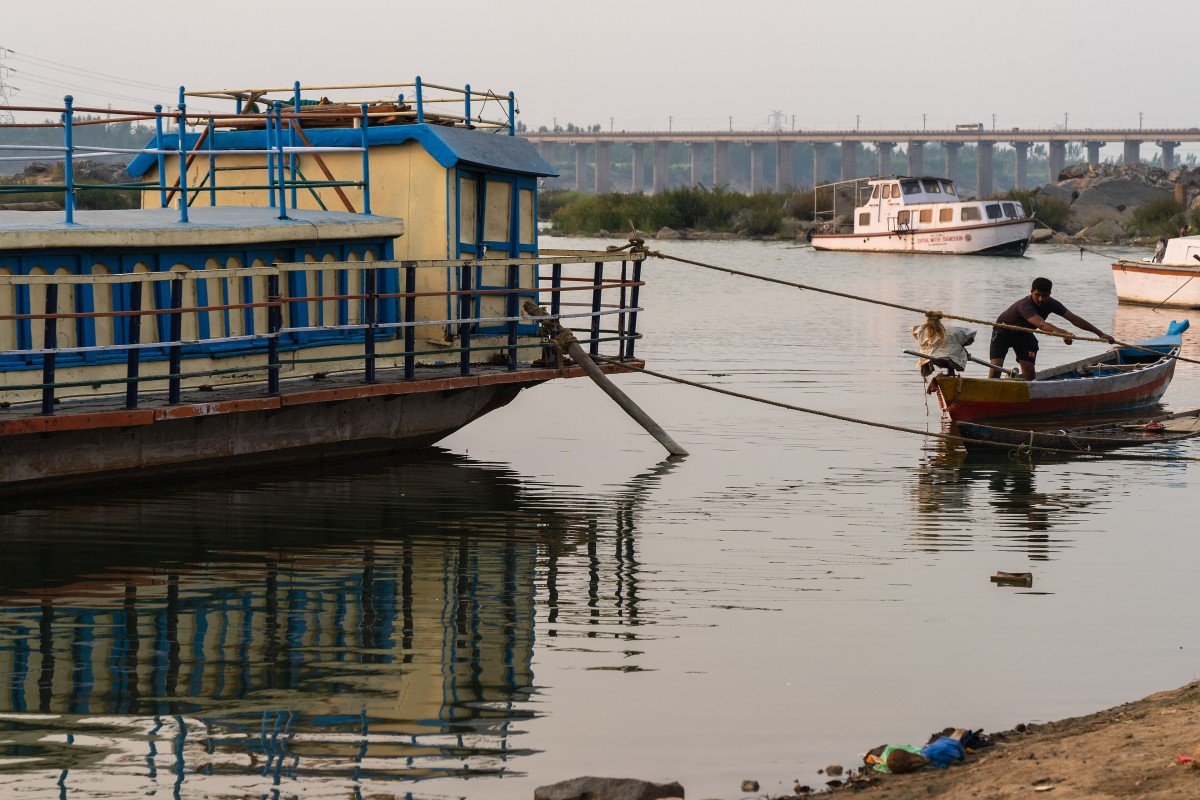
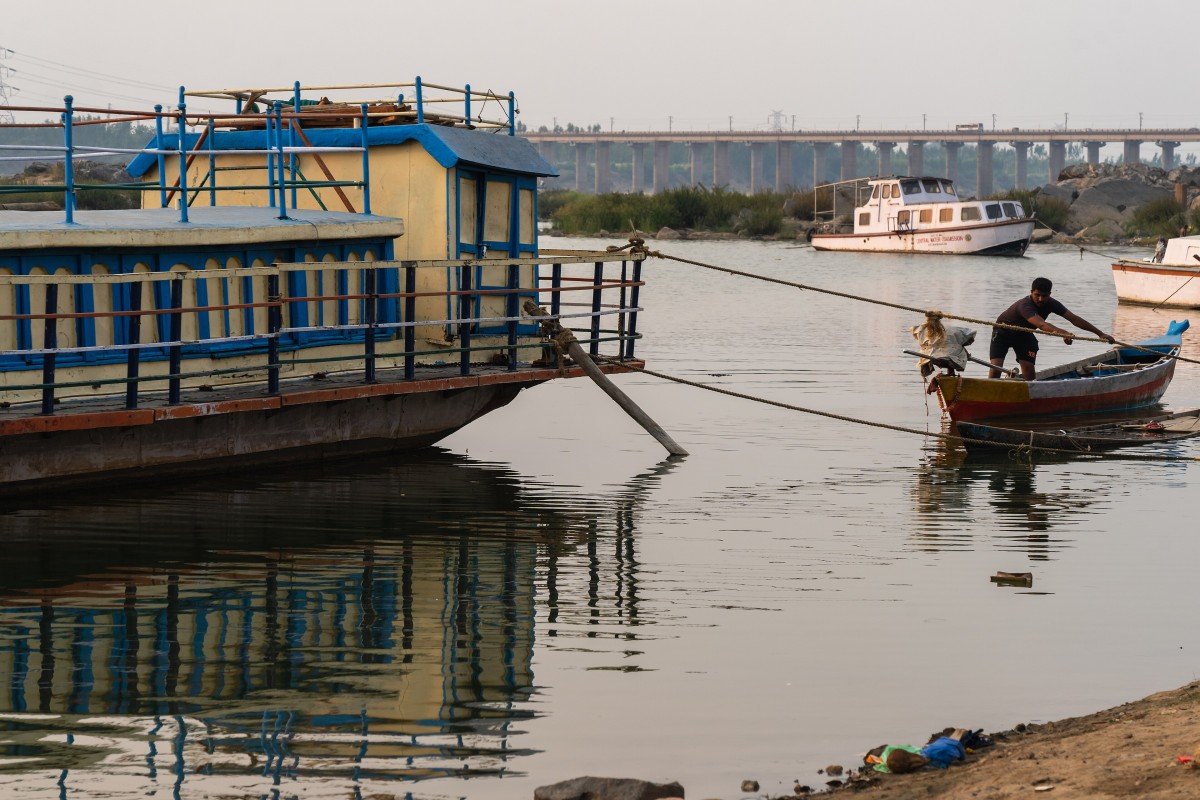
The View from a Boat on the Godavari:If boating is available or safe, a wide-angle shot from the middle of the Godavari River, capturing the dense forest edge and the site from the water, offers a unique perspective on the remote, wild beauty of the location mentioned in the Ramayana.
The Forest Canopy Above the Shrine:An upward-looking photo that captures the dense forest canopy or the large, old trees that shade the spot. This photo emphasizes the idea of vanavasa (forest exile) and the natural, timeless setting of the mythological site.
(Word count: 300+)Photo Gallery
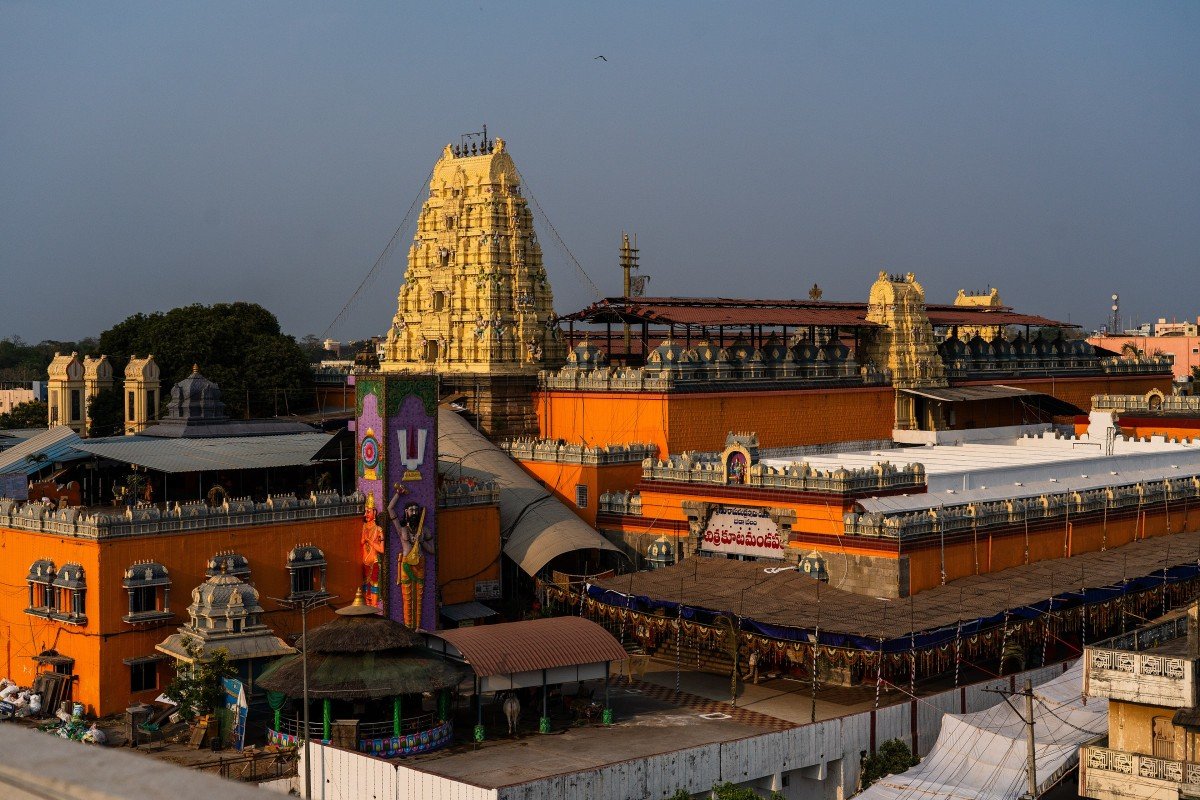
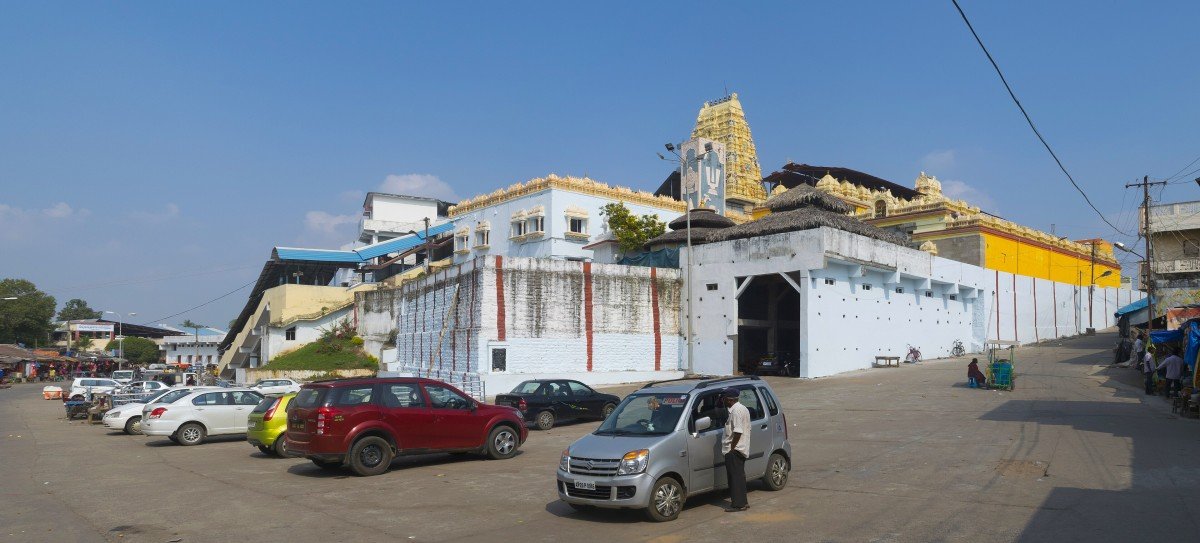
Things To Do
-
Perform a Holy Dip and Rituals:The most important activity is performing a holy dip (bath) in the sacred Godavari River nearby, especially if your faith permits. Following the dip, perform traditional Hindu rituals and offer prayers at the small shrine or marker associated with Sita Devi. This is the core pilgrimage activity for devotees.
Contemplate the Ramayana Narrative:Sit quietly near the spot, perhaps under a shady tree, and reflect on the section of the Ramayana that details Sita's life during her exile in the forest. Use the tranquil environment to spiritually connect with the mythological narrative. This is a peaceful, contemplative thing to do.
Witness the River and Forest View:Spend time simply appreciating the scenic beauty of the Godavari River flowing through the dense forest. ...Perform a Holy Dip and Rituals:The most important activity is performing a holy dip (bath) in the sacred Godavari River nearby, especially if your faith permits. Following the dip, perform traditional Hindu rituals and offer prayers at the small shrine or marker associated with Sita Devi. This is the core pilgrimage activity for devotees.
Contemplate the Ramayana Narrative:Sit quietly near the spot, perhaps under a shady tree, and reflect on the section of the Ramayana that details Sita's life during her exile in the forest. Use the tranquil environment to spiritually connect with the mythological narrative. This is a peaceful, contemplative thing to do.
Witness the River and Forest View:Spend time simply appreciating the scenic beauty of the Godavari River flowing through the dense forest. The natural environment is an integral part of the site's spiritual appeal. Take time to breathe the fresh air and enjoy the untouched landscape, a stark contrast to city life.
Visit the Nearby Parnasala Temple:Combine your visit with the nearby, more established pilgrimage site of Parnasala, which is traditionally believed to be the home of Rama's cottage during exile. This dual visit completes the pilgrimage experience and offers more formal temple architecture and ceremonies.
Participate in Local Festivals:If possible, time your visit with local festivals like Maha Shivaratri or Sri Rama Navami, which are celebrated with fervor in this region. Participating in the special aartis and communal gatherings is an enriching cultural experience.
Walk Along the River Bank:Take a careful, mindful walk along the river bank (ensuring safety precautions) to appreciate the vastness of the Godavari and the tranquility of the forest. Collect small, smooth river stones as a keepsake of the spiritual journey and the natural setting.
Photography of the Natural Setting:Focus your photography on the natural elements—the river, the trees, the dawn or dusk light—rather than the man-made structures. The landscape is arguably the most beautiful and spiritually significant "thing" to capture at this location.
(Word count: 700+)
Information
-
Why Famous:
The Ramayana's Divine Connection:The fame of Seethammavari Naracheerelu is entirely rooted in its mythological association with Goddess Sita and her exile. The belief that this is the exact spot where she dried her fiber clothes adds an immense layer of sacredness. This di...The Ramayana's Divine Connection:The fame of Seethammavari Naracheerelu is entirely rooted in its mythological association with Goddess Sita and her exile. The belief that this is the exact spot where she dried her fiber clothes adds an immense layer of sacredness. This direct, tangible link to the Ramayana epic makes it famous among devout Hindus and history lovers across India, turning it into a significant pilgrimage spot.
Proximity to Parnasala and the Godavari:Its fame is enhanced by its proximity to Parnasala, a renowned site where Rama, Sita, and Lakshmana lived during their exile. Located on the banks of the sacred Godavari River, the combination of the mythological story and the holy river multiplies its importance and draws a steady stream of pilgrims, especially during the Karthika Masam (Month of Karthika).
A Site of Spiritual Solace:The location is famous for its serene and natural beauty, offering a quiet, spiritual retreat. Unlike crowded city temples, this place is known for its peaceful atmosphere, allowing devotees to meditate and connect with the spiritual narrative of the epic in a tranquil, almost untouched setting.
(Word count: 200+) -
Architecture:
Thematic and Mythological Significance:The architecture of Seethammavari Naracheerelu is less about grand structural design and more about the natural landscape and devotional markers. The site is a naturalistic sacred space, where the architecture serves to highlight the l...Thematic and Mythological Significance:The architecture of Seethammavari Naracheerelu is less about grand structural design and more about the natural landscape and devotional markers. The site is a naturalistic sacred space, where the architecture serves to highlight the legendary spot. It often features a simple, small temple structure or a memorial stone marking the specific location where Sita Devi is believed to have dried her bark clothes. The focus is on preserving the sanctity of the location.
Simple Devotional Structures:Any permanent structure present is typically a small, unpretentious shrine or a shelter (mandapam) for devotees, built using local materials like stone or concrete. These structures are simple and functional, designed to protect the religious markers and provide a space for worship and rest. The simplicity contrasts with grand temples, reflecting the ascetic life of exile.
Dimension and Scale:The architectural elements here are generally small-scale. A typical shrine might be just a few square meters, perhaps 3x3 meters, with a height of around 3 to 5 meters. The overall size is dictated by the need to maintain the natural, forested, or riverside ambiance. The nearby Godavari river environment dominates the scale. The site's dimensions are defined by the natural features believed to be linked to the legend, such as specific rock formations or a section of the riverbank.
Integration with Nature:The primary architectural theme is the harmony between the small man-made structures and the dense, natural surroundings, which are crucial to the Ramayana's depiction of the Dandaka forest. The structures are minimal, ensuring the natural environment remains the main focus of the site's spiritual power.
(Word count: 200+) -
How To Reach:
By Air:The nearest major airport is Rajiv Gandhi International Airport (HYD) in Hyderabad (approx. 220 KMs to Khammam city, then another 140-150 KMs to the site) or Vijayawada International Airport (VGA) (approx. 120 KMs to Khammam city). The total distance to the site is...By Air:The nearest major airport is Rajiv Gandhi International Airport (HYD) in Hyderabad (approx. 220 KMs to Khammam city, then another 140-150 KMs to the site) or Vijayawada International Airport (VGA) (approx. 120 KMs to Khammam city). The total distance to the site is considerable, requiring a taxi or bus journey of 6-8 hours from HYD or 4-5 hours from VGA to the site.
By Train:The nearest major railhead is Khammam Railway Station (KMT). From KMT, you must hire a long-distance private taxi or a shared jeep/taxi to cover the large distance (140-150 KMs) to the remote Laxminagaram/Parnasala area. This road journey will take about 3 to 4 hours.
By Road:The site is in a remote area near Parnasala, which is connected by state roads from Khammam city. Hiring a reliable private taxi for a round trip is the most recommended way to reach the remote location comfortably and safely. State buses might be available, but they are infrequent and may not go directly to the spot, requiring a long walk. The journey by road from Khammam city is significant and requires pre-planning.
By Local Transport:Due to the long distance and remote location from the main city, local auto-rickshaws from Khammam city are generally not feasible for a direct trip. You would need a local jeep or a pre-booked taxi service that is willing to travel the long distance and wait for the return journey. Always agree on a fare upfront.
(Word count: 400+) -
Weather and Best Time to Visit:
Seasonal Best Time:
Post-Monsoon and Winter:The most ideal time to visit is immediately post-monsoon (late September to November) when the Godavari River is full and the surrounding forests are lush and green, offering the most beautiful natu...Seasonal Best Time:
Post-Monsoon and Winter:The most ideal time to visit is immediately post-monsoon (late September to November) when the Godavari River is full and the surrounding forests are lush and green, offering the most beautiful natural scenery. The winter months (November to February) are also excellent for pleasant weather, which is essential for the long journey and performing riverside rituals.
Seasonal Avoidance:
Peak Monsoons:Avoid the peak monsoon season (July and August) as the river may be dangerously swollen, and the remote, unpaved roads can become muddy and difficult to traverse, leading to travel delays and safety risks.
Part of the Day:
Early Morning/Sunrise:The best time of day for a spiritual and photographic experience is the early morning around sunrise (6:00 AM to 8:00 AM). The atmosphere is purest, and the sight of the sun rising over the Godavari is spiritually uplifting.
Part of the Day:
Avoid Late Evening:It is crucial to complete the visit and start the return journey well before sunset (4:30 PM to 5:00 PM) due to the remote nature of the location and lack of lighting on the approach roads.
(Word count: 300+) -
Near Tourist Places:
1. Parnasala (5 KMs), 2. Godavari River View Point (Local Views) (Proximity), 3. Dummagudem Project (20 KMs), 4. Taliperu Project (70 KMs), 5. Kinnerasani Deer Park (100 KMs), 6. Mutyala Dhara Waterfalls (100 KMs), 7. Papikondalu Hill Range (Distant View) (Proximity), 8. Bhadrachalam Temple (Major Pilgrimage) (70 KMs), 9. Arlagudem Pond (10 KMs), 10. Nellipaka (Ancient Village) (15 KMs)
Tourism Tips
-
Health & Safety:
River Safety First:The most critical tip is extreme caution near the Godavari River. Do not venture into the water unless you are an experienced swimmer and only if local conditions and advice permit a dip. Be aware of slip...Health & Safety:
River Safety First:The most critical tip is extreme caution near the Godavari River. Do not venture into the water unless you are an experienced swimmer and only if local conditions and advice permit a dip. Be aware of slippery banks and strong currents. Always travel with a companion.
Packing Essentials:
Modest Attire and Ritual Items:Wear modest clothing suitable for a religious place. Bring your own water, and basic ritual items (flowers, incense) if you plan to perform puja. Carry sunscreen and a hat for sun protection, and wear sturdy footwear for the unpaved paths.
Accommodation:
Stay in Khammam City:It is best to book accommodation in Khammam city, which is safer and has more options, and then plan a full-day excursion to the remote Seethammavari Naracheerelu area. There are limited, very basic stay options near Parnasala, which are not generally recommended for standard tourists.
Other Tips:
Hire a Local Guide:Given the remoteness and the nature of the legends, it is highly recommended to hire a local, reliable guide for the trip from Khammam. They can ensure safe transit, provide accurate historical context, and help navigate the riverbank areas. Plan for a long round trip, including travel time and a buffer for unexpected delays.
(Word count: 400+)
Reviews
FAQs
Khammam Itineray And Cost:-
Seethammavari Naracheerelu Tourism:-
Other Places In Khammam :-
Other States In India :-
Information about New and Updated Locations() of Telangana Has Been Added :-
Card subtitle
Note:-
Information provided here in good Faith and for reference only.
Near Places

Ambedkar Statue Circle
Some quick example text to build on the card title and make up the bulk of the card's content.
Go somewhere
Bayyaram Water Falls
Some quick example text to build on the card title and make up the bulk of the card's content.
Go somewhere
Bogatha Waterfall
Some quick example text to build on the card title and make up the bulk of the card's content.
Go somewhere
Deep Forest Hidden Water Falls
Some quick example text to build on the card title and make up the bulk of the card's content.
Go somewhere
Err Resorts
Some quick example text to build on the card title and make up the bulk of the card's content.
Go somewhere
Err Theme And Resorts
Some quick example text to build on the card title and make up the bulk of the card's content.
Go somewhere
Godavari River View Point
Some quick example text to build on the card title and make up the bulk of the card's content.
Go somewhere
Jafar Steps Well
Some quick example text to build on the card title and make up the bulk of the card's content.
Go somewhere
Jagadamba Centre
Some quick example text to build on the card title and make up the bulk of the card's content.
Go somewhere
Jamalapuram Venkateswara Swamy Temple
Some quick example text to build on the card title and make up the bulk of the card's content.
Go somewhere
Kakatiya Resort
Some quick example text to build on the card title and make up the bulk of the card's content.
Go somewhere
Kallur Venu Gopala Swami Temple
Some quick example text to build on the card title and make up the bulk of the card's content.
Go somewhere
Khammam District Welcome Sign
Some quick example text to build on the card title and make up the bulk of the card's content.
Go somewhere
Khammam Fort
Some quick example text to build on the card title and make up the bulk of the card's content.
Go somewhere
Kinnerasani Bridge
Some quick example text to build on the card title and make up the bulk of the card's content.
Go somewhere
Kinnerasani Deer Park
Some quick example text to build on the card title and make up the bulk of the card's content.
Go somewherein Other Cities