Sheesh Mahal
General information
-
Ideal Duration:
1.
5 Hours:Place Type:
Historical/Architectural Site:Entry Fees:
Entry Fee (Low/Nominal):: The Sheesh Mahal complex, as it primarily functions as a government-run museum (Hoshiarpur Archaeological Museum), charges a low and nominal entry fee, typically between Rs.10 and Rs.50 per person for Indian nationals, and slightly higher for foreign to...Entry Fee (Low/Nominal):: The Sheesh Mahal complex, as it primarily functions as a government-run museum (Hoshiarpur Archaeological Museum), charges a low and nominal entry fee, typically between Rs.10 and Rs.50 per person for Indian nationals, and slightly higher for foreign tourists.
Camera Fee: A separate, moderate fee may be charged for carrying and using a camera inside the exhibition areas, especially for professional or non-phone photography. The use of a flash is usually strictly prohibited to protect the delicate art and artifacts.
Guide Fee: An unofficial or official local guide may offer services for a negotiated fee, which is optional.Timing:
Regular Timings: 10:00 AM to 5:00 PM (Typically Closed on Mondays and National Holidays): As a state-run museum, the complex maintains strict, limited visiting hours, usually closing early in the evening. It is advisable to check the exact opening days before visiting.
...Regular Timings: 10:00 AM to 5:00 PM (Typically Closed on Mondays and National Holidays): As a state-run museum, the complex maintains strict, limited visiting hours, usually closing early in the evening. It is advisable to check the exact opening days before visiting.
Ideal Visit Time: Mid-Morning (10:30 AM to 12:30 PM) This time offers the best lighting conditions for viewing the Sheesha Kari, as the daylight maximizes the reflective, glittering effect of the mirror work in the main hall.Special Events:
Heritage Week Exhibition:: The Archaeological Museum within the complex often holds a special exhibition, lecture series, or educational program during World Heritage Week (usually November), drawing students and history buffs from across the state.
Read MoreHeritage Week Exhibition:: The Archaeological Museum within the complex often holds a special exhibition, lecture series, or educational program during World Heritage Week (usually November), drawing students and history buffs from across the state.
Local Art and Craft Showcase: Occasionally, the museum or palace complex hosts a small exhibition to showcase traditional Punjabi or local Hoshiarpur arts and crafts, allowing artisans to display and sell their work, acting as a hub for cultural commerce.Best Photo Spots:
The Reflective Glasswork Ceiling: The most sought-after photo is a shot of the ceiling of the main mirror hall, capturing the kaleidoscopic effect of the hundreds of tiny mirrors reflecting the ambient light and the colorful ceiling patterns.
Th...The Reflective Glasswork Ceiling: The most sought-after photo is a shot of the ceiling of the main mirror hall, capturing the kaleidoscopic effect of the hundreds of tiny mirrors reflecting the ambient light and the colorful ceiling patterns.
The Arched Window Perspective: Framing the intricate glasswork through one of the large, arched windows of the main facade offers a beautiful play of light and shadow, contrasting the interior detail with the outside world.
The Museum Artifact Display: A respectful photograph of a particularly significant or well-displayed historical artifact within the Archaeological Museum (if permitted, usually without flash) documents the cultural richness of the site.Photo Gallery
Things To Do
-
Tour the Mirror Hall and Glasswork: Spend ample time carefully viewing the spectacular Sheesha Kari in the main hall, moving slowly to observe how the light interacts with the tiny glass pieces, creating ever-changing patterns of color and reflection.
Visit the Archaeological Museum: Take a guided tour through the museum housed in the complex to view the collection of local artifacts, including sculptures, coins, and pottery, connecting the region’s ancient past with the palace's history.
Photography of the Interior Artistry: Focus on capturing the geometric patterns and the light play of the glasswork, using close-up and wide-angle lenses to capture the detailed artistry of the palace (check museum photography rules first, often flash is prohibited).
Study the Arc...Tour the Mirror Hall and Glasswork: Spend ample time carefully viewing the spectacular Sheesha Kari in the main hall, moving slowly to observe how the light interacts with the tiny glass pieces, creating ever-changing patterns of color and reflection.
Visit the Archaeological Museum: Take a guided tour through the museum housed in the complex to view the collection of local artifacts, including sculptures, coins, and pottery, connecting the region’s ancient past with the palace's history.
Photography of the Interior Artistry: Focus on capturing the geometric patterns and the light play of the glasswork, using close-up and wide-angle lenses to capture the detailed artistry of the palace (check museum photography rules first, often flash is prohibited).
Study the Architecture: Examine the fusion of Indian and European architectural elements, looking at the windows, arches, and plaster details to understand the colonial-era influence on local building styles.
Walk the Gardens/Courtyard: The complex may have a small, quiet, and well-maintained garden or courtyard; enjoy a brief walk there to appreciate the exterior view of the structure and the contrasting silence.
Sketching and Art Appreciation: For artists, the intricate patterns of the mirror work and the historical facade provide an excellent subject for sketching and detailed artistic study.
Attend a Museum Workshop: Check for any educational workshops, lectures, or special exhibitions that the Archaeological Museum might be hosting, offering a deeper dive into the region's cultural past.
Information
-
Why Famous:
The Dazzling Sheesha Kari (Mirror Work):: The palace is overwhelmingly famous for its intricate, breathtaking, and unique Glasswork (or Sheesha Kari), which completely covers the walls and ceilings of its main audience chamber, offering a dazzling and unforgettable visual sp...The Dazzling Sheesha Kari (Mirror Work):: The palace is overwhelmingly famous for its intricate, breathtaking, and unique Glasswork (or Sheesha Kari), which completely covers the walls and ceilings of its main audience chamber, offering a dazzling and unforgettable visual spectacle, a miniature marvel of reflective light and color.
Home to the Archaeological Museum: Its fame is enhanced by its conversion into the Hoshiarpur Archaeological Museum, which draws students, researchers, and history enthusiasts to view the collection of regional artifacts. -
Architecture:
Indo-European Style with Exquisite Glasswork:: The architecture is a captivating blend of colonial European structural influence (high ceilings, symmetrical facades) with rich, traditional Indian decorative arts, especially the signature Sheesha Kari (mirror work).
<...Indo-European Style with Exquisite Glasswork:: The architecture is a captivating blend of colonial European structural influence (high ceilings, symmetrical facades) with rich, traditional Indian decorative arts, especially the signature Sheesha Kari (mirror work).
The Mirror Hall and Dimensions: The key architectural feature is the main hall, where the delicate, colorful pieces of glass are set into the plaster or stucco walls and ceilings, reflecting light from every angle to create a mesmerizing, glittering effect. This room is a medium-sized hall, estimated to be around 25 by 40 feet. The overall two-story structure features arched doorways and high, airy windows, essential for the climate.
Materials and Decorative Elements: The building primarily uses locally sourced baked brick and lime mortar, overlaid with fine plasterwork. Decorative elements include ornate plaster moldings, frescoes (sometimes faded), and the extensive use of multi-colored glass pieces, a very labor-intensive craft. The facade is often simple, deliberately contrasting with the overwhelming decorative richness of the interior. -
How To Reach:
By Air:: Sri Guru Ram Dass Jee International Airport (ATQ) in Amritsar (approx. 130 KMS) is the nearest international airport. From there, take a cab or bus to Hoshiarpur city. The palace is in the well-known Model Town area.
By Train:: H...By Air:: Sri Guru Ram Dass Jee International Airport (ATQ) in Amritsar (approx. 130 KMS) is the nearest international airport. From there, take a cab or bus to Hoshiarpur city. The palace is in the well-known Model Town area.
By Train:: Hoshiarpur Railway Station (HSX) is approx. 4 KMS away. Jalandhar City Junction (JUC) (approx. 45 KMS) is the best-connected railway station. From HSX, a quick auto-rickshaw ride to Model Town is the best option.
By Road:: The Model Town locality is a prominent and upmarket area of Hoshiarpur, easily accessible by city bus or auto-rickshaw from the main Bus Stand (5-10 minute ride).
By Local Transport:: Auto-rickshaws are the most efficient local transport. Giving the landmark name Sheesh Mahal or Archaeological Museum in Model Town is sufficient for the drivers to reach the site directly and quickly. -
Weather and Best Time to Visit:
Different Types of Seasons:
Winter Season (October to March): Best time to visit, with moderate and pleasant indoor and outdoor temperatures, making the whole experience comfortable.
Monsoon Season (July to Septe...Different Types of Seasons:
Winter Season (October to March): Best time to visit, with moderate and pleasant indoor and outdoor temperatures, making the whole experience comfortable.
Monsoon Season (July to September): Good, as the museum provides a comfortable indoor activity, though the exterior may be wet.
Summer Season (April to June): The cool, thick walls of the old palace offer a much-needed break from the intense heat of the Hoshiarpur summer.
Different Parts of the Day: Mid-Morning (10:30 AM to 1:00 PM) Ideal for maximum daylight to appreciate the mirror work and for a full, unhurried tour of the museum before the midday rush. -
Near Tourist Places:
Hoshiarpur Archaeological Museum (0 KMS): Located in the same complex.
Guru Gobind Singh Ji Park (4 KMS): Nearby recreational area.
Lal Mandir (3 KMS): Major Hindu temple. Gopal Mandir (3.
5 KMS): Popular Lord Krishna temple.
Gurudwara Bhai Joga Singh Ji (3 KMS): Historic Sikh shrine.
Maharaja Ranjit Singh Park (4 KMS): Local city park.
Bajwara Fort Ruins (8 KMS): Historical site.
Shivalik Peaks Viewpoint (18 KMS): Scenic views.
Shah Noor Jamal Tomb (12 KMS): Sufi spiritual site.
Hoshiarpur Bus Stand (4 KMS): Main transport point.
Tourism Tips
-
Health & Safety:: Handle the museum artifacts with extreme care and do not touch them. The floor can be slippery, especially near the entrance. Follow the instructions of the museum staff at all times.
Packing Essentials:: Carry a camera (...Health & Safety:: Handle the museum artifacts with extreme care and do not touch them. The floor can be slippery, especially near the entrance. Follow the instructions of the museum staff at all times.
Packing Essentials:: Carry a camera (with a separate fee paid, if applicable, and no flash). Wear soft-soled shoes to protect the historical flooring. Bring reading glasses or a magnifier if you want to study the fine details of the artifacts.
Accommodation Advice: Model Town itself is a good area to find mid-range to premium hotels due to its upmarket status; staying here provides easy access to all city amenities.
Other Different Topics Heading:: Respect the museum's rules on silence and photography. Do not bring food or drinks inside. Budget at least 1. 5 hours for a comprehensive tour of both the palace and the artifacts.
Reviews
FAQs
Hoshiarpur Itineray And Cost:-
Other Places In Hoshiarpur :-
Other States In India :-
Information about New and Updated Locations() of Punjab Has Been Added :-
Card subtitle
Note:-
Information provided here in good Faith and for reference only.
Near Places
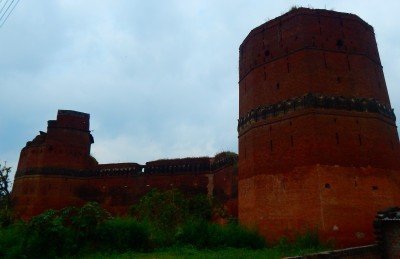
Bajwara Fort Ruins
Some quick example text to build on the card title and make up the bulk of the card's content.
Go somewhere
Chohal Lake
Some quick example text to build on the card title and make up the bulk of the card's content.
Go somewhere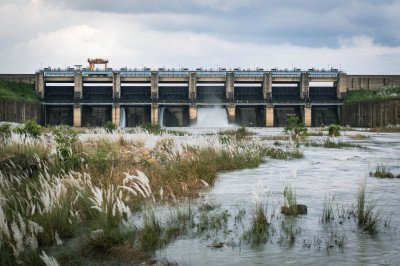
Damsal Dam
Some quick example text to build on the card title and make up the bulk of the card's content.
Go somewhere
Dasuya Forest Division
Some quick example text to build on the card title and make up the bulk of the card's content.
Go somewhere
Dera Sant Garh Harkhowal
Some quick example text to build on the card title and make up the bulk of the card's content.
Go somewhere
Dera Sant Garh
Some quick example text to build on the card title and make up the bulk of the card's content.
Go somewhere
Dholbaha Dam
Some quick example text to build on the card title and make up the bulk of the card's content.
Go somewhere
Gopal Mandir
Some quick example text to build on the card title and make up the bulk of the card's content.
Go somewhere
Guru Gobind Singh Ji Park
Some quick example text to build on the card title and make up the bulk of the card's content.
Go somewhere
Gurudwara Bhai Joga Singh Ji
Some quick example text to build on the card title and make up the bulk of the card's content.
Go somewhere
Gurudwara Garna Sahib
Some quick example text to build on the card title and make up the bulk of the card's content.
Go somewhere
Gurudwara Harian Vellan Patshahi VII
Some quick example text to build on the card title and make up the bulk of the card's content.
Go somewhere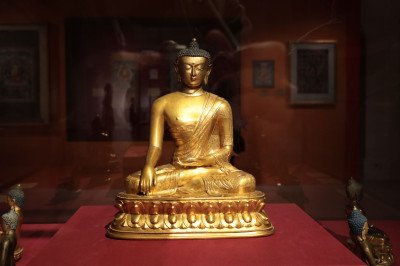
Hoshiarpur Archaeological Museum
Some quick example text to build on the card title and make up the bulk of the card's content.
Go somewhere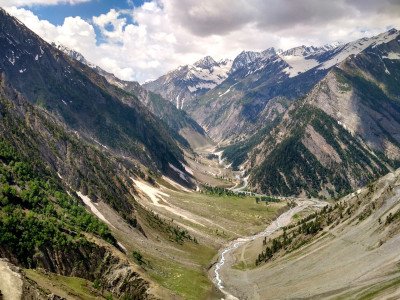
Hoshiarpur Valley View Point
Some quick example text to build on the card title and make up the bulk of the card's content.
Go somewhere
Kamahi Devi Temple
Some quick example text to build on the card title and make up the bulk of the card's content.
Go somewhere
Keshon Dam
Some quick example text to build on the card title and make up the bulk of the card's content.
Go somewherein Other Cities