Shilpgram
General information
-
Ideal Duration:
The ideal duration for a visitor to experience Shilpgram is approximately 2 to 3 hours. During the annual Shilpgram Festival (December 21st to 30th), the duration easily extends to 4 to 5 hours or an entire evening due to the extensive crafts bazaar, food stalls, and multi-hour performances at the amphitheater.Place Type:
Cultural/Ethnographic Museum and Arts & Crafts ComEntry Fees:
Regular Entry Ticket Structure: The entry fee structure for Shilpgram is typically bifurcated for domestic and international visitors to make the cultural experience accessible to a wide audience while maintaining the complex. For Indian Adults, the regular entry fee is ap...Regular Entry Ticket Structure: The entry fee structure for Shilpgram is typically bifurcated for domestic and international visitors to make the cultural experience accessible to a wide audience while maintaining the complex. For Indian Adults, the regular entry fee is approximately Rs.30 per person. For Indian Children, the fee is often concessional, around Rs.15 per person. Foreign Visitors are generally charged a higher, yet still nominal, fee of about Rs.50 per person. This differential pricing is a common practice at government-run cultural and heritage sites across India. The fee covers the general entry to the entire complex, including access to all the traditional huts and the main exhibition areas.
Special Event and Camera Fees: It is crucial to note that these fees are for regular days. During the Annual Shilpgram Utsav in December, there may be a separate and often higher ticket price to manage the large crowds and cover the significant cost of hosting the national-level festival. Visitors should check the specific rates announced for the festival period. Furthermore, while mobile phone photography is generally allowed, there may be a separate, modest fee for carrying and using professional-grade cameras or video cameras (camcorders), usually in the range of Rs.50 to Rs.100. This policy helps manage professional documentation and maintains the sanctity of the exhibits. The fee structure reflects the institution's commitment to cultural promotion, as the revenue collected is primarily used for the upkeep of the 70-acre complex, the maintenance of the traditional huts, and the year-round support programs for the artisans.Timing:
Regular Timings: Shilpgram is typically open all seven days of the week. The regular visiting hours are from 11:00 AM to 7:00 PM daily. These hours are designed to cater to tourists who often start their day exploring the city's key historical and lake-side attractions, m...Regular Timings: Shilpgram is typically open all seven days of the week. The regular visiting hours are from 11:00 AM to 7:00 PM daily. These hours are designed to cater to tourists who often start their day exploring the city's key historical and lake-side attractions, making the late morning and afternoon a popular time to visit. The late closing time, 7:00 PM, allows visitors to experience the complex as the sun sets over the Aravalli hills, which can be a particularly beautiful and serene time. The associated craft bazaar (Haat Bazaar) may have slightly different timings, often opening a little later in the afternoon, such as 12:00 PM onwards, as the artisans set up.
Ideal Visit Time: The single most ideal time to visit Shilpgram is during the Annual Shilpgram Utsav, held from December 21st to 30th. This period, falling in the pleasant winter season, offers the most vibrant and comprehensive cultural experience, with hundreds of artists and performers filling the complex. On a regular day outside the festival, the best time is the late afternoon, specifically between 4:00 PM and 7:00 PM. The harsh mid-day sun of Rajasthan is avoided, and the complex takes on a beautiful golden hue as the sun begins to descend. The cooler temperature makes walking the extensive 70-acre grounds more comfortable, and cultural performances, if any are scheduled on a regular day, often begin towards this time. Visiting closer to closing time also allows for better photography conditions.Special Events:
The Shilpgram Utsav (Annual Crafts Festival): The most significant and defining special event is the Shilpgram Utsav (or Shilpgram Festival), held annually from December 21st to December 30th. This ten-day spectacle is a cultural extravaganza managed by the West Zone Cultu...The Shilpgram Utsav (Annual Crafts Festival): The most significant and defining special event is the Shilpgram Utsav (or Shilpgram Festival), held annually from December 21st to December 30th. This ten-day spectacle is a cultural extravaganza managed by the West Zone Cultural Centre (WZCC) and is its premier event. The festival showcases an unparalleled convergence of Indian arts, crafts, and performing traditions. Over 400 artisans from across the country set up stalls, offering a massive variety of handicrafts, textiles, pottery, and folk art, making it the most comprehensive shopping opportunity for genuine Indian crafts. The main highlight is the cultural program at the Amphitheatre, which hosts more than 600 folk artists. These artists perform diverse and often rare folk dances and music from various states, showcasing the rich heterogeneity of India. The atmosphere is electrifying, drawing huge crowds and requiring special arrangements for ticketing and parking. This event serves the dual purpose of cultural preservation and providing a major economic boost for the participating artists.Best Photo Spots:
The Goa and Maharashtra Huts Cluster: The cluster of huts representing Goa and Maharashtra provides excellent, distinctive photo opportunities. The Goan houses, with their slightly different architectural styleRs.often featuring sloped roofs and bright color washesRs.offer a u...The Goa and Maharashtra Huts Cluster: The cluster of huts representing Goa and Maharashtra provides excellent, distinctive photo opportunities. The Goan houses, with their slightly different architectural styleRs.often featuring sloped roofs and bright color washesRs.offer a unique contrast to the desert-style architecture of Rajasthan and Gujarat. The pathways and immediate courtyards around these huts are less frequently photographed, allowing for more creative and serene compositions. Focus on capturing the texture of the mud walls and the small, unique details like the terracotta decorative elements or the specific arrangement of windows and doors, which beautifully frame a rural scene.
The Rajasthani Huts and Courtyards: The most iconic and essential photo spots are the authentic Rajasthani mud huts.
Concentrate on capturing the classic scenes: a shot framed by the circular door of a Kachcha hut, a wide shot capturing the entire cluster against the backdrop of the Aravalli hills, or close-ups of the vibrant wall and floor paintings (mandanas). Look for artisans working near the huts, which provides a chance for candid, storytelling photographyRs.for example, a potter at their wheel or a woman grinding spices. The vibrant colors of the traditional costumes, especially during performances, offer dynamic opportunities for portraiture.
The Grand Open-Air Amphitheatre: The colossal open-air Amphitheatre provides a dramatic photographic subject, particularly when empty during the off-season. Capture its sheer scale and the sweeping view it offers of the complex and the surrounding landscape. The tiered seating area leading down to the central stage creates excellent leading lines for landscape and architectural photography. During the December Festival, this becomes the ultimate spot for low-light, high-action photography, capturing the energy of the performers with their colorful costumes illuminated under stage lights. Securing a high vantage point will allow for a breathtaking wide shot of the entire venue filled with the audience and performers.Photo Gallery
Things To Do
-
Exploring the Regional Huts (Jhupadis): The main activity at Shilpgram is the extensive exploration of the 26 authentic village huts, or Jhupadis, clustered into four distinct zones representing Rajasthan, Gujarat, Maharashtra, and Goa. You should dedicate ample time to move slowly through each cluster, observing the minute architectural differences in the structures, like the intricate door carvings in a Gujarati hut versus the round, mud-plastered walls of a traditional Rajasthani house.
Inside, examine the authentic furnishings: the traditional utensils, the handmade cots (charpoys), the local ornaments and costumes displayed on mannequins, and the colorful wall and floor art (mandanas). This detailed inspection offers an educational journey into the diverse lifestyles of the West Zone's rural and tribal communities. Look ...Exploring the Regional Huts (Jhupadis): The main activity at Shilpgram is the extensive exploration of the 26 authentic village huts, or Jhupadis, clustered into four distinct zones representing Rajasthan, Gujarat, Maharashtra, and Goa. You should dedicate ample time to move slowly through each cluster, observing the minute architectural differences in the structures, like the intricate door carvings in a Gujarati hut versus the round, mud-plastered walls of a traditional Rajasthani house.
Inside, examine the authentic furnishings: the traditional utensils, the handmade cots (charpoys), the local ornaments and costumes displayed on mannequins, and the colorful wall and floor art (mandanas). This detailed inspection offers an educational journey into the diverse lifestyles of the West Zone's rural and tribal communities. Look for signs explaining the function of each item, from the use of specific storage pots to the significance of different patterns in the women's traditional attire.
Engaging with the Artisans and Craft Shopping: Direct interaction with the skilled artisans is a core part of the Shilpgram experience. Many artists set up temporary or permanent stalls near the huts, actively demonstrating their craft, be it pottery, weaving, metalwork, or beadwork. Engage in conversations to understand their techniques, the origins of their art, and the challenges they face. This is an excellent opportunity to purchase genuine, high-quality handicrafts directly from the creators.
You can find unique items such as: Terracotta figures from Molela village. Intricate mirror-work and embroidery textiles. Traditional leather footwear (juttis). Hand-woven carpets and durries. Miniature paintings in the Mewar style. Wooden toys and carved furniture. Shopping here supports the local art economy and ensures you get authentic souvenirs with a story.
Attending Cultural Performances and Puppet Shows: Throughout the day, especially in the late afternoon and evening, Shilpgram often hosts impromptu or scheduled folk music and dance performances in the courtyards or designated performance areas. Check the schedule upon entry. The music, driven by traditional instruments like the Sarangi, Dholak, and Khartal, is energetic and captivating. The folk dances, such as the Ghoomar or Kalbelia, are vibrant spectacles of movement, color, and tradition. During the peak December festival, the enormous Amphitheatre becomes the venue for grand, professionally curated shows featuring hundreds of artists. Additionally, keep an eye out for traditional Rajasthani Kathputli (puppet) shows, which narrate local legends and historical tales in a charming and engaging format.
Photography and Scenery Appreciation: The unique blend of traditional architecture and the rustic natural setting against the backdrop of the Aravalli hills makes Shilpgram a fantastic location for photography. Capture the vibrant colors of the costumes and crafts, the texture of the mud walls, and the dramatic scale of the Amphitheatre. The complex's design, spread across 70 acres, provides ample space to wander and find unique compositions, particularly during the softer light of the early morning or late afternoon. Look for the small details, such as traditional wall paintings or the arrangements of farming tools, which offer rich visual narratives about rural life. The surrounding open spaces and the mountain views also provide a serene contrast to the bustling activity within the complex.
Experiencing Local Cuisine and Refreshments: While primarily a cultural complex, Shilpgram also features a few stalls, especially near the main entrance or during the festival, that offer traditional Rajasthani and local snacks and refreshments. This is a chance to try authentic local flavors in a casual, rustic setting
Information
-
Why Famous:
The Annual Shilpgram Festival: Shilpgram is arguably most famous for its spectacular Annual Shilpgram Festival (Shilpgram Utsav), which takes place for ten days at the end of every December (usually 21st to 30th). This festival is a massive congregation of over 400 artisan...The Annual Shilpgram Festival: Shilpgram is arguably most famous for its spectacular Annual Shilpgram Festival (Shilpgram Utsav), which takes place for ten days at the end of every December (usually 21st to 30th). This festival is a massive congregation of over 400 artisans and thousands of folk dancers, musicians, and performers from all over India, not just the western zone. It transforms the complex into a vibrant, bustling marketplace and performance hub. The sheer scale and diversity of the talent on displayRs.ranging from the energetic Kalbelia dance of Rajasthan to the complex folk music of other regionsRs.draw a significant crowd of both domestic and international tourists. The festival is a powerful magnet for cultural enthusiasts, providing a unique snapshot of India's vast folk heritage.
Authentic Cultural Immersion: Its fame also stems from its unique function as a living ethnographic museum. Unlike a conventional museum where artifacts are behind glass, Shilpgram offers an active, participatory experience. The 26 traditional huts, meticulously recreated with authentic materials and furnishings from Rajasthan, Gujarat, Maharashtra, and Goa, allow visitors to literally step into the domestic spaces of various rural communities. This architectural authenticity, combined with the presence of practicing artisans, offers an unparalleled depth of immersion into the West Zone's rural culture. It is one of the few places in India where one can observe the synergy of art, craft, and daily life in such a structured yet organic manner, providing genuine insight into the socio-cultural fabric of these regions. -
Architecture:
Traditional Housing Styles and Representation: The architecture of Shilpgram is fundamentally rooted in the vernacular building traditions of the four member states of the West Zone Cultural Centre: Rajasthan, Gujarat, Maharashtra, and Goa. The complex houses 26 traditiona...Traditional Housing Styles and Representation: The architecture of Shilpgram is fundamentally rooted in the vernacular building traditions of the four member states of the West Zone Cultural Centre: Rajasthan, Gujarat, Maharashtra, and Goa. The complex houses 26 traditional huts (jhupadis), meticulously constructed to mirror the authentic architectural styles, spatial arrangements, and building techniques of the folk and tribal communities from these regions. For instance, the houses representing Rajasthan might feature circular mud walls with thatched roofs (Kachcha houses) typical of the Shekhawati region or the simple, sturdy structures of the tribal Bhil and Garasiya communities. The materials used are predominantly natural and localRs.mud, clay, cow dung plaster, thatch, bamboo, and local stoneRs.which are ecologically sound and naturally climate-responsive. These structures are not mere exhibits but are complete, livable representations, often containing traditional household items, tools, and decorative elements like mandanas (floor paintings) and wall art, providing context to the architectural form. The houses from Gujarat might showcase intricate wooden carvings or vibrant mirror-work decorations, while the Goan houses might reflect a slightly different aesthetic due to Portuguese influence or coastal climate considerations, often featuring sloping tile roofs and a distinct color palette.
Dimension and Spatial Layout of the Complex: The entire complex of Shilpgram spans an extensive area of approximately 70 acres. This vast, undulating terrain, situated on the western side of Udaipur, allows for a genuine, village-like ambiance, with the clusters of huts scattered across the landscape rather than being in a rigid, museum-style arrangement. The central architectural feature that caters to the public and performing arts is the open-air Amphitheatre. This structure is a massive, tiered seating area with a large central stage designed to host the Shilpgram Festival and other major cultural events. The Amphitheatre boasts a remarkable seating capacity, estimated to be up to 8,000 spectators, making it one of the largest venues for folk performances in the region. The spatial layout is organized into distinct state-wise clusters, with five huts each dedicated to Rajasthan, Maharashtra, and Goa, and seven huts for Gujarat. This arrangement facilitates easy comparison and appreciation of the diverse architectural and cultural features of the West Zone. The design also incorporates pathways, open courtyards, and designated workshop areas that blend into the natural, rural backdrop, enhancing the visitor's sense of immersion in a traditional village setting. -
How To Reach:
By Air: The nearest airport to Udaipur is Maharana Pratap Airport (UDR), located in Dabok, which is approximately 23-25 KMS from Shilpgram. The airport is well-connected to major Indian cities like Delhi, Mumbai, Jaipur, and Chennai. Upon arrival at UDR, visitors have sev...By Air: The nearest airport to Udaipur is Maharana Pratap Airport (UDR), located in Dabok, which is approximately 23-25 KMS from Shilpgram. The airport is well-connected to major Indian cities like Delhi, Mumbai, Jaipur, and Chennai. Upon arrival at UDR, visitors have several options to reach Shilpgram. The most convenient options are pre-paid taxis or private cabs, which can be booked directly at the airport counter or via ride-sharing apps. The journey takes approximately 45 to 60 minutes, depending on traffic conditions in the city. Public transport, while cheaper, is less direct. Alternatively, many hotels offer airport transfer services which should be checked prior to arrival.
By Train: The city's main railway station is Udaipur City Railway Station (UDZ), which is very well connected to major rail networks across India. Shilpgram is located relatively close to the city center, only about 2. 5 to 5 KMS from the UDZ railway station. Upon exiting the station, the easiest way to reach the complex is by hiring a local auto-rickshaw or an e-rickshaw. Negotiating the fare before the ride is strongly recommended. For more comfort, taxis or private cabs are readily available outside the station. The short distance means the journey typically takes only 15 to 25 minutes.
By Road: Udaipur is excellently connected by road via national highways, making it accessible from Jaipur, Delhi, Ahmedabad, and other nearby cities. National Highway 48 (NH 48) is a major route connecting the city. The Rajasthan State Road Transport Corporation (RSRTC) operates regular and deluxe bus services from various cities to the Udaipur Bus Stand. From the central bus stand, Shilpgram can be reached via a short taxi or auto-rickshaw ride (approx. 5-6 KMS), following the same procedure as from the railway station. Driving to Shilpgram in a personal or hired car is straightforward, as the route is clearly marked. Parking facilities are available near the complex.
By Local Transport: Given its proximity to the city (around 7 KMS from the central Fateh Sagar Lake area), local transport is the most practical way to reach Shilpgram. Auto-rickshaws are ubiquitous, offering a budget-friendly and quick way to get there. It is highly advisable to agree on the fare beforehand, or use a metered/app-based service. Taxis and private cabs offer more comfort and can be booked via local services or ride-sharing applications. E-rickshaws are also becoming popular for shorter distances and are an environmentally friendlier option. The most convenient route for locals and well-informed tourists is often via the road leading past Fateh Sagar Lake towards Sajjangarh Palace (Monsoon Palace), as Shilpgram is located nearby. -
Weather and Best Time to Visit:
Different Types of Seasons: The best time to visit Shilpgram is unequivocally the Winter season, which runs from October to March. During this period, the weather in Udaipur is delightfully pleasant, with day temperatures ranging from 12Rs.C to 28Rs.C, making it perfect for ou...Different Types of Seasons: The best time to visit Shilpgram is unequivocally the Winter season, which runs from October to March. During this period, the weather in Udaipur is delightfully pleasant, with day temperatures ranging from 12Rs.C to 28Rs.C, making it perfect for outdoor exploration of the 70-acre complex. The cooler, dry weather ensures a comfortable walk around the various regional huts and the amphitheater. Moreover, the absolute peak of the tourist season, and the most vibrant time for Shilpgram, is the last ten days of December (21st to 30th), when the famous Annual Shilpgram Utsav takes place. The Summer season (April to June) should ideally be avoided due to the scorching heat, with temperatures often soaring above 40Rs.C, making daytime visits extremely uncomfortable and potentially hazardous. The Monsoon season (July to September) brings relief from the heat and makes the surrounding Aravalli hills lush and green, which is picturesque. However, the intermittent heavy rainfall can disrupt outdoor exploration, and humidity can be high. If visiting during the monsoon, one should plan around the rain forecasts.
Different Parts of the Day: On a regular, non-festival day, the best time of the day to visit is the Late Afternoon, between 4:00 PM and 7:00 PM. Visiting during this timeframe allows you to bypass the harsh mid-day heat, which can be intense even in early winter months. The setting sun casts a warm, golden light over the complex and the mud structures, providing exceptional lighting for photography. Additionally, if any impromptu folk performances are scheduled on a non-festival day, they typically start towards the evening. During the Shilpgram Utsav in December, the complex buzzes with activity all day. Visitors interested primarily in the crafts bazaar and daytime workshops should aim for a Mid-Afternoon visit (around 2:00 PM). However, the spectacular folk dance and music performances at the Amphitheatre take place in the Evening (often after 6:00 PM), making an evening visit essential for the complete festival experience. An evening visit also combines the cultural show with an enjoyable, cool climate. -
Near Tourist Places:
Other Place Name Distance (KMS) from Shilpgram Time Required Category Sajjangarh Palace (Monsoon Palace) 2-3 KMS 1-2 hours Palace / Viewpoint Fateh Sagar Lake 4-5 KMS 2-3 hours (including boat ride) Lake / Leisure Moti Magri (Maharana Pratap Memorial) 5-6 KMS 1-2 hours Memorial / Viewpoint Nehru Garden (Island in Fateh Sagar Lake) ~5 KMS (Via boat from Fateh Sagar) 1 hour Garden Ahar Cenotaphs 8-10 KMS 1-2 hours Historic / Memorial Bharatiya Lok Kala Mandal 8-10 KMS 1-2 hours Museum / Culture Sukhadia Circle 7-8 KMS 1 hour Fountain / Leisure Haldighati ~40 KMS 2-3 hours (half-day trip) Historical Battleground / Memorial Shilpgram is located on the outskirts, making it a good starting point for the western attractions.
Tourism Tips
-
Health & Safety: Prioritize sun safety by carrying and frequently applying broad-spectrum sunscreen, especially between 11:00 AM and 4:00 PM, even in winter. Wear a wide-brimmed hat or cap and sunglasses. The complex is spread over 70 acres, so wearing comfortable walking...Health & Safety: Prioritize sun safety by carrying and frequently applying broad-spectrum sunscreen, especially between 11:00 AM and 4:00 PM, even in winter. Wear a wide-brimmed hat or cap and sunglasses. The complex is spread over 70 acres, so wearing comfortable walking shoes is essential. Carry a reusable water bottle and ensure you stay hydrated, particularly if visiting outside the peak winter months. Be mindful of uneven terrain, as the ground is undulating. Keep your valuables secure, especially during the crowded December Festival, to prevent petty theft. ItRs.s also wise to carry a basic first-aid kit with pain relievers, band-aids, and any personal medications.
Packing: For Winter travel (October to March), pack light layers that can be added or removed, as temperatures fluctuate drastically between day and night. A light jacket or shawl will be necessary for the evenings. For Summer (April to June), pack light-colored, loose-fitting cotton clothing. Always pack your camera and extra memory cards, as Shilpgram is highly photogenic. Carry cash (Indian Rupees) in smaller denominations, as many artisans at the stalls and smaller vendors may not accept digital payments or may not have change for large notes. A small day-pack is sufficient for carrying essentials.
Accommodation: Shilpgram is located outside the main congested area but is close to Fateh Sagar Lake and Sajjangarh Palace. The area near Fateh Sagar offers a mix of mid-range and luxury hotels with beautiful lake views, which are a convenient base for visiting Shilpgram. Alternatively, staying closer to the City Palace area offers more options for budget and heritage hotels, providing easy access to other major city attractions. During the December Festival, accommodation should be booked several months in advance due to high demand. Look for hotels that offer easy access to local transport like auto-rickshaws or have tie-ups with cab services.
Other Different Topics Heading:
Engage Respectfully with Artisans: When interacting with the artists, be polite and respectful. If you intend to take a photo of them or their work, always ask for permission first. If you are genuinely interested in a craft but don't plan to buy, engage in conversation but be mindful of the artist's time, especially during busy periods.
Puppet Show and Performance Times: Always check the daily schedule for any folk performances or puppet shows right after entering. The best shows, particularly the full-scale ones, often happen in the late afternoon or evening.
Exploring the Architecture: Take your time to appreciate the subtle architectural details of the 26 huts. They are the heart of the "living museum" concept. Read the informational placards, which provide context on the community, architecture, and traditions each hut represents.
Reviews
FAQs
Udaipur Itineray And Cost:-
Other Places In Udaipur :-
Other States In India :-
Information about New and Updated Locations() of Rajasthan Has Been Added :-
Card subtitle
Note:-
Information provided here in good Faith and for reference only.
Near Places
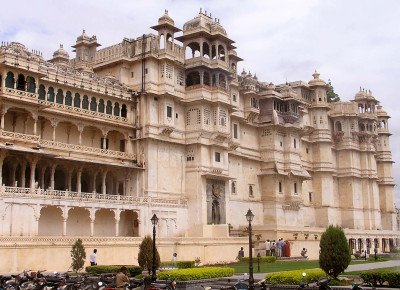
City Palace, Udaipur
Some quick example text to build on the card title and make up the bulk of the card's content.
Go somewhere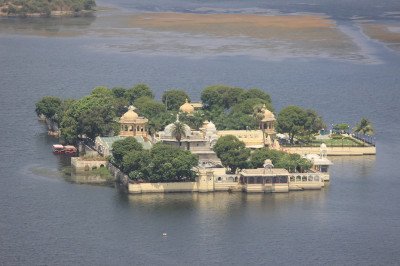
Jag Mandir Palace
Some quick example text to build on the card title and make up the bulk of the card's content.
Go somewhere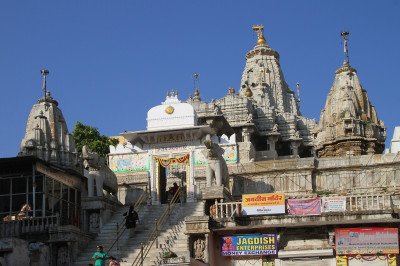
Jagdish Temple
Some quick example text to build on the card title and make up the bulk of the card's content.
Go somewhere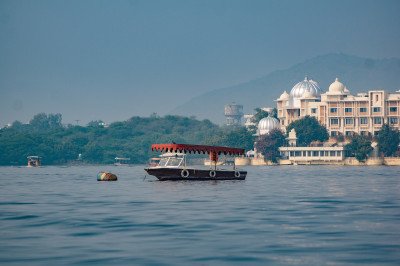
Lake Pichola
Some quick example text to build on the card title and make up the bulk of the card's content.
Go somewhere
Saheliyon Ki Bari
Some quick example text to build on the card title and make up the bulk of the card's content.
Go somewhere
Ahar Museum & Cenotaphs
Some quick example text to build on the card title and make up the bulk of the card's content.
Go somewhere
Ambrai Ghat
Some quick example text to build on the card title and make up the bulk of the card's content.
Go somewhere
Badi Lake
Some quick example text to build on the card title and make up the bulk of the card's content.
Go somewhere
Bagore Ki Haveli
Some quick example text to build on the card title and make up the bulk of the card's content.
Go somewhere
Bhartiya Lok Kala Mandal
Some quick example text to build on the card title and make up the bulk of the card's content.
Go somewhere
City Palace
Some quick example text to build on the card title and make up the bulk of the card's content.
Go somewhere
Crystal Gallery
Some quick example text to build on the card title and make up the bulk of the card's content.
Go somewhere
Doodh Talai Lake
Some quick example text to build on the card title and make up the bulk of the card's content.
Go somewhere
Doodh Talai Musical Garden
Some quick example text to build on the card title and make up the bulk of the card's content.
Go somewhere
Fateh Sagar Lake
Some quick example text to build on the card title and make up the bulk of the card's content.
Go somewhere
Gangaur Ghat
Some quick example text to build on the card title and make up the bulk of the card's content.
Go somewherein Other Cities