Stem Park
General information
-
Ideal Duration:
1.
5 - 2 hours:Place Type:
Educational Center, Science Park, Recreational:Entry Fees:
Basic Entry Fee Structure: The park typically has a nominal entry fee for both adults and children, generally inexpensive, such as Rs.10 to Rs.25 per person. This low fee is standard for municipal-run educational centers aimed at public benefit.
Se...Basic Entry Fee Structure: The park typically has a nominal entry fee for both adults and children, generally inexpensive, such as Rs.10 to Rs.25 per person. This low fee is standard for municipal-run educational centers aimed at public benefit.
Separate Fee for Planetarium: The most significant separate charge is for the Planetarium Show. Due to the limited capacity (30 people), the ticket for this show is charged separately and is usually higher than the basic entry fee, often ranging from Rs.40 to Rs.60. It is highly recommended to purchase this ticket immediately upon entry if you wish to attend, as slots fill up quickly.
Concessions for Educational Groups: The park usually offers significant fee concessions or bulk pricing for officially organized school groups and educational field trips. This is a deliberate policy to promote its primary educational objective, making it a very economical destination for schools.
No Charge for Most Exhibits: Once the entry fee is paid, access to the vast majority of the over 100 outdoor and indoor interactive exhibits is free of additional charge, ensuring maximum engagement with the learning material.
Parking Fee: As it is located near the New Bus Stand, a standard, minimal fee for two-wheeler and four-wheeler parking will be applicable, separate from the park entry ticket.Timing:
Regular Timings: The park is typically open seven days a week from around 10:00 AM to 7:00 PM, accommodating school groups during the day and general public/families in the afternoon/evening. The consistent hours reflect its modern recreational and educational function.Regular Timings: The park is typically open seven days a week from around 10:00 AM to 7:00 PM, accommodating school groups during the day and general public/families in the afternoon/evening. The consistent hours reflect its modern recreational and educational function.
Ideal Visit Time - Morning for Learning: The Ideal Visit Time for a detailed, focused learning experience is the morning, between 10:00 AM and 1:00 PM. During this time, the park is generally less crowded, and the heat for the outdoor exhibits is manageable, allowing for thorough engagement with the displays.
Planetarium Show Schedule: The planetarium has fixed show timings (e. g. , once every hour or two). Visitors should check the schedule immediately upon arrival and plan their visit around the show they wish to attend.
Crowd Management - School Holidays: During peak school holidays (May and December), the park can become very crowded, especially in the afternoon. A weekday morning visit is best during these times to ensure an unhurried, hands-on experience.
Evening Ambiance: For a more casual visit, the evening (4:30 PM to 7:00 PM) is popular, offering a pleasant ambiance after the heat of the day, making it a good time for family outings and a quick science overview.Special Events:
Science and Innovation Fairs: The STEM Park often serves as the venue for regional Science Fairs and innovation exhibitions, usually hosted for school and college students in the Winter months (November to February). These events draw large crowds and showcase student-made ...Science and Innovation Fairs: The STEM Park often serves as the venue for regional Science Fairs and innovation exhibitions, usually hosted for school and college students in the Winter months (November to February). These events draw large crowds and showcase student-made projects, turning the park into a vibrant hub of technological discussion and competition.
National Science Day Celebrations: Every year on February 28th (National Science Day in India), the park organizes special programs, lectures, and interactive demonstrations to celebrate the occasion and honor Indian scientists, drawing a distinct crowd of science enthusiasts and academics.
Weekend Workshops: Although not always official "events," the park occasionally schedules weekend workshops focused on practical skills like building simple circuits or introductory coding sessions. These are valuable for local attendees and are a special draw for repeat visitors.Best Photo Spots:
The Rocket Replica: The impressive, large-scale model of a rocket is the most iconic and essential photo spot, symbolizing the park's focus on space and technology, providing a dramatic backdrop.
Interactive Exhibit in Action: Capture candid...The Rocket Replica: The impressive, large-scale model of a rocket is the most iconic and essential photo spot, symbolizing the park's focus on space and technology, providing a dramatic backdrop.
Interactive Exhibit in Action: Capture candid, action shots of visitors (especially children) fully engaged with the hands-on models, demonstrating the fun and practicality of science. The most engaging exhibits, such as the parabolic sound reflectors or the optical illusions, make for dynamic photos.
The Planetarium Dome Exterior: The futuristic and simple architecture of the small planetarium dome offers a unique, modern contrast to the historical backdrop of Thanjavur, making for a clean, architectural shot.
Geometric and Mathematical Models: The precise, often colorful, geometric models scattered throughout the park, designed to explain complex theorems, offer excellent opportunities for abstract and graphic photography.
Greenery and Pathways: Use the long pathways and lush surrounding greenery to frame the exhibits or take natural portraits, showcasing the peaceful ambiance that surrounds the high-tech models.Photo Gallery
Things To Do
-
Interactive Experimentation across Disciplines:
Hands-on Physics and Math: Dedicate time to operating the various levers, pulleys, sound tubes, and optical illusion boards. Push, pull, and observe to understand concepts like inertia, conservation of energy, and the Pythagorean theorem in a physical sense. Engage with the mathematical models that visually represent geometric concepts.
Attending the Planetarium Show:
A Glimpse into the Cosmos: Check the schedule for the planetarium shows immediately upon entry. Attending the show provides a relaxing yet educational journey through the stars, planets, and galaxies, offering a captivating break from the outdoor exhibits.
Exploring the Space Zone:
Astrono...Interactive Experimentation across Disciplines:
Hands-on Physics and Math: Dedicate time to operating the various levers, pulleys, sound tubes, and optical illusion boards. Push, pull, and observe to understand concepts like inertia, conservation of energy, and the Pythagorean theorem in a physical sense. Engage with the mathematical models that visually represent geometric concepts.
Attending the Planetarium Show:
A Glimpse into the Cosmos: Check the schedule for the planetarium shows immediately upon entry. Attending the show provides a relaxing yet educational journey through the stars, planets, and galaxies, offering a captivating break from the outdoor exhibits.
Exploring the Space Zone:
Astronomy and Rocketry: Spend time at the space-themed exhibits, including the large-scale rocket model. Read the display boards to learn about India's space missions, orbital mechanics, and basic astronomy concepts. This zone is a favorite for aspiring astronauts and engineers.
Participating in Group Challenges:
Team-Building and Problem-Solving: Many exhibits are designed for collaborative effort. Work with family or friends to solve the puzzles or operate the complex mechanisms, fostering teamwork and practical application of knowledge.
Documenting Learnings and Observation:
Educational Note-Taking: Bring a notebook and pen. Encourage students to take notes, draw diagrams, and write down the principles demonstrated by the models. The park is a fieldwork site for science learning.
Photography with Science Models:
Creative and Educational Photo Opportunities: Take fun, creative photos interacting with the models, such as pretending to lift a heavy weight with an optimized lever, or standing next to the impressive rocket replica, capturing the 'Science!!! Full of Science' vibe.
Relaxing in the Outdoor Setting:
Leisure and Unwind: Utilize the lush green seating areas to take a break. The park’s location is peaceful, providing a necessary interval for reflection before diving into the next set of educational exhibits.
Information
-
Why Famous:
Hands-on Learning Experience: Its core fame stems from its unique concept as an interactive learning space where complex concepts in science and math are presented through tangible, hands-on models and experiments. Unlike rote learning, this practical engagement is highly v...Hands-on Learning Experience: Its core fame stems from its unique concept as an interactive learning space where complex concepts in science and math are presented through tangible, hands-on models and experiments. Unlike rote learning, this practical engagement is highly valued by students, parents, and educators.
Focus on STEM Education: The park is famous for promoting the crucial STEM (Science, Technology, Engineering, and Mathematics) fields. It is a pioneering initiative in the region to cultivate problem-solving skills and scientific temper, preparing youth for the modern economy. Its existence is a statement of Thanjavur's focus on future-forward education.
The Planetarium Feature: The inclusion of a small but functional planetarium is a significant draw. It provides an accessible and engaging way for the public to learn about astronomy, space science, and the cosmos, offering a rare opportunity for many visitors, especially school children, to experience a celestial show. -
Architecture:
Functional and Interactive Exhibit Design: The park’s architecture is primarily functional, designed to safely house and present over 100 interactive exhibits. The focus is on robust, weather-resistant structures for the outdoor exhibits and dedicated, well-lit indoor spa...Functional and Interactive Exhibit Design: The park’s architecture is primarily functional, designed to safely house and present over 100 interactive exhibits. The focus is on robust, weather-resistant structures for the outdoor exhibits and dedicated, well-lit indoor spaces for sensitive models and the planetarium. The layout is divided into distinct zones—such as physics, math, and space—allowing for a thematic flow of learning.
The Planetarium Dome: A key architectural feature is the small-scale planetarium dome, a specialized structure designed for astronomical shows.
Dimension: It can host intimate gatherings of up to 30 people, a small-scale, modern dome structure optimized for a personalized and immersive cosmic experience, utilizing projection technology on its curved inner surface.
Open-Air Science Playground: Much of the park is an open-air science playground, where large, static, and movable models (like levers, gears, sound tubes, and optical illusions) are permanently installed on concrete bases. These structures are built to withstand heavy use, emphasizing durability over intricate ornamentation, a clear contrast to Thanjavur's traditional temple architecture. The inclusion of a large rocket model is a striking visual element that captures the theme of space science. -
How To Reach:
By Air: The nearest airport is Tiruchirappalli International Airport (TRZ), located about 60 KM from Thanjavur. After landing at TRZ, travelers can hire a direct taxi to Thanjavur or take an airport bus service to the main Trichy bus stand and then a connecting bus to Thanj...By Air: The nearest airport is Tiruchirappalli International Airport (TRZ), located about 60 KM from Thanjavur. After landing at TRZ, travelers can hire a direct taxi to Thanjavur or take an airport bus service to the main Trichy bus stand and then a connecting bus to Thanjavur. The total travel time is approximately 1. 5 to 2 hours.
By Train: Thanjavur Junction (TJ) is the main railway hub, connecting the city to all major parts of Tamil Nadu and India. The park is situated about 4 KM from the railway station. From the station, the best local transport option is an auto-rickshaw or a ride-hailing app-based cab to the New Bus Stand area, where the park is located.
By Road - Location near the Bus Stand: The STEM Park is strategically located very close to the New Bus Stand on the Pudukkottai Main Road. This location makes it exceptionally easy to reach by bus. Frequent public and private buses run from all parts of the state and from other cities like Chennai, Madurai, and Trichy directly to the New Bus Stand. From the bus stand, it is a very short auto-rickshaw ride or a ten-minute walk.
By Local Transport: Auto-rickshaws are readily available throughout the city, and all drivers know the location as it is near the important New Bus Stand. Negotiating the fare before the ride is advisable. Local town buses that service the New Bus Stand route are also an extremely economical option. If you are staying near the old city center, a rental scooter or taxi is a comfortable choice. The park's well-known landmark status ensures that finding it is never a challenge for local commuters. -
Weather and Best Time to Visit:
Winter Season (October to March): This is the optimal time for a visit. The moderate, pleasant temperatures are perfect for enjoying the outdoor exhibits for extended periods without discomfort. Both the mornings and the afternoons are ideal, offering crisp light and cool ...Winter Season (October to March): This is the optimal time for a visit. The moderate, pleasant temperatures are perfect for enjoying the outdoor exhibits for extended periods without discomfort. Both the mornings and the afternoons are ideal, offering crisp light and cool air.
Summer Season (April to June): The intense heat requires careful planning. Visits should be restricted to the morning (10:00 AM to 1:00 PM) or the late evening (4:30 PM to 7:00 PM). The indoor exhibits, like the planetarium, offer an excellent, air-conditioned respite from the mid-day heat.
Monsoon Season (July to September): The park is fully operational, but sudden heavy downpours can interrupt the experience of the outdoor exhibits. The best time to visit is on a bright, clear day or immediately after a rain shower. The greenery is at its most vibrant during this season. Ideal Part of the Day - Late Morning/Early Afternoon: For school groups and dedicated learning, the late morning is the best to cover the majority of the exhibits. For a casual visit, the late afternoon offers cooler temperatures and a nice blend of local crowd and quiet learning. -
Near Tourist Places:
New Bus Stand (0. 5 KM), Thanjavur Junction Railway Station (4 KM), Sivaganga Park (4 KM), Thanjavur Palace (5 KM), Thanjavur Brihadeeswarar Temple (5 KM), Sangeetha Mahal (5 KM), Manora Fort (60 KM - Coastal), Grand Anicut (Kallanai) (30 KM), Kumbakonam (40 KM), Trichy (60 KM)
Tourism Tips
-
Health & Safety - Inspecting Equipment: As maintenance can sometimes be an issue, adult supervision is required for children using the interactive equipment. Before engaging with an exhibit, quickly ensure it is secure and functional. Drink only bottled water. The outdoor...Health & Safety - Inspecting Equipment: As maintenance can sometimes be an issue, adult supervision is required for children using the interactive equipment. Before engaging with an exhibit, quickly ensure it is secure and functional. Drink only bottled water. The outdoor area can be hot, so hydration is key.
Packing Essentials - Notepads and Curiosity: Bring a notepad, pen, and a basic calculator—essential for an interactive learning experience to jot down formulas, results, and observations. Light, comfortable walking shoes are necessary for traversing the wide area. Sunglasses and a cap are recommended for the outdoor zones.
Accommodation - Near the Bus Stand: Staying near the New Bus Stand gives easy access to the park and onward travel options. There are many budget and mid-range hotels in this commercial area, offering convenience and connectivity.
Other Tips - Planetarium First: Check the Planetarium show timings first and plan your exploration of the other exhibits around the show schedule. For school groups, pre-booking a guided tour or a specific workshop is highly recommended to maximize the educational value and ensure the availability of assistance for the exhibits. Be patient, as some models may require slight adjustment to function correctly.
Reviews
FAQs
Thanjavur Itineray And Cost:-
Other Places In Thanjavur :-
Other States In India :-
Information about New and Updated Locations() of Tamil Nadu Has Been Added :-
Card subtitle
Note:-
Information provided here in good Faith and for reference only.
Near Places
Brihadeeswarar Temple
Some quick example text to build on the card title and make up the bulk of the card's content.
Go somewhere
Gangaikonda Cholapuram Temple
Some quick example text to build on the card title and make up the bulk of the card's content.
Go somewhere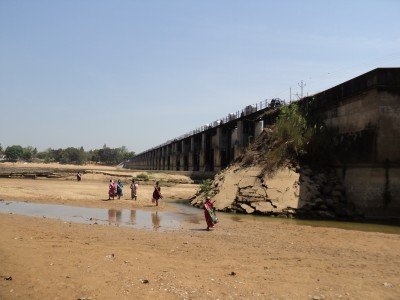
Grand Anicut
Some quick example text to build on the card title and make up the bulk of the card's content.
Go somewhere
Kandiyur Temple
Some quick example text to build on the card title and make up the bulk of the card's content.
Go somewhere
Mallipattinam Fishing Harbor
Some quick example text to build on the card title and make up the bulk of the card's content.
Go somewhere
Manora Beach and Fort
Some quick example text to build on the card title and make up the bulk of the card's content.
Go somewhere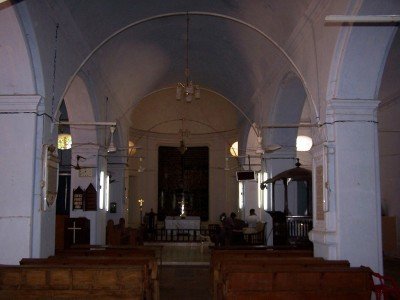
Manora Fort
Some quick example text to build on the card title and make up the bulk of the card's content.
Go somewhere
Poondi Matha Basilica
Some quick example text to build on the card title and make up the bulk of the card's content.
Go somewhere
Punnai Nallur Mariamman Temple
Some quick example text to build on the card title and make up the bulk of the card's content.
Go somewhere
Raja Raja Chola Art Gallery
Some quick example text to build on the card title and make up the bulk of the card's content.
Go somewhere
Rajarajan Manimandapam
Some quick example text to build on the card title and make up the bulk of the card's content.
Go somewhere
Saint Thyagaraja Samadhi
Some quick example text to build on the card title and make up the bulk of the card's content.
Go somewhere
Samuthiram Lake Park
Some quick example text to build on the card title and make up the bulk of the card's content.
Go somewhere
Saraswathi Mahal Library
Some quick example text to build on the card title and make up the bulk of the card's content.
Go somewhere
Schwartz Church
Some quick example text to build on the card title and make up the bulk of the card's content.
Go somewhere
Sivaganga Park
Some quick example text to build on the card title and make up the bulk of the card's content.
Go somewherein Other Cities