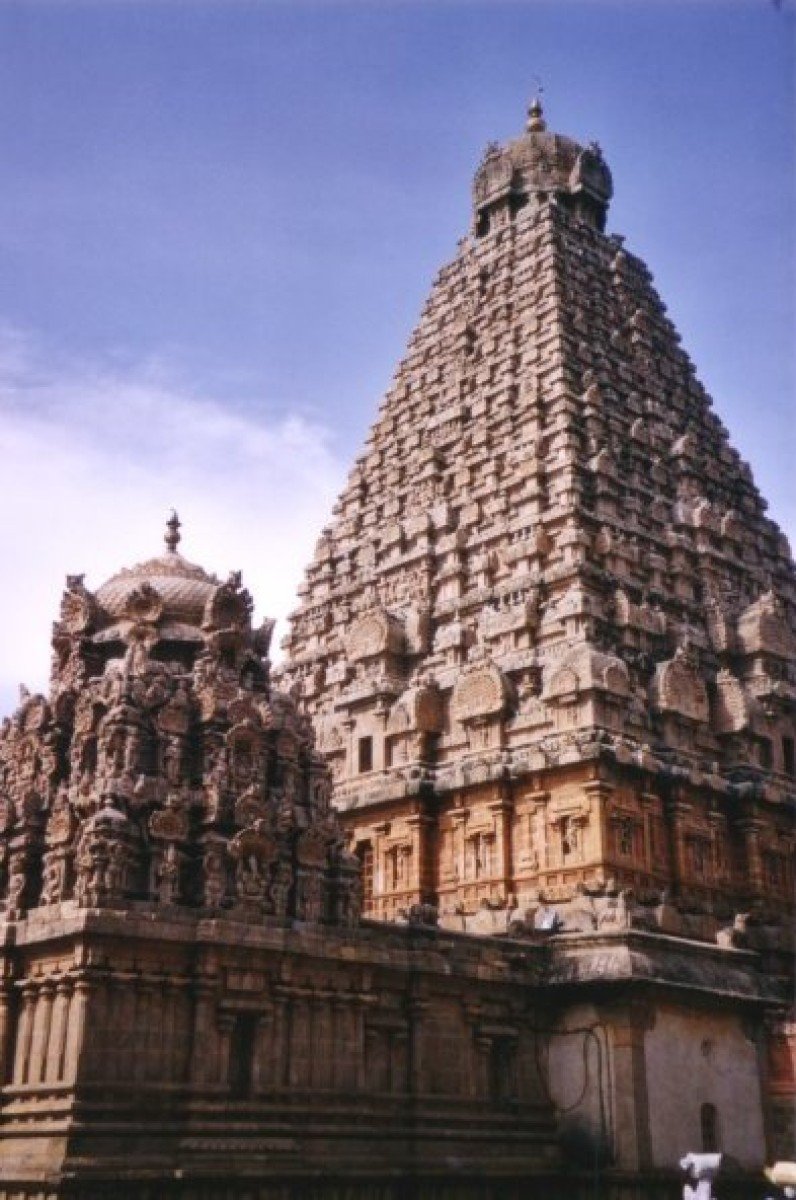
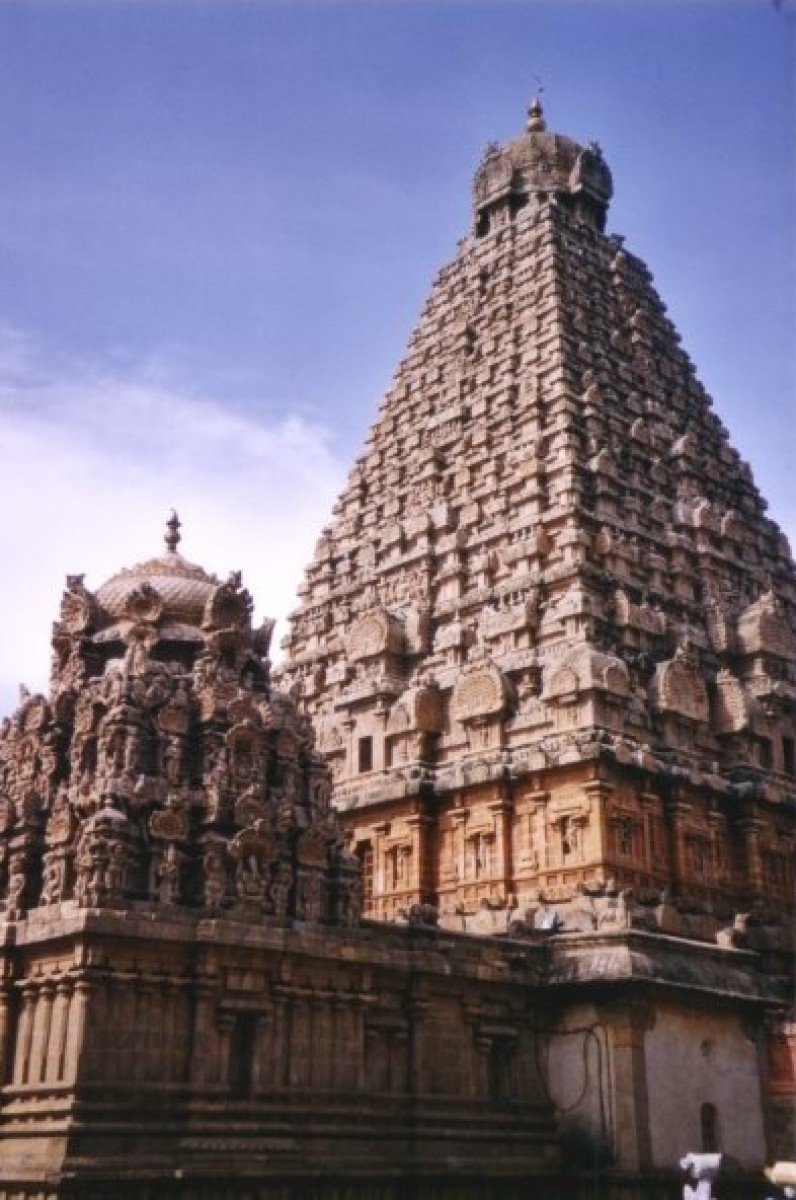
Tanjore Fort
General information
-
Ideal Duration:
1 to 2 HoursPlace Type:
Historical Military Defense:: Fortification, MilEntry Fees:
Free to View Ruins:: Viewing the external fort walls and moats is generally free as they are part of the public infrastructure and city streets.
Fees for Inner Sites:: Access to the well-preserved sites located within the fort walls, such as...Free to View Ruins:: Viewing the external fort walls and moats is generally free as they are part of the public infrastructure and city streets.
Fees for Inner Sites:: Access to the well-preserved sites located within the fort walls, such as the Thanjavur Royal Palace (Art Gallery, Library) and the associated towers, requires a nominal entry ticket (around Rs.50 for Indian adults).
Camera and Guide Costs:: No camera fee is usually charged for the external walls. Fees for professional cameras may apply at the internal sites, and a negotiated fee is necessary if hiring a private local guide for a historical walk.Timing:
Regular Timings (Always Accessible):: The outer fort walls and moat areas are open and viewable 24 hours a day, 7 days a week, as they are part of the main city.
Ideal Visit Time:: The ideal visit time for exploring the external walls and ru...Regular Timings (Always Accessible):: The outer fort walls and moat areas are open and viewable 24 hours a day, 7 days a week, as they are part of the main city.
Ideal Visit Time:: The ideal visit time for exploring the external walls and ruins is the very early morning (before 8:00 AM) or the late evening (after 5:00 PM) to avoid the intense sun and the heavy traffic of the central city.
Internal Attraction Timings:: If visiting the palace and other historical buildings inside the walls, ensure your visit is within their specific opening hours (10:00 AM to 5:30 PM).Special Events:
Wall-Focused Heritage Walks:: Local heritage organizations occasionally conduct guided Heritage Walks focused specifically on the history of the walls and the moat system, which are announced locally.
Local Temple Festivals:: As the most int...Wall-Focused Heritage Walks:: Local heritage organizations occasionally conduct guided Heritage Walks focused specifically on the history of the walls and the moat system, which are announced locally.
Local Temple Festivals:: As the most intact walls enclose the Brihadeeswarar Temple, the numerous festivals of the Big Temple (like Chithirai Brahmotsavam and Maha Shivaratri) are essentially celebrated within the most significant portion of the fort complex.
Government Commemorations:: Historical anniversaries and national holidays are sometimes commemorated near the main gate of the Palace complex, which was historically part of the largest fort, often involving local dignitaries and public gatherings.Best Photo Spots:
The Big Temple Walls:: The towering, sheer walls of the Brihadeeswarar Temple complex, particularly from the external road, offer the best shots that convey the monument's fortress-like character.
Moat-Side Vistas:: The long stretches of the...The Big Temple Walls:: The towering, sheer walls of the Brihadeeswarar Temple complex, particularly from the external road, offer the best shots that convey the monument's fortress-like character.
Moat-Side Vistas:: The long stretches of the water-filled moat (or canal sections that follow the moat's path) provide great opportunities for landscape and reflection shots, especially at dawn or dusk.
Rajagopala Cannon Close-Up:: The massive and rugged texture of the nearly 400-year-old Rajagopala Cannon makes for a powerful and detailed close-up shot of military history.
View from the Arsenal Tower:: The view from the top of the Palace's Arsenal Tower, looking down over the sprawling area once contained within the fort, offers an aerial perspective of the scale of the original defense.Photo Gallery
Things To Do
-
Walk the Historical Perimeter:: Take a guided or self-guided walk along the remaining stretches of the fort walls, especially those around the Brihadeeswarar Temple and the Sivaganga Tank, to appreciate the scale of the ancient masonry and defensive planning.
Moat-Side Stroll:: Walk along the sides of the surviving sections of the old moat to visualize the extent of the water barrier that once protected the city. The moat is now partially integrated with canals and local settlements.
Photography of the Temple Walls:: Use the magnificent, towering outer walls of the Brihadeeswarar Temple complex as a backdrop for photography, highlighting their rugged, military character in contrast to the ornate temple architecture.
Visit the Rajagopala Cannon:: Make an effort t...Walk the Historical Perimeter:: Take a guided or self-guided walk along the remaining stretches of the fort walls, especially those around the Brihadeeswarar Temple and the Sivaganga Tank, to appreciate the scale of the ancient masonry and defensive planning.
Moat-Side Stroll:: Walk along the sides of the surviving sections of the old moat to visualize the extent of the water barrier that once protected the city. The moat is now partially integrated with canals and local settlements.
Photography of the Temple Walls:: Use the magnificent, towering outer walls of the Brihadeeswarar Temple complex as a backdrop for photography, highlighting their rugged, military character in contrast to the ornate temple architecture.
Visit the Rajagopala Cannon:: Make an effort to find and view the large Rajagopala Cannon for a sense of the military hardware used to defend the city.
Combine with Fort Attractions:: Since the walls enclose the city's key historical area, the main activity is visiting the monuments contained within the fort: the Brihadeeswarar Temple, the Thanjavur Royal Palace, and the Sivaganga Park.
Local Heritage Tours:: Look for local heritage groups that occasionally organize guided walking tours focused specifically on the fort's history and its remnants scattered across the city.
Study Military Architecture:: For enthusiasts, tracing the path of the original fort walls and noting the placement of bastions and defensive structures is an excellent exercise in military history and architecture study.
Information
-
Why Famous:
Enveloping the Big Temple:: The walls are most famous for providing the magnificent Brihadeeswarar Temple with its fortress-like appearance, a visual and historical anomaly that makes the temple's architecture even more imposing.
Historical City...Enveloping the Big Temple:: The walls are most famous for providing the magnificent Brihadeeswarar Temple with its fortress-like appearance, a visual and historical anomaly that makes the temple's architecture even more imposing.
Historical City Delimitation:: The remaining walls and the historical line of the moat define the core area of the old walled city of Thanjavur, acting as a crucial historical and geographical landmark for visitors to understand the city's historical urban layout.
An Engineering Marvel:: The sheer scale of the construction, especially the connection of the defensive moat to the Kaveri river system, is widely cited as an impressive feat of historical civil and military engineering by the Nayaks. -
Architecture:
Massive Defensive Construction:: The architecture is purely defensive, characterized by towering, thick walls made of large granite blocks and brick masonry, designed to withstand siege and artillery attacks of the pre-modern era.
The Moat Syste...Massive Defensive Construction:: The architecture is purely defensive, characterized by towering, thick walls made of large granite blocks and brick masonry, designed to withstand siege and artillery attacks of the pre-modern era.
The Moat System:: A key component was the vast, surrounding moat, which once measured up to 150 feet in width and ran for over 4 miles, connected to the Grand Anaicut Canal for a perennial water supply. This demonstrated an advanced understanding of defensive hydraulic engineering.
Temple as a Citadel:: The unique aspect of the fortification is the integration of the Brihadeeswarar Temple within the fort's structure, with its own massive, two-tiered enclosure walls, effectively turning the temple into a massive, secure citadel at the heart of the city.
Bastions and Turrets:: The walls were strategically reinforced with numerous semi-circular bastions (turrets) and watchtowers at regular intervals, providing strong defensive positions for the garrison to guard the perimeter. The walls of the Palace complex, also part of this larger fort, feature similar defensive staircases and design. -
How To Reach:
By Air (Via TRZ):: The nearest airport is Tiruchirappalli International Airport (TRZ), approximately 60 KMS away. A taxi will take you to the central fort area.
By Train (Very Convenient):: Thanjavur Junction (TJ) is the main railway statio...By Air (Via TRZ):: The nearest airport is Tiruchirappalli International Airport (TRZ), approximately 60 KMS away. A taxi will take you to the central fort area.
By Train (Very Convenient):: Thanjavur Junction (TJ) is the main railway station, about 2 KMS from the closest points of the historical walls. Auto-rickshaws are the best local transport option.
By Road (Main City Hub):: The fort walls define the central area, making them easily accessible from all city bus stands. Local and state transport buses frequently service the area.
By Local Transport (Walkable):: The fort walls are best explored by walking from the city center, covering the historical core that includes the Temple and Palace. Auto-rickshaws can be used for longer stretches of the perimeter. -
Weather and Best Time to Visit:
Season - October to March (Best Weather):: The winter months are the best time to visit for a comfortable experience, as the moderate climate is ideal for extensive walking and outdoor exploration of the remnants.
Season - April to June (Limit M...Season - October to March (Best Weather):: The winter months are the best time to visit for a comfortable experience, as the moderate climate is ideal for extensive walking and outdoor exploration of the remnants.
Season - April to June (Limit Midday):: The summer months are very hot, so exploring the exposed walls should be strictly limited to the cool hours of the early morning and late evening.
Time of Day - Early Morning and Late Evening:: The ideal part of the day is the early morning (6:00 AM to 8:00 AM) for a peaceful walk to see the monumental walls in soft light, or the late evening for a cool, reflective stroll. -
Near Tourist Places:
Brihadeeswarar Temple (0.
0 KMS - Wall Enclosure):, Thanjavur Royal Palace (0.
5 KMS):, Sivaganga Park (0.
2 KMS):, Saraswathi Mahal Library (0.
5 KMS):, Schwartz Church (0.
8 KMS):, Vijayanagar Fort (1.
0 KMS):, Rajagopala Cannon (0.
5 KMS):
, Thanjai Mamani Koil (
5 KMS):, Ayyankulam Tank (1.
2 KMS):
, Thiruvaiyaru Temple (14 KMS):
Tourism Tips
-
Health & Safety (Traffic and Uneven Ground):: Be cautious of traffic, as the walls are integrated with busy city roads. Wear comfortable, closed shoes for walking on uneven terrain and historic stones.
Packing (Water and Maps):: Carry water...Health & Safety (Traffic and Uneven Ground):: Be cautious of traffic, as the walls are integrated with busy city roads. Wear comfortable, closed shoes for walking on uneven terrain and historic stones.
Packing (Water and Maps):: Carry water, especially for walking the longer segments. It is highly recommended to carry a city map or a guided tour brochure that helps trace the original path of the walls and identify the remaining sections.
Accommodation (Central Booking):: Staying in the central part of Thanjavur is most convenient for exploring the walls, as they are the historical boundary of the city center.
Other Tips (Context is Key):: The walls are often less impressive as standalone ruins than the Temple or the Palace. Use the walls to understand the geographical and military context of the famous monuments they were built to protect, adding a layer of depth to your historical visit.
Reviews
FAQs
Thanjavur Itineray And Cost:-
Other Places In Thanjavur :-
Other States In India :-
Information about New and Updated Locations() of Tamil Nadu Has Been Added :-
Card subtitle
Note:-
Information provided here in good Faith and for reference only.
Near Places
Brihadeeswarar Temple
Some quick example text to build on the card title and make up the bulk of the card's content.
Go somewhere
Gangaikonda Cholapuram Temple
Some quick example text to build on the card title and make up the bulk of the card's content.
Go somewhere
Grand Anicut
Some quick example text to build on the card title and make up the bulk of the card's content.
Go somewhere
Kandiyur Temple
Some quick example text to build on the card title and make up the bulk of the card's content.
Go somewhere
Mallipattinam Fishing Harbor
Some quick example text to build on the card title and make up the bulk of the card's content.
Go somewhere
Manora Beach and Fort
Some quick example text to build on the card title and make up the bulk of the card's content.
Go somewhere
Manora Fort
Some quick example text to build on the card title and make up the bulk of the card's content.
Go somewhere
Poondi Matha Basilica
Some quick example text to build on the card title and make up the bulk of the card's content.
Go somewhere
Punnai Nallur Mariamman Temple
Some quick example text to build on the card title and make up the bulk of the card's content.
Go somewhere
Raja Raja Chola Art Gallery
Some quick example text to build on the card title and make up the bulk of the card's content.
Go somewhere
Rajarajan Manimandapam
Some quick example text to build on the card title and make up the bulk of the card's content.
Go somewhere
Saint Thyagaraja Samadhi
Some quick example text to build on the card title and make up the bulk of the card's content.
Go somewhere
Samuthiram Lake Park
Some quick example text to build on the card title and make up the bulk of the card's content.
Go somewhere
Saraswathi Mahal Library
Some quick example text to build on the card title and make up the bulk of the card's content.
Go somewhere
Schwartz Church
Some quick example text to build on the card title and make up the bulk of the card's content.
Go somewhere
Sivaganga Park
Some quick example text to build on the card title and make up the bulk of the card's content.
Go somewherein Other Cities