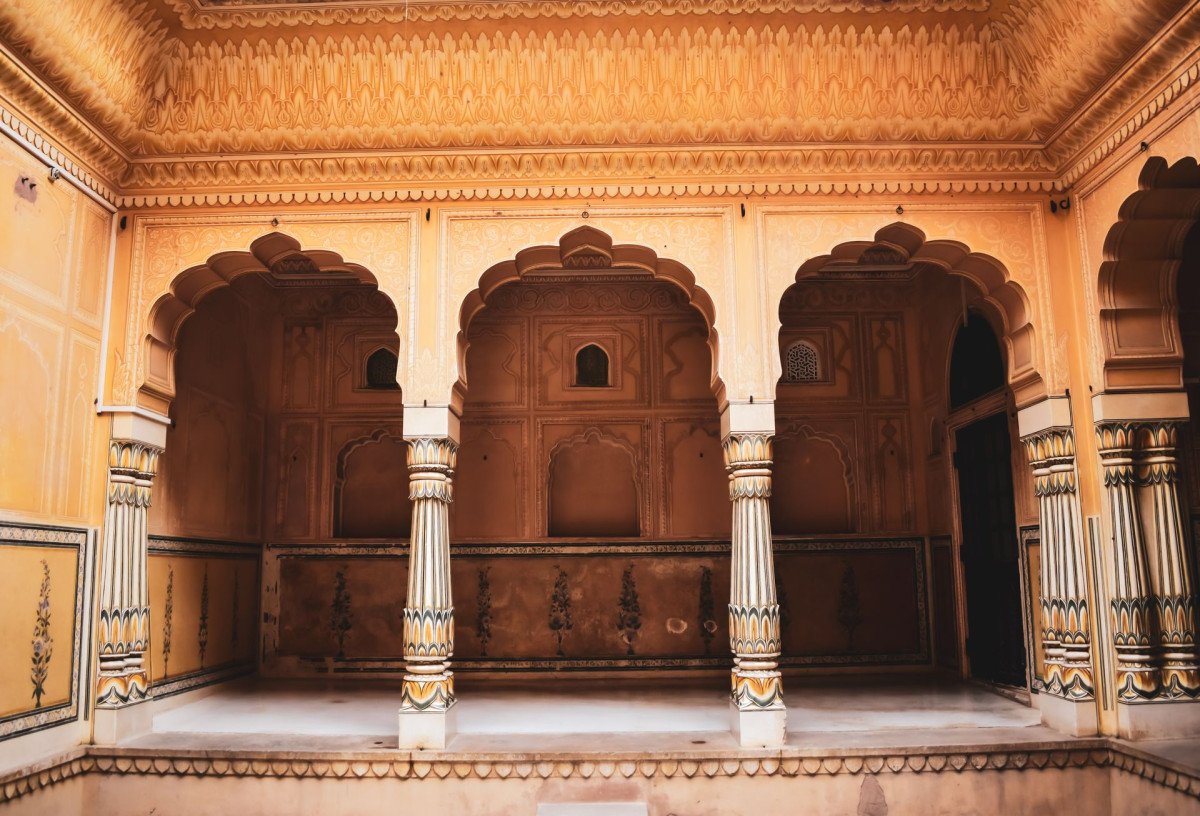
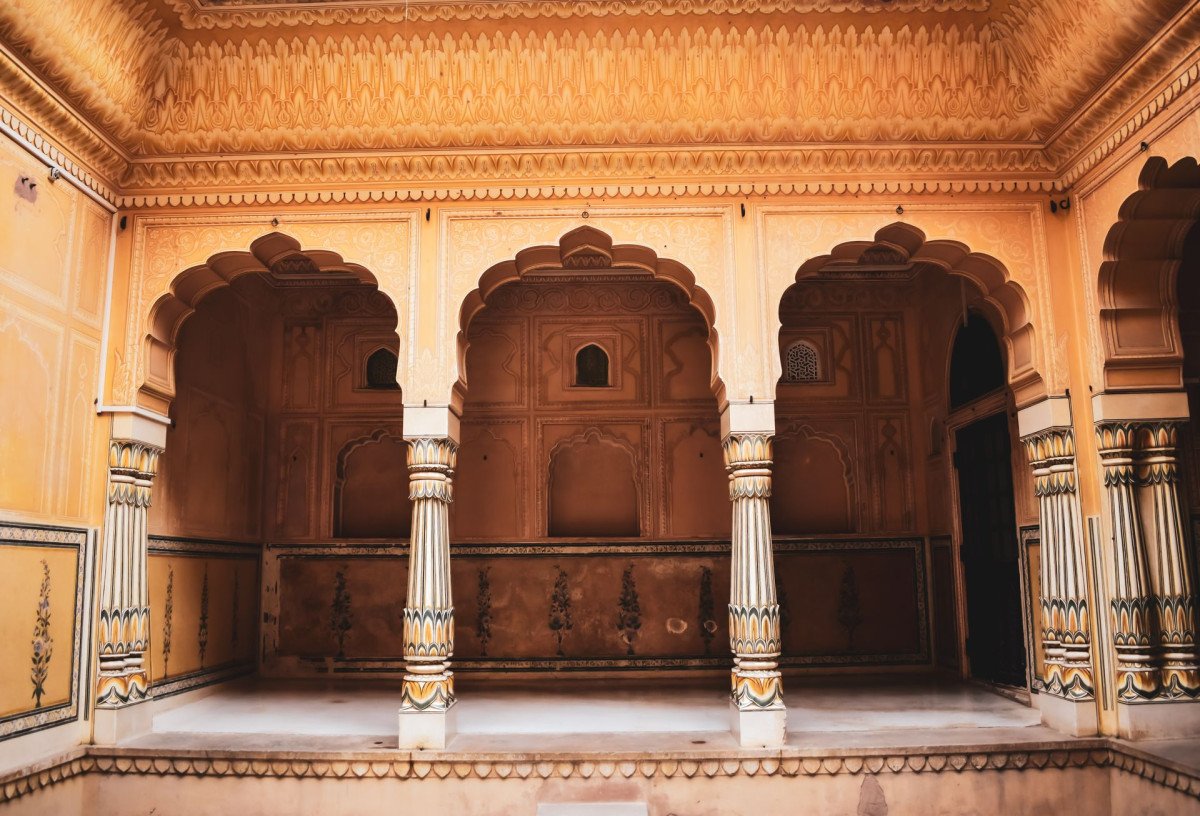
Vijayanagar Fort
General information
-
Ideal Duration:
1 to 2 HoursPlace Type:
Historical Military Ruin:: Fortification, MilitaEntry Fees:
Free to View Ruins:: There is generally no entry fee to view the remains of the fort walls themselves, as they are part of the public city space, unlike the ticketed attractions contained within its boundaries.
Ticketed Attractions within the Fo...Free to View Ruins:: There is generally no entry fee to view the remains of the fort walls themselves, as they are part of the public city space, unlike the ticketed attractions contained within its boundaries.
Ticketed Attractions within the Fort:: Access to the main internal attractions, such as the Thanjavur Royal Palace (Art Gallery, Arsenal Tower) and the Saraswathi Mahal Library Museum, requires a ticket, which is typically around Rs.50 for Indian citizens. These separate tickets grant access to the best-preserved historical parts of the fort area.
Parking and Local Services:: As with the other sites, small, nominal charges will apply for vehicle parking in the designated areas near the fort's public access points. Vendors and local guides operate outside the fort walls, charging standard rates for their services.Timing:
Regular Timings (Always Accessible):: The main fort walls and external areas are open and accessible 24 hours a day, 7 days a week, as they are integrated into the modern city's structure. However, the key attractions within the fort, like the Palace and Library, are only o...Regular Timings (Always Accessible):: The main fort walls and external areas are open and accessible 24 hours a day, 7 days a week, as they are integrated into the modern city's structure. However, the key attractions within the fort, like the Palace and Library, are only open from 10:00 AM to 5:30 PM.
Ideal Visit Time:: The ideal visit time to walk around the exterior walls and ruins is early morning (6:00 AM to 8:00 AM) or late evening (5:30 PM to 7:00 PM) to avoid the heat, appreciate the cool breeze, and capture the ruins under softer light.
Internal Attraction Timings:: Plan your visit to the internal attractions, like the Palace, to be within their specific operating hours (10:00 AM - 5:30 PM), and note their weekly closing days (Wednesday for the library).Special Events:
Annual Pooja at Inner Shrines:: The small, older temples and shrines within the fort's original area conduct their own annual festivals and special Pooja ceremonies, often attracting a highly localized group of devotees, particularly during the Tamil months.Annual Pooja at Inner Shrines:: The small, older temples and shrines within the fort's original area conduct their own annual festivals and special Pooja ceremonies, often attracting a highly localized group of devotees, particularly during the Tamil months.
Cultural Events at Sangeetha Mahal:: Since the Sangeetha Mahal is within the fort's historical limits, major cultural programs, music, and dance festivals organized there during the tourist season can be considered events taking place within the fort complex, reviving the cultural patronage of the Maratha rulers.
Local Government Events:: Due to the fort's location at the heart of the city and its proximity to the Collector's Office, local government-sponsored events and parades, especially on national days, often take place in the immediate vicinity of the fort's historical gates.
Historical Preservation Awareness Days:: The Archaeological Survey of India (ASI) or local heritage bodies may occasionally hold awareness camps, seminars, and heritage walk events focused on the fort's preservation and history.Best Photo Spots:
The Wall Ruins and Arsenal Tower:: The most striking photo spots are the remaining high walls and bastions of the fort, especially where they stand next to modern structures, offering a contrast of old and new. The high-angle view of the Arsenal Tower also belongs to the fo...The Wall Ruins and Arsenal Tower:: The most striking photo spots are the remaining high walls and bastions of the fort, especially where they stand next to modern structures, offering a contrast of old and new. The high-angle view of the Arsenal Tower also belongs to the fort complex.
Sivaganga Tank Reflections:: The large, square Sivaganga Tank within the fort premises, especially during the early morning or late afternoon, offers beautiful opportunities for reflection photography of the surrounding trees and buildings on the water's surface.
The Ranee's Tower (Clock Tower):: The old Ranee's Tower provides a distinct, colonial-era backdrop, standing as a historical marker of the British presence within the ancient Nayak fort structure, making for a unique architectural photograph.
The Rajagopala Cannon:: The massive size and texture of the nearly 400-year-old Rajagopala Cannon make it a fascinating subject for close-up detail and scale comparison shots, highlighting 17th-century metallurgy.Photo Gallery
Things To Do
-
Walking the Fort Perimeter:: Take a leisurely walk around the existing perimeter of the fort to appreciate the scale of the original fortifications and imagine its historical importance as a defensive stronghold. Look for surviving bastions and the remnants of the old moat.
Visiting the Palace Complex:: The main activity is to visit the attractions located within the fort's original boundaries, which include the Thanjavur Royal Palace, the Saraswathi Mahal Library, the Art Gallery, and the Durbar Hall. These monuments are the best-preserved sections of the fort's complex.
Relaxing in Sivaganga Park:: Take a break in Sivaganga Park, located within the fort complex. It's a nice place for a stroll, enjoying the greenery, and watching the local life, making it a good spot to relax after a historic...Walking the Fort Perimeter:: Take a leisurely walk around the existing perimeter of the fort to appreciate the scale of the original fortifications and imagine its historical importance as a defensive stronghold. Look for surviving bastions and the remnants of the old moat.
Visiting the Palace Complex:: The main activity is to visit the attractions located within the fort's original boundaries, which include the Thanjavur Royal Palace, the Saraswathi Mahal Library, the Art Gallery, and the Durbar Hall. These monuments are the best-preserved sections of the fort's complex.
Relaxing in Sivaganga Park:: Take a break in Sivaganga Park, located within the fort complex. It's a nice place for a stroll, enjoying the greenery, and watching the local life, making it a good spot to relax after a historical tour.
Viewing the Sivaganga Tank:: Spend a moment to view the ancient Sivaganga Tank, which is believed to have supplied sweet water to the palace. Appreciate its historical engineering significance for water management.
History and Archaeology Study:: The fort's ruins are ideal for history and archaeology students to study the later Dravidian and military architectural styles and the transition of power in the Thanjavur region from the Nayaks to the Marathas.
Capture the Ruins:: Use the rugged, dilapidated fort walls and the massive, exposed stone blocks as a backdrop for dramatic and historical photography, capturing the atmospheric beauty of the ruins at different times of the day.
Visit the Rajagopala Cannon:: Seek out the Rajagopala Cannon near the fort's old walls, one of the largest ancient cannons in the world, a testament to the metallurgical skills of the 17th century.
Information
-
Why Famous:
The Historical Nexus of Thanjavur:: The fort is famous for being the historical nexus of the city, encompassing many of Thanjavur's most famous landmarks, including the Thanjavur Palace, the Saraswathi Mahal Library, and Sivaganga Park. It is the largest military structure ...The Historical Nexus of Thanjavur:: The fort is famous for being the historical nexus of the city, encompassing many of Thanjavur's most famous landmarks, including the Thanjavur Palace, the Saraswathi Mahal Library, and Sivaganga Park. It is the largest military structure in the city, providing a physical boundary to its historical core.
A Symbol of Dynastic Rule:: It represents the enduring power and military strength of the Nayak dynasty that established much of the modern city's structure. Although much is gone, the scale of the original fort speaks volumes about its importance during the 16th and 17th centuries.
Home to the Sivaganga Tank:: The fort is historically significant because it contains the Sivaganga Tank, an ancient water body believed to have been built by Rajaraja Chola I, which historically supplied drinking water to the palace and the city, highlighting the importance of water management in defense. -
Architecture:
Late Nayak and Maratha Fortification Style:: The fort's architecture follows the typical military fortification style of the late Nayak and early Maratha periods in South India, characterized by high, thick ramparts and strategically placed bastions (turrets).Late Nayak and Maratha Fortification Style:: The fort's architecture follows the typical military fortification style of the late Nayak and early Maratha periods in South India, characterized by high, thick ramparts and strategically placed bastions (turrets).
Fort Wall Construction:: The outer walls, though mostly in ruins, were constructed of massive stone and brick, designed to withstand contemporary siege warfare. The surrounding moat, though largely dried up or converted, was a key defensive feature, some sections of which were connected to irrigation channels.
Inner Structures:: The key inner structures that survive are the Thanjavur Palace and the Sivaganga Tank, which feature different architectural styles. The walls of the fort are punctuated by watchtowers or turrets, which provided defensive positions for soldiers, some of which still stand.
Influence and Overlap:: The architecture of the fort complex is heavily integrated with the Thanjavur Royal Palace complex. The fort's design is utilitarian and defensive, focusing on strategic placement and sturdy construction, a sharp contrast to the artistic finesse of the nearby Brihadeeswarar Temple. The original design included multiple layers of defense to protect the royal and civilian areas inside. -
How To Reach:
By Air (Via TRZ):: The nearest major air hub is Tiruchirappalli International Airport (TRZ), approximately 60 KMS away. From the airport, a taxi will take about 1. 5 hours to reach the fort area in central Thanjavur.
By Train (Very Near):: ...By Air (Via TRZ):: The nearest major air hub is Tiruchirappalli International Airport (TRZ), approximately 60 KMS away. From the airport, a taxi will take about 1. 5 hours to reach the fort area in central Thanjavur.
By Train (Very Near):: Thanjavur Junction (TJ) is the city's main railway station, located about 2 KMS from the fort area. You can easily hire an auto-rickshaw or taxi for the short trip to the fort's main gates.
By Road (Well Connected):: The fort is located in the heart of the city, very close to the Old Bus Stand, which makes it easily reachable by local buses or a short walk. Long-distance buses from cities like Chennai and Trichy arrive at the nearby bus stands.
By Local Transport (Walkable Core):: The fort area is easily accessible by auto-rickshaw from any part of Thanjavur. It's also centrally located, making it part of the main tourist circuit, which is often covered on foot by tourists staying nearby. -
Weather and Best Time to Visit:
Season - October to March (Best Climate):: The winter months are the best time to visit the fort and its surrounding complex, as the mild climate is perfect for walking and exploring the ruins and the vast palace complex.
Season - April to June ...Season - October to March (Best Climate):: The winter months are the best time to visit the fort and its surrounding complex, as the mild climate is perfect for walking and exploring the ruins and the vast palace complex.
Season - April to June (Avoid Midday):: The summer is very hot, so visiting the exposed fort walls and ruins must be restricted to the very early morning or late evening.
Time of Day - Early Morning or Late Evening:: The ideal part of the day is the early morning (before 8:00 AM) for cool air and soft light, or the late evening (after 5:00 PM) to experience the historical ambiance as the sun sets. The internal attractions are best visited during the day, following their set timings. -
Near Tourist Places:
Thanjavur Royal Palace (0.
5 KMS):, Sivaganga Park (0.
3 KMS):, Brihadeeswarar Temple (1.
5 KMS):, Saraswathi Mahal Library (0.
5 KMS):, Schwartz Church (1.
0 KMS):
, Thanjai Mamani Koil (4 KMS):, Ayyankulam Tank (0.
8 KMS):, Rajagopala Cannon (0.
5 KMS):, Sangeetha Mahal (0.
5 KMS):
, Punnainallur Mariamman Temple (7 KMS):
Tourism Tips
-
Health & Safety (Walking and Ruins):: The external areas of the fort are partially ruined, so be mindful of uneven surfaces, loose stones, and debris, especially if exploring off the main pathways. Wear closed, sturdy footwear.
Packing (Water a...Health & Safety (Walking and Ruins):: The external areas of the fort are partially ruined, so be mindful of uneven surfaces, loose stones, and debris, especially if exploring off the main pathways. Wear closed, sturdy footwear.
Packing (Water and Camera):: Carry water, especially for walks around the large perimeter. A good camera is essential to capture the texture and scale of the old walls. Since it's a ruin, there is no dress code, but comfort is key.
Accommodation (Central Location):: Staying in a hotel near the Old Bus Stand or the Brihadeeswarar Temple provides the best access to the fort and all the attractions within its original boundaries.
Other Tips (Focus on the Palace):: Remember that the best parts of the Vijayanagar Fort complex are the well-maintained internal attractions: the Thanjavur Royal Palace and the Saraswathi Mahal Library. Plan the majority of your time and budget for these sites. Use the main fort walls as a historical context for your visit to the palace.
Reviews
FAQs
Thanjavur Itineray And Cost:-
Vijayanagar Fort Tourism:-
Other Places In Thanjavur :-
Other States In India :-
Information about New and Updated Locations() of Tamil Nadu Has Been Added :-
Card subtitle
Note:-
Information provided here in good Faith and for reference only.
Near Places
Brihadeeswarar Temple
Some quick example text to build on the card title and make up the bulk of the card's content.
Go somewhere
Gangaikonda Cholapuram Temple
Some quick example text to build on the card title and make up the bulk of the card's content.
Go somewhere
Grand Anicut
Some quick example text to build on the card title and make up the bulk of the card's content.
Go somewhere
Kandiyur Temple
Some quick example text to build on the card title and make up the bulk of the card's content.
Go somewhere
Mallipattinam Fishing Harbor
Some quick example text to build on the card title and make up the bulk of the card's content.
Go somewhere
Manora Beach and Fort
Some quick example text to build on the card title and make up the bulk of the card's content.
Go somewhere
Manora Fort
Some quick example text to build on the card title and make up the bulk of the card's content.
Go somewhere
Poondi Matha Basilica
Some quick example text to build on the card title and make up the bulk of the card's content.
Go somewhere
Punnai Nallur Mariamman Temple
Some quick example text to build on the card title and make up the bulk of the card's content.
Go somewhere
Raja Raja Chola Art Gallery
Some quick example text to build on the card title and make up the bulk of the card's content.
Go somewhere
Rajarajan Manimandapam
Some quick example text to build on the card title and make up the bulk of the card's content.
Go somewhere
Saint Thyagaraja Samadhi
Some quick example text to build on the card title and make up the bulk of the card's content.
Go somewhere
Samuthiram Lake Park
Some quick example text to build on the card title and make up the bulk of the card's content.
Go somewhere
Saraswathi Mahal Library
Some quick example text to build on the card title and make up the bulk of the card's content.
Go somewhere
Schwartz Church
Some quick example text to build on the card title and make up the bulk of the card's content.
Go somewhere
Sivaganga Park
Some quick example text to build on the card title and make up the bulk of the card's content.
Go somewherein Other Cities