Tripura Government Museum
General information
-
Ideal Duration:
2 HoursPlace Type:
Cultural and Archaeological MuseumEntry Fees:
For Indians: Rs.10 to Rs.20 per person.
For Foreigners: Rs.150 per person.
Still Camera Fee: Rs.50.
Video Camera Fee: Rs.100.
Justification: The nomi...For Indians: Rs.10 to Rs.20 per person.
For Foreigners: Rs.150 per person.
Still Camera Fee: Rs.50.
Video Camera Fee: Rs.100.
Justification: The nominal fee grants access to a meticulously curated collection that documents the complete political, cultural, and social evolution of the Tripura state.Timing:
Regular Timings: 10:00 AM to 5:00 PM (Closed on Monday).
Ideal Visit Time: Afternoon, from 2:00 PM to 4:30 PM, as the morning rush of school groups tends to subside, allowing for a quieter, more reflective viewing experience.Regular Timings: 10:00 AM to 5:00 PM (Closed on Monday).
Ideal Visit Time: Afternoon, from 2:00 PM to 4:30 PM, as the morning rush of school groups tends to subside, allowing for a quieter, more reflective viewing experience.
Best Season: Winter (November to February) is best for combining the indoor museum visit with the outdoor palace gardens.Special Events:
International Museum Day (May 18): Special exhibitions, free entry days, and educational programs are often held to mark this global event.
Archaeological Seminars: The museum often hosts academic seminars and workshops throughout the year focusing on the latest exc...International Museum Day (May 18): Special exhibitions, free entry days, and educational programs are often held to mark this global event.
Archaeological Seminars: The museum often hosts academic seminars and workshops throughout the year focusing on the latest excavations and historical findings in the region.Best Photo Spots:
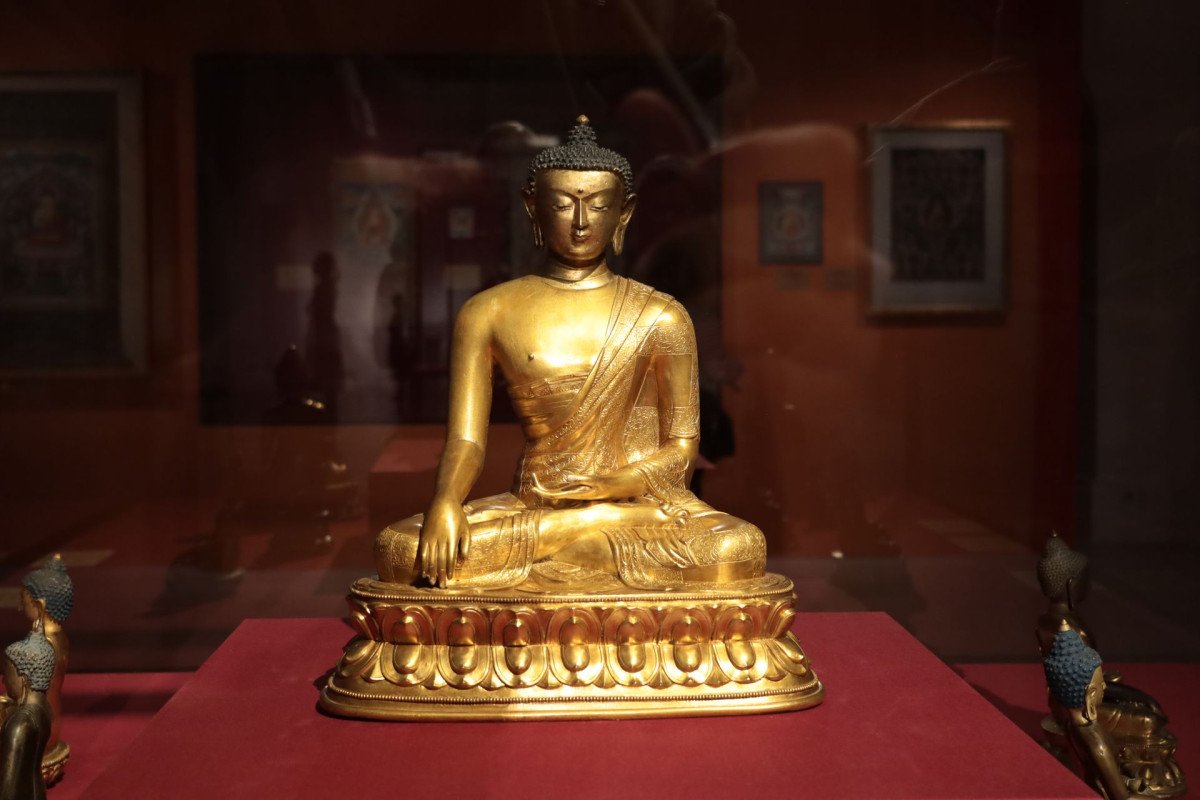
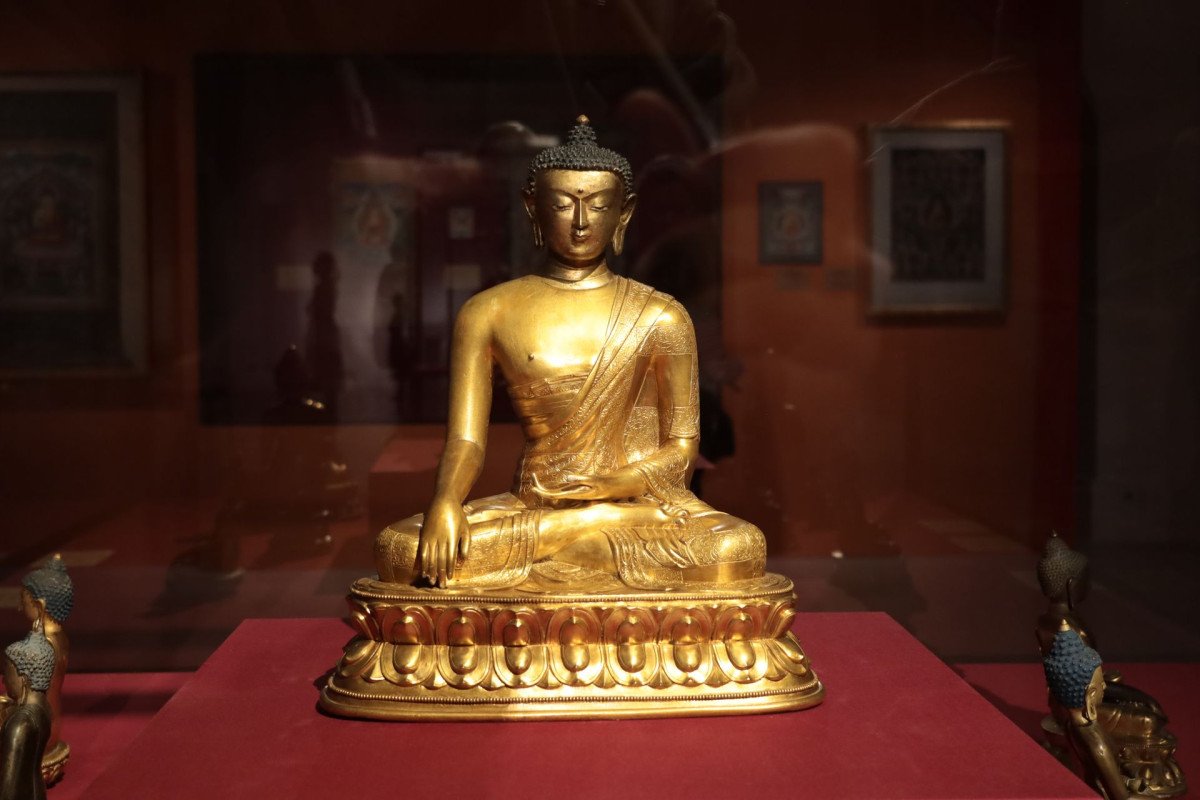
The Pilak Sculptures Gallery: Excellent lighting and placement make the ancient sculptures perfect for high-detail, artifact-focused photography.
Exterior Palace View: The museum exit leads into the gardens, offering fantastic perspectives o...The Pilak Sculptures Gallery: Excellent lighting and placement make the ancient sculptures perfect for high-detail, artifact-focused photography.
Exterior Palace View: The museum exit leads into the gardens, offering fantastic perspectives of the Ujjayanta Palace structure that houses the collection.
Tribal Dioramas: The life-size dioramas in the ethnographic section provide colorful, structured compositions for cultural photography.Photo Gallery
Things To Do
-
Guided Tour: Request a guided tour to gain deeper insights into the archaeological significance of the exhibits.
Art Study: Dedicate time to the gallery showcasing oil paintings, portraits, and sketches of the Tripuri royalty.
Tribal Culture Exploration: Study the traditional houses and artifacts of the 19 major tribal groups of Tripura.
Photography (Exterior): Step outside to capture the palace architecture and gardens before or after the museum visit.
Read Inscriptions: Focus on the stone and copper plate inscriptions for direct historical evidence.
Souvenir Shopping: Look for museum-approved books and educational souvenirs at the counter.
Relaxation Break: Tak...Guided Tour: Request a guided tour to gain deeper insights into the archaeological significance of the exhibits.
Art Study: Dedicate time to the gallery showcasing oil paintings, portraits, and sketches of the Tripuri royalty.
Tribal Culture Exploration: Study the traditional houses and artifacts of the 19 major tribal groups of Tripura.
Photography (Exterior): Step outside to capture the palace architecture and gardens before or after the museum visit.
Read Inscriptions: Focus on the stone and copper plate inscriptions for direct historical evidence.
Souvenir Shopping: Look for museum-approved books and educational souvenirs at the counter.
Relaxation Break: Take a quick break in the serene palace gardens between exploring the two floors of the museum.
Information
-
Why Famous:
Preserver of Pilak Heritage: It holds the most exquisite collection of sculptures and artifacts excavated from the ancient site of Pilak, which vividly illustrates the confluence of Buddhist and Hindu cultures in the region.
Largest in Northeast...Preserver of Pilak Heritage: It holds the most exquisite collection of sculptures and artifacts excavated from the ancient site of Pilak, which vividly illustrates the confluence of Buddhist and Hindu cultures in the region.
Largest in Northeast: It is celebrated as the largest museum in Northeast India with a national perspective, giving it immense regional significance. -
Architecture:
Museum within a Palace: The architecture is defined by the magnificent Indo-Saracenic style of the hosting Ujjayanta Palace. The museum utilizes four large halls and the sprawling wings of the two-storied palace structure.
Gallery Layout: T...Museum within a Palace: The architecture is defined by the magnificent Indo-Saracenic style of the hosting Ujjayanta Palace. The museum utilizes four large halls and the sprawling wings of the two-storied palace structure.
Gallery Layout: The 22 display galleries are thoughtfully organized into themes, covering numismatics, archaeology, ethnography, and painting. The layout facilitates a chronological and thematic understanding of Tripura's history.
Dimension: The museum's collections include over 1,400 items, with 79 stone sculptures, 141 terracotta plaques, 774 coins, and 102 textile items. The immense space of the palace accommodates this large number of exhibits, making it the biggest museum of its kind in the North-East. -
How To Reach:
By Air: Fly to Maharaja Bir Bikram Airport (IXA), then take a taxi (12 km) to the Ujjayanta Palace compound.
By Train: Arrive at Agartala Railway Station (AGTL), and take an auto-rickshaw (6 km) directly to the palace.
Read MoreBy Air: Fly to Maharaja Bir Bikram Airport (IXA), then take a taxi (12 km) to the Ujjayanta Palace compound.
By Train: Arrive at Agartala Railway Station (AGTL), and take an auto-rickshaw (6 km) directly to the palace.
By Road: The museum is in the city center; use local city buses or an auto-rickshaw from any part of Agartala.
By Local Transport: The palace area is a central hub, easily reached by cycle rickshaw for a short, eco-friendly trip, or by app-based ride services.Weather and Best Time to Visit:
Winter (October - March): Excellent conditions to explore the outdoor palace grounds and the cultural exhibits in comfort.
Dry Hours of Day: Post-lunch (2:00 PM to 4:30 PM) is ideal for focused gallery time away from the initial crowds. ...Winter (October - March): Excellent conditions to explore the outdoor palace grounds and the cultural exhibits in comfort.
Dry Hours of Day: Post-lunch (2:00 PM to 4:30 PM) is ideal for focused gallery time away from the initial crowds.Near Tourist Places:
Ujjayanta Palace (Palace itself, 0 km), Jagannath Temple (0. 1 km), Nehru Park (2 km), Rabindra Kanan (2 km), Gedu Mia's Mosque (3 km), Sukanta Academy (1 km), State's Highest National Flag (1 km), Heritage Park (4. 5 km), Benuban Vihar (5 km), Kunjaban Palace (4 km).Tourism Tips
-
Health & safety: Keep your belongings secure in the cloakroom, as large bags are not allowed inside the galleries.
Packing: Carry a notepad for taking notes on the exhibits, as photography might be restricted.
A...Health & safety: Keep your belongings secure in the cloakroom, as large bags are not allowed inside the galleries.
Packing: Carry a notepad for taking notes on the exhibits, as photography might be restricted.
Accommodation: Numerous hotels are available near the palace and Hari Ganga Basak Road.
Other: Be respectful of the exhibits; do not touch the ancient artifacts.
Reviews
FAQs
Agartala Itineray And Cost:-
Tripura Government Museum Tourism:-
Other Places In Agartala :-
Other States In India :-
Information about New and Updated Locations() of Tripura Has Been Added :-
Card subtitle
Note:-
Information provided here in good Faith and for reference only.
Near Places

Abhoynagar Park
Some quick example text to build on the card title and make up the bulk of the card's content.
Go somewhere
Agartala City Center
Some quick example text to build on the card title and make up the bulk of the card's content.
Go somewhere
Akhaura Integrated Check Post
Some quick example text to build on the card title and make up the bulk of the card's content.
Go somewhere
Benu Vana Buddha Vihar
Some quick example text to build on the card title and make up the bulk of the card's content.
Go somewhere
Chaturdash Devta Temple
Some quick example text to build on the card title and make up the bulk of the card's content.
Go somewhere
Chaturdasha Temple
Some quick example text to build on the card title and make up the bulk of the card's content.
Go somewhere
Chhontila View Point
Some quick example text to build on the card title and make up the bulk of the card's content.
Go somewhere
City Centre
Some quick example text to build on the card title and make up the bulk of the card's content.
Go somewhere
Durgabari Tea Garden
Some quick example text to build on the card title and make up the bulk of the card's content.
Go somewhere
Gedu Mia Maszid
Some quick example text to build on the card title and make up the bulk of the card's content.
Go somewhere
Gedu Mian Mosque
Some quick example text to build on the card title and make up the bulk of the card's content.
Go somewhere
Gomati River View Point
Some quick example text to build on the card title and make up the bulk of the card's content.
Go somewhere
Gorkha Basti Lake
Some quick example text to build on the card title and make up the bulk of the card's content.
Go somewhere
Gspot View Point
Some quick example text to build on the card title and make up the bulk of the card's content.
Go somewhere
Heritage Park
Some quick example text to build on the card title and make up the bulk of the card's content.
Go somewhere
ISKCON Math
Some quick example text to build on the card title and make up the bulk of the card's content.
Go somewherein Other Cities