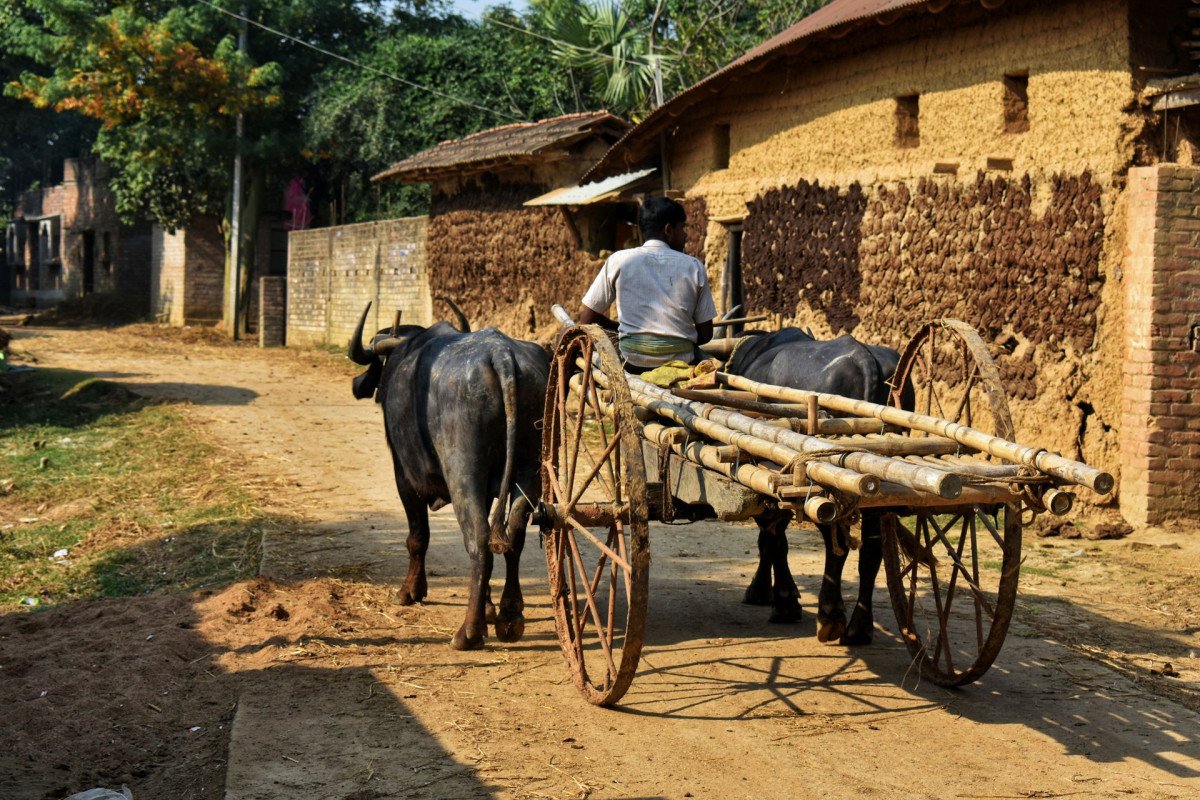
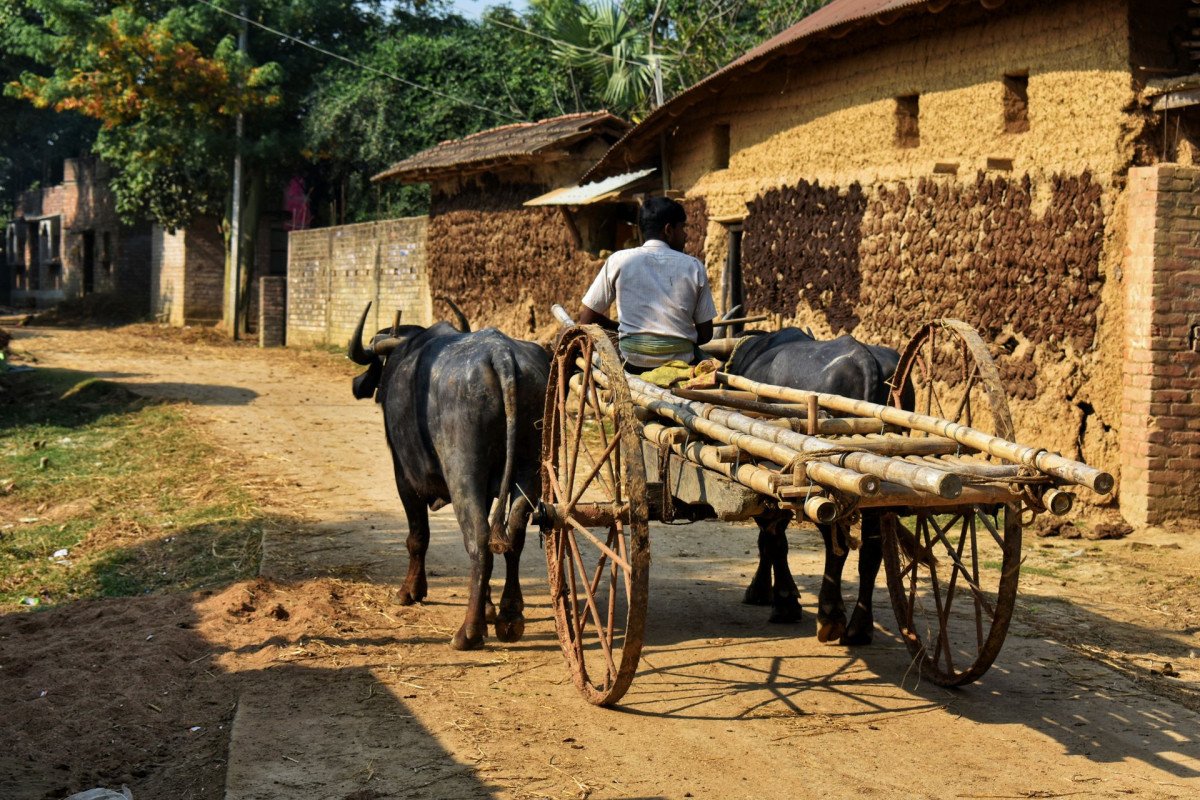
Vokngayar Hoomi Village
General information
-
Ideal Duration:
2 Days/1 Night (for a full cultural immersion/homestay experience)Place Type:
Authentic Cultural Village, Eco-Tourism, HomestayEntry Fees:
Homestay and Cultural Package Fee: There is No General Entry Fee to the village itself, as it is a residential area. The primary cost is the all-inclusive Homestay Fee, which typically ranges from Rs.1500 - Rs.2500 per person per night, covering accommodation, three traditional...Homestay and Cultural Package Fee: There is No General Entry Fee to the village itself, as it is a residential area. The primary cost is the all-inclusive Homestay Fee, which typically ranges from Rs.1500 - Rs.2500 per person per night, covering accommodation, three traditional Naga meals, and basic guided interaction/village tours.
Guide and Cultural Lesson Charges: Hiring a local guide for a cultural heritage walk or a forest healing walk is a separate cost (approx. Rs.500 per day) or is bundled into the homestay package.
Photography/Filming Permits: Large-scale commercial photography or filming requires a special village council permit and a fee (variable, usually Rs.2000+), ensuring respect for local privacy and culture.
:Timing:
Regular Timings: The village is a residential area, accessible 24/7. Homestay check-in is typically after 1:00 PM, and check-out is before 11:00 AM.
Mealtimes are strictly traditional: Breakfast (7:30 AM), Lunch (1:00 PM), Dinner (7:00 PM)....Regular Timings: The village is a residential area, accessible 24/7. Homestay check-in is typically after 1:00 PM, and check-out is before 11:00 AM.
Mealtimes are strictly traditional: Breakfast (7:30 AM), Lunch (1:00 PM), Dinner (7:00 PM).
Ideal Visit Time: The best time for cultural interaction (weaving, farm visits) is the late morning (9:00 AM to 12:00 PM). Evenings are reserved for community gathering and storytelling around the fire.
Quiet Hours: Respectful quiet hours are observed from 9:30 PM to 6:00 AM.
:Special Events:
Luira Festival (February/March): The traditional Tangkhul Seed Sowing Festival, celebrated with great fervor, involving traditional dances, rituals for a good harvest, community feasting, and indigenous sports, giving visitors a deep look into the agrarian calendar.
...Luira Festival (February/March): The traditional Tangkhul Seed Sowing Festival, celebrated with great fervor, involving traditional dances, rituals for a good harvest, community feasting, and indigenous sports, giving visitors a deep look into the agrarian calendar.
Village Peace Conventions (Seasonal): The "Peace Camp" often hosts significant inter-village or regional peace and reconciliation summits, which, while serious, sometimes include cultural performances and feasting open to visitors.
:Best Photo Spots:
Traditional House Fronts: The heavily carved wooden and stone house fronts (Fashal) are the best spots for cultural photography, capturing the intricate symbolism and artistry of the traditional Tangkhul architecture.
The Ancient Monoliths: ...Traditional House Fronts: The heavily carved wooden and stone house fronts (Fashal) are the best spots for cultural photography, capturing the intricate symbolism and artistry of the traditional Tangkhul architecture.
The Ancient Monoliths: The standing stone monoliths in the village center, often moss-covered, provide a powerful, timeless setting for landscape and historical photography, best shot in the early morning light.
The Homestay Experience: Candid shots of daily life, such as women weaving on the loom, families cooking together, or children playing in the courtyards, offer rich, authentic documentary material.
Peace Camp Viewpoint: The elevated location of the Peace Camp offers a serene, elevated view of the entire village cluster and the surrounding pristine forest, ideal for wide-angle panoramic shots. (Approx.
) :Photo Gallery
Things To Do
-
Stay in a Traditional Homestay: The main activity is to book a night or two in a village homestay to experience a traditional Tangkhul welcome, sleeping in an authentic wooden house and sharing meals with a local family.
Learn Naga Cooking: Participate in a cooking lesson focused on indigenous dishes like Awoshi (pork with yam leaves) or Chakhao (black rice) preparations, including the art of using the fiery U-Morok chilli.
Visit the Ancient Monoliths: Take a guided walk to the historic stone monoliths, where a local elder can explain the significance of the carvings and their place in the village's ancestral history.
Attend a Local Church Service: Since the majority of the villagers are Christian, attending a Sunday service offers a unique cultural experience to...Stay in a Traditional Homestay: The main activity is to book a night or two in a village homestay to experience a traditional Tangkhul welcome, sleeping in an authentic wooden house and sharing meals with a local family.
Learn Naga Cooking: Participate in a cooking lesson focused on indigenous dishes like Awoshi (pork with yam leaves) or Chakhao (black rice) preparations, including the art of using the fiery U-Morok chilli.
Visit the Ancient Monoliths: Take a guided walk to the historic stone monoliths, where a local elder can explain the significance of the carvings and their place in the village's ancestral history.
Attend a Local Church Service: Since the majority of the villagers are Christian, attending a Sunday service offers a unique cultural experience to witness the blend of traditional music with modern worship.
Participate in a Jhum Farming Demonstration: If visiting during the planting or harvesting season, villagers often demonstrate the traditional shifting cultivation (Jhum) techniques used in the area.
Hike to the Peace Camp: Visit the designated "Peace Camp" site, a scenic area often used for community gatherings and quiet reflection, usually located on an elevated platform with good views.
Weaving and Handicraft Demonstration: Observe and learn the process of traditional bamboo basket weaving (Sopkai, Pengkai) or the intricate process of hand-weaving textiles on the loom.
Explore the Village Forest: Join a local youth for a guided walk through the surrounding community forest, learning about sustainable resource use, medicinal plants, and local flora/fauna.
Listen to Folk Tales by the Fireside: The best evening activity is gathering around a fire with the host family, listening to traditional Tangkhul folklore and historical accounts.
Try Archery and Local Games: Participate in traditional Naga games like indigenous archery or wrestling (Khabra) if the youth are practicing on the community grounds.
Learn Basic Tangkhul Phrases: Engage in simple language exchange with the host family, picking up useful and respectful local phrases to enhance your interaction.
Documentary Photography: The village, with its traditional houses and daily life, offers rich opportunities for documentary-style photography that captures the essence of Naga life.
:
Information
-
Why Famous:
Authentic Cultural Immersion Experience: Vokngayar Hoomi Village is famous for its preserved Tangkhul culture and its genuine approach to community-based eco-tourism. It’s highly rated for its traditional homestays, where visitors experience the real Naga way of life, inc...Authentic Cultural Immersion Experience: Vokngayar Hoomi Village is famous for its preserved Tangkhul culture and its genuine approach to community-based eco-tourism. It’s highly rated for its traditional homestays, where visitors experience the real Naga way of life, including participation in organic farming and learning the local dialect. This authenticity sets it apart from typical tourist spots. The village is also noted for its historic stone monoliths, which are rare markers of the tribe's past socio-cultural achievements.
Peace and Tranquility Hub: The village’s 'Peace Camp' is a known site for hosting peace conventions, youth leadership summits, and inter-village gatherings, emphasizing the region's strong commitment to communal harmony and social development. Its remote and peaceful setting makes it a sanctuary for those seeking a break from urban life. The villagers are experts in local herbal medicine and traditional craftsmanship.
: -
Architecture:
Traditional Tangkhul Housing and Stone Craftsmanship: The architecture is strictly traditional, showcasing the pristine building methods of the Tangkhul Naga tribe. Houses are built on raised wooden or stone platforms to protect against dampness and animals. The structures feature thick walls made...Traditional Tangkhul Housing and Stone Craftsmanship: The architecture is strictly traditional, showcasing the pristine building methods of the Tangkhul Naga tribe. Houses are built on raised wooden or stone platforms to protect against dampness and animals. The structures feature thick walls made of horizontally laid timber planks or mud-and-bamboo daub, topped with steeply pitched roofs made of thatch or modern CGI sheets. The most significant feature is the elaborate use of carved wooden and stone elements on the house front (Fashal), including symbolic horns, figures, and historical motifs, signifying the owner's wealth or lineage. The village also features large, ancient community stone monoliths (Monolith Dimension: average Height of 2. 5 meters, Width of 1 meter) erected during ancestral feasts of merit. The "Peace Camp" often utilizes a large, open-air wooden amphitheater for gatherings (Amphitheater Diameter: approx. 30 meters).
Sustainable and Organic Building Practices: The structures are built with an organic understanding of the local climate and materials, relying heavily on durable local wood (pine, oak) and fieldstone, ensuring longevity and minimal environmental impact.
: -
How To Reach:
By Air: Nearest is Imphal International Airport (IMF). From the airport, take a taxi or shared sumo to Ukhrul town. From Ukhrul town, Vokngayar Hoomi Village requires hiring a dedicated taxi due to its remote location (25 KMS) off the main road, on the Ukhrul-Jessami route...By Air: Nearest is Imphal International Airport (IMF). From the airport, take a taxi or shared sumo to Ukhrul town. From Ukhrul town, Vokngayar Hoomi Village requires hiring a dedicated taxi due to its remote location (25 KMS) off the main road, on the Ukhrul-Jessami route.
By Train: Nearest is Dimapur Railway Station (DMV). Travel via road to Ukhrul town. From Ukhrul, secure a dedicated vehicle for the final leg.
By Road: Shared transport from Imphal to Ukhrul is the first step. From Ukhrul town, pre-arrange a local cab to Huime Village (where Vokngayar Hoomi is located). This journey takes approximately 1. 5 hours and can be expensive (approx. Rs.1500 - Rs.2000 for a round trip). Shared sumos on the Jessami route may drop you at the main junction, but the village requires a short hike or a local connection.
By Local Transport: Due to its distance and being off the major tourist routes, relying on pre-arranged local transport (hired through your homestay host or a trusted town taxi service) is the only reliable option. Do not rely on finding a shared taxi on the final leg. Confirm the route and vehicle readiness for rough mountain roads beforehand.
: -
Weather and Best Time to Visit:
Different Types of Seasons: The Dry and Cold Winter (November to February) is the best time for a homestay, offering a cozy experience around the fire and clear skies, with temperatures from 5°C - 15°C. The Pre-Monsoon period (March and April) is also excellent, especiall...Different Types of Seasons: The Dry and Cold Winter (November to February) is the best time for a homestay, offering a cozy experience around the fire and clear skies, with temperatures from 5°C - 15°C. The Pre-Monsoon period (March and April) is also excellent, especially around the Luira festival, when the weather is warm and pleasant. The monsoon makes the access roads very difficult.
Different Parts of the Day: Morning (8:00 AM - 1:00 PM) is the best time for village walks, farming demonstrations, and monolith visits. Evenings (6:00 PM onwards) are the best for cultural immersion, storytelling, and sharing traditional meals with the host family.
: -
Near Tourist Places:
1. Huime Village Center (0 KMS, local market). 2. Paorei Village (10 KMS, traditional village). 3. Jessami Border Town (50 KMS, Indo-Myanmar border). 4. Vokngayar Peace Camp (0. 5 KMS, local landmark). 5. Kachouphung Lake (15 KMS, natural lake). 6. Pareshi Village (20 KMS, scenic drive). 7. Shirui Base (35 KMS, trek start - distant). 8. Khayang Peak (40 KMS, highest peak). 9. Zero Point (28 KMS, scenic halt). 10. Naoe Tushen Chanhong (30 KMS, another Tangkhul village).
Tourism Tips
-
Health & safety: Be prepared for a remote setting. The local food is mostly organic and safe, but drink only filtered or boiled water provided by the host family. Carry basic medication for common ailments.
Packing: Bring a small gift for ...Health & safety: Be prepared for a remote setting. The local food is mostly organic and safe, but drink only filtered or boiled water provided by the host family. Carry basic medication for common ailments.
Packing: Bring a small gift for the host family (e. g. , small stationery for children, dry snacks). Pack warm clothing for cold winter nights and a high-quality mosquito net if traveling during the monsoon.
Accommodation: The only recommended option is to pre-book a local community-run homestay for a true cultural experience; there are no commercial hotels. Book well in advance, especially during festival times.
Other Different Topics: Respect local customs, especially regarding traditional dress and behavior around sacred sites (monoliths). Always ask for permission before taking close-up photos of people or their houses. Do not offer large cash tips; a sincere small gift or buying handicrafts is better appreciated.
:
Reviews
FAQs
Ukhrul Itineray And Cost:-
Vokngayar Hoomi Village Tourism:-
Other Places In Ukhrul :-
Other States In India :-
Information about New and Updated Locations() of Manipur Has Been Added :-
Card subtitle
Note:-
Information provided here in good Faith and for reference only.
Near Places

Ango Ching
Some quick example text to build on the card title and make up the bulk of the card's content.
Go somewhere
Azoa Jenephiu Magi Lake
Some quick example text to build on the card title and make up the bulk of the card's content.
Go somewhere
Dilily Falls
Some quick example text to build on the card title and make up the bulk of the card's content.
Go somewhere
Duncan Park
Some quick example text to build on the card title and make up the bulk of the card's content.
Go somewhere
El Shaddai Park
Some quick example text to build on the card title and make up the bulk of the card's content.
Go somewhere
Hung Dung Manga Cave
Some quick example text to build on the card title and make up the bulk of the card's content.
Go somewhere
Island View Point
Some quick example text to build on the card title and make up the bulk of the card's content.
Go somewhere
Kachou Phung Lake
Some quick example text to build on the card title and make up the bulk of the card's content.
Go somewhere
Khangkhui Mangsor Cave
Some quick example text to build on the card title and make up the bulk of the card's content.
Go somewhere
Khayang Peak
Some quick example text to build on the card title and make up the bulk of the card's content.
Go somewhere
Khayang Waterfalls
Some quick example text to build on the card title and make up the bulk of the card's content.
Go somewhere
Khongjaingamba Ching Wildlife Sanctuary
Some quick example text to build on the card title and make up the bulk of the card's content.
Go somewhere
Kuinao Phung
Some quick example text to build on the card title and make up the bulk of the card's content.
Go somewhere
Lairok Maru Peak
Some quick example text to build on the card title and make up the bulk of the card's content.
Go somewhere
Lairok Maru
Some quick example text to build on the card title and make up the bulk of the card's content.
Go somewhere
Lunghar Sihai Phangrei
Some quick example text to build on the card title and make up the bulk of the card's content.
Go somewherein Other Cities