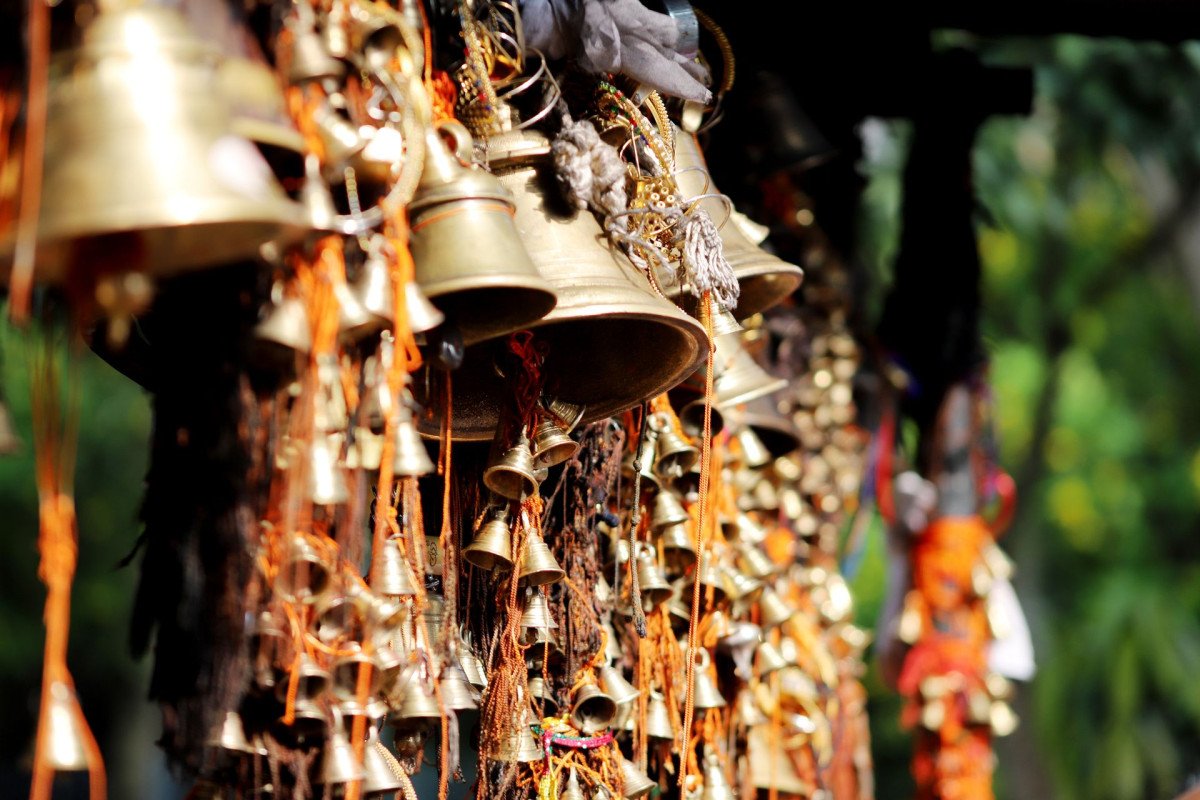
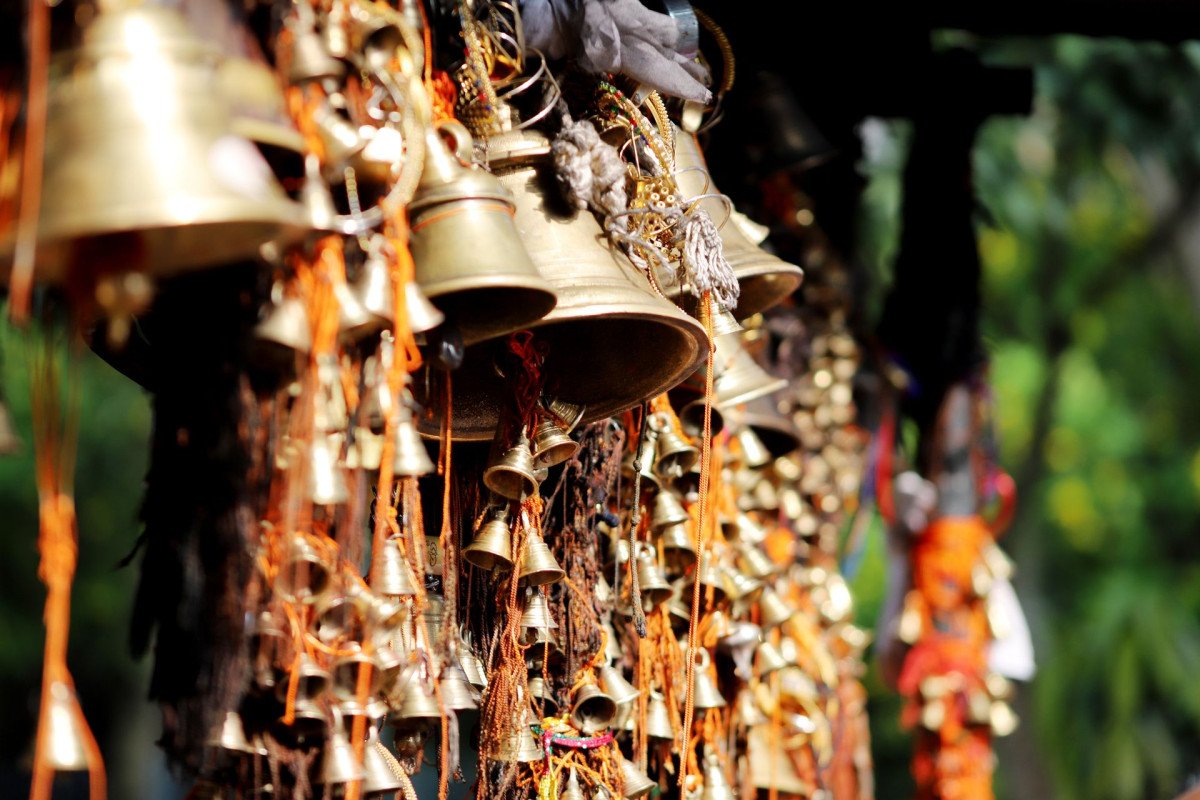
Aditya Temple
General information
-
Ideal Duration:
1-2 hours:Place Type:
Hindu Temple/Pilgrimage Site:Entry Fees:
Waiver of Fees for Worship: As a functioning temple and significant place of worship, there are typically No Official Entry Fees for pilgrims and general visitors:
Donation is Voluntary: Devotees are encouraged to offer voluntary donations to...Waiver of Fees for Worship: As a functioning temple and significant place of worship, there are typically No Official Entry Fees for pilgrims and general visitors:
Donation is Voluntary: Devotees are encouraged to offer voluntary donations towards the upkeep of the temple, which is entirely at their discretion and faith-based:
Photography Charges: There are usually No Separate Charges for photography for personal use, though professional/commercial photography may require prior permission:
Parking Fees: A nominal fee might be charged for parking a private vehicle by local communities if a designated parking area is managed. :Timing:
Regular Timings: 06:00 AM to 07:00 PM (Typically follows sunrise to sunset, with variation for Pooja timings):
Ideal Visit Time: Early morning (06:00 AM to 09:00 AM) for peaceful prayers, clear views, and to witness the morning Aarti:
...Regular Timings: 06:00 AM to 07:00 PM (Typically follows sunrise to sunset, with variation for Pooja timings):
Ideal Visit Time: Early morning (06:00 AM to 09:00 AM) for peaceful prayers, clear views, and to witness the morning Aarti:
Special Festival Timings: During Surya Sasti or Shivaratri, the temple might remain open all night for special rituals and ceremonies. :Special Events:
The Surya Sasti Mela/Festival: The primary special event is the three-day Surya Sasti fair, held annually in August or September, which involves special worship ceremonies for Surya Devta and Lord Shiva, accompanied by local folk music, dance, and a community gathering:
<...The Surya Sasti Mela/Festival: The primary special event is the three-day Surya Sasti fair, held annually in August or September, which involves special worship ceremonies for Surya Devta and Lord Shiva, accompanied by local folk music, dance, and a community gathering:
Shivaratri Celebrations: Like all Shiva temples, Maha Shivaratri in February/March is celebrated with great zeal, including all-night prayers (Jagran) and continuous chanting of hymns. :Best Photo Spots:
The Main Temple Courtyard: Capture the unique Shivaditya architecture and the ancient stone carvings with the backdrop of the majestic Himalayas on a clear day:
Sunrise from the Hilltop: The best photo opportunity is the clear, crisp sunrise ...The Main Temple Courtyard: Capture the unique Shivaditya architecture and the ancient stone carvings with the backdrop of the majestic Himalayas on a clear day:
Sunrise from the Hilltop: The best photo opportunity is the clear, crisp sunrise illuminating the temple complex and the surrounding Ramak valley:
The Festival Crowd: If you visit during Surya Sasti, the colorful gathering of pilgrims, their traditional attire, and the festive decorations offer vibrant cultural photography subjects:
The Shivalinga and Idol: A respectful close-up shot of the main sanctum (if permitted) capturing the dual presence of the deities. :Photo Gallery
Things To Do
-
Participate in Aarti and Pooja: Attend the morning or evening Aarti to fully immerse yourself in the spiritual atmosphere and witness the ancient rituals dedicated to Shivaditya:
Nature Photography and Hiking: The temple is surrounded by rich forests and hills; take a short, easy hike around the premises to capture the spectacular views and the local flora and fauna:
Connect with Local Culture: Visit the nearby Ramak village to interact with the Kumaoni people, learn about their traditions, and try authentic local cuisine:
Meditation and Solace: Use the peaceful, remote location for quiet introspection, meditation, and seeking spiritual calm away from the noise of city temples:
Attend the Festival: If your trip aligns with August/Se...Participate in Aarti and Pooja: Attend the morning or evening Aarti to fully immerse yourself in the spiritual atmosphere and witness the ancient rituals dedicated to Shivaditya:
Nature Photography and Hiking: The temple is surrounded by rich forests and hills; take a short, easy hike around the premises to capture the spectacular views and the local flora and fauna:
Connect with Local Culture: Visit the nearby Ramak village to interact with the Kumaoni people, learn about their traditions, and try authentic local cuisine:
Meditation and Solace: Use the peaceful, remote location for quiet introspection, meditation, and seeking spiritual calm away from the noise of city temples:
Attend the Festival: If your trip aligns with August/September, make sure to attend the three-day Surya Sasti fair for a unique cultural experience:
Visit the Naula: Inquire about any traditional water sources (Naulas) nearby that are still in use, as they are often associated with the temple's ancient history:
Stargazing: Due to its remote location and minimal light pollution, the area around Ramak offers incredible opportunities for night-time stargazing and astrophotography. :
Information
-
Why Famous:
Deity Uniqueness: It is one of the very few temples in the region dedicated to the combination of the Sun God Aditya and Lord Shiva (Shivaditya), making it religiously unique:
Historical Legacy: Being directly linked to the powerful Chand Dyn...Deity Uniqueness: It is one of the very few temples in the region dedicated to the combination of the Sun God Aditya and Lord Shiva (Shivaditya), making it religiously unique:
Historical Legacy: Being directly linked to the powerful Chand Dynasty and the legends of the Pandavas gives it a deep historical and mythical importance:
Festivity Focus: The temple is particularly famous for the annual Surya Shasti fair, a three-day festival held in August/September, which draws a massive crowd of pilgrims from afar:
Spiritual Retreat: Its remote and peaceful location in the hills makes it famous as a spiritual retreat and a place for seeking divine blessings and calm contemplation. : -
Architecture:
Style and Material: The temple displays a simple yet elegant regional Nagara-style influence, typical of the Kumaon temples, built primarily with local cut stone:
Sanctum Structure: The main shrine houses the dual deity, Shiva (as the Shivali...Style and Material: The temple displays a simple yet elegant regional Nagara-style influence, typical of the Kumaon temples, built primarily with local cut stone:
Sanctum Structure: The main shrine houses the dual deity, Shiva (as the Shivalinga) and Aditya (the Sun God), emphasizing its unique religious fusion:
Dimensions and Layout: While specific measurements are not widely published, the layout consists of a modest sanctum (Garbhagriha) and a small porch (Mandapa), fitting the typical small hill temple architecture:
Stone Craftsmanship: The structure showcases simple but sturdy stonework, signifying the lasting legacy of the Chand rulers' patronage of religious sites in the region. : -
How To Reach:
By Air: The nearest airport is Pantnagar Airport (PGH), approx. 200 KMs away; hire a direct taxi or take a bus from the airport to Champawat or Lohaghat, and then a local cab to Ramak:
By Train: The nearest major railway station is Tanakpur...By Air: The nearest airport is Pantnagar Airport (PGH), approx. 200 KMs away; hire a direct taxi or take a bus from the airport to Champawat or Lohaghat, and then a local cab to Ramak:
By Train: The nearest major railway station is Tanakpur Railway Station (TPU), approx. 110 KMs away. From Tanakpur, take a shared jeep or bus to Lohaghat, which is closer to Ramak village, and then a taxi:
By Road: Ramak is accessible via the well-maintained road network from Champawat (via Lohaghat); regular state transport buses and private taxis ply the route from major Kumaon towns like Haldwani and Pithoragarh:
By Local Transport: From the Champawat main market or Lohaghat, hire a local SUV/taxi; shared jeeps (Sumo/Bolero) are also available but check the final drop-off point, as the last kilometer might require a short walk. : -
Weather and Best Time to Visit:
Summer (March-June): Ideal Season for a visit; the weather is pleasantly cool, views are clear, and the overall journey is comfortable:
Monsoon (July-September): Can be challenging due to landslides, but the surroundings are intensely green;...Summer (March-June): Ideal Season for a visit; the weather is pleasantly cool, views are clear, and the overall journey is comfortable:
Monsoon (July-September): Can be challenging due to landslides, but the surroundings are intensely green; visit in late September to catch the Surya Sasti fair:
Winter (October-February): Excellent for clear, crisp Himalayan views, especially of the snow peaks, but the mornings and evenings are very cold;
late morning is the best part of the day to visit:
Different Parts of the Day: Sunrise time is the Best Time to visit for photography and a peaceful spiritual experience. : -
Near Tourist Places:
Lohaghat (20 KMs), Abbott Mount (41 KMs), Mayawati Ashram (25 KMs), Pithoragarh (73 KMs), Vanasur Ka Kila (25 KMs), Ek Hathiya Ka Naula (85 KMs), Devidhura (65 KMs), Tanakpur (110 KMs), Ritha Sahib (80 KMs), Baleshwar Temple (75 KMs):
Tourism Tips
-
Health & safety: Carry basic medication for altitude sickness and headaches; the nearest medical facility is far, so be prepared for minor ailments:
Packing: Pack layers of warm clothing, especially for early morning visits, as the mountain ...Health & safety: Carry basic medication for altitude sickness and headaches; the nearest medical facility is far, so be prepared for minor ailments:
Packing: Pack layers of warm clothing, especially for early morning visits, as the mountain weather can change rapidly;
bring comfortable walking shoes:
Accommodation: Accommodation is sparse in Ramak; it is best to stay in Lohaghat (20 KMs away) or Champawat and make a day trip:
Respect Local Customs: Dress modestly, remove your shoes before entering the temple, and maintain silence inside the sanctum to respect the local religious sentiments:
Photography Tip: Always ask for permission before taking photos of local people or inside the main temple area. :
Reviews
FAQs
Champawat Itineray And Cost:-
Other Places In Champawat :-
Other States In India :-
Information about New and Updated Locations() of Uttarakhand Has Been Added :-
Card subtitle
Note:-
Information provided here in good Faith and for reference only.
Near Places

Abbott Mount
Some quick example text to build on the card title and make up the bulk of the card's content.
Go somewhere
Aditya Temple
Some quick example text to build on the card title and make up the bulk of the card's content.
Go somewhere
Baleshwar Temple
Some quick example text to build on the card title and make up the bulk of the card's content.
Go somewhere
Banasur Ka Kila
Some quick example text to build on the card title and make up the bulk of the card's content.
Go somewhere
Banbasa Barrage
Some quick example text to build on the card title and make up the bulk of the card's content.
Go somewhere
Champawat View Point
Some quick example text to build on the card title and make up the bulk of the card's content.
Go somewhere
Devidhura Temple
Some quick example text to build on the card title and make up the bulk of the card's content.
Go somewhere
Dhankeshwar Rudrakund
Some quick example text to build on the card title and make up the bulk of the card's content.
Go somewhere
Ek Hathiya Ka Naula
Some quick example text to build on the card title and make up the bulk of the card's content.
Go somewhere
Gwal Devta Temple
Some quick example text to build on the card title and make up the bulk of the card's content.
Go somewhere
Henry Waterfall
Some quick example text to build on the card title and make up the bulk of the card's content.
Go somewhere
Kranteshwar Mahadev Temple
Some quick example text to build on the card title and make up the bulk of the card's content.
Go somewhere
Lohaghat Town
Some quick example text to build on the card title and make up the bulk of the card's content.
Go somewhere
Maunpokhari Himalaya Viewpoint
Some quick example text to build on the card title and make up the bulk of the card's content.
Go somewhere
Mayawati Ashram
Some quick example text to build on the card title and make up the bulk of the card's content.
Go somewhere
Meetha Reetha Sahib Gurdwara
Some quick example text to build on the card title and make up the bulk of the card's content.
Go somewherein Other Cities