Ajodhya Hills Dams & Bamni Falls
General information
-
Ideal Duration:
Full Day (6 to 8 hours) to cover all three spots.Place Type:
Nature, Adventure, Engineering Marvel, Viewpoint,Entry Fees:
Dam Area and Viewpoints: There is typically no direct entry fee for visiting the viewpoints of the Upper and Lower Dams, as they are public spaces surrounding a major infrastructure project. However, the local forest department or tourism board might charge a nominal fee fo...Dam Area and Viewpoints: There is typically no direct entry fee for visiting the viewpoints of the Upper and Lower Dams, as they are public spaces surrounding a major infrastructure project. However, the local forest department or tourism board might charge a nominal fee for vehicle entry or parking. This fee is generally modest, ranging from Rs. 20 to Rs. 50 per vehicle, depending on the type (car or bike). This small charge contributes to the cleanliness and basic upkeep of the surrounding tourist facilities.
Bamni Falls Trekking Fee: Access to Bamni Falls often involves a small charge for entry to the natural area, usually collected by the local forest committee or a tribal development body. This fee is generally between Rs. 10 to Rs. 30 per person and is used for maintaining the steep steps and paths leading to the base of the falls, which require constant maintenance due to rain and erosion. Hiring a guide is separate but highly recommended for the falls trek; guides usually charge around Rs. 500 for the round trip.
Commercial Photography Charges: Like other ASI or government-managed natural sites, professional photography, filming with commercial intent, or the use of heavy-duty equipment like large camera drones requires prior permission from the PPSP authorities or the District Administration. The corresponding fees can be substantial, often in the thousands of Indian Rupees. Amateurs with personal cameras and mobile phones are exempt from this commercial charge. Always check for updated rules at the local tourist reception center.Timing:
Regular Timings: The Ajodhya Hills dam areas and viewpoints are open from 6:00 AM to 6:00 PM. Although the entire hill is accessible 24 hours, visiting the designated viewpoints and the Bamni Falls during daylight hours is crucial for safety. The road from Baghmundi up to ...Regular Timings: The Ajodhya Hills dam areas and viewpoints are open from 6:00 AM to 6:00 PM. Although the entire hill is accessible 24 hours, visiting the designated viewpoints and the Bamni Falls during daylight hours is crucial for safety. The road from Baghmundi up to the plateau is generally safe but becomes risky after dark due to winding roads and lack of streetlights. Bamni Falls specifically should only be visited between 8:00 AM and 4:00 PM to allow ample time for the return trek.
Ideal Visit Time (The Coolest Hours): The most ideal time to visit the entire complex is the early morning (starting around 6:00 AM) in the Winter season (November to February). This ensures you catch the stunning sunrise over the Upper Dam, experience the coolest part of the day for the challenging trek down to Bamni Falls, and avoid the midday sun while traversing the exposed plateau. A morning start also allows you to complete the major spots before lunch.
Flow of Day: Start with the Upper Dam for sunrise, move to Bamni Falls before 10:00 AM to do the trek in the cool shade, and then spend the afternoon relaxing at the Lower Dam or visiting nearby spots like Pakhi Pahar or Sita Kunda. This efficient scheduling maximizes the comfort and scenic quality of the visit.Special Events:
Ajodhya Pahar Parikrama (Hill Circuit Festival): Periodically, the local administration or tribal councils organize a cultural festival or a large group trek that circles the hills, often referred to as the Ajodhya Pahar Parikrama. This usually happens in the Winter months,...Ajodhya Pahar Parikrama (Hill Circuit Festival): Periodically, the local administration or tribal councils organize a cultural festival or a large group trek that circles the hills, often referred to as the Ajodhya Pahar Parikrama. This usually happens in the Winter months, attracting thousands of trekkers and devotees. The event features mass cultural performances, including the famous Chhau Dance (since Charidah is nearby), local music, and tribal food stalls. It is a highly energetic and vibrant time to visit, showcasing the collective spirit and cultural richness of the region, although it will be crowded.
The Tusu Festival: While celebrated across Purulia, the Tusu festival, marking the harvest and occurring around Poush Sankranti (mid-January), is particularly vibrant in the tribal villages surrounding Ajodhya Hills. The festival involves folk songs, local dances, and the creation of small, colourful idols (Tusu) that are immersed in local water bodies. If you are in the area in January, you can experience the authentic, raw, and colourful folk traditions of Purulia, representing a deep cultural connection to the land and the harvest cycle.Best Photo Spots:
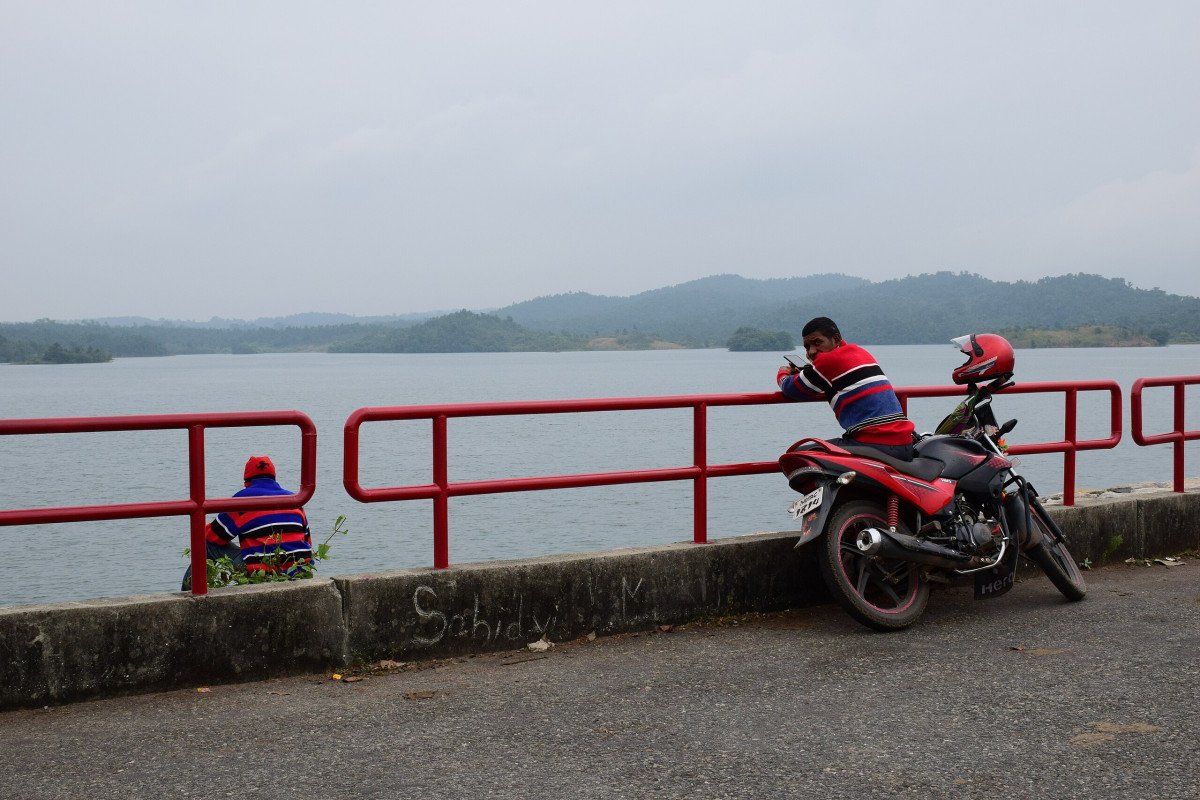
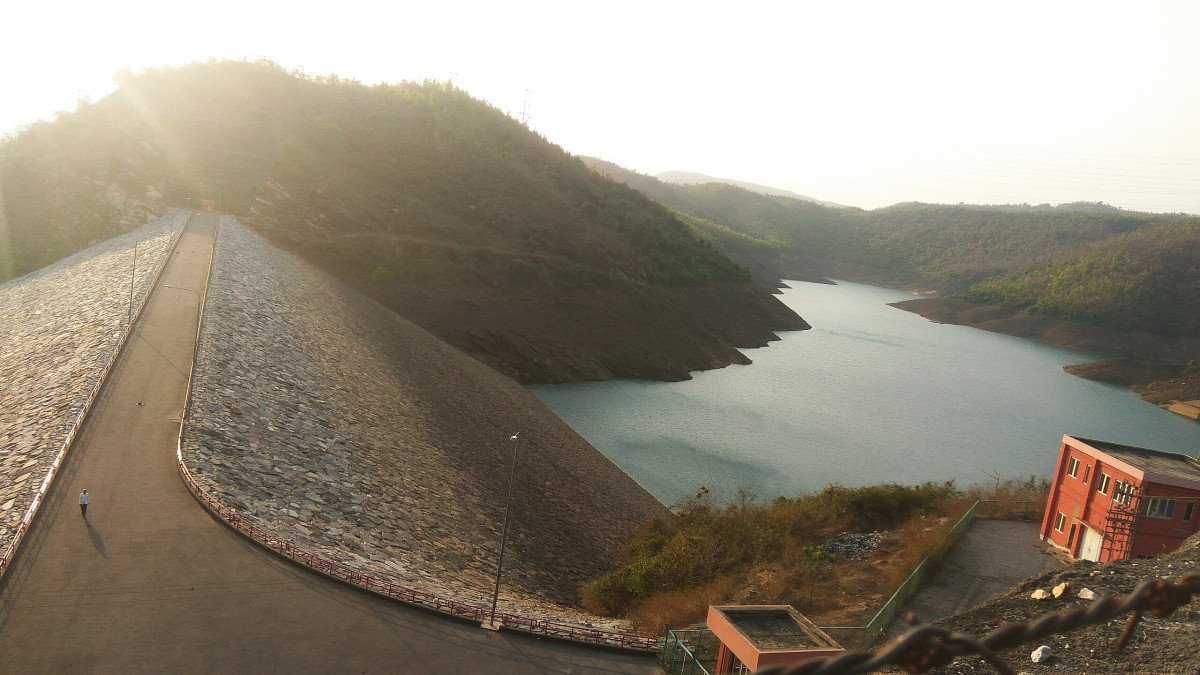
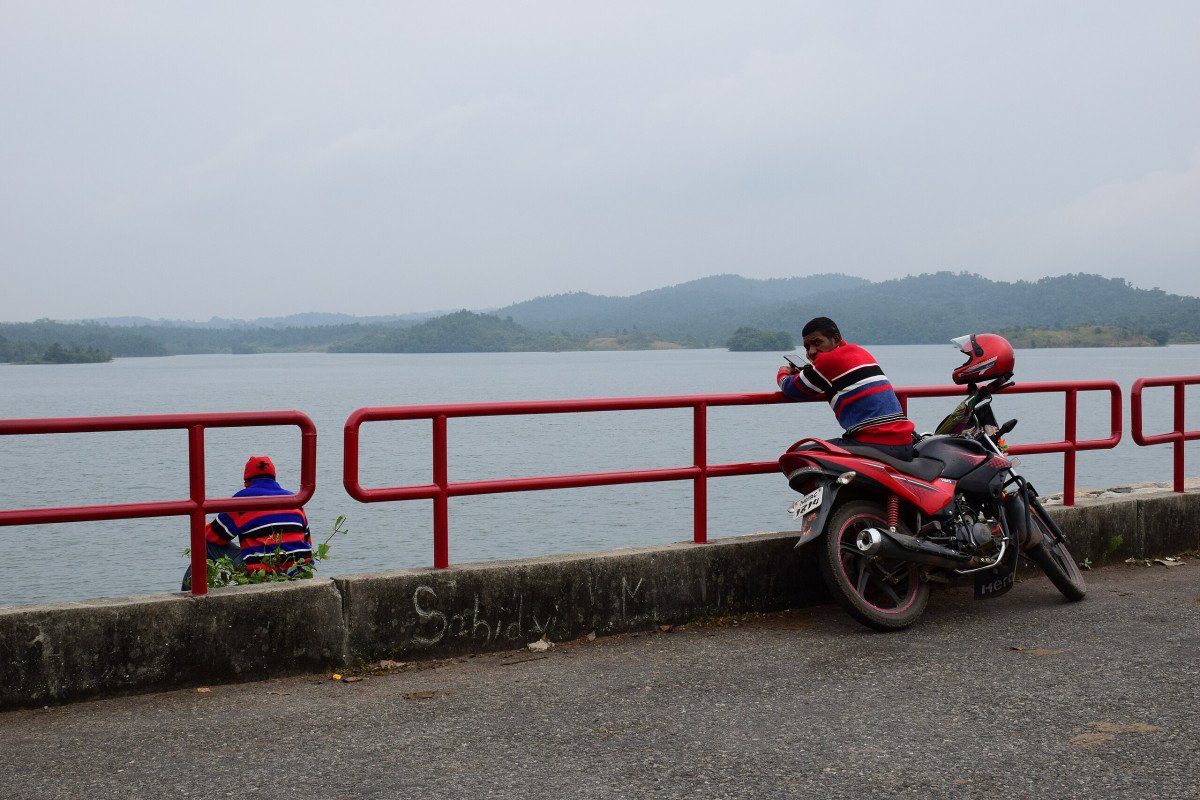
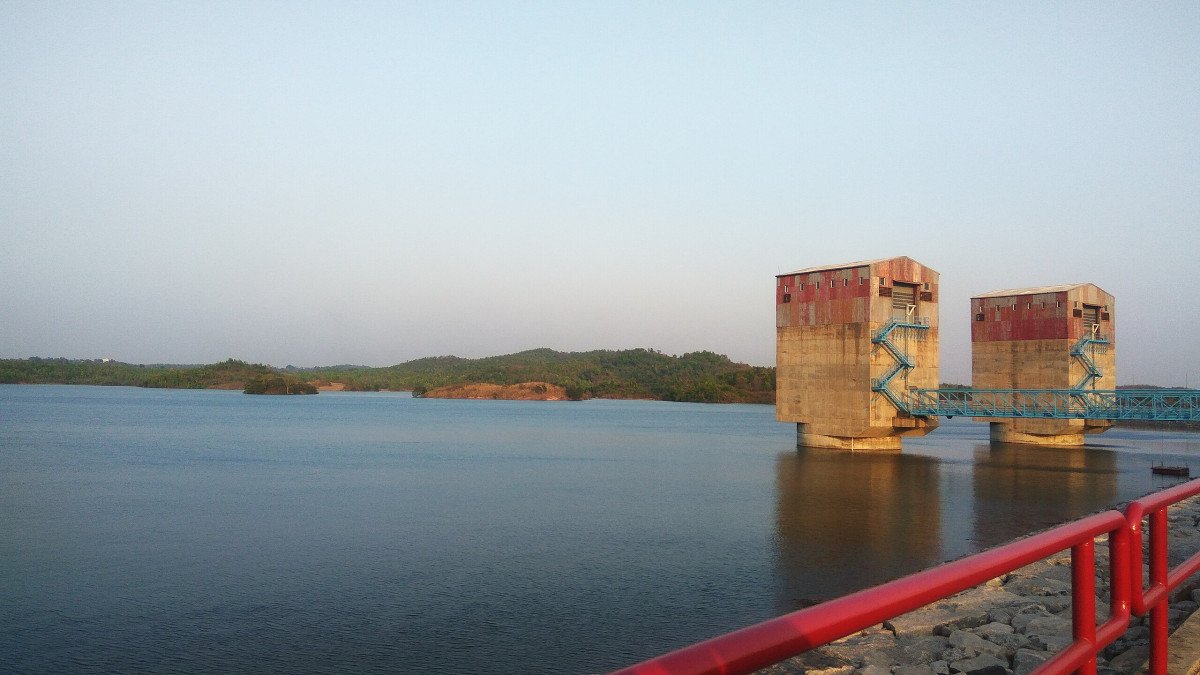
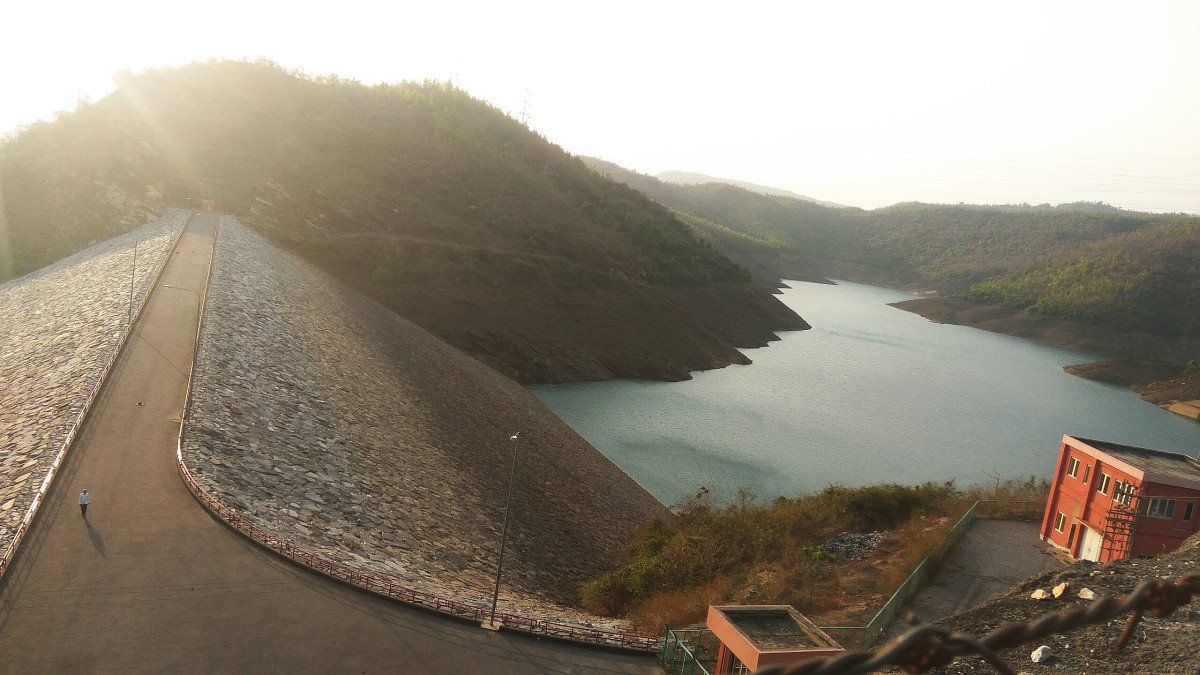
Upper Dam Viewpoint (The Grand Panorama): This is the quintessential photo spot. Find the highest accessible point near the Upper Dam to capture the vast, 180-degree panorama of the deep blue reservoir, framed by the undulating, red-hued Ajodhya Hills. The wide-angle persp...Upper Dam Viewpoint (The Grand Panorama): This is the quintessential photo spot. Find the highest accessible point near the Upper Dam to capture the vast, 180-degree panorama of the deep blue reservoir, framed by the undulating, red-hued Ajodhya Hills. The wide-angle perspective here emphasizes the massive scale of the water body and the engineering feat of the dam. It is the best spot for capturing the classic Purulia postcard shot, particularly effective at sunrise or sunset.
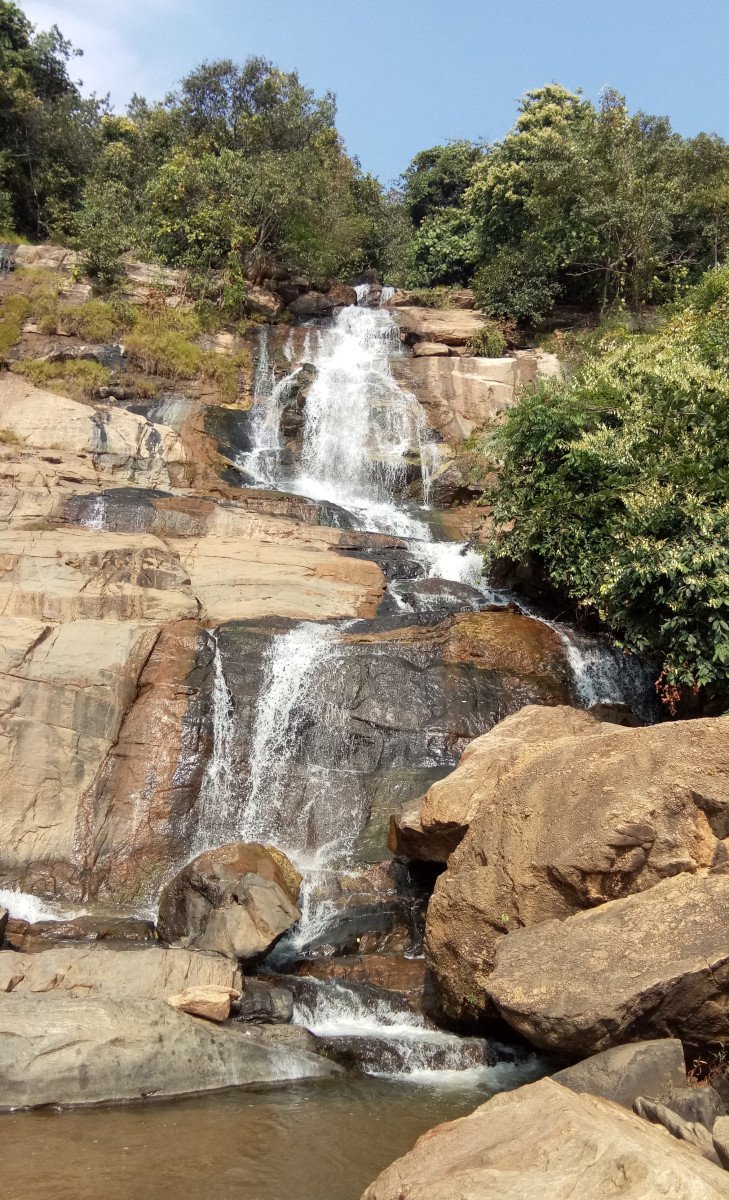
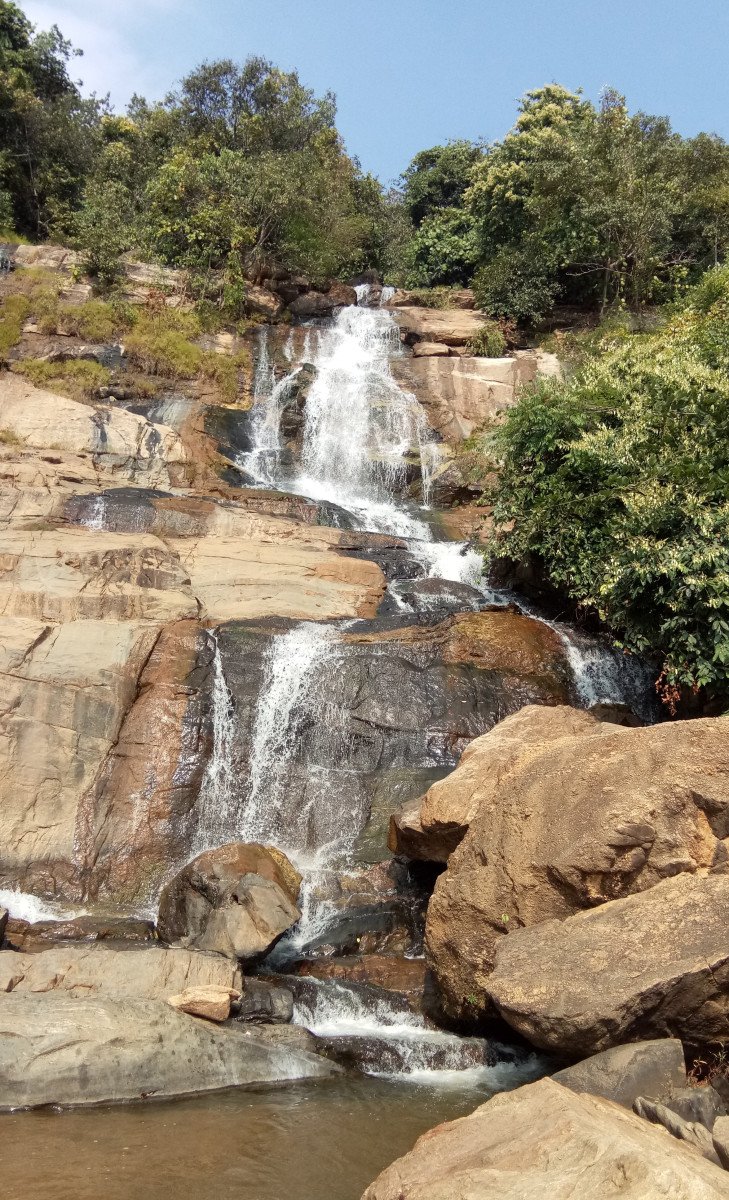
Bamni Falls' Base and Plunge Pool: The base of the falls offers a dramatic photographic opportunity. Use a slow shutter speed (if you have a tripod) to capture the silky, blurred motion of the water cascading over the mossy rocks, creating a sense of dynamic energy. Frame the falls against the lush green forest canopy to emphasize the contrast and seclusion. The cool, shaded environment provides excellent soft light for detailed close-ups of the water and rocks.
The Marble Lake/White Rock Quarry: For a unique, hidden-gem photograph, this spot is unmatched. The turquoise-blue water, reflecting the white/light-coloured quarry walls, creates a surreal, non-Indian landscape. Use the contrast between the dark vegetation and the bright water to create a striking image. This spot is excellent for abstract landscape photography and for capturing unique water colours not typically seen in the region.
The Road Bends (For Vehicle Shots): The winding roads leading up and down the Ajodhya Hills offer stunning photographic composition. Find a high-vantage point on a bend that allows you to photograph the road snaking through the dense Sal forest or overlooking the distant plains. This is perfect for capturing the essence of the journey itself, often including the red soil and scattered villages to provide a sense of place.Photo Gallery
Things To Do
-
Trekking to Bamni Falls and its Base: The essential activity in this area is the 1. 5 KM trek down to the base of Bamni Falls. The path is a mix of natural rock steps and concrete stairs, approximately 700 steps in total, and can be steep and challenging. Wear non-slip shoes and carry water. The reward is standing at the base, feeling the cool spray, and enjoying the roar of the water. Spend time exploring the small pools at the various tiers of the falls. Remember that the climb back up is tiring, so budget enough time and energy. Local guides are highly recommended for safety and to learn about the surrounding forest flora. The trek is particularly beautiful right after the monsoon when the water flow is maximum.
Panoramic Photography at Upper Dam Viewpoints: Dedicate time to capturing the spectacular views from the vari...
Information
-
Why Famous:
Stunning Panoramic Landscape: The Ajodhya Hills plateau is famous for its dramatic beauty. The vast, blue expanse of the Upper Dam reservoir, set against the backdrop of the red-hued Purulia hills, provides one of the most stunning, high-altitude landscape views in West Ben...Stunning Panoramic Landscape: The Ajodhya Hills plateau is famous for its dramatic beauty. The vast, blue expanse of the Upper Dam reservoir, set against the backdrop of the red-hued Purulia hills, provides one of the most stunning, high-altitude landscape views in West Bengal. This picturesque setting, easily accessible by road, is the primary draw for tourists and nature lovers, offering exceptional views that change dramatically with the seasons and the time of day. The sheer scale of the water body on the plateau is visually arresting.
The Engineering Marvel of PPSP: The twin dams are renowned as the site of the Purulia Pumped Storage Project (PPSP), a state-of-the-art hydro-electric power generation facility. The concept of pumping water uphill to the Upper Dam using off-peak electricity and then generating power by releasing it back to the Lower Dam during peak demand is a technological marvel. This functional fame attracts those interested in engineering, renewable energy, and large-scale infrastructure projects, giving the landscape a modern, technological significance alongside its natural beauty.
Adventure and Trekking Hub: The area is the hub for all adventure activities in Purulia. Bamni Falls itself is famous for the rewarding, moderate trek required to reach its base. Furthermore, the Ajodhya Hills offer numerous trails for hiking and rock climbing, drawing adventure tourists from across Eastern India. The mix of challenging terrains, spectacular views, and the cool forest climate makes it the premier destination for outdoor enthusiasts in the district. -
Architecture:
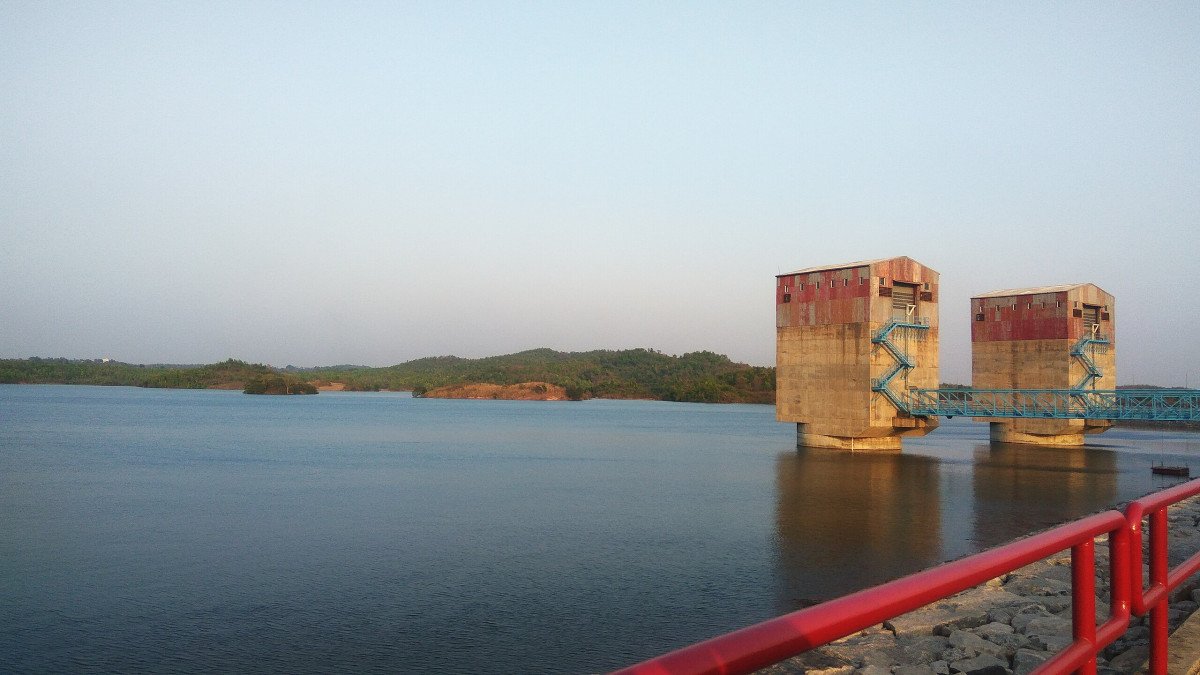
The Pumped Storage Dams (Functional Architecture): The architecture of the Upper and Lower Dams is fundamentally functional and structural, designed for the immense pressure of water storage and electricity generation. They are massive, earthen and concrete structures desig...The Pumped Storage Dams (Functional Architecture): The architecture of the Upper and Lower Dams is fundamentally functional and structural, designed for the immense pressure of water storage and electricity generation. They are massive, earthen and concrete structures designed to withstand seismic activity and hydraulic loads. The embankments are broad, covered with stone pitching (riprap) to prevent erosion. The core architecture is characterized by sheer scale and robust, minimalist concrete forms. The Upper Dam's architecture creates a vast, open reservoir on a relatively flat high ground, a deliberate, man-made interruption of the natural water cycle, showcasing engineering precision.
Dimension and Scale: The Upper Dam reservoir covers several square kilometers, dramatically altering the landscape. The embankments of both dams are hundreds of meters long and tens of meters high. The key dimension is the massive vertical head (difference in elevation) between the two reservoirs, which is fundamental to the pumped storage operation this head is approximately 300 to 400 meters. The architectural impact is the immense size and the straight, hard lines of the concrete structures and embankments contrasting sharply with the organic, undulating curves of the natural hills, emphasizing the scale of the hydro-electric project.
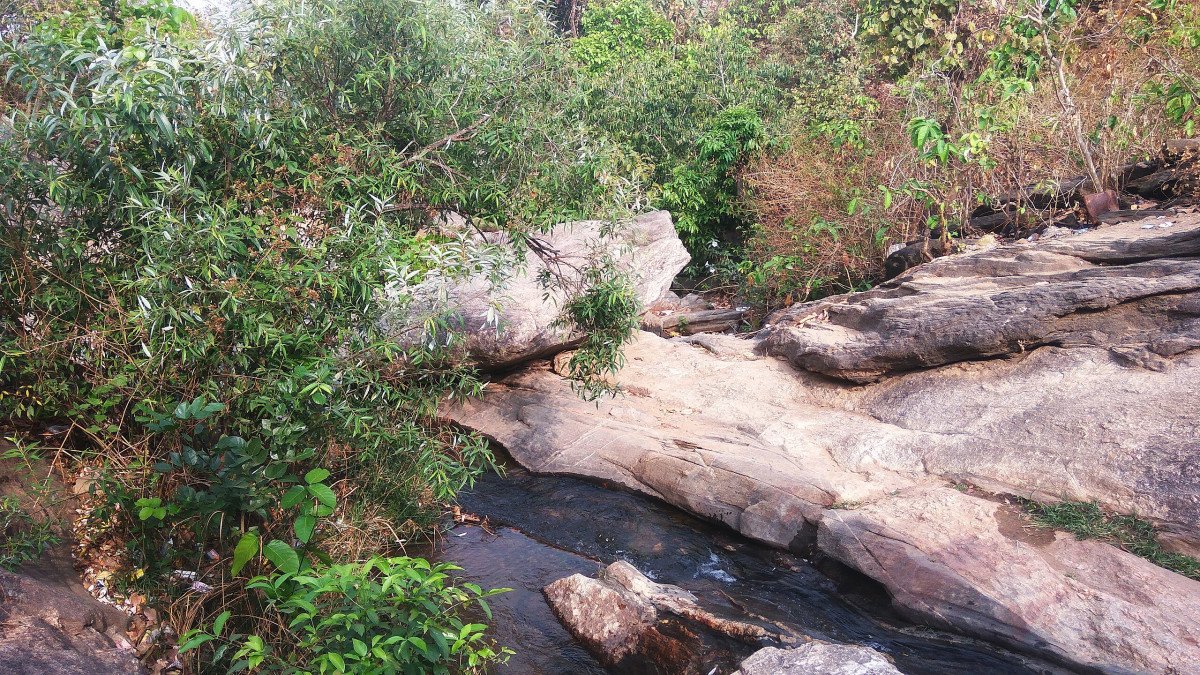
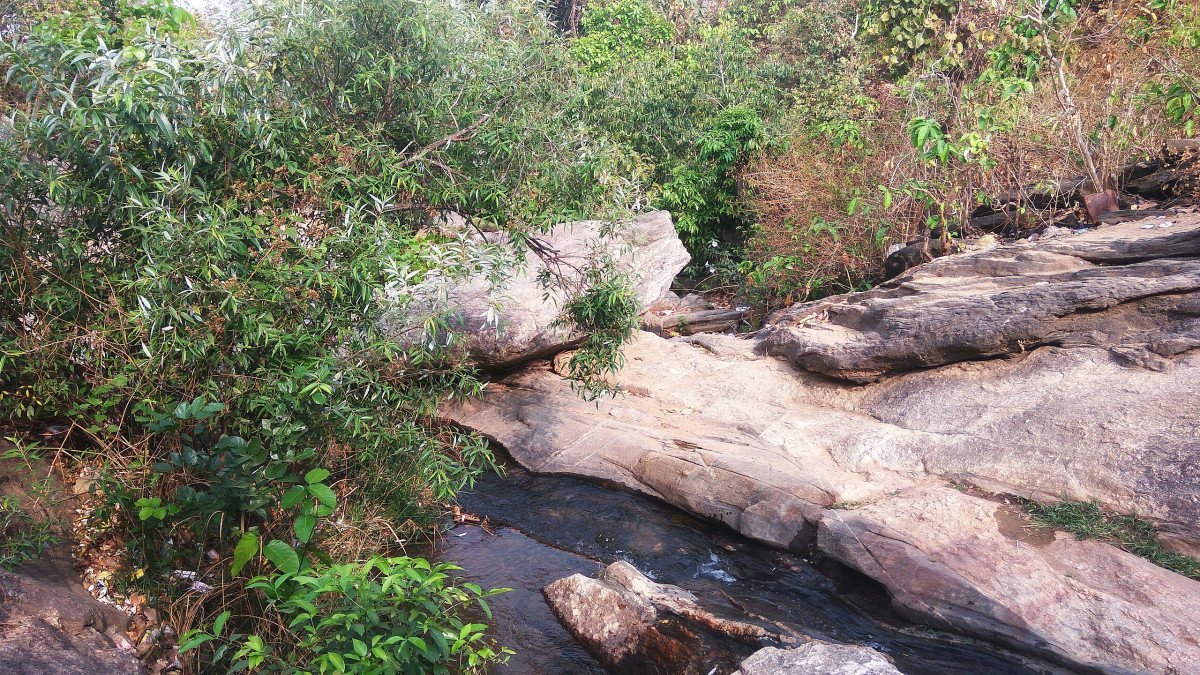
Bamni Falls (Natural Architecture): In contrast, Bamni Falls represents natural architecture. The water cascades over a series of gneiss and granite rock steps, which have been carved by the water over millions of years. The falls consist of several tiers, each creating a small pool before the water drops to the next level. The surrounding dense forest forms a natural, green enclosure around the falls, giving it a cathedral-like atmosphere. The path to the falls is composed of natural, uneven rock steps, forming an organic, challenging architectural element in itself. -
How To Reach:
By Air: The nearest major airport is Netaji Subhas Chandra Bose International Airport (CCU) in Kolkata, approximately 300 KMS away. From Kolkata, the best option is to take a train to Purulia and then hire a cab. Alternatively, hire a direct private taxi from the airport f... -
Near Tourist Places:
Pakhi Pahar (Bird Hill): 12 KMS
Charidah (Chhau Mask Village): 30 KMS
Sita Kunda (Sacred Spring): 8 KMS
Turga Falls: 10 KMS
Mayur Pahar (Peacock Hill): 18 KMS
Murguma Dam: 40 KMS
Matha Forest Reserve: 5 KMS (Starting point for some treks)
Tribal Handicraft Centre, Baghmundi: 15 KMS
Kukuburu Hill: 35 KMS
Gorshabru (Highest Peak): 15 KMS (For serious trekkers)
Tourism Tips
-
Health & Safety Topic Heading:
Bamni Falls trek: This is the most critical area for safety. Wear high-grip, sturdy trekking shoes, and use a walking stick if available. Do not attempt to climb wet, mossy rocks near the water. Stay on marke...
Reviews
Ajodhya Hills Dams & Bamni Falls Tourism:-
Information about New and Updated Locations(575+) of West Bengal Has Been Added :-
Card subtitle
Note:-
Information provided here in good Faith and for reference only.
All information and pictures will be updated soon, please keep visiting.
Near Places

Ajodhya Hill View Point
Some quick example text to build on the card title and make up the bulk of the card's content.
Go somewhere
Ajodhya Hills Dams & Bamni Falls
Some quick example text to build on the card title and make up the bulk of the card's content.
Go somewhere
Ajodhya Pahar Hairpin View Point
Some quick example text to build on the card title and make up the bulk of the card's content.
Go somewhere
Ayodhya Hills
Some quick example text to build on the card title and make up the bulk of the card's content.
Go somewhere
Bamni Falls
Some quick example text to build on the card title and make up the bulk of the card's content.
Go somewhere
Banda Deul
Some quick example text to build on the card title and make up the bulk of the card's content.
Go somewhere
Baranti Reservoir
Some quick example text to build on the card title and make up the bulk of the card's content.
Go somewhere
Begunkodar
Some quick example text to build on the card title and make up the bulk of the card's content.
Go somewhere
Charidah
Some quick example text to build on the card title and make up the bulk of the card's content.
Go somewhere
Deulghata Temple Ruins
Some quick example text to build on the card title and make up the bulk of the card's content.
Go somewherein Other Cities