Charidah
General information
-
Ideal Duration:
2 to 3 hours.Place Type:
Arts & Crafts, Cultural Heritage, Folk Art, ShoppiEntry Fees:
General Access and Village Walk: There is no formal entry fee for visiting Charidah village. It is a residential area and a functioning village accessible to all. The artisans welcome visitors into their open workshops, encouraging them to observe the process and purchase ...General Access and Village Walk: There is no formal entry fee for visiting Charidah village. It is a residential area and a functioning village accessible to all. The artisans welcome visitors into their open workshops, encouraging them to observe the process and purchase masks. The entire experience of walking through the village and observing the craft is free of charge, making it a highly accessible cultural site.
Donations and Support: While there is no mandatory fee, visitors are strongly encouraged to support the local artisans directly by purchasing a mask, even a small, inexpensive one. This purchase acts as the primary source of income for the craftsmen and ensures the continuation of the tradition. Treating the artisans to a small token of gratitude (like a cup of tea or a small tip for a demonstration) is also customary and much appreciated.
Photography and Commercial Filming: For amateur, personal photography, there are no charges. However, if you are a professional photographer or filmmaker intending to conduct a commercial shoot, documentary, or take photographs for publication, you must obtain prior permission from the local village committee or a master artisan. A negotiated fee for commercial use may be required to compensate the artisans for their time and the use of their intellectual property and work-in-progress.Timing:
Regular Timings: Since Charidah is a residential village and a place of work, the workshops are typically active from 9:00 AM to 6:00 PM. The best time to visit and witness the actual work in progress is between 10:00 AM and 4:00 PM when the artisans are actively molding, p...Regular Timings: Since Charidah is a residential village and a place of work, the workshops are typically active from 9:00 AM to 6:00 PM. The best time to visit and witness the actual work in progress is between 10:00 AM and 4:00 PM when the artisans are actively molding, painting, and drying the masks. Visiting outside of these hours means you will mostly see finished masks but will miss the creation process.
Ideal Visit Time (Peak Activity): The most ideal time to visit is the mid-morning (around 10:30 AM to 12:30 PM) on a weekday (Tuesday to Saturday). This is usually the time when all the stages of mask-making are in full swing, and the natural light is bright enough for both observing the intricate painting details and for photography of the masks drying in the sun. Visiting during the Winter season (October to March) ensures the most activity, as artisans prepare for the Chhau Dance festival season.
Crowd Considerations: Weekends and holidays can bring busloads of tourists, making interaction with the artisans more difficult. Visiting on a quieter weekday allows for more personal conversations and a more tranquil viewing experience, which is essential for appreciating the intricate details of the craft.Special Events:
The Chhau Dance Festival Season: The primary special event linked to Charidah is the entire season of Chhau Dance performances that take place across Purulia during major festivals, particularly the Chaitra Sankranti (the end of the Bengali year, usually in mid-April). Duri...The Chhau Dance Festival Season: The primary special event linked to Charidah is the entire season of Chhau Dance performances that take place across Purulia during major festivals, particularly the Chaitra Sankranti (the end of the Bengali year, usually in mid-April). During this time, the demand for masks is at its peak, and the village is a hive of activity. More importantly, seeing the newly made masks used in the performances in the nearby fields or villages is the ultimate cultural experience. This period sees the most vibrant cultural outpouring in the region.
Local Community Worship and Artisan Rites: Before the start of the performance season, the mask-makers of Charidah often perform unique traditional rituals or worship ceremonies (Puja) within the village. These rites are designed to bless the masks and the tools of their trade, ensuring safety and quality for the upcoming season. These small, localized ceremonies are deeply personal to the community and offer a rare glimpse into the spiritual aspect of their craft, though they are usually private and require respect and discretion if observed.Best Photo Spots:
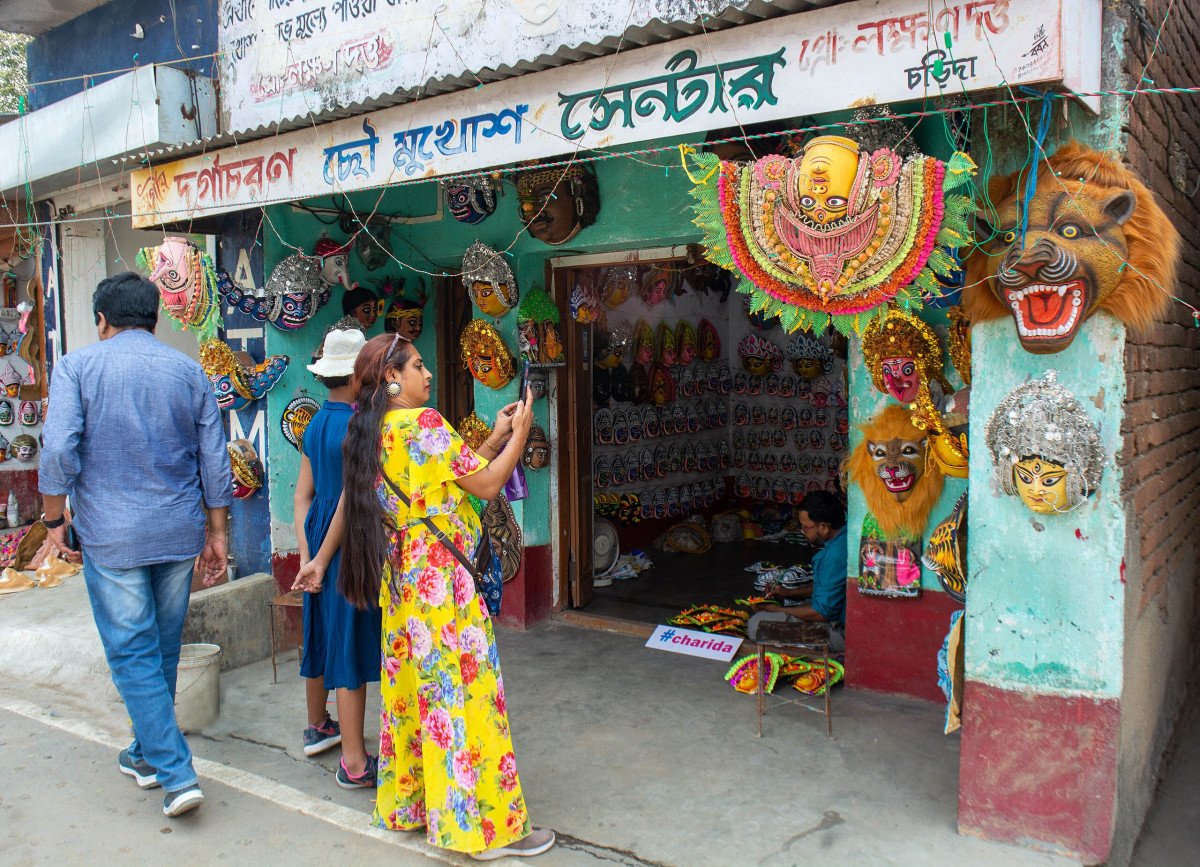
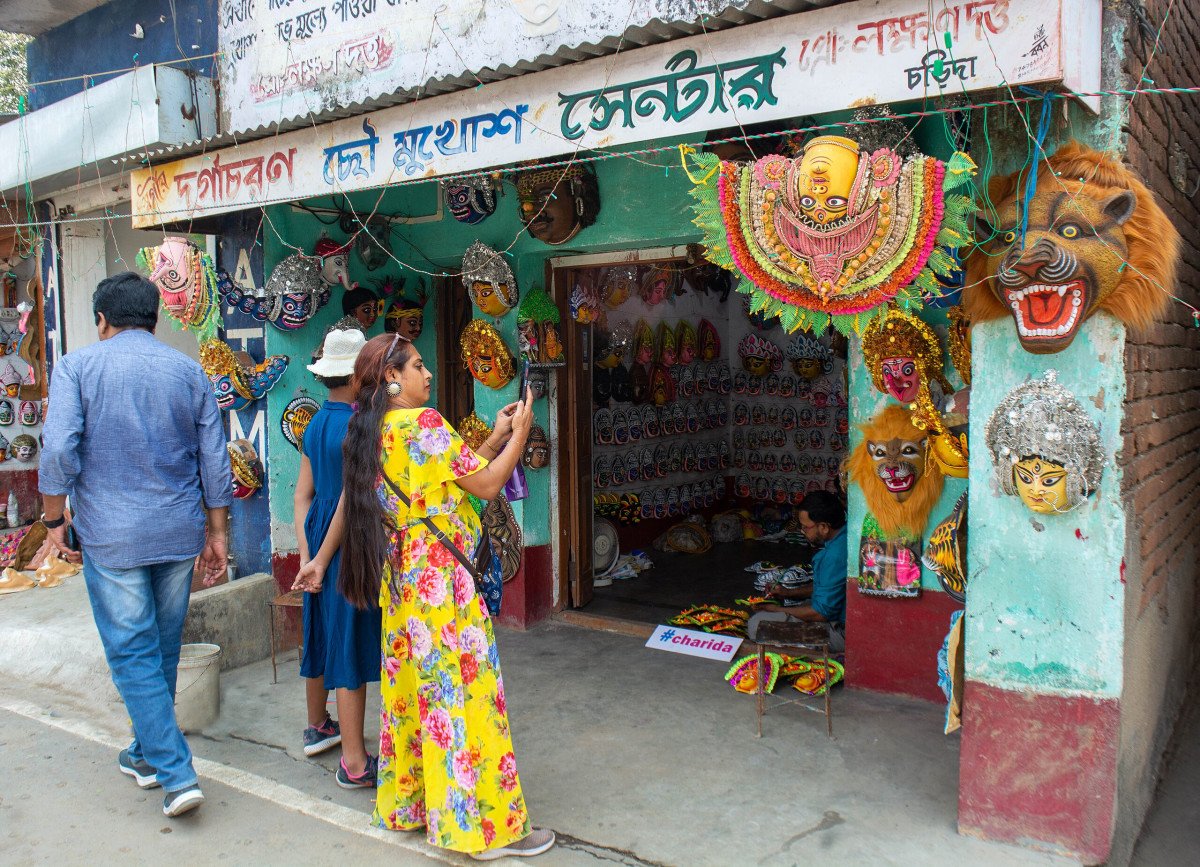
The Mask Gallery Doorway: The best photo spot is capturing the view of a house's main doorway or open window, which is often completely filled with dozens of colourful, finished Chhau masks hanging from the frame. This shot is the iconic image of Charidah, showcasing the sh...The Mask Gallery Doorway: The best photo spot is capturing the view of a house's main doorway or open window, which is often completely filled with dozens of colourful, finished Chhau masks hanging from the frame. This shot is the iconic image of Charidah, showcasing the sheer density of the artwork and the incredible colour palette against the rustic mud or brick wall of the home. This spot perfectly captures the essence of the "Mask Village. "
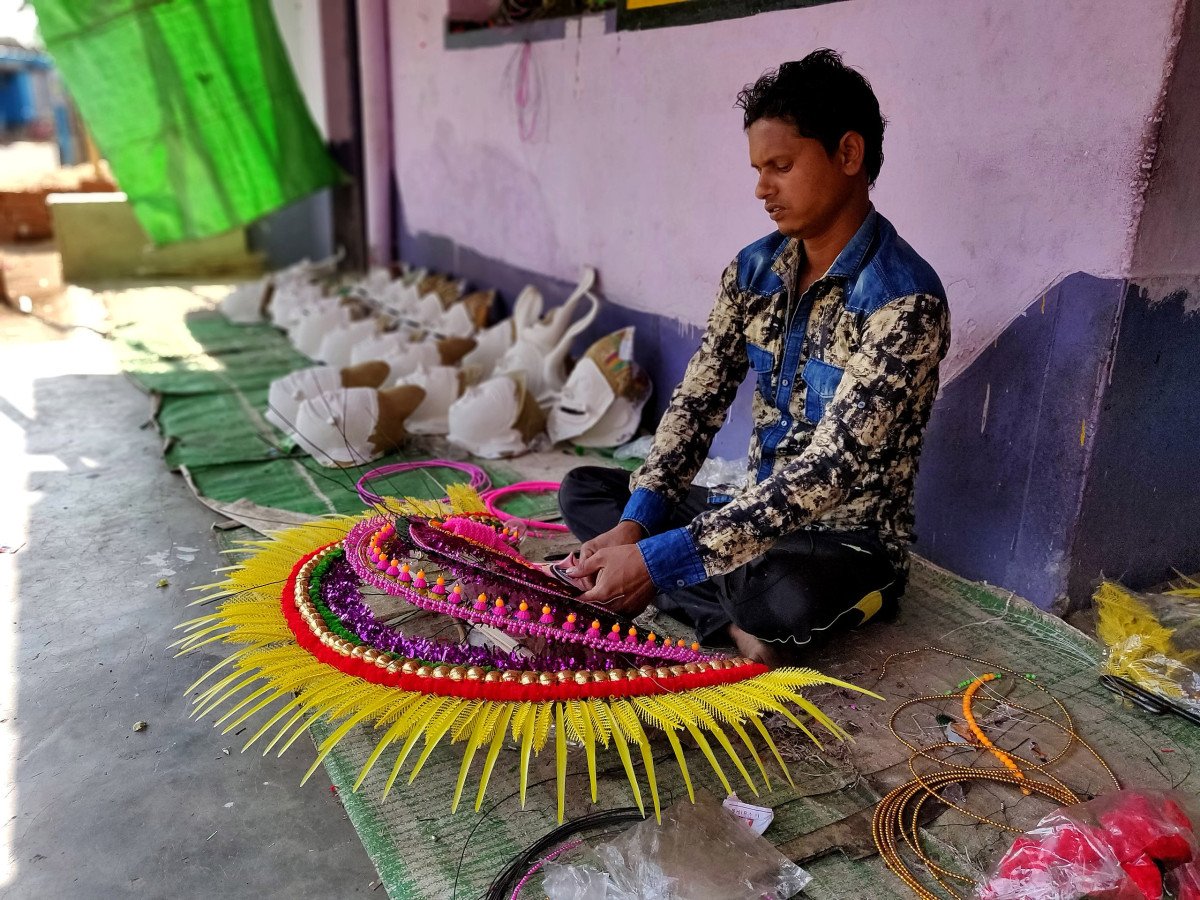
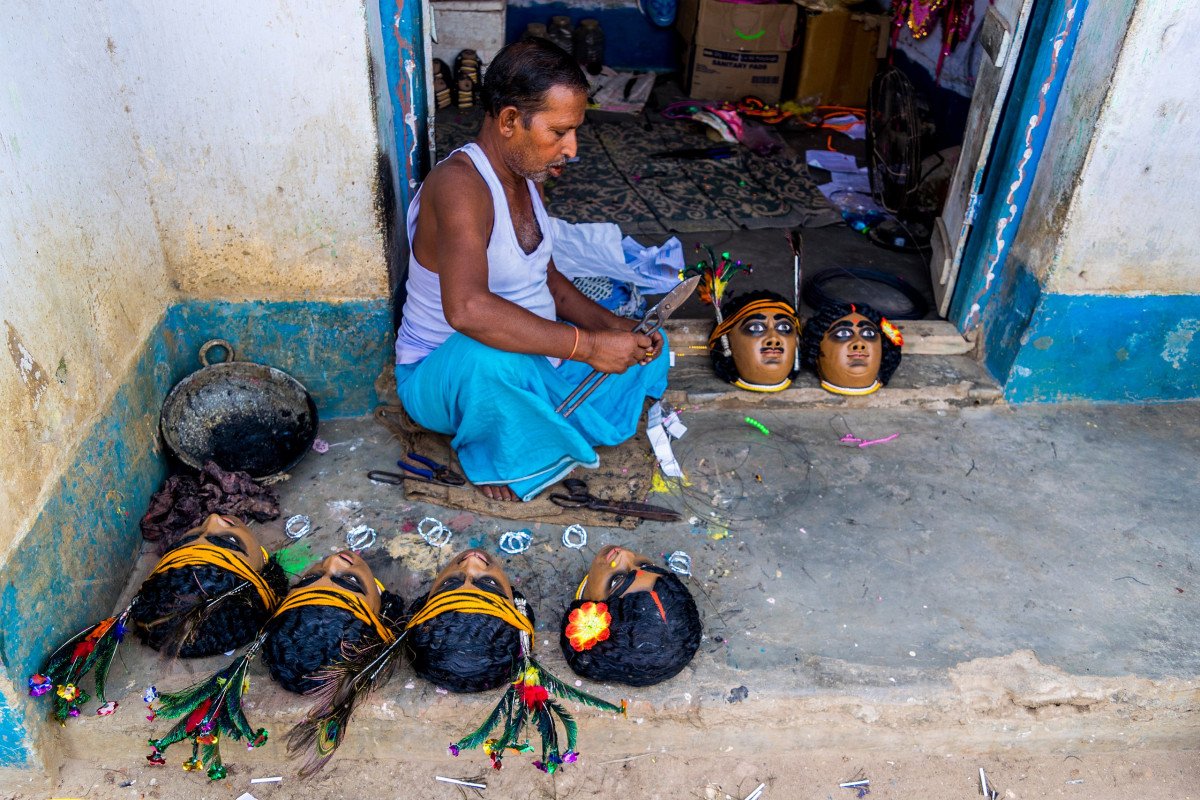
The Drying Yard (Molds in the Sun): The open courtyards, where the paper pulp masks and clay molds are laid out to dry in the sun, offer a strong geometric photo opportunity. Photographing the rows of identical, ghostly white masks or clay molds creates a visually interesting pattern, emphasizing the scale of the production process. This spot is best visited in the mid-morning when the sun is strong enough to highlight the textures and shapes.
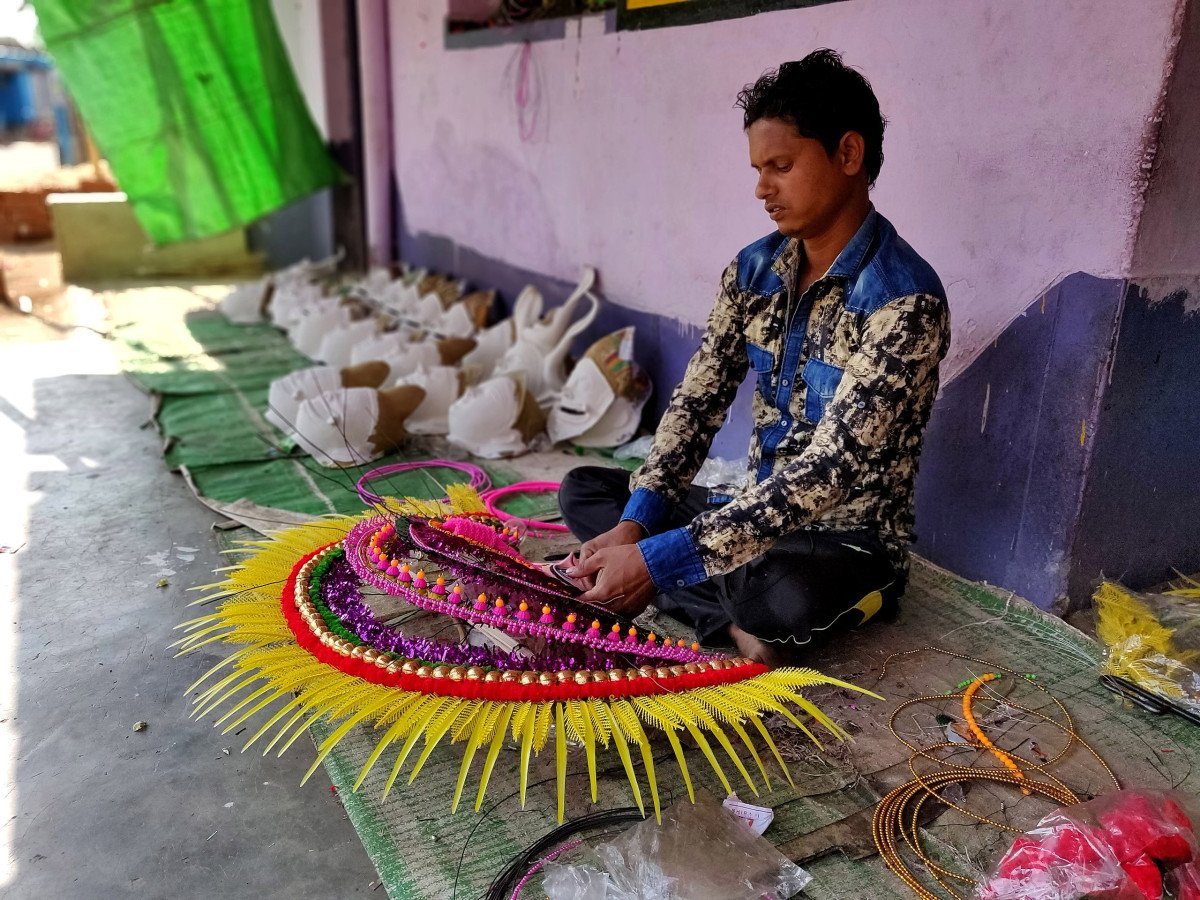
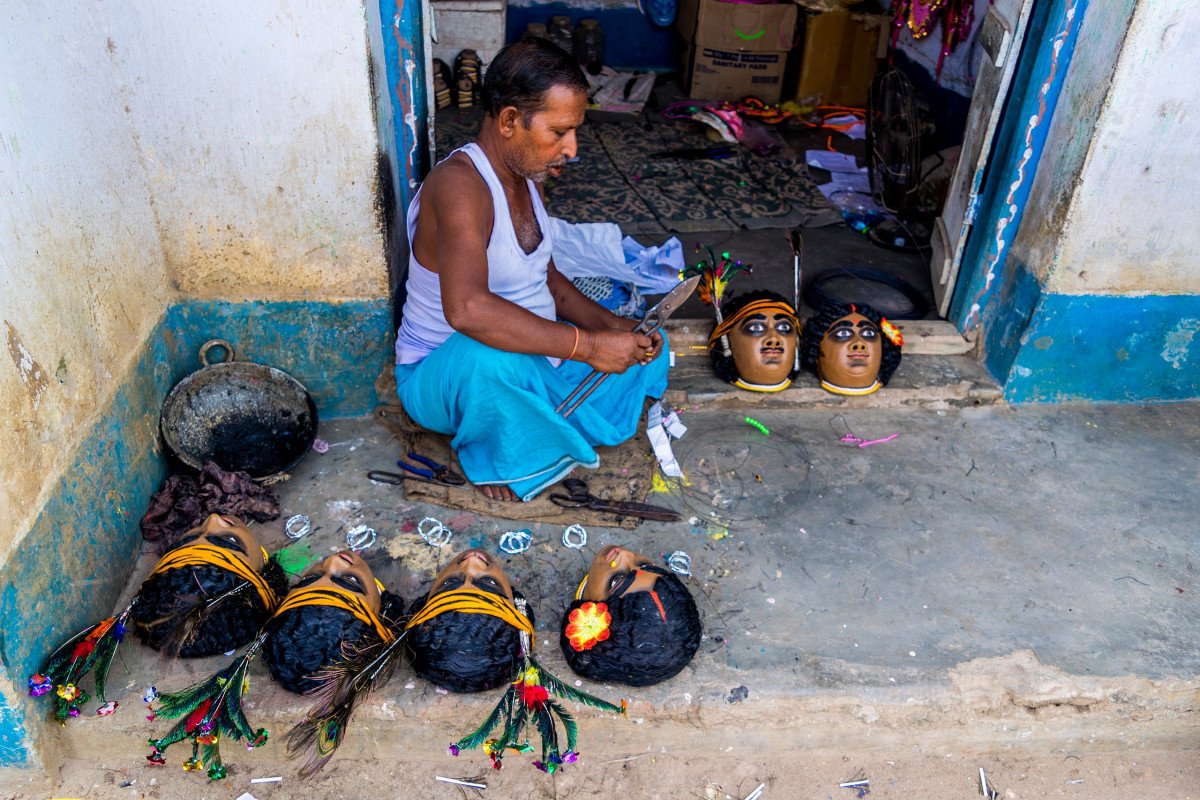
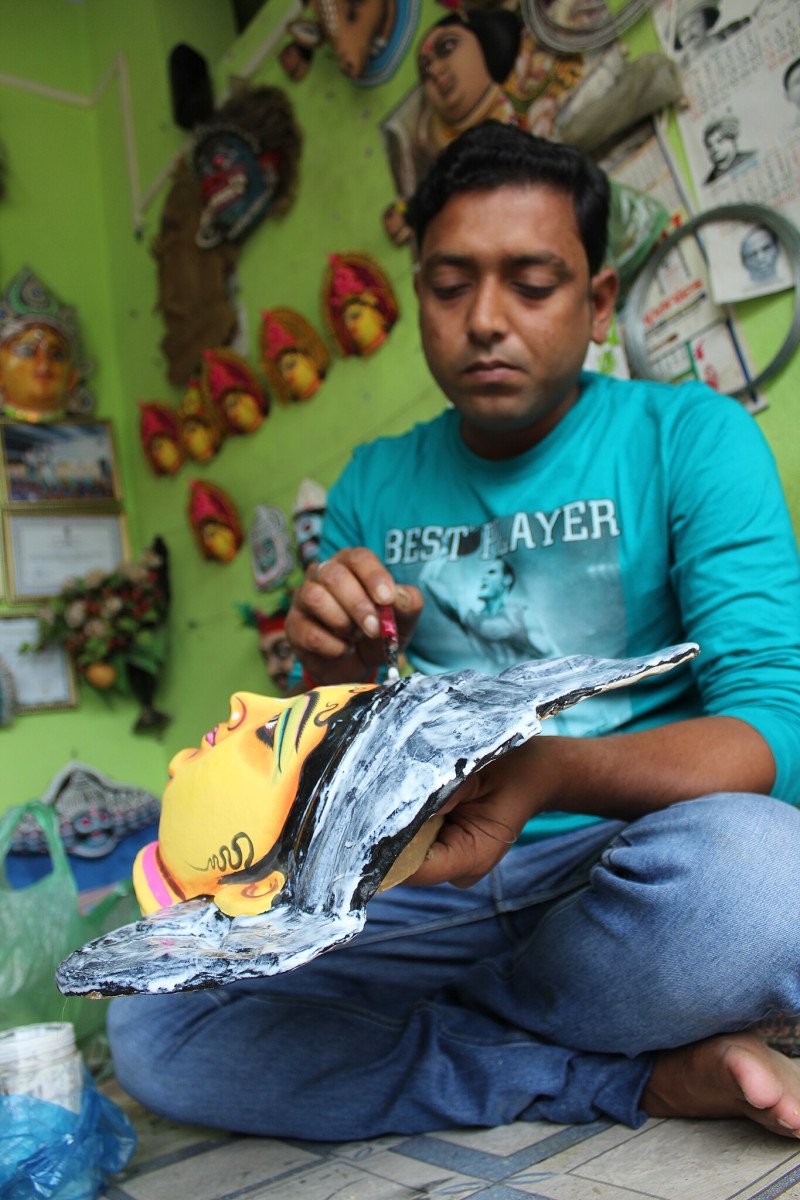
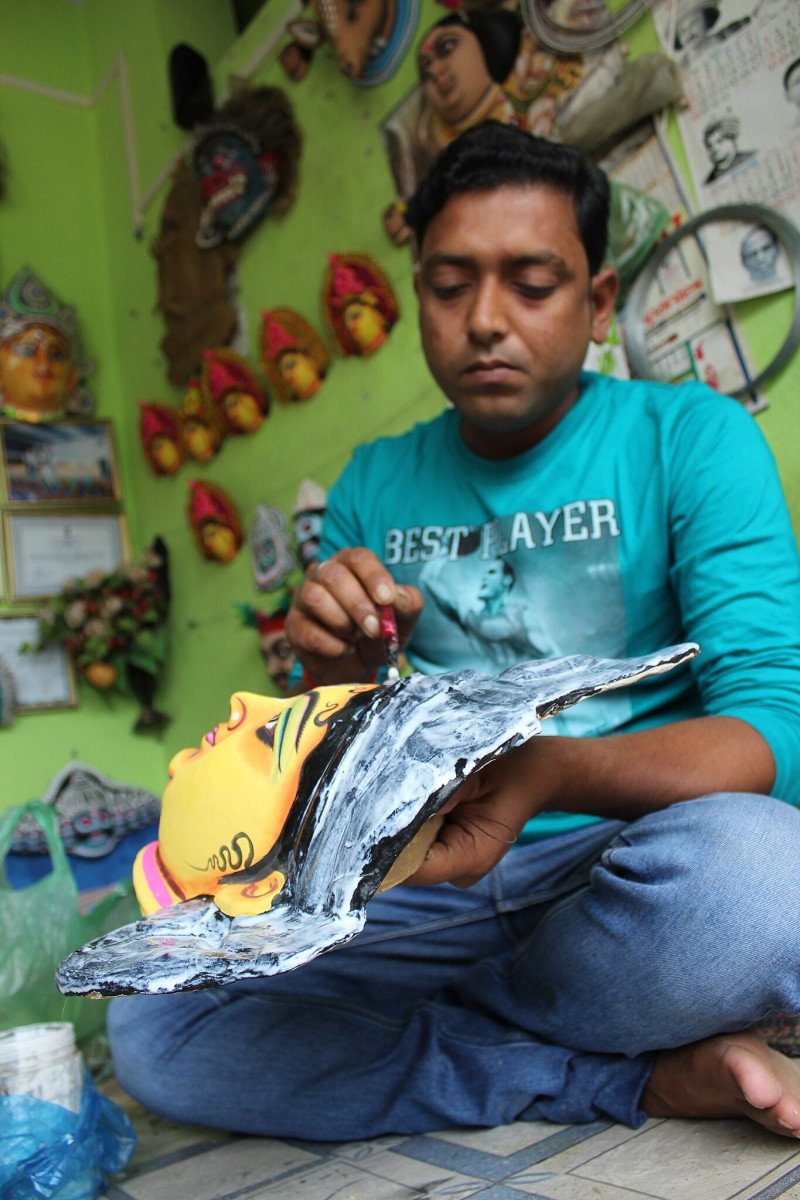
The Artisan at Work Close-Up: Capture close-up, high-detail shots of the artisans' hands the careful process of applying paint, foil, or detailing the intricate eyebrows and mouths of the masks. These photos tell the human story behind the craft, focusing on the concentration and inherited skill. Always ask permission first and ensure the lighting (natural light in the workshop) is sufficient to capture the fine details of the work.
The Village Lane Perspective: Capture the perspective of a village lane where the walls are covered with finished and unfinished masks, leading the eye down the street. This shot places the art within its living, community context, showing the ubiquity of the craft in the village. This is particularly vibrant when the Palash flowers are in bloom in the background (in February/March).Photo Gallery
Things To Do
-
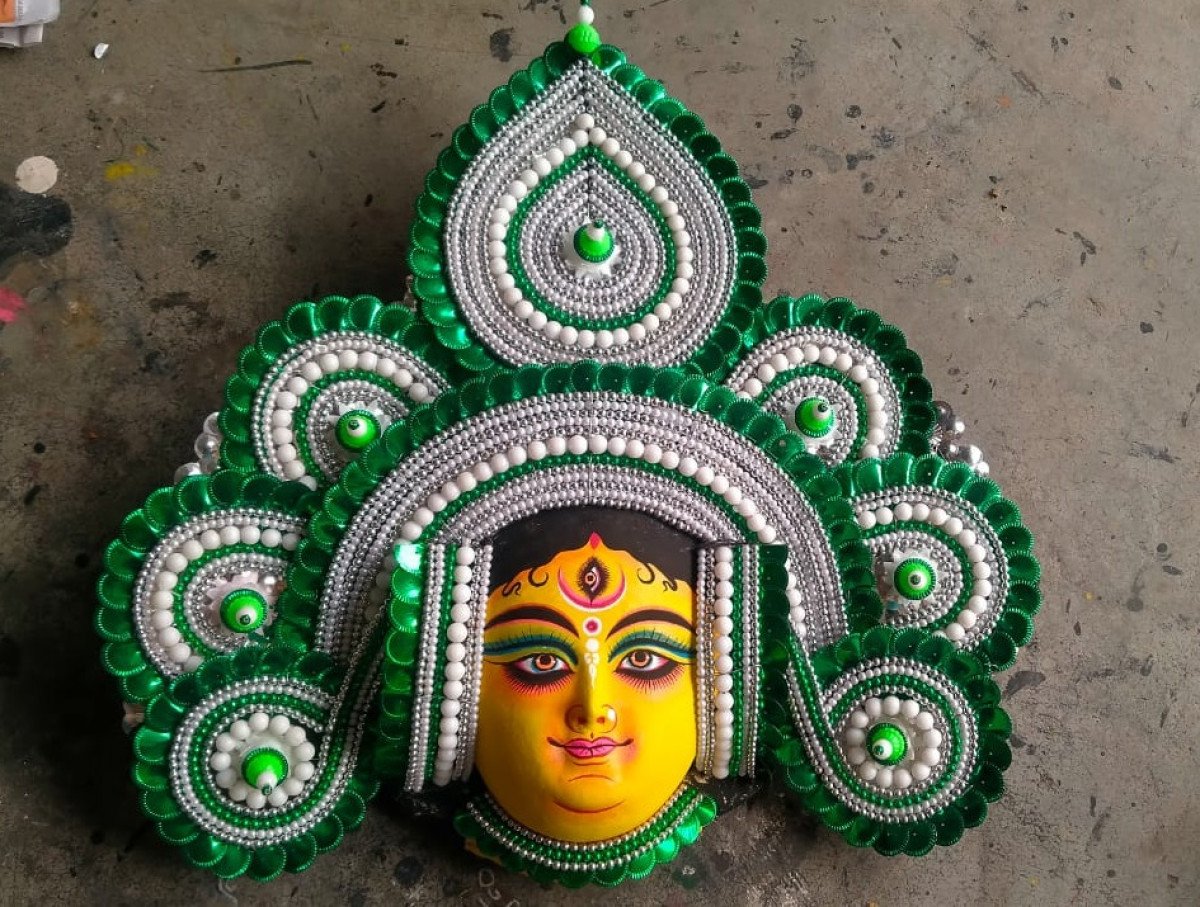
Witnessing the Chhau Mask Creation Process: Spend time in multiple workshops observing the entire, multi-stage process. Start with the initial creation of the clay mold, then see the application of wet paper pulp and cloth layers for the mask's body. Watch the delicate steps of sun-drying and the laborious process of sanding and polishing. Finally, observe the masterful painting, detailing, and the application of foil, beads, and peacock feathers. Ask the artisans to explain the significance of the facial expressions, colours, and decorative elements used for specific mythological characters like Mahisasura or Lord Ganesha. This is an educational and cultural immersion.
Interacting with Master Artisans: Engage in direct conversation with the master craftsmen, who are generally very welcoming. Inquire about the history of th...
Information
-
Why Famous:
UNESCO Heritage Connection: Charidah is globally famous as the home of the masks used in the Purulia Chhau Dance, which has been recognized by UNESCO as an Intangible Cultural Heritage of Humanity. This international recognition has elevated the village from a local crafts ...UNESCO Heritage Connection: Charidah is globally famous as the home of the masks used in the Purulia Chhau Dance, which has been recognized by UNESCO as an Intangible Cultural Heritage of Humanity. This international recognition has elevated the village from a local crafts center to a world-famous cultural destination, attracting tourists, researchers, and art collectors interested in the preservation of traditional folk art. The village directly represents the living tradition of a globally recognized art form.
A Living, Open-Air Workshop: Its fame stems from the fact that it is not a museum, but a fully functional, open workshop. Tourists can directly observe the mask-making process, from the mixing of the clay and paper pulp to the final, intricate painting and decoration with foil and feathers. This immersive experience, where the artisans willingly share their craft, is highly unique and much more engaging than viewing finished pieces in a gallery. Every street and house is an active part of the production line.
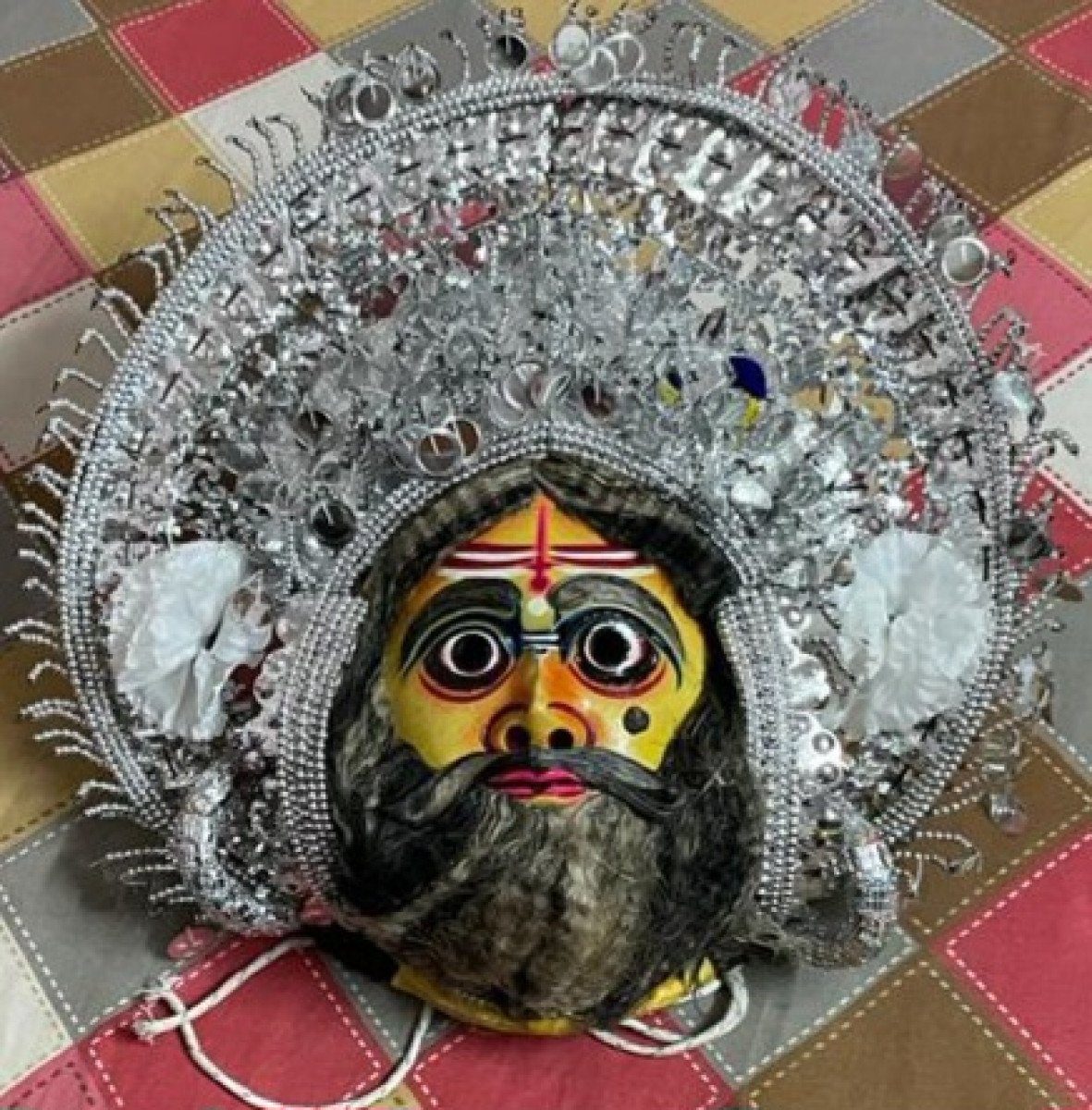
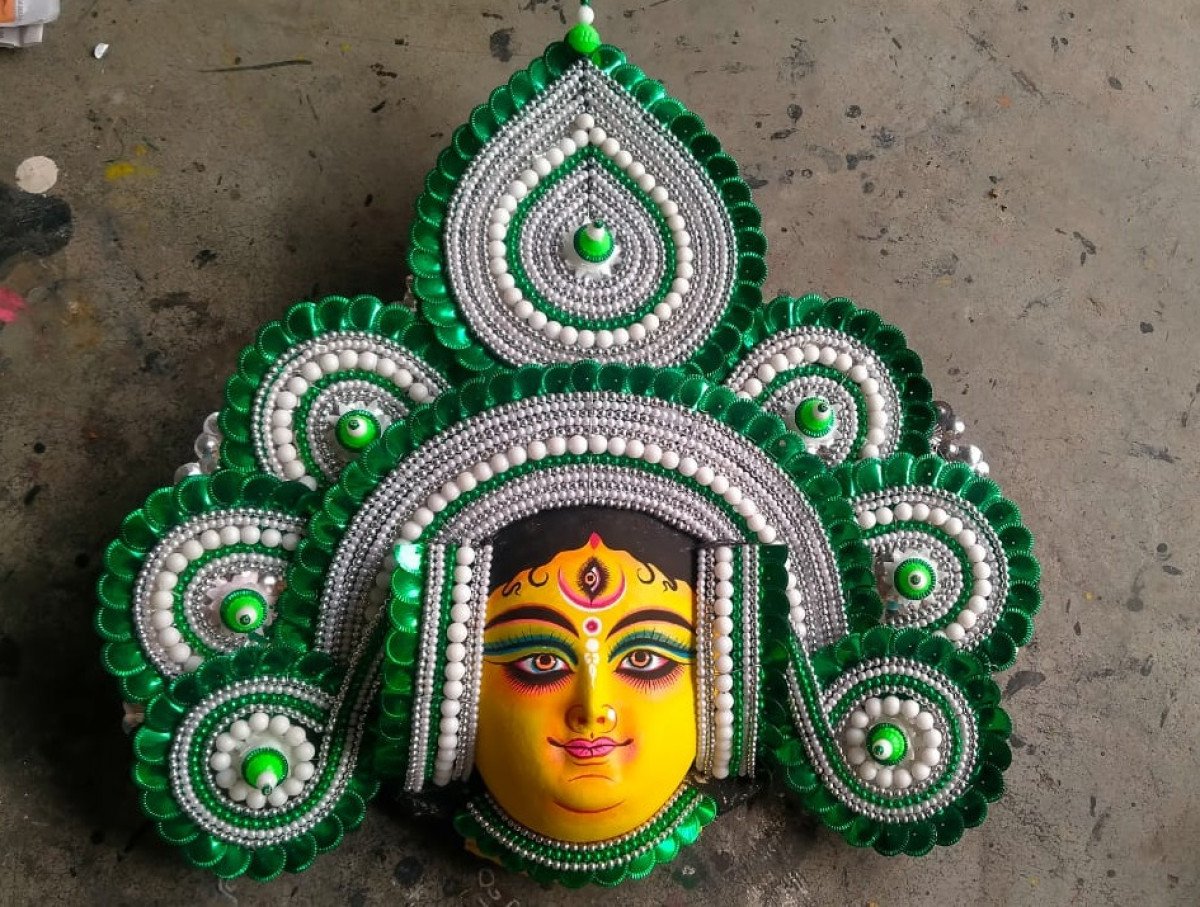
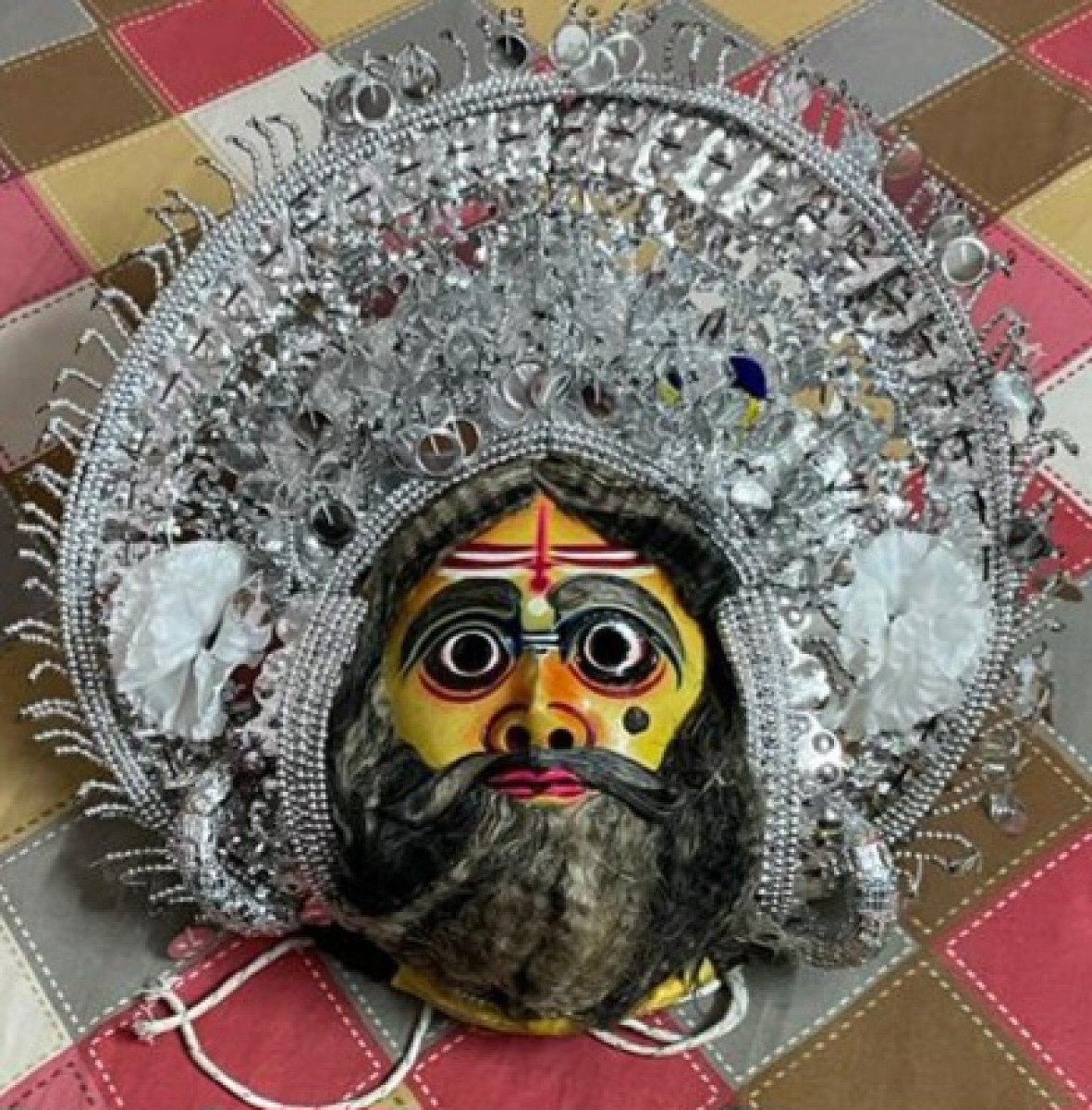
Vibrant Artistic Output: The sheer volume and stunning vibrancy of the finished masks depicting everything from fierce mythological demons to serene goddesses create a visually arresting spectacle. The masks' bold colours, dramatic expressions, and intricate decoration make them instantly recognizable and highly desirable as souvenirs and collector's items, driving the tourism and cultural commerce of Puridah. -
Architecture:
The Workshop-Integrated House: The architecture of Charidah homes is simple and functional, designed to integrate the mask-making craft seamlessly into daily life. The houses are typically single-story, built with mud or brick, featuring traditional sloping roofs. The defi...The Workshop-Integrated House: The architecture of Charidah homes is simple and functional, designed to integrate the mask-making craft seamlessly into daily life. The houses are typically single-story, built with mud or brick, featuring traditional sloping roofs. The defining "architectural" element is the large, open front courtyard or porch space that serves as the primary workshop. This space is essential for setting out the clay molds, drying the paper pulp masks, and allowing the painting and finishing work to be done in natural light.
Dimension of Workspaces: The workshop areas are often vast open spaces, sometimes covered by a light thatch roof for shade. A typical family workshop area might span 6 meters by 10 meters. The walls of the workshops are often lined with shelves and racks for storing molds, raw materials, and drying masks, turning the entire living space into a visible, tangible gallery of the production process. This open-house concept is crucial for the public interaction and demonstration that characterizes the village.
The Village Layout: The village layout is organic, with houses clustered along small, winding lanes, promoting community and shared knowledge of the craft. The architectural aesthetic is one of functional simplicity, providing the perfect neutral backdrop for the explosion of colour provided by the thousands of masks being dried and decorated in the open air. The houses prioritize natural light and ventilation, essential for the intricate painting work and the drying of the mask materials. -
How To Reach:
By Air: The nearest major airport is Netaji Subhas Chandra Bose International Airport (CCU) in Kolkata, approximately 300 KMS away. From Kolkata, the most practical way is to take a train to Purulia Junction and then proceed by local transport. Alternatively, hire a direct... -
Near Tourist Places:
Pakhi Pahar (Bird Hill): 25 KMS
Ajodhya Upper Dam: 20 KMS
Bamni Falls: 25 KMS
Sita Kunda (Sacred Spring): 15 KMS
Turga Falls: 18 KMS
Baghmundi Town: 5 KMS
Matha Forest Reserve: 10 KMS
Mayur Pahar (Peacock Hill): 22 KMS
Murguma Dam: 35 KMS
Marble Lake (Near Ajodhya): 20 KMS
Tourism Tips
-
Health & Safety Topic Heading: Since the artisans work with clay, paint, and paper pulp, maintain a small, respectful distance from the materials, especially the wet clay molds. Wear comfortable, closed-toe shoes suitable for walking through uneven village lanes. Carry a s...
Reviews
Information about New and Updated Locations(575+) of West Bengal Has Been Added :-
Card subtitle
Note:-
Information provided here in good Faith and for reference only.
All information and pictures will be updated soon, please keep visiting.
Near Places

Ajodhya Hill View Point
Some quick example text to build on the card title and make up the bulk of the card's content.
Go somewhere
Ajodhya Hills Dams & Bamni Falls
Some quick example text to build on the card title and make up the bulk of the card's content.
Go somewhere
Ajodhya Pahar Hairpin View Point
Some quick example text to build on the card title and make up the bulk of the card's content.
Go somewhere
Ayodhya Hills
Some quick example text to build on the card title and make up the bulk of the card's content.
Go somewhere
Bamni Falls
Some quick example text to build on the card title and make up the bulk of the card's content.
Go somewhere
Banda Deul
Some quick example text to build on the card title and make up the bulk of the card's content.
Go somewhere
Baranti Reservoir
Some quick example text to build on the card title and make up the bulk of the card's content.
Go somewhere
Begunkodar
Some quick example text to build on the card title and make up the bulk of the card's content.
Go somewhere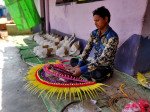
Charidah
Some quick example text to build on the card title and make up the bulk of the card's content.
Go somewhere
Deulghata Temple Ruins
Some quick example text to build on the card title and make up the bulk of the card's content.
Go somewherein Other Cities