

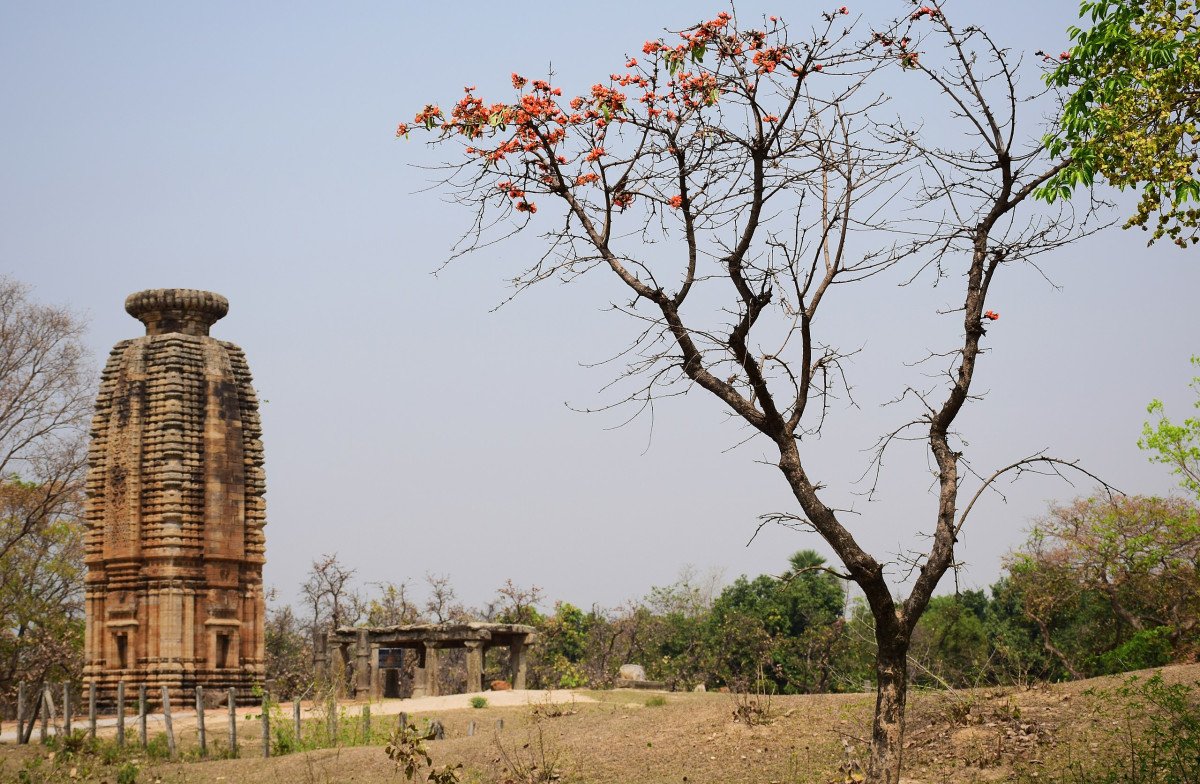
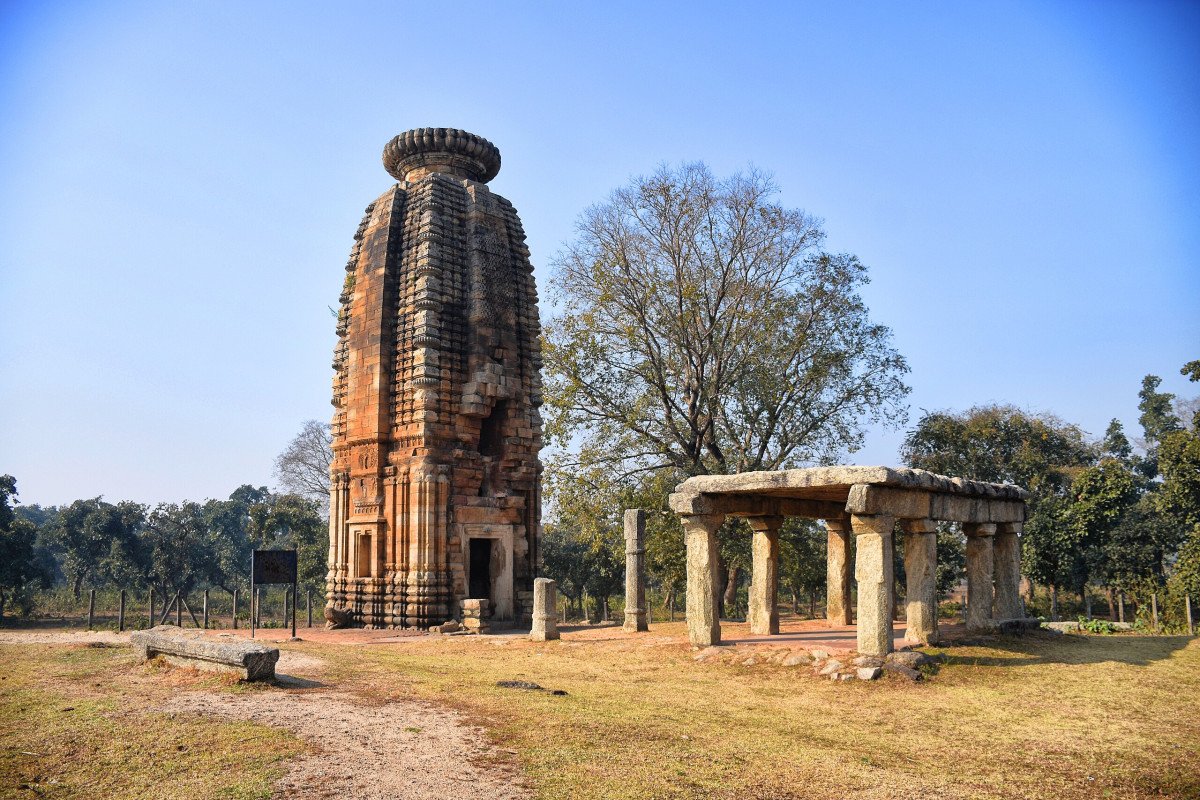
Banda Deul
General information
-
Ideal Duration:
1 to 2 hours.Place Type:
Historical, Architectural, Religious, ArchaeologicEntry Fees:
ASI Preservation Fee: Since Banda Deul is a monument protected by the Archaeological Survey of India (ASI), there is usually a nominal entry fee charged for its preservation and maintenance. This fee is typically very low for Indian citizens (often between Rs. 5 and Rs. 2...ASI Preservation Fee: Since Banda Deul is a monument protected by the Archaeological Survey of India (ASI), there is usually a nominal entry fee charged for its preservation and maintenance. This fee is typically very low for Indian citizens (often between Rs. 5 and Rs. 25 per person) and slightly higher for foreign nationals. The collection is often done by a local contractor or ASI representative at a small makeshift counter near the entrance gate. Always ask for a receipt. This contribution directly funds the ongoing conservation work to prevent further deterioration of the ancient structure.
Parking and Local Contributions: There are generally no separate parking fees specifically for the temple, as the village has ample open space, but local youth may occasionally ask for a small voluntary contribution (Rs. 10 or Rs. 20) for vehicle safety or basic upkeep of the surrounding area. It is advisable to comply with these small, voluntary requests as they benefit the local community who act as the temple's custodians. Keep small denominations of cash ready for these minimal expenses.
Guide Services and Tips: While a local guide is not strictly necessary as the site is small, hiring one can enhance the historical understanding. Guide fees are not part of the entry fee. Expect to pay a modest sum (around Rs. 300 to Rs. 500) for a guide's time and knowledge. Tips are also customary for any helpful local who assists with directions or historical context. These are important parts of the total cost of visiting an ancient, remote monument.Timing:
Regular Timings: As an ancient, protected monument in a remote village, the Banda Deul is typically open to visitors from 7:00 AM to 5:00 PM. Although it's an outdoor site, the ASI often regulates access to the immediate structure for safety and supervision purposes, especi...Regular Timings: As an ancient, protected monument in a remote village, the Banda Deul is typically open to visitors from 7:00 AM to 5:00 PM. Although it's an outdoor site, the ASI often regulates access to the immediate structure for safety and supervision purposes, especially on weekdays. It is advisable to visit during these daylight hours. Visiting outside of these times is generally discouraged due to security and the difficulty of viewing the details in low light.
Ideal Visit Time (Soft Light): The best time of the day to visit is either early morning (between 7:30 AM and 9:30 AM) or late afternoon (between 3:30 PM and 5:00 PM). The oblique sunlight during these periods enhances the texture of the weathered stone and creates long, dramatic shadows that accentuate the height and curvature of the Rekha Deul spire. The cooler temperatures during these times also make for a more comfortable and unhurried exploration.
Crowd Avoidance: Since Banda is remote, the crowds are rarely an issue, even on weekends. However, to ensure maximum tranquility and the best photo opportunities, visiting on a weekday morning is always the preferred option. Avoid the hours immediately surrounding the Maha Shivaratri festival if your primary focus is architectural study and solitude, as the area will be crowded with devotees.Special Events:
Maha Shivaratri Celebrations: The most significant event at or near the temple is the annual Maha Shivaratri festival, usually occurring in February or March. Although the original idol is gone, the temple is still considered a sacred space for the worship of Lord Shiva. L...Maha Shivaratri Celebrations: The most significant event at or near the temple is the annual Maha Shivaratri festival, usually occurring in February or March. Although the original idol is gone, the temple is still considered a sacred space for the worship of Lord Shiva. Local devotees gather in large numbers to offer prayers, fast, and participate in all-night vigils. The atmosphere is charged with religious fervor, featuring local religious songs (bhajans) and sometimes traditional dance. This is the one time of the year when the quiet solitude of the Deul is replaced by a vibrant community celebration, offering a profound glimpse into the local religious practices of Purulia.
Seasonal Village Melas (Fairs): Periodically, the Banda village or the larger town of Bundwan hosts small seasonal fairs (Melas), often coinciding with the harvest or various folk festivals. These gatherings feature temporary markets selling local goods, food stalls, and traditional rural entertainment like puppet shows or folk music performances. While not directly tied to the temple's religious function, these fairs provide a lively cultural backdrop to the region's ancient history, showcasing the resilience and vibrancy of rural West Bengal life.Best Photo Spots:
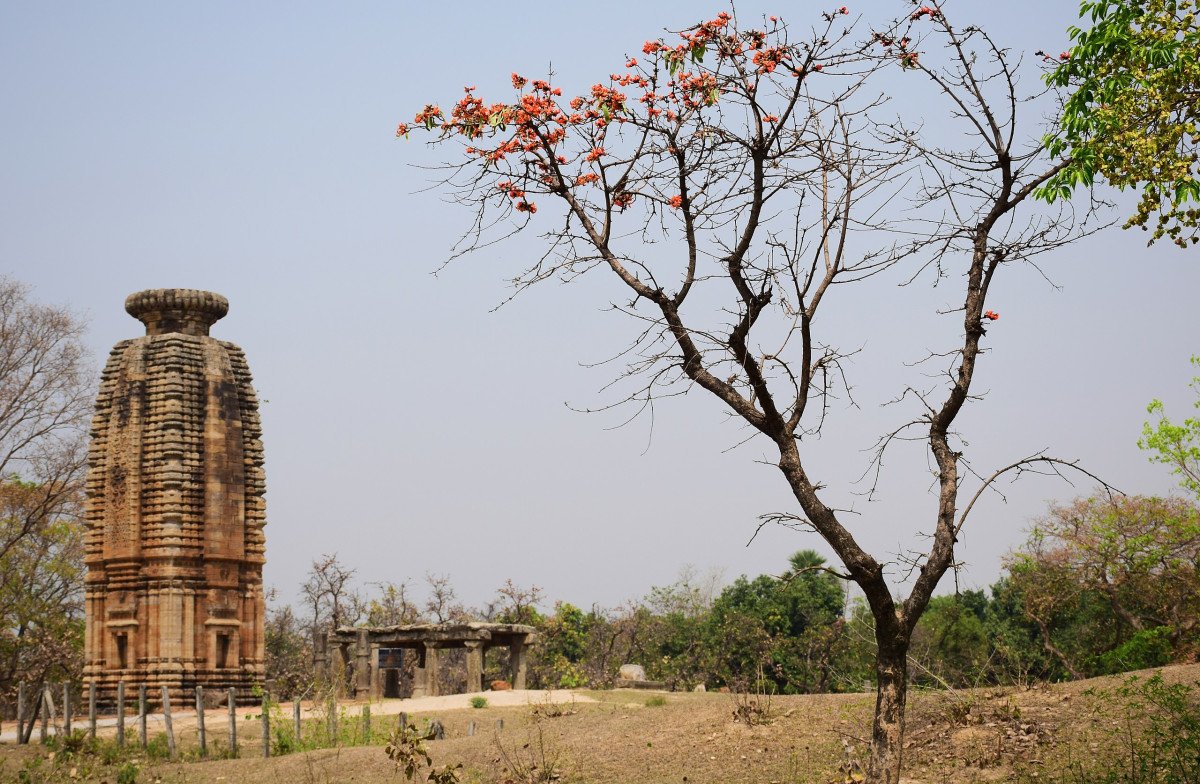
The Long-Shot from the Paddy Fields: The absolute best photo spot is a distance away in the surrounding paddy fields. This angle allows you to capture the full, soaring height of the Rekha Deul spire, dramatically framed against the vast, open sky and the green (or golden, ...The Long-Shot from the Paddy Fields: The absolute best photo spot is a distance away in the surrounding paddy fields. This angle allows you to capture the full, soaring height of the Rekha Deul spire, dramatically framed against the vast, open sky and the green (or golden, depending on the season) expanse of the fields. This shot emphasizes the isolation and grandeur of the ancient monument, showing the scale of the structure in its natural, rural environment. This perspective is vital for capturing the 'solitary giant' feel of the Deul.
The Close-Up of the Amalaka: Focus on the architectural details near the top of the structure, specifically the remaining circular disc stone, the Amalaka. This spot, often visible with a zoom lens or by slightly climbing the plinth (safely), highlights the sophisticated stonework and the complex engineering of the summit. The weathered texture and the lichen growth on these stones create a stunning contrast, making for an excellent architectural detail shot that tells the story of time and decay.
The Reflection in the Temple Tank (Dighi): As a stunning, artistic shot, capture the Banda Deul's perfect, undistorted reflection in the nearby village water tank (Dighi), ideally at dawn or dusk. This reflection view provides a symmetrical composition and enhances the sense of the temple's majestic height. The stillness of the water creates a mirror effect that doubles the visual impact of the ancient structure, often including the surrounding trees or sky in the frame.
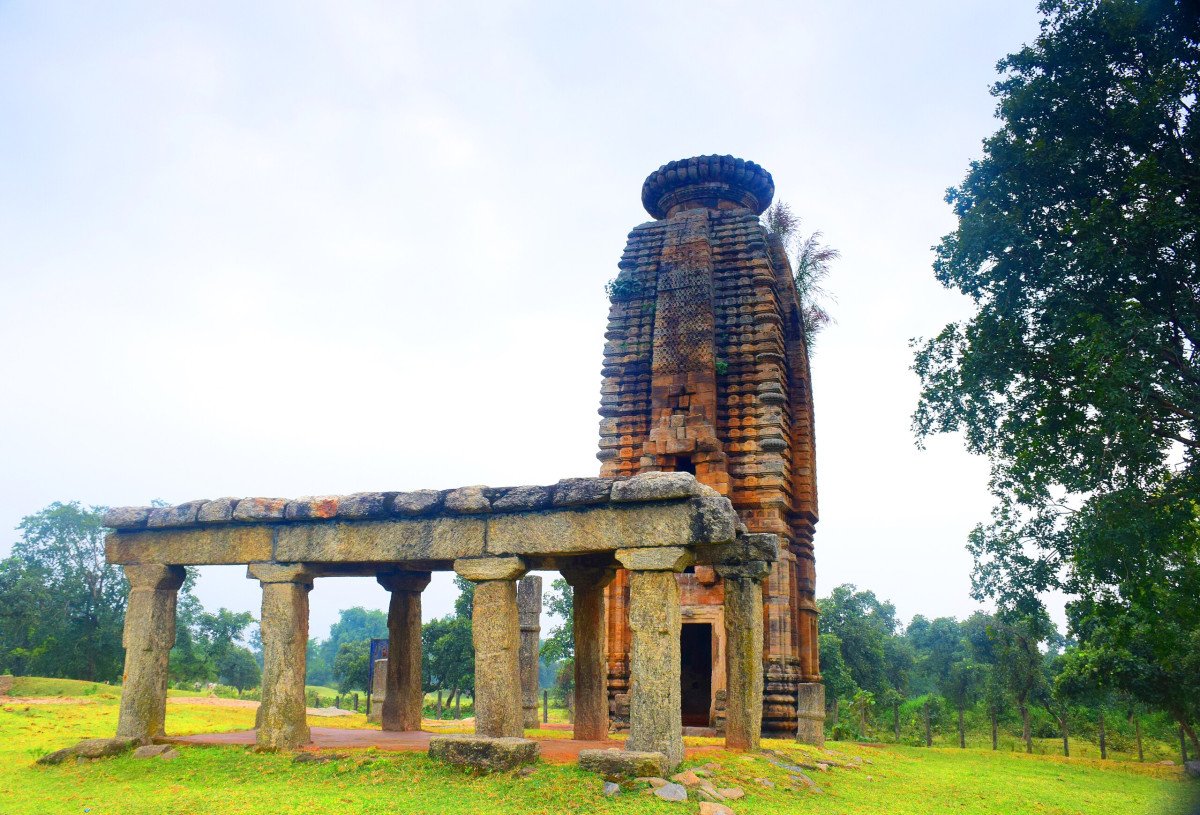
The Entrance Facade and Sculptural Remnants: Get close to the main entrance and the lower plinth to photograph the remaining, partially preserved relief sculptures. These close-up shots capture the intricate artistic details of the ancient artisans. Focus on the figures, the patterns, and the texture of the weathered stone. These photographs are important for documenting the historical artistry of the monument, which is often lost in wide-angle shots.Photo Gallery
Things To Do
-
Architectural and Historical Documentation: Dedicate time to meticulously study the temple's structure. Walk around the entire base to observe the change in the wall segments, the Shikhara's curvature, and the remaining carvings. Bring a notebook to sketch the architectural components, focusing on the precision of the stone cutting and joining, which was achieved without modern cement. Imagine the massive effort involved in raising the heavy Amalaka stone to the top. This focused, detailed observation will turn a brief stop into a rewarding historical and architectural exploration of ancient Purulia.
Archaeological Site Photography: Banda Deul is an exceptional subject for black-and-white photography, which emphasizes the textures, shadows, and the temple's monumental form against the sky. Capture the soaring lines of the Re...
Information
-
Why Famous:
Architectural Significance: The primary fame of Banda Deul rests on its architectural integrity. It is one of the best-preserved examples of the Rekha Deul style of temple building in the region outside of Odisha. For historians and architects, it provides a crucial link i...Architectural Significance: The primary fame of Banda Deul rests on its architectural integrity. It is one of the best-preserved examples of the Rekha Deul style of temple building in the region outside of Odisha. For historians and architects, it provides a crucial link in the development of temple architecture in Eastern India, showing a unique blend of local Bengali and neighboring styles. Its construction without modern cement, relying purely on interlocking stone, is a testament to the ancient engineering skills, attracting specialized academic interest.
Historical and Religious Mystery: The temple's history is shrouded in ambiguity, oscillating between possible Jain origins (given Purulia's history as a Jain center) and its current identity as a Shaivite temple. This historical mystery and the lack of concrete inscriptional evidence draw scholars and curious tourists interested in unraveling the cultural evolution of the region. The sheer age of the structure, likely dating back to the 9th to 11th centuries, makes it a powerful emblem of the ancient kingdoms that once flourished in Purulia.
Photogenic Isolation and Grandeur: Despite its partial ruin, the towering height and imposing form of the Deul against the flat, rural landscape create a dramatic visual contrast. Its isolated location in the Banda village, far from urban sprawl, allows for pure, unadulterated photographs of an ancient monument. This romanticized, solitary grandeur appeals greatly to photographers and those seeking quiet, contemplative experiences away from crowded tourist attractions. The surrounding paddy fields often provide a beautiful, seasonal foreground to the massive stone structure. -
Architecture:
The Rekha Deul Style: The Banda Deul perfectly exemplifies the Rekha Deul architectural style, characterized by its towering, curvilinear spire (Shikhara). This spire rises vertically from a square base, curving inwards as it ascends, culminating in a heavy circular disc st...The Rekha Deul Style: The Banda Deul perfectly exemplifies the Rekha Deul architectural style, characterized by its towering, curvilinear spire (Shikhara). This spire rises vertically from a square base, curving inwards as it ascends, culminating in a heavy circular disc stone (Amalaka) and a crowning finial (Kalas), though the top portions are partially damaged. The entire structure is built without mortar, relying on the precision of cut stone blocks, a sophisticated technique of the period. The square plan of the sanctum (Garbhagriha) is typical of the style, designed to create a dark, womb-like space for the deity.
Dimension and Form: The temple stands on a high plinth (Pitha), elevating it above the ground and giving it a more imposing presence. While exact original dimensions vary due to reconstruction, the base is roughly 6 meters by 6 meters, and the remaining Shikhara stands approximately 15 to 18 meters tall. The vertical sections of the spire (Bada) are divided into segments, providing surfaces for the sculptural ornamentation, which, even in its deteriorated state, showcases remarkable craftsmanship. The heavy use of mouldings and vertical ribs (Rathas) gives the structure a strong, rhythmic upward thrust, drawing the viewer's eye towards the heavens. The interior space, the Garbhagriha, is small and dark, contrasting with the monumental exterior.
Sculptural Decoration: The temple's exterior was once lavishly decorated with carvings, primarily focused on the entrance portal and the base of the spire. These decorations included figures of Hindu deities (often depicting scenes of war, worship, and daily life), intricate geometric patterns, and stylized floral motifs (Lata Karma). The remaining sculptures are powerful, showing a distinct folk influence mixed with classical artistic elements, indicating patronage by local rulers who embraced various religious streams. The transition from the wall to the spire is marked by a distinctive architectural element known as the Gandi, showcasing the structural sophistication of the builders. -
How To Reach:
By Air: The nearest major airport is Netaji Subhas Chandra Bose International Airport (CCU) in Kolkata, approximately 330 KMS away. From the airport, the most practical route is to travel by train to Purulia or Adra and then hire a cab, or directly hire a private taxi for t... -
Near Tourist Places:
Panchakot Raj Palace Ruins: 55 KMS
Kukuburu Hill: 40 KMS
Deulghata Temples: 75 KMS
Purulia Town (Junction): 90 KMS
Para Deul Temple: 70 KMS
Murguma Dam: 85 KMS
Adra Junction: 70 KMS
Joychandi Pahar: 95 KMS
Garh Panchakot: 60 KMS
Muradi Dam / Boronti: 110 KMS
Tourism Tips
-
Health & Safety Topic Heading: Wear flat, sturdy shoes, as the ground around the temple is uneven, and the plinth stones can be slippery. Carry insect repellent, especially in the early morning or evening, due to the proximity to fields and a village tank. Since it is a re...
Reviews
Information about New and Updated Locations(575+) of West Bengal Has Been Added :-
Card subtitle
Note:-
Information provided here in good Faith and for reference only.
All information and pictures will be updated soon, please keep visiting.
Near Places

Ajodhya Hill View Point
Some quick example text to build on the card title and make up the bulk of the card's content.
Go somewhere
Ajodhya Hills Dams & Bamni Falls
Some quick example text to build on the card title and make up the bulk of the card's content.
Go somewhere
Ajodhya Pahar Hairpin View Point
Some quick example text to build on the card title and make up the bulk of the card's content.
Go somewhere
Ayodhya Hills
Some quick example text to build on the card title and make up the bulk of the card's content.
Go somewhere
Bamni Falls
Some quick example text to build on the card title and make up the bulk of the card's content.
Go somewhere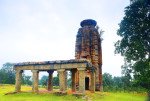
Banda Deul
Some quick example text to build on the card title and make up the bulk of the card's content.
Go somewhere
Baranti Reservoir
Some quick example text to build on the card title and make up the bulk of the card's content.
Go somewhere
Begunkodar
Some quick example text to build on the card title and make up the bulk of the card's content.
Go somewhere
Charidah
Some quick example text to build on the card title and make up the bulk of the card's content.
Go somewhere
Deulghata Temple Ruins
Some quick example text to build on the card title and make up the bulk of the card's content.
Go somewherein Other Cities