

Panki Hanuman Temple
General information
-
Ideal Duration:
1. 5 HoursPlace Type:
Religious Site (Hindu Temple), Spiritual CenterEntry Fees:
No Entry Fee for Worship: There is absolutely no entry fee to visit the Panki Hanuman Temple for Darshan (viewing of the deity) and general worship, following the tradition of most Hindu temples in India.
Voluntary Donations: Visitors are we...No Entry Fee for Worship: There is absolutely no entry fee to visit the Panki Hanuman Temple for Darshan (viewing of the deity) and general worship, following the tradition of most Hindu temples in India.
Voluntary Donations: Visitors are welcome to offer voluntary donations in the designated Hundi (collection boxes) to contribute towards the temple's daily maintenance, the conduct of Aarti and festivals, and the preparation of the bhandara (community feast).
Fees for Special Rituals: Devotees wishing to have a special Puja (prayer) performed in their name or for specific offerings might pay a small, fixed fee to the temple priests, covering the cost of materials and the service.Timing:
Regular Timings: Open daily from 5:00 AM to 10:
00 PM (or till the evening Aarti is complete): The temple opens very early to accommodate morning Darshan and remains open late into the evening.
Ideal Visit Time:Regular Timings: Open daily from 5:00 AM to 10:
00 PM (or till the evening Aarti is complete): The temple opens very early to accommodate morning Darshan and remains open late into the evening.
Ideal Visit Time: The ideal time to visit is during the late morning on a non-Tuesday weekday to avoid the massive crowds while still experiencing the temple's serenity. To witness the maximum devotion and the most vibrant atmosphere, visit on a Tuesday morning, accepting the long queues and large crowds as part of the unique experience.Special Events:
Buddha Mangal (Bada Mangal): This is the most significant special event, celebrated on every Tuesday of the Hindu month of Jyeshtha (May/June). The temple complex overflows with thousands of devotees, and grand bhandaras are organized across Kanpur, with the Panki temple be...Buddha Mangal (Bada Mangal): This is the most significant special event, celebrated on every Tuesday of the Hindu month of Jyeshtha (May/June). The temple complex overflows with thousands of devotees, and grand bhandaras are organized across Kanpur, with the Panki temple being a key epicenter of the celebrations.
Hanuman Jayanti: The birth of Lord Hanuman, usually falling in March or April, is celebrated with extreme devotion, special prayers, processions, and devotional singing (bhajans) that last throughout the day and night.Best Photo Spots:
The Main Temple Gopuram (Tower): Capturing the towering and often brightly painted Gopuram (temple tower) from a distance, framed by the surrounding greenery, offers the most iconic and visually striking photograph of the temple's structure.
The...The Main Temple Gopuram (Tower): Capturing the towering and often brightly painted Gopuram (temple tower) from a distance, framed by the surrounding greenery, offers the most iconic and visually striking photograph of the temple's structure.
The Idol's Darshan: While photography inside the immediate sanctum sanctorum may be restricted, capturing the grand doors or the general atmosphere of the main prayer hall, filled with the faithful, provides a powerful image of devotion.
Festive Crowds and Colors: During major festivals like Buddha Mangal, capturing the sheer size of the devout crowd and the vibrant colors of the decorations, often in a wide-angle shot, creates a dynamic and culturally rich photographic memory.Photo Gallery
Things To Do
-
Attending the Morning and Evening Aarti: Participating in the daily Aarti ceremonies in the morning and evening is a deeply moving experience, filled with devotional chants, ringing bells, and the sight of the idol being worshipped with fervor.
Observing the Tuesday Rush: Visiting on a Tuesday (the day dedicated to Lord Hanuman) offers the most vibrant, intense spiritual atmosphere, allowing visitors to witness the massive, collective devotion of the local community.
Volunteering for the Temple Service: Tourists can respectfully ask to participate in the temple service, such as helping with organizing the bhandara or maintaining the premises, which is a great way to engage with the community and the temple's ethos.
Exploring the Ramayana Carvings: Taking time to ...Attending the Morning and Evening Aarti: Participating in the daily Aarti ceremonies in the morning and evening is a deeply moving experience, filled with devotional chants, ringing bells, and the sight of the idol being worshipped with fervor.
Observing the Tuesday Rush: Visiting on a Tuesday (the day dedicated to Lord Hanuman) offers the most vibrant, intense spiritual atmosphere, allowing visitors to witness the massive, collective devotion of the local community.
Volunteering for the Temple Service: Tourists can respectfully ask to participate in the temple service, such as helping with organizing the bhandara or maintaining the premises, which is a great way to engage with the community and the temple's ethos.
Exploring the Ramayana Carvings: Taking time to meticulously examine the intricate carvings on the temple walls, which depict stories from the Ramayana, offers a cultural and artistic appreciation of the epic's portrayal.
Seeking Blessings for Safe Travel: As Hanuman is often revered as the remover of obstacles and a protector, many devotees specifically visit to seek his blessings for safe journeys and the successful completion of endeavors.
Collecting Prasad: Partaking in the blessed food (Prasad) offered at the temple, typically sweet treats, is a small but important part of the ritualistic experience and a sign of the deity's favor.
Guided Tour for History: While often informal, seeking out a local priest or elder who can narrate the specific 400-year-old history and the tales associated with Mahant Parashostam Das Ji and Neem Karoli Baba enriches the visit.
Information
-
Why Famous:
The Changing Idol: The temple is most famous for the captivating belief that the idol of Lord Hanuman miraculously changes its appearance three times a day, representing different stages of life (Child, Youth, Adult). This unique spiritual phenomenon draws immense devotion ...The Changing Idol: The temple is most famous for the captivating belief that the idol of Lord Hanuman miraculously changes its appearance three times a day, representing different stages of life (Child, Youth, Adult). This unique spiritual phenomenon draws immense devotion and curiosity from all over India.
Connection to Neem Karoli Baba: The association with the revered saint Neem Karoli Baba (Maharaj-ji) and the miracle stories of bhandaras have given the temple a national profile, especially among the saint's followers, making it a place of modern spiritual pilgrimage. -
Architecture:
Harmonious Traditional and Contemporary Blend: The architecture of the Panki Hanuman Temple presents a pleasing mix of traditional Hindu temple design principles and contemporary construction elements, a common feature in temples that have undergone significant renovation an...Harmonious Traditional and Contemporary Blend: The architecture of the Panki Hanuman Temple presents a pleasing mix of traditional Hindu temple design principles and contemporary construction elements, a common feature in temples that have undergone significant renovation and expansion over centuries.
Focus on the Sanctum Sanctorum: The central focus is the sanctum sanctorum (Garbhagriha), which houses the revered idol of Lord Hanuman. The exterior of the main structure features elaborate carvings and colorful frescoes that illustrate various episodes from the epic Ramayana, visually narrating the life and service of Hanuman to Lord Rama.
Surrounding Structures: The temple complex is usually a cluster of structures, including a main prayer hall (Mandapa), smaller shrines dedicated to other deities, and large spaces for community gatherings and bhandaras. The surrounding complex often includes verdant gardens and large courtyards designed for the massive influx of devotees during festivals, ensuring proper crowd management. The overall dimensions are substantial enough to accommodate thousands of pilgrims, especially on Tuesdays and during festivals. -
How To Reach:
By Air: Kanpur Airport (KNU) is approximately 25 KMS away. Due to the distance, a pre-booked taxi or a ride-sharing service is the most comfortable and recommended way, taking about an hour.
By Train: The temple is located near the Panki Ra...By Air: Kanpur Airport (KNU) is approximately 25 KMS away. Due to the distance, a pre-booked taxi or a ride-sharing service is the most comfortable and recommended way, taking about an hour.
By Train: The temple is located near the Panki Railway Station, which is a local stop. However, the main hub is Kanpur Central Railway Station (CNB), about 13 KMS away. From CNB, you can hire a cab or take a local bus to the Panki area.
By Road: The temple is located off the main highway connecting Kanpur to other cities, making it easily accessible by private vehicle or local transport. The journey can take 30-45 minutes from the city center depending on the traffic.
By Local Transport: Shared auto-rickshaws and city buses operate routes that pass close to the Panki area and the railway station. Negotiate the fare with an auto-rickshaw driver from the city center beforehand. -
Weather and Best Time to Visit:
Winter Season (October to March): This is the best season for all-day visits. The weather is cool and pleasant, ideal for queueing and walking around the temple complex comfortably.
Monsoon Season (July to September): The weather is humid, ...Winter Season (October to March): This is the best season for all-day visits. The weather is cool and pleasant, ideal for queueing and walking around the temple complex comfortably.
Monsoon Season (July to September): The weather is humid, but the surrounding areas are often lush and green, offering a scenic view. Plan the visit around the rain.
Summer Season (April to June): This is the least ideal time due to intense heat, especially for the open courtyards. Visit only in the very early morning or late evening to beat the heat.
Different Parts of the Day: The best part of the day is the Morning (5 AM to 8 AM) to witness the first Aarti and the tranquil atmosphere before the day's heat and crowd build up. -
Near Tourist Places:
Panki Industrial Area (2 KMS), IIT Kanpur (10 KMS), Kanpur Zoo (Allen Forest Zoo) (7 KMS), Moti Jheel (9 KMS), Sisamau Bazaar (11 KMS), Bithoor (Historical Town - 20 KMS), Maharishi Valmiki Ashram (Bithoor - 20 KMS), Green Park Stadium (12 KMS), JK Temple (11 KMS), Ganga Barrage (15 KMS).
Tourism Tips
-
Health & Safety: Be mindful of large crowds, especially on Tuesdays and during festivals. Keep your belongings secure. Shoes must be removed before entering the temple; wear or carry socks if the ground is hot.
Packing: Dress code is mode...Health & Safety: Be mindful of large crowds, especially on Tuesdays and during festivals. Keep your belongings secure. Shoes must be removed before entering the temple; wear or carry socks if the ground is hot.
Packing: Dress code is modest (covering shoulders and knees) as a sign of respect for the religious site. Carry a small water bottle. Avoid carrying large bags, which may not be allowed inside the main sanctum.
Accommodation: Hotels in the main city (near The Mall Road or Civil Lines) are the best options, requiring a short commute to the temple. Few dedicated tourist accommodations are available in the Panki area itself.
Other Different Topics: Do not take photographs within the sanctum sanctorum unless permitted. Respect the temple's rules regarding queue management and behavior, and accept the Prasad with reverence.
Reviews
FAQs
Kanpur Itineray And Cost:-
Panki Hanuman Temple Tourism:-
Other Places In Kanpur :-
Other States In India :-
Information about New and Updated Locations() of Uttar Pradesh Has Been Added :-
Card subtitle
Note:-
Information provided here in good Faith and for reference only.
Near Places
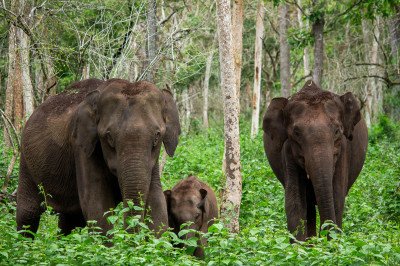
Allen Forest Zoo
Some quick example text to build on the card title and make up the bulk of the card's content.
Go somewhere
Anandeshwar Temple
Some quick example text to build on the card title and make up the bulk of the card's content.
Go somewhere
Bhitargaon Temple
Some quick example text to build on the card title and make up the bulk of the card's content.
Go somewhere
Bithoor
Some quick example text to build on the card title and make up the bulk of the card's content.
Go somewhere
Blue World Theme Park
Some quick example text to build on the card title and make up the bulk of the card's content.
Go somewhere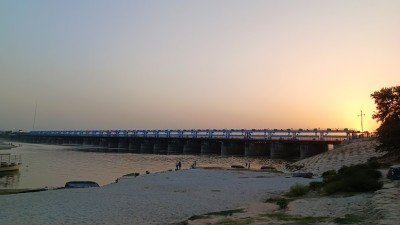
Ganga Barrage
Some quick example text to build on the card title and make up the bulk of the card's content.
Go somewhere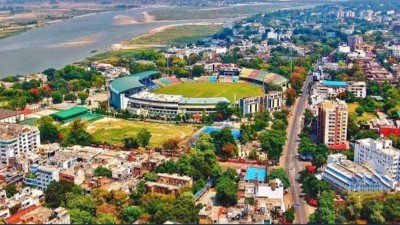
Green Park Stadium
Some quick example text to build on the card title and make up the bulk of the card's content.
Go somewhere
ISKCON Temple
Some quick example text to build on the card title and make up the bulk of the card's content.
Go somewhere
Jain Glass Temple
Some quick example text to build on the card title and make up the bulk of the card's content.
Go somewhere
Jajmau
Some quick example text to build on the card title and make up the bulk of the card's content.
Go somewhere
Japanese Garden
Some quick example text to build on the card title and make up the bulk of the card's content.
Go somewhere
Kamla Retreat
Some quick example text to build on the card title and make up the bulk of the card's content.
Go somewhere
Kanpur Memorial Church
Some quick example text to build on the card title and make up the bulk of the card's content.
Go somewhere
Kanpur Museum
Some quick example text to build on the card title and make up the bulk of the card's content.
Go somewhere
Massacre Ghat
Some quick example text to build on the card title and make up the bulk of the card's content.
Go somewhere
Moti Jheel
Some quick example text to build on the card title and make up the bulk of the card's content.
Go somewherein Other Cities