

Ashoka Pillar
General information
-
Ideal Duration:
1 HourPlace Type:
Ancient Monument/PilgrimageEntry Fees:
Archaeological Park Fee: INR 25 (Indians/SAARC/BIMSTEC) or INR 300 (Foreigners) (as part of the combined site entry ticket).
Camera Fee: INR 25 (Still Camera).
Video Fee: Higher charges apply. The fee is fo...Archaeological Park Fee: INR 25 (Indians/SAARC/BIMSTEC) or INR 300 (Foreigners) (as part of the combined site entry ticket).
Camera Fee: INR 25 (Still Camera).
Video Fee: Higher charges apply. The fee is for the entire complex, ensuring the preservation of this National Monument. :Timing:
Regular Timings: Sunrise to Sunset (Generally 6:00 AM to 6:00 PM).
Ideal Visit Time: Early morning (6:00 AM to 9:00 AM) for cooler temperatures and tranquil reflection, or late afternoon (after 4:00 PM) for softer light.
Read MoreRegular Timings: Sunrise to Sunset (Generally 6:00 AM to 6:00 PM).
Ideal Visit Time: Early morning (6:00 AM to 9:00 AM) for cooler temperatures and tranquil reflection, or late afternoon (after 4:00 PM) for softer light.
Avoid Mid-Day: The sun is harsh and the historical park offers limited shade from 11:00 AM to 3:00 PM. :Special Events:
Ashoka Jayanti: Celebration of Emperor Ashoka's birth, honoring his role in spreading Buddhism and the erection of such pillars.
Dharma Chakra Pravartana Day: An annual event, often in July, celebrating the Buddha's first sermon, drawing lar...Ashoka Jayanti: Celebration of Emperor Ashoka's birth, honoring his role in spreading Buddhism and the erection of such pillars.
Dharma Chakra Pravartana Day: An annual event, often in July, celebrating the Buddha's first sermon, drawing large numbers of monks and pilgrims. :Best Photo Spots:
Base of the Pillar: A close-up shot of the fragmented, polished shaft to highlight the Mauryan technique.
Ruins Panorama: A wide shot capturing the pillar ruins, the foundation of the Dharmarajika Stupa, and the backdrop of the surrounding p...Base of the Pillar: A close-up shot of the fragmented, polished shaft to highlight the Mauryan technique.
Ruins Panorama: A wide shot capturing the pillar ruins, the foundation of the Dharmarajika Stupa, and the backdrop of the surrounding park/site.
Golden Hour Silhouette: Photographing the ruins area early in the morning or at sunset when the light is soft and the atmosphere is serene. :Photo Gallery
Things To Do
-
Contemplate History: Meditate on the spot of the Dharma-Chakra-Pravartana.
Examine the Ruins: Observe the polished surface of the fragmented column base.
Photography: Capture the imposing, broken base against the backdrop of the excavated ruins.
Walk the Perimeter: Circumnambulate the site respectfully.
Historical Reading: Spend time reading the informational plaques provided by the ASI.
Feel the Energy: Absorb the spiritual and historical stillness of the ancient Mrigadava.
Adjacent Sites: Seamlessly transition to the Dhamek Stupa and Mulagandha Kuti Vihar ruins. :...Contemplate History: Meditate on the spot of the Dharma-Chakra-Pravartana.
Examine the Ruins: Observe the polished surface of the fragmented column base.
Photography: Capture the imposing, broken base against the backdrop of the excavated ruins.
Walk the Perimeter: Circumnambulate the site respectfully.
Historical Reading: Spend time reading the informational plaques provided by the ASI.
Feel the Energy: Absorb the spiritual and historical stillness of the ancient Mrigadava.
Adjacent Sites: Seamlessly transition to the Dhamek Stupa and Mulagandha Kuti Vihar ruins. :
Information
-
Why Famous:
National Emblem: Its crowning Lion Capital is the most recognized symbol of India.
First Sermon Marker: It directly marks the spot of the Buddha's first teaching.
Ashoka's Legacy: It represents Emperor Ashok...National Emblem: Its crowning Lion Capital is the most recognized symbol of India.
First Sermon Marker: It directly marks the spot of the Buddha's first teaching.
Ashoka's Legacy: It represents Emperor Ashoka's transformation from a warrior to a propagator of peace and Buddhism, a global movement. : -
Architecture:
Mauryan Artistry: The surviving portion is a monolithic polished sandstone column, characteristic of Mauryan sculpture, known for its mirror-like finish.
Dimensional Reference: Original height was about 15 meters. The capital (now in the mu...Mauryan Artistry: The surviving portion is a monolithic polished sandstone column, characteristic of Mauryan sculpture, known for its mirror-like finish.
Dimensional Reference: Original height was about 15 meters. The capital (now in the museum) comprises four addorsed lions on an abacus featuring four animals (elephant, bull, horse, lion) and a Dharma Chakra (Wheel of Law). The pillar's simple yet massive shaft represents the Axis Mundi (cosmic axis), spreading the Buddhist message across Ashoka's empire. : -
How To Reach:
By Air: Fly to Lal Bahadur Shastri International Airport (VNS), approx. 24 KM away; take a pre-paid taxi or cab.
By Train: Nearest major station is Varanasi Junction (BSB), approx. 10 KM away; an auto-rickshaw or taxi is the best option....By Air: Fly to Lal Bahadur Shastri International Airport (VNS), approx. 24 KM away; take a pre-paid taxi or cab.
By Train: Nearest major station is Varanasi Junction (BSB), approx. 10 KM away; an auto-rickshaw or taxi is the best option. Sarnath Railway Station (SRNT) is closer but has limited connectivity.
By Road: Well-connected to Varanasi (10 KM) via State Highway 10. Private taxis, local buses, and auto-rickshaws are readily available.
By Local Transport: Shared autos/e-rickshaws are the most economical option from Varanasi. : -
Weather and Best Time to Visit:
Winter (October to March): Best Time with pleasant temperatures (10°C to 25°C), perfect for long walks in the archaeological park.
Monsoon (July to September): The surrounding greenery is lush, but rainfall can be erratic.Winter (October to March): Best Time with pleasant temperatures (10°C to 25°C), perfect for long walks in the archaeological park.
Monsoon (July to September): The surrounding greenery is lush, but rainfall can be erratic.
Summer (April to June): Avoid, as temperatures can soar above 45°C, making daytime exploration difficult.
Part of the Day: Early morning is ideal for the best experience. : -
Near Tourist Places:
Dhamek Stupa (<1 KM>), Sarnath Archaeological Museum (Adjacent), Mulagandha Kuti Vihar (<1 KM>), Chaukhandi Stupa (3 KM), Japanese Temple (1 KM), Tibetan Temple (1 KM), Thai Temple (1 KM), Shri Digamber Jain Temple (<1 KM), Gautam Buddha Park (1 KM), Ramnagar Fort (16 KM)
Tourism Tips
-
Health & Safety: Carry water, wear a hat, and use sunscreen during the day. Footwear should be comfortable for walking on uneven terrain.
Packing: Bring binoculars for birdwatching in the adjacent Deer Park. Carry a small notebook for refl...Health & Safety: Carry water, wear a hat, and use sunscreen during the day. Footwear should be comfortable for walking on uneven terrain.
Packing: Bring binoculars for birdwatching in the adjacent Deer Park. Carry a small notebook for reflections.
Accommodation: Stay in Sarnath for a quieter experience or in Varanasi (10 KM) for better amenities and connectivity.
Respect: Maintain silence and respect the spiritual significance of the site, as it is a place of profound importance. :
Reviews
FAQs
Sarnath Itineray And Cost:-
Other Places In Sarnath :-
Other States In India :-
Information about New and Updated Locations() of Uttar Pradesh Has Been Added :-
Card subtitle
Note:-
Information provided here in good Faith and for reference only.
Near Places

Ashoka Pillar
Some quick example text to build on the card title and make up the bulk of the card's content.
Go somewhere
Chaukhandi Stupa
Some quick example text to build on the card title and make up the bulk of the card's content.
Go somewhere
Chunar Fort
Some quick example text to build on the card title and make up the bulk of the card's content.
Go somewhere
Deer Park
Some quick example text to build on the card title and make up the bulk of the card's content.
Go somewhere
Devdari Waterfall
Some quick example text to build on the card title and make up the bulk of the card's content.
Go somewhere
Dhamek Stupa
Some quick example text to build on the card title and make up the bulk of the card's content.
Go somewhere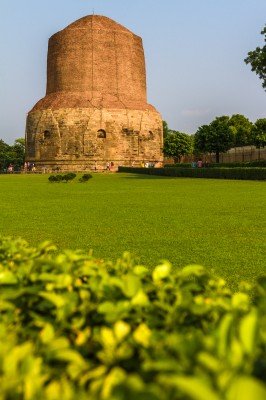
Garden of Spiritual Wisdom
Some quick example text to build on the card title and make up the bulk of the card's content.
Go somewhere
Japanese Temple
Some quick example text to build on the card title and make up the bulk of the card's content.
Go somewhere
Mulagandha Kuti Vihar
Some quick example text to build on the card title and make up the bulk of the card's content.
Go somewhere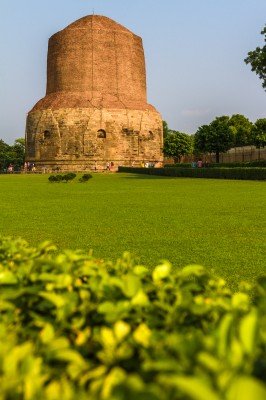
Rajdari Waterfall
Some quick example text to build on the card title and make up the bulk of the card's content.
Go somewhere
Sarnath Archaeological Museum
Some quick example text to build on the card title and make up the bulk of the card's content.
Go somewhere
Shri Digamber Jain Temple
Some quick example text to build on the card title and make up the bulk of the card's content.
Go somewhere
Statue of Standing Buddha
Some quick example text to build on the card title and make up the bulk of the card's content.
Go somewhere
Thai Temple and Monastery
Some quick example text to build on the card title and make up the bulk of the card's content.
Go somewhere
Tibetan Temple
Some quick example text to build on the card title and make up the bulk of the card's content.
Go somewhere
Vindhyavasini Devi Temple
Some quick example text to build on the card title and make up the bulk of the card's content.
Go somewherein Other Cities