Sarnath Archaeological Museum
General information
-
Ideal Duration:
1. 5 HoursPlace Type:
Museum/History/ArtEntry Fees:
Entry Fee: INR 25 (Indians/SAARC/BIMSTEC) or INR 300 (Foreigners) (as of latest available data).
Children: Free entry for children below the age of 15.
Camera: Photography inside the galleries is often stric...Entry Fee: INR 25 (Indians/SAARC/BIMSTEC) or INR 300 (Foreigners) (as of latest available data).
Children: Free entry for children below the age of 15.
Camera: Photography inside the galleries is often strictly prohibited or subject to a high fee; no flash photography is allowed. :Timing:
Regular Timings: 9:00 AM to 5:00 PM.
Closing Day: Closed every Friday and on major National Holidays.
Ideal Visit Time: After 9:00 AM when the museum opens; it is best to visit the archaeological park first...Regular Timings: 9:00 AM to 5:00 PM.
Closing Day: Closed every Friday and on major National Holidays.
Ideal Visit Time: After 9:00 AM when the museum opens; it is best to visit the archaeological park first and then transition to the air-conditioned museum around 11:00 AM to escape the sun. :Special Events:
Sawan Mela: A local fair in the month of August sometimes draws increased crowds to the museum.
Maha Bodhi Society Celebrations: The museum sees an increase in international visitors during the annual Karthik Purnima events in November.
...Sawan Mela: A local fair in the month of August sometimes draws increased crowds to the museum.
Maha Bodhi Society Celebrations: The museum sees an increase in international visitors during the annual Karthik Purnima events in November.
International Museum Day: Special talks and exhibits may be hosted on May 18th. :Best Photo Spots:
The Lion Capital: A focused shot of the sculpture (from a distance, as close-ups are prohibited) capturing its iconic status.
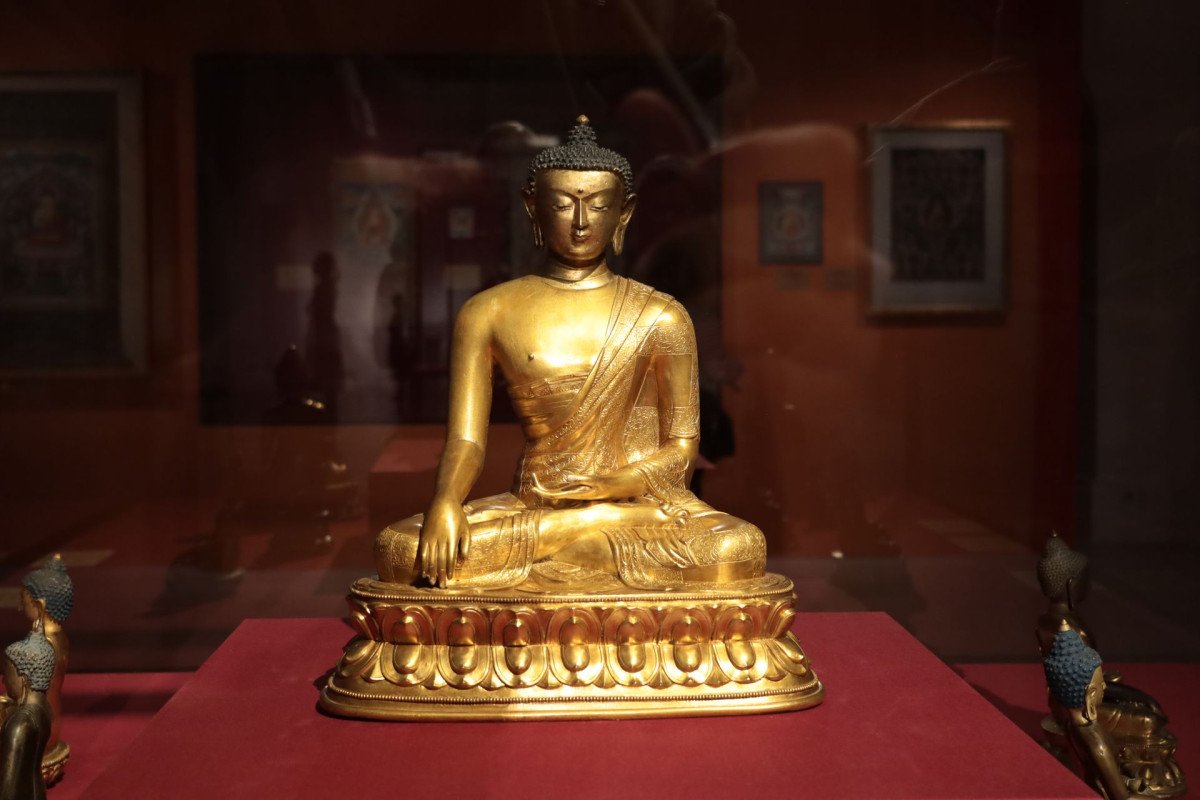
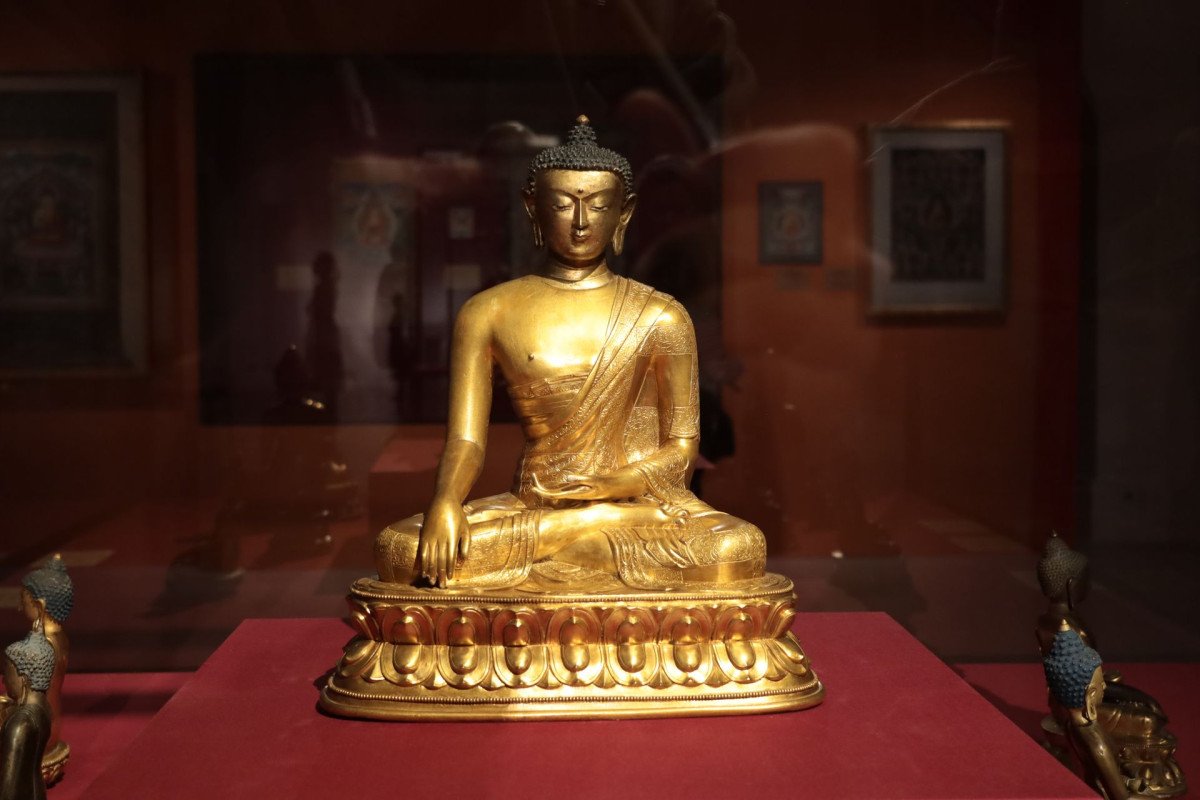
The Seated Buddha: A photograph of the serene Gupta-era Seated Buddha statue in the main gallery (again, check if p...The Lion Capital: A focused shot of the sculpture (from a distance, as close-ups are prohibited) capturing its iconic status.
The Seated Buddha: A photograph of the serene Gupta-era Seated Buddha statue in the main gallery (again, check if photography is allowed).
The Vihara-Style Exterior: A wide shot of the museum building itself, which is architecturally interesting and designed like a monastery. :Photo Gallery
Things To Do
-
View the Lion Capital: Spend time observing the Lion Capital from all angles; it is the most important artifact.
Study the Sculptures: Dedicate time to the Gupta-era statues, particularly the Seated Buddha, to appreciate the artistic mastery.
Read the Plaque: Read the detailed information plaques in the galleries to understand the historical context of each artifact.
Explore the Galleries: Methodically explore all five galleries, covering the Mauryan, Shunga, Kushan, and Gupta periods.
Seek Shade: Utilize the air-conditioned interior as a comfortable break from the heat of the outdoor ruins. :...View the Lion Capital: Spend time observing the Lion Capital from all angles; it is the most important artifact.
Study the Sculptures: Dedicate time to the Gupta-era statues, particularly the Seated Buddha, to appreciate the artistic mastery.
Read the Plaque: Read the detailed information plaques in the galleries to understand the historical context of each artifact.
Explore the Galleries: Methodically explore all five galleries, covering the Mauryan, Shunga, Kushan, and Gupta periods.
Seek Shade: Utilize the air-conditioned interior as a comfortable break from the heat of the outdoor ruins. :
Information
-
Why Famous:
The Lion Capital: It is globally renowned as the home of the original Lion Capital, the magnificent sculpture that became the National Emblem of India.
Gupta Masterpieces: It holds masterpieces of Gupta sculpture, especially the sublime Seat...The Lion Capital: It is globally renowned as the home of the original Lion Capital, the magnificent sculpture that became the National Emblem of India.
Gupta Masterpieces: It holds masterpieces of Gupta sculpture, especially the sublime Seated Buddha statue, considered a high point of Indian art.
Ancient Art Preservation: It is a critical center for preserving the history of Buddhism in India, showcasing the evolution of art from Mauryan to Gupta and later periods. : -
Architecture:
Buddhist Vihara Pattern: The museum building itself is designed in the pattern of a Buddhist Vihara (monastery) to complement the site's history, featuring five galleries and two verandahs for displays.
Key Exhibits: The central hall holds t...Buddhist Vihara Pattern: The museum building itself is designed in the pattern of a Buddhist Vihara (monastery) to complement the site's history, featuring five galleries and two verandahs for displays.
Key Exhibits: The central hall holds the most precious artifacts: the original Lion Capital of Ashoka, the colossal standing Bodhisattva statue (Mathura School), and railings from the Shunga period.
Gupta Gallery: Features some of the finest examples of Gupta sculpture, including the famous Seated Buddha in Dharma-Chakra-Pravartana Mudra (The gesture of the First Sermon).
Dimensions: A compact but well-organized museum with climate-controlled galleries designed for focused viewing of rare artifacts. : -
How To Reach:
By Air: Fly to VNS (24 KM); take a taxi or cab.
By Train: Closest to BSB (10 KM); take an auto-rickshaw or taxi.
By Road: Located right next to the entrance of the main archaeological park.By Air: Fly to VNS (24 KM); take a taxi or cab.
By Train: Closest to BSB (10 KM); take an auto-rickshaw or taxi.
By Road: Located right next to the entrance of the main archaeological park.
By Local Transport: Easily accessible by local auto or e-rickshaw from Varanasi and within Sarnath town. : -
Weather and Best Time to Visit:
Winter (October to March): Best Time for travel in general, but the museum is always climate-controlled.
Mid-Day: Highly recommended time to visit to take advantage of the air-conditioned galleries and avoid the hottest part of the day.
...Winter (October to March): Best Time for travel in general, but the museum is always climate-controlled.
Mid-Day: Highly recommended time to visit to take advantage of the air-conditioned galleries and avoid the hottest part of the day.
Avoid Friday: The museum is closed every Friday. : -
Near Tourist Places:
Ashoka Pillar (Original Site) (Adjacent), Dhamek Stupa (Adjacent), Mulagandha Kuti Vihar (Adjacent), Deer Park (Rishi Park) (Adjacent), Shri Digamber Jain Temple (<1 KM), Japanese Temple (1 KM), Thai Temple (1 KM), Tibetan Temple (1 KM), Statue of Standing Buddha (1 KM), Chaukhandi Stupa (3 KM)
Tourism Tips
-
Health & Safety: The museum is climate-controlled and safe. No food or drink is allowed inside.
Packing: Do not bring large bags; they must be deposited at the cloakroom. Leave cameras and phones in the locker if internal photography is p...Health & Safety: The museum is climate-controlled and safe. No food or drink is allowed inside.
Packing: Do not bring large bags; they must be deposited at the cloakroom. Leave cameras and phones in the locker if internal photography is prohibited.
Respect: Maintain a quiet environment inside the museum galleries.
Combo Ticket: Check if a combined ticket is available for the archaeological site and the museum (often saving money). :
Reviews
FAQs
Sarnath Itineray And Cost:-
Sarnath Archaeological Museum Tourism:-
Other Places In Sarnath :-
Other States In India :-
Information about New and Updated Locations() of Uttar Pradesh Has Been Added :-
Card subtitle
Note:-
Information provided here in good Faith and for reference only.
Near Places

Ashoka Pillar
Some quick example text to build on the card title and make up the bulk of the card's content.
Go somewhere
Chaukhandi Stupa
Some quick example text to build on the card title and make up the bulk of the card's content.
Go somewhere
Chunar Fort
Some quick example text to build on the card title and make up the bulk of the card's content.
Go somewhere
Deer Park
Some quick example text to build on the card title and make up the bulk of the card's content.
Go somewhere
Devdari Waterfall
Some quick example text to build on the card title and make up the bulk of the card's content.
Go somewhere
Dhamek Stupa
Some quick example text to build on the card title and make up the bulk of the card's content.
Go somewhere
Garden of Spiritual Wisdom
Some quick example text to build on the card title and make up the bulk of the card's content.
Go somewhere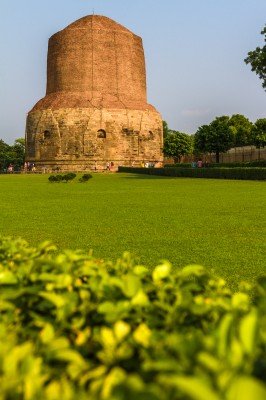
Japanese Temple
Some quick example text to build on the card title and make up the bulk of the card's content.
Go somewhere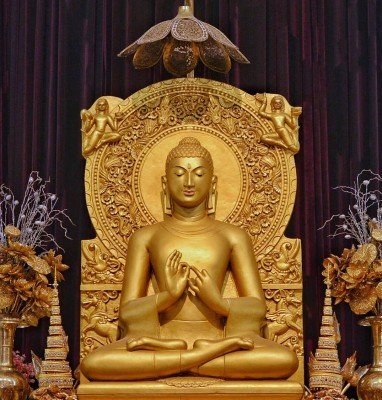
Mulagandha Kuti Vihar
Some quick example text to build on the card title and make up the bulk of the card's content.
Go somewhere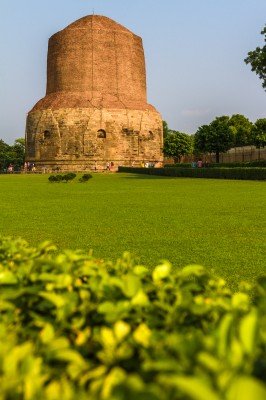
Rajdari Waterfall
Some quick example text to build on the card title and make up the bulk of the card's content.
Go somewhere
Sarnath Archaeological Museum
Some quick example text to build on the card title and make up the bulk of the card's content.
Go somewhere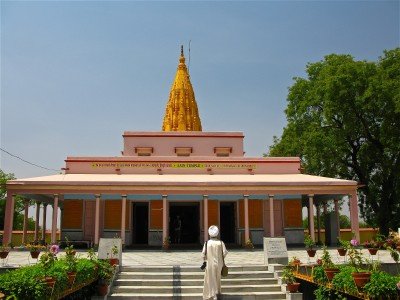
Shri Digamber Jain Temple
Some quick example text to build on the card title and make up the bulk of the card's content.
Go somewhere
Statue of Standing Buddha
Some quick example text to build on the card title and make up the bulk of the card's content.
Go somewhere
Thai Temple and Monastery
Some quick example text to build on the card title and make up the bulk of the card's content.
Go somewhere
Tibetan Temple
Some quick example text to build on the card title and make up the bulk of the card's content.
Go somewhere
Vindhyavasini Devi Temple
Some quick example text to build on the card title and make up the bulk of the card's content.
Go somewherein Other Cities