
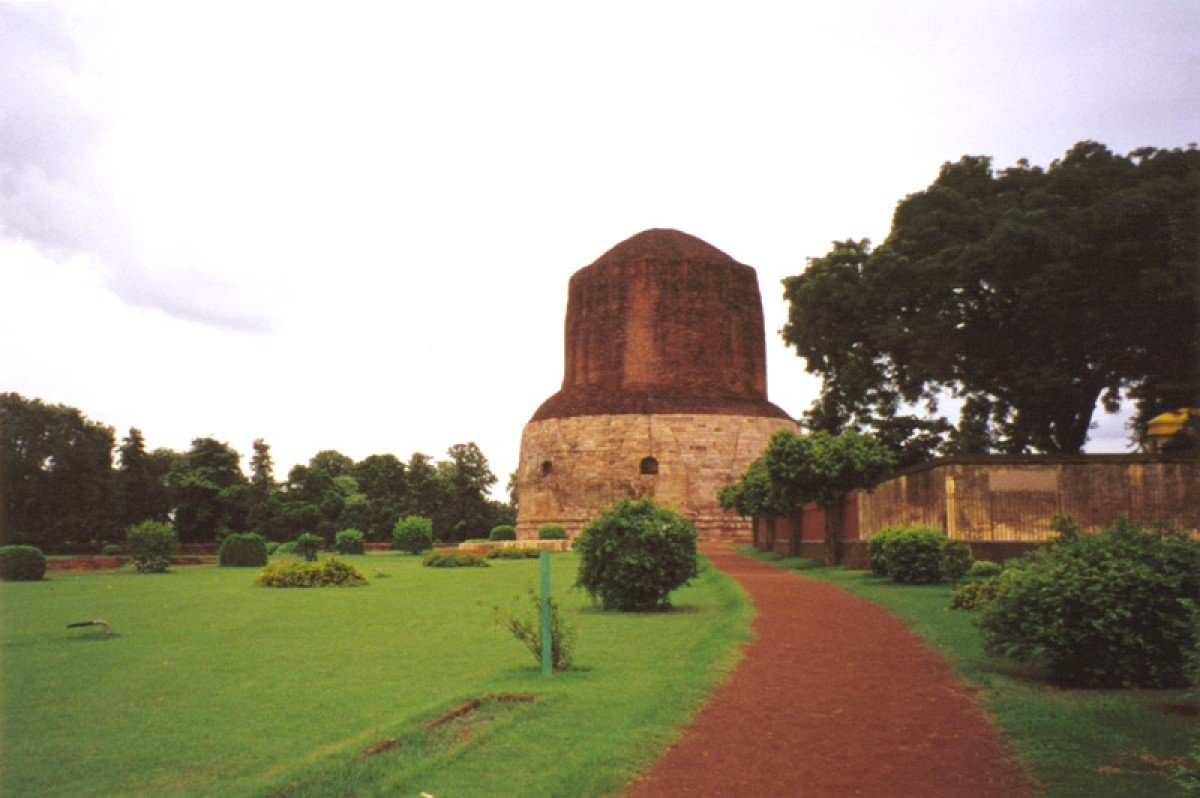
Japanese Temple
General information
-
Ideal Duration:
45 MinutesPlace Type:
Buddhist Temple/InternationalEntry Fees:
Free Entry: Entry to the temple is generally free for all visitors.
Donations: Donations for the temple's maintenance are accepted but not mandatory. This is a common practice for modern international temples. :...Free Entry: Entry to the temple is generally free for all visitors.
Donations: Donations for the temple's maintenance are accepted but not mandatory. This is a common practice for modern international temples. :Timing:
Regular Timings: Generally open from 6:00 AM to 5:00 PM (often closes for a short break around noon).
Ideal Visit Time: Early morning (6:00 AM to 7:00 AM) to witness the morning chanting and experience maximum tranquility.
Read MoreRegular Timings: Generally open from 6:00 AM to 5:00 PM (often closes for a short break around noon).
Ideal Visit Time: Early morning (6:00 AM to 7:00 AM) to witness the morning chanting and experience maximum tranquility.
Late Afternoon: Before the 5:00 PM closing, for quiet reflection. :Special Events:
Nichiren Celebrations: Festivals specific to the Nichiren Shu sect, such as the birthday of Nichiren Daishonin, are celebrated with special prayer sessions and community events.
Obon Festival: While primarily a Japanese festival in August, t...Nichiren Celebrations: Festivals specific to the Nichiren Shu sect, such as the birthday of Nichiren Daishonin, are celebrated with special prayer sessions and community events.
Obon Festival: While primarily a Japanese festival in August, the temple may hold related ceremonies to honor ancestors.
Daily Prayer: The most consistent special event is the daily morning and evening chanting ritual, offering a focused spiritual moment. :Best Photo Spots:
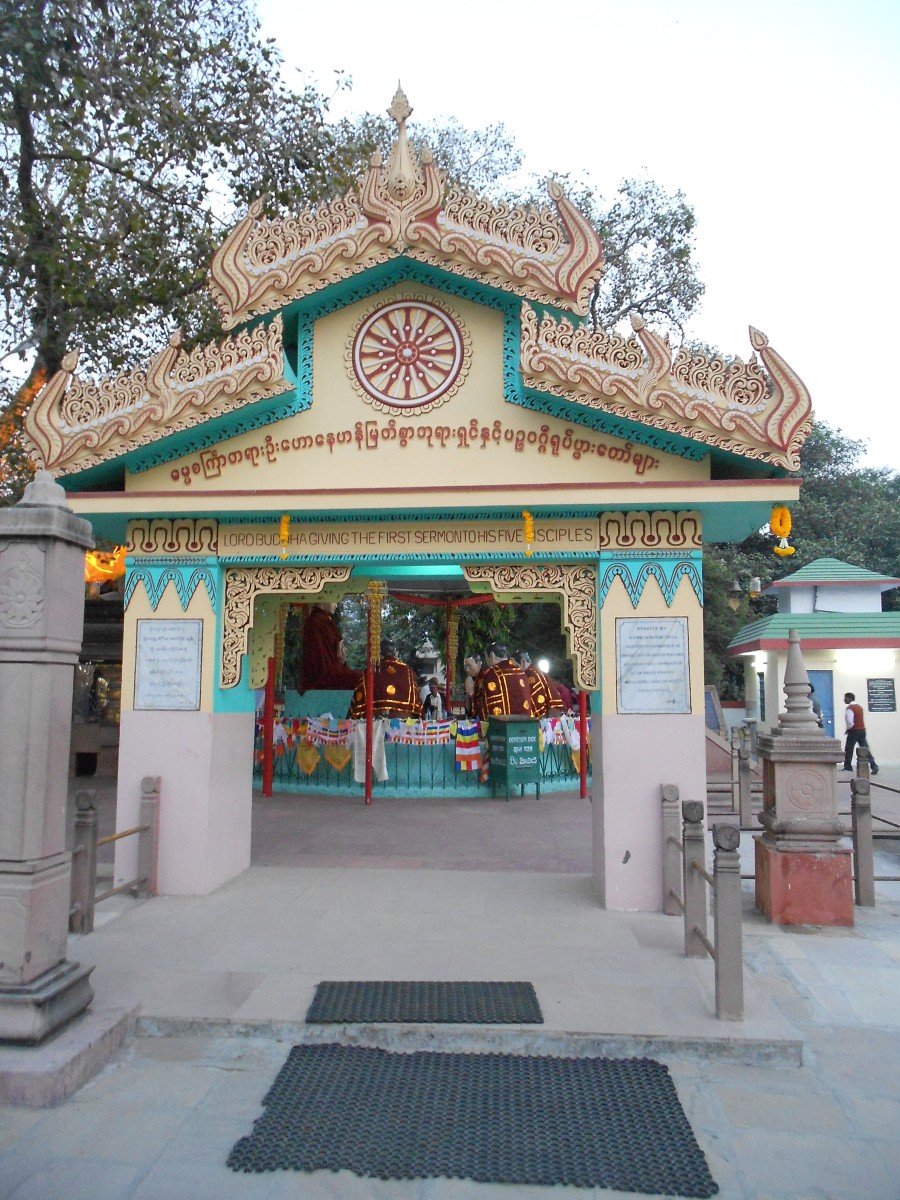
The Main Gate: A low-angle shot of the distinctive Japanese-style wooden gate and roofline.
Bell Tower: A photograph of the large bronze bell, especially if it is being rung by a monk or pilgrim.
Interior Sanctu...The Main Gate: A low-angle shot of the distinctive Japanese-style wooden gate and roofline.
Bell Tower: A photograph of the large bronze bell, especially if it is being rung by a monk or pilgrim.
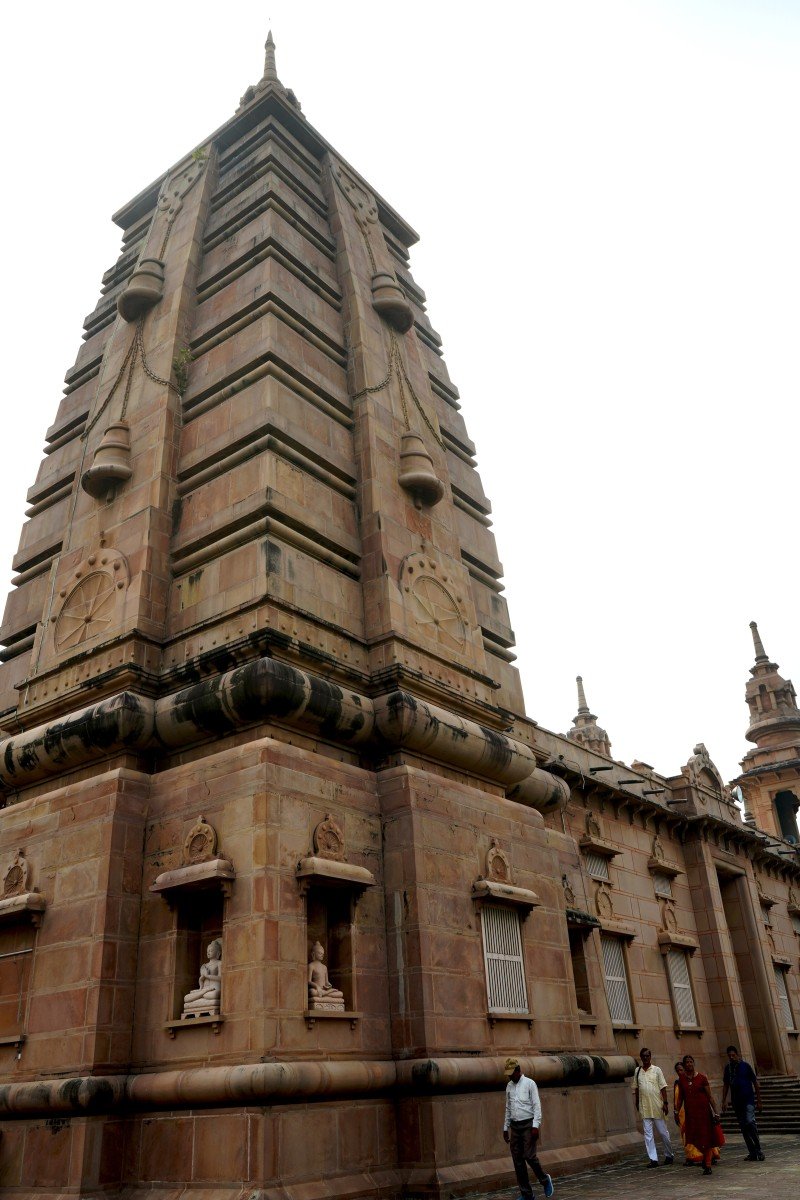
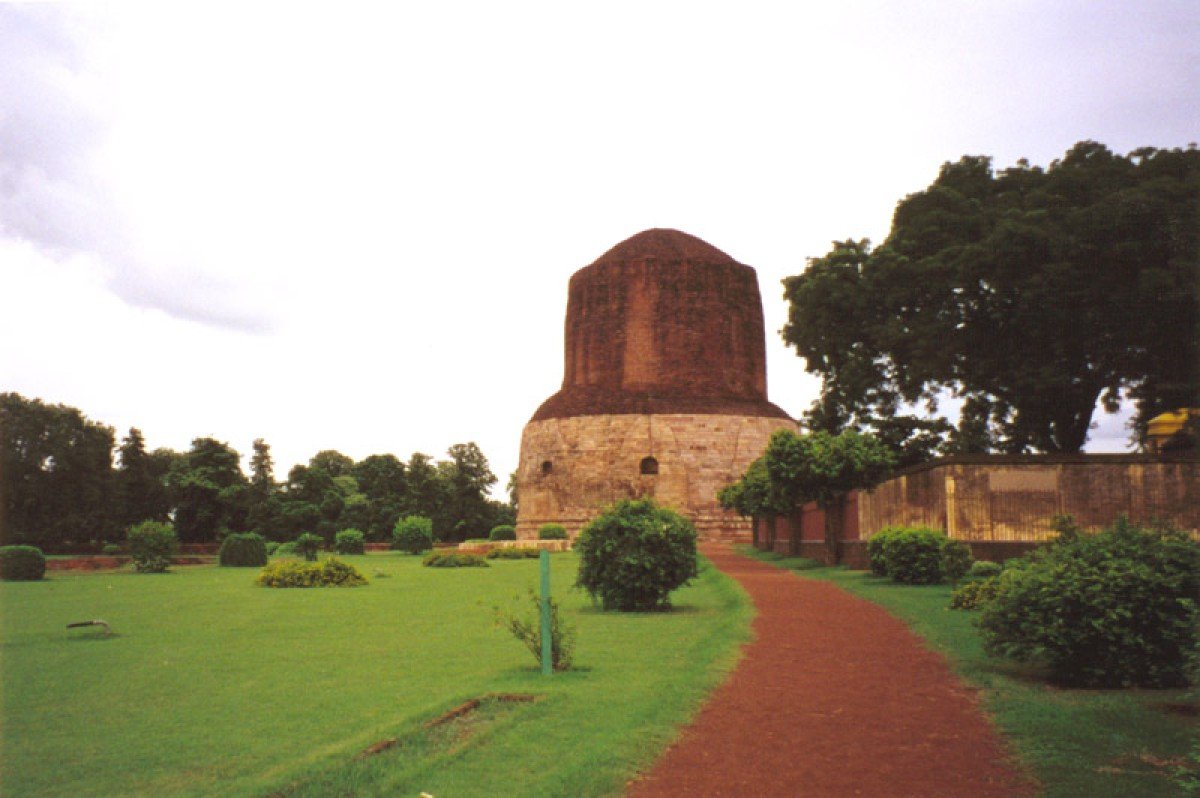
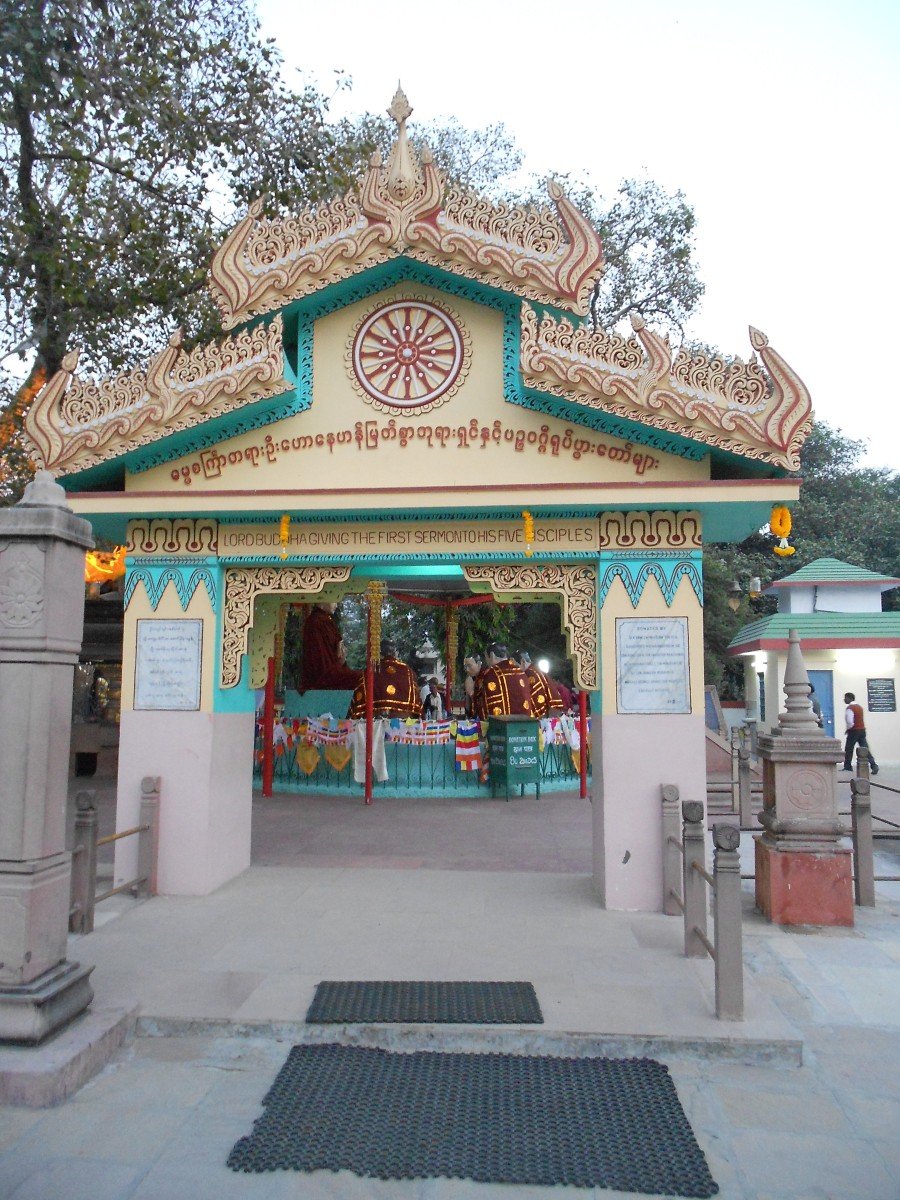
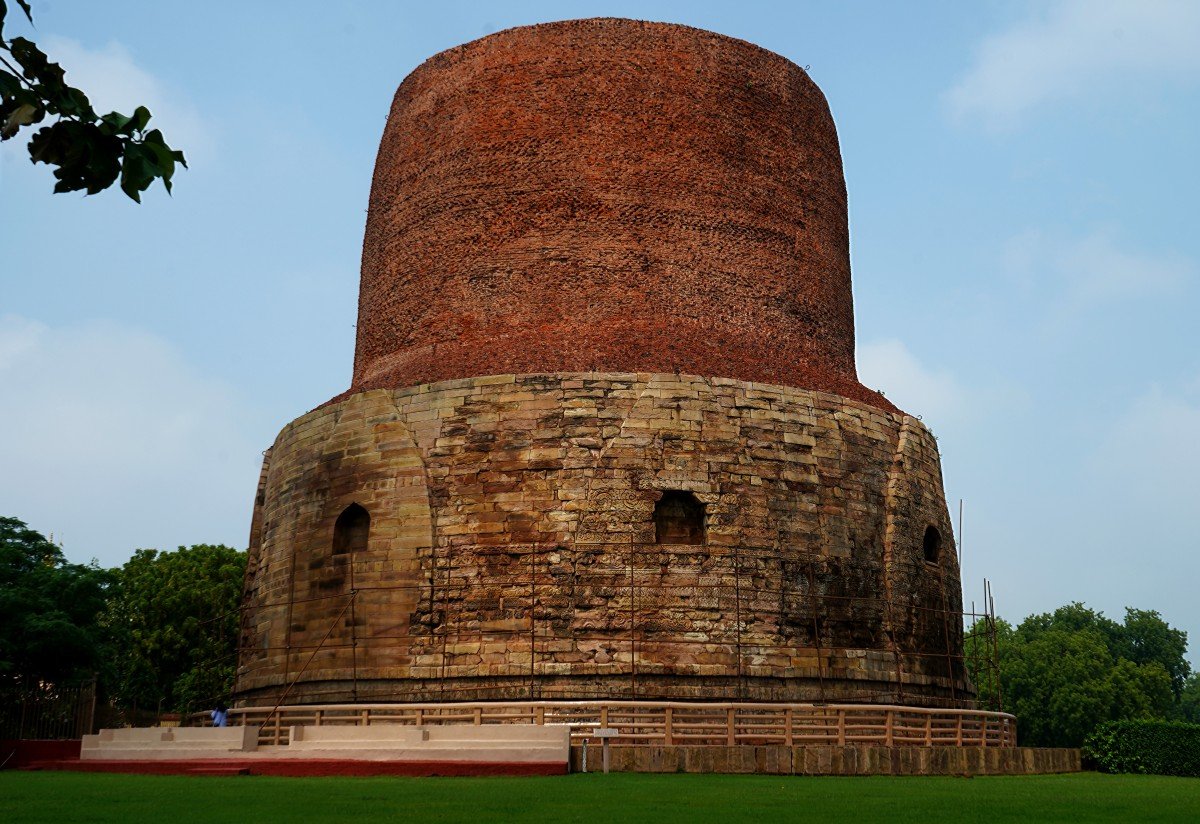
Interior Sanctuary: A respectful, wide shot of the simple, uncluttered interior with the Buddha statue, capturing the temple's serene mood (check if photography is allowed inside). :Photo Gallery
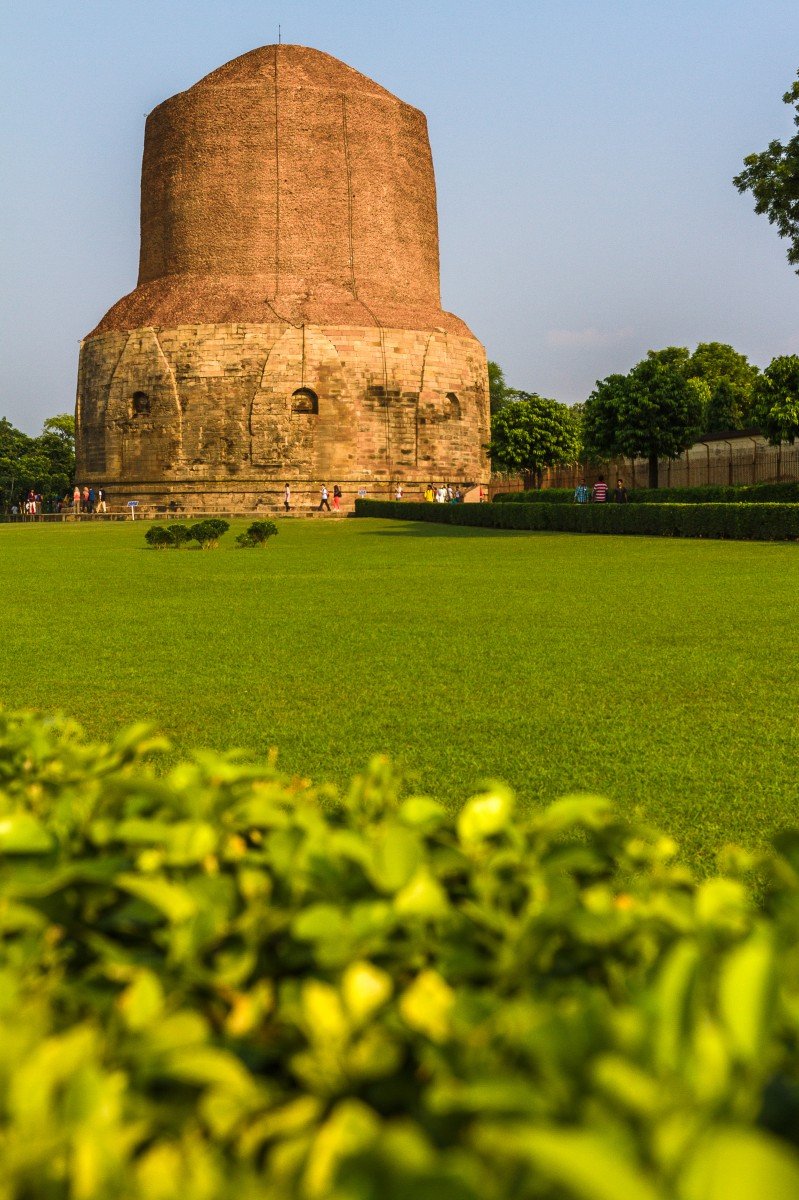
Things To Do
-
Attend Prayer: Observe or participate in the daily prayer and chanting rituals, often held in the morning and evening.
Ring the Peace Bell: Take a moment to ring the large temple bell (if permitted) as a prayer for world peace.
Meditate: Sit quietly in the peaceful and austere temple hall for reflection.
Explore the Garden: Walk through the simple, serene Japanese garden, admiring the different aesthetics.
Photography: Capture the unique Japanese architectural details and the bell tower's structure. :...Attend Prayer: Observe or participate in the daily prayer and chanting rituals, often held in the morning and evening.
Ring the Peace Bell: Take a moment to ring the large temple bell (if permitted) as a prayer for world peace.
Meditate: Sit quietly in the peaceful and austere temple hall for reflection.
Explore the Garden: Walk through the simple, serene Japanese garden, admiring the different aesthetics.
Photography: Capture the unique Japanese architectural details and the bell tower's structure. :
Information
-
Why Famous:
Indo-Japanese Relations: It represents the modern cultural and religious bond between India and Japan.
Nichiren Tradition: It is a center for the Nichiren Shu school of Buddhism, which focuses on the teachings of the Lotus Sutra.Indo-Japanese Relations: It represents the modern cultural and religious bond between India and Japan.
Nichiren Tradition: It is a center for the Nichiren Shu school of Buddhism, which focuses on the teachings of the Lotus Sutra.
Peace Bell: The presence of a large Peace Bell (if available) symbolizes the call for global peace and harmony. : -
Architecture:
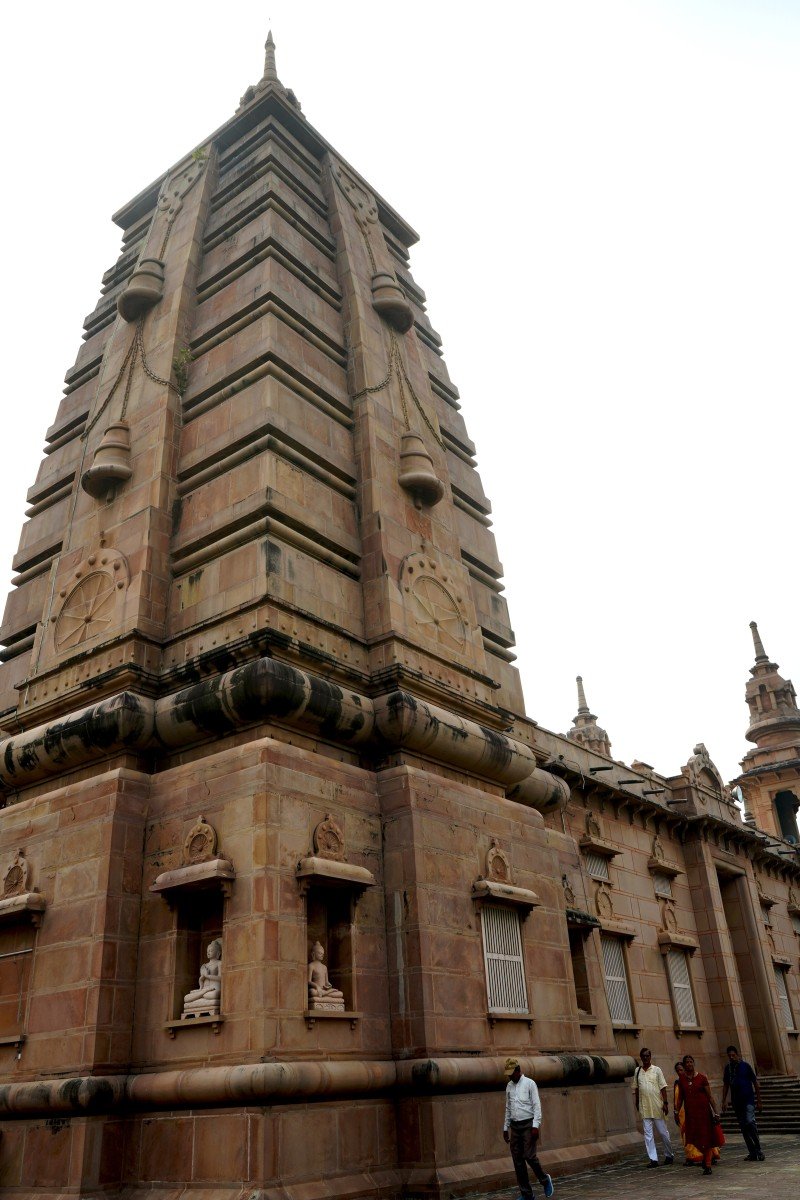
Japanese Architectural Style: The temple is built in a distinctive Japanese architectural style, often featuring clean lines, a traditional wooden aesthetic, and a serene, uncluttered interior, distinct from the local North Indian temple style.
...Japanese Architectural Style: The temple is built in a distinctive Japanese architectural style, often featuring clean lines, a traditional wooden aesthetic, and a serene, uncluttered interior, distinct from the local North Indian temple style.
Bell Tower: The complex includes a unique bell tower or pagoda, sometimes housing a large, donated bell (Peace Bell) that is rung during prayer times.
Dimensions: The compound is spacious, featuring a temple hall, prayer rooms, and a well-maintained garden, with the temple's structure often being one or two stories high with an imposing entrance gate.
Interior: The main shrine houses a beautiful statue of the Buddha and is notable for its calming, minimalist design. : -
How To Reach:
By Air: Fly to VNS (24 KM); take a taxi or cab.
By Train: Closest to BSB (10 KM); take an auto-rickshaw or taxi.
By Road: Well-connected and located near the main road/temple street of Sarnath.By Air: Fly to VNS (24 KM); take a taxi or cab.
By Train: Closest to BSB (10 KM); take an auto-rickshaw or taxi.
By Road: Well-connected and located near the main road/temple street of Sarnath.
By Local Transport: Easily accessible by local auto or e-rickshaw, usually a short ride from the main archaeological complex. : -
Weather and Best Time to Visit:
Winter (October to March): Best Season for comfortable daytime visiting and enjoying the garden.
Morning/Evening: Ideal times to observe the prayer rituals and experience the temple's spiritual routine.
Avoid Ra...Winter (October to March): Best Season for comfortable daytime visiting and enjoying the garden.
Morning/Evening: Ideal times to observe the prayer rituals and experience the temple's spiritual routine.
Avoid Rainy Days: The open-air elements and wooden architecture are best appreciated on dry, sunny days. : -
Near Tourist Places:
Mulagandha Kuti Vihar (1 KM), Dhamek Stupa (1 KM), Sarnath Archaeological Museum (1 KM), Statue of Standing Buddha (<1 KM), Thai Temple (<1 KM), Tibetan Temple (<1 KM), Deer Park (Rishi Park) (1 KM), Shri Digamber Jain Temple (1. 5 KM), Chaukhandi Stupa (4 KM), Sarnath Market (1 KM)
Tourism Tips
-
Health & Safety: Remove shoes before entering the temple hall. Dress modestly out of respect.
Packing: If attending prayer, consider bringing a scarf or shawl for modesty.
Respect: Maintain silence and resp...Health & Safety: Remove shoes before entering the temple hall. Dress modestly out of respect.
Packing: If attending prayer, consider bringing a scarf or shawl for modesty.
Respect: Maintain silence and respect the ongoing religious activities; observe the monks quietly.
Donation Etiquette: If you wish to donate, do so discreetly. :
Reviews
FAQs
Sarnath Itineray And Cost:-
Other Places In Sarnath :-
Other States In India :-
Information about New and Updated Locations() of Uttar Pradesh Has Been Added :-
Card subtitle
Note:-
Information provided here in good Faith and for reference only.
Near Places

Ashoka Pillar
Some quick example text to build on the card title and make up the bulk of the card's content.
Go somewhere
Chaukhandi Stupa
Some quick example text to build on the card title and make up the bulk of the card's content.
Go somewhere
Chunar Fort
Some quick example text to build on the card title and make up the bulk of the card's content.
Go somewhere
Deer Park
Some quick example text to build on the card title and make up the bulk of the card's content.
Go somewhere
Devdari Waterfall
Some quick example text to build on the card title and make up the bulk of the card's content.
Go somewhere
Dhamek Stupa
Some quick example text to build on the card title and make up the bulk of the card's content.
Go somewhere
Garden of Spiritual Wisdom
Some quick example text to build on the card title and make up the bulk of the card's content.
Go somewhere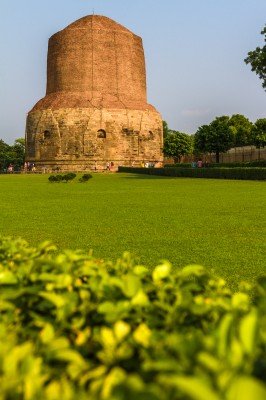
Japanese Temple
Some quick example text to build on the card title and make up the bulk of the card's content.
Go somewhere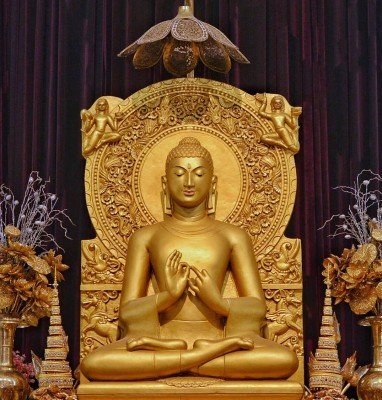
Mulagandha Kuti Vihar
Some quick example text to build on the card title and make up the bulk of the card's content.
Go somewhere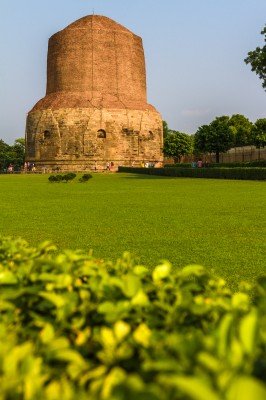
Rajdari Waterfall
Some quick example text to build on the card title and make up the bulk of the card's content.
Go somewhere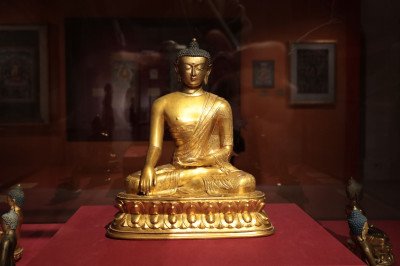
Sarnath Archaeological Museum
Some quick example text to build on the card title and make up the bulk of the card's content.
Go somewhere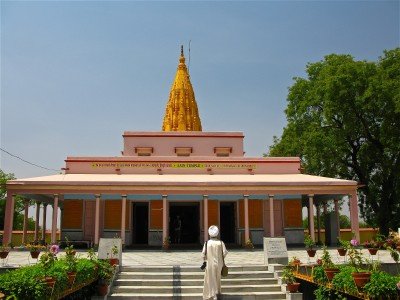
Shri Digamber Jain Temple
Some quick example text to build on the card title and make up the bulk of the card's content.
Go somewhere
Statue of Standing Buddha
Some quick example text to build on the card title and make up the bulk of the card's content.
Go somewhere
Thai Temple and Monastery
Some quick example text to build on the card title and make up the bulk of the card's content.
Go somewhere
Tibetan Temple
Some quick example text to build on the card title and make up the bulk of the card's content.
Go somewhere
Vindhyavasini Devi Temple
Some quick example text to build on the card title and make up the bulk of the card's content.
Go somewherein Other Cities