

Vindhyavasini Devi Temple
General information
-
Ideal Duration:
30 Minutes to 45 Minutes.Place Type:
Hindu Temple / Shakti Pilgrimage.Entry Fees:
General Entry: Entry to the temple is Free.
Special Darshan: During peak festival seasons like Navratri, there might be a "VIP" line or special pass system for a faster darshan, costing around INR 100-200. ...General Entry: Entry to the temple is Free.
Special Darshan: During peak festival seasons like Navratri, there might be a "VIP" line or special pass system for a faster darshan, costing around INR 100-200.Timing:
Regular Timings: 5:00 AM to 9:00 PM daily. The temple may close for a short duration in the afternoon for "Bhog".
Ideal Visit Time: 6:00 PM for the evening aarti. ...Regular Timings: 5:00 AM to 9:00 PM daily. The temple may close for a short duration in the afternoon for "Bhog".
Ideal Visit Time: 6:00 PM for the evening aarti.Special Events:
Chaitra Navratri: In March-April, the temple sees massive crowds. Special "Havan" (fire rituals) are performed throughout the nine days.
Sharad Navratri: In October, the temple is decorated with flowers and lights, and the "Vijayadashami" d...Chaitra Navratri: In March-April, the temple sees massive crowds. Special "Havan" (fire rituals) are performed throughout the nine days.
Sharad Navratri: In October, the temple is decorated with flowers and lights, and the "Vijayadashami" day is celebrated with great pomp.Best Photo Spots:
The Main Shikhara: The red stone spire of the temple against the morning sun provides a classic Indian temple aesthetic.
The Entrance Bells: A close-up shot of the heavy brass bells with devotees in the background captures the essence of Hin...The Main Shikhara: The red stone spire of the temple against the morning sun provides a classic Indian temple aesthetic.
The Entrance Bells: A close-up shot of the heavy brass bells with devotees in the background captures the essence of Hindu worship.
The Decorated Idol: During festivals, the goddess is adorned beautifully, making for a colorful and divine photograph.Photo Gallery
Things To Do
-
Offer Prayers to the Goddess: Participate in the "Darshan" of Maa Vindhyavasini. Offering red flowers and "Chunri" is a traditional practice.
Ring the Temple Bells: It is a ritual to ring the heavy brass bells at the entrance to announce your arrival to the deity.
Observe the Aarti: Try to be present during the evening Aarti when the lamps are lit, and the atmosphere becomes electric with devotion.
Tie a Sacred Thread: Many devotees tie a red thread (Mauli) on a sacred tree nearby while making a wish.
Explore Local Markets: The small stalls outside the temple sell religious items and local snacks like Kachori and Jalebi.
Feeding the Needy: Many pilgrims distribute food or coins to the needy outs...Offer Prayers to the Goddess: Participate in the "Darshan" of Maa Vindhyavasini. Offering red flowers and "Chunri" is a traditional practice.
Ring the Temple Bells: It is a ritual to ring the heavy brass bells at the entrance to announce your arrival to the deity.
Observe the Aarti: Try to be present during the evening Aarti when the lamps are lit, and the atmosphere becomes electric with devotion.
Tie a Sacred Thread: Many devotees tie a red thread (Mauli) on a sacred tree nearby while making a wish.
Explore Local Markets: The small stalls outside the temple sell religious items and local snacks like Kachori and Jalebi.
Feeding the Needy: Many pilgrims distribute food or coins to the needy outside the temple as an act of charity (Daana).
Visit Nearby Shrines: Walk to the smaller shrines of Ganesha and Hanuman located within the same complex.
Sit in the Mandapa: Spend some time sitting in the main hall, absorbing the spiritual vibrations and watching the flow of devotees.
Learn Local Folklore: Talk to the temple priests (Pujaris) about the history of the temple and the legends associated with Vindhyavasini Devi.
Photography of Rituals: Capture the candid moments of faith, such as devotees lighting lamps or offering flowers, but always ask for permission first.
Information
-
Why Famous:
Shakti Peeth Connection: It is famous as the local representation of the Maa Vindhyavasini shrine, attracting devotees who cannot travel to Mirzapur.
Hindu-Buddhist Synthesis: Its presence in a major Buddhist hub makes it a unique site of re...Shakti Peeth Connection: It is famous as the local representation of the Maa Vindhyavasini shrine, attracting devotees who cannot travel to Mirzapur.
Hindu-Buddhist Synthesis: Its presence in a major Buddhist hub makes it a unique site of religious harmony.
Navratri Celebrations: The temple is famous for its grand celebrations during the nine days of Navratri.
Wish Fulfillment: Locals believe the goddess is extremely powerful and fulfills the sincere wishes of her devotees. -
Architecture:
Nagara Style Elements: The temple exhibits traditional North Indian (Nagara) temple architecture. It features a central Shikhara (spire) that rises about 40 feet high.
Sanctum and Mandapa: The main sanctum is a square chamber of 15x15 feet,...Nagara Style Elements: The temple exhibits traditional North Indian (Nagara) temple architecture. It features a central Shikhara (spire) that rises about 40 feet high.
Sanctum and Mandapa: The main sanctum is a square chamber of 15x15 feet, preceded by an open Mandapa (pillared hall) for devotees to gather.
Carvings and Materials: The structure is primarily built using red sandstone and bricks, with intricate carvings of lions and floral patterns on the exterior walls, reflecting the Vindhyan influence. -
How To Reach:
By Air: Arrive at Varanasi International Airport. It is advisable to book a taxi in advance for a comfortable 1-hour drive to the temple site.
By Train: Use the Kashi Railway Station or Varanasi City Station, which are closer to Sarnath tha...By Air: Arrive at Varanasi International Airport. It is advisable to book a taxi in advance for a comfortable 1-hour drive to the temple site.
By Train: Use the Kashi Railway Station or Varanasi City Station, which are closer to Sarnath than the main Varanasi Junction. From there, a taxi or auto is easily available.
By Road: The temple is located on the main road connecting Varanasi and Sarnath. If you are staying in the Ghats area, a taxi will take about 30 minutes.
By Local Transport: Shared autos (Tempos) run frequently from Varanasi Cantt to Sarnath. Get down at the Sarnath intersection and take a short walk or a cycle-rickshaw to the temple. -
Weather and Best Time to Visit:
Winter: Best for attending the evening aarti without the discomfort of the humid weather.
Navratri Months: If you want to experience the peak religious fervor, visit during March or October.
Parts of the Day:Winter: Best for attending the evening aarti without the discomfort of the humid weather.
Navratri Months: If you want to experience the peak religious fervor, visit during March or October.
Parts of the Day: Late evening is the most atmospheric time when the temple is lit up with lamps. -
Near Tourist Places:
Sarnath Museum (0. 2 KM), Archeological Ruins (0. 4 KM), Dhamek Stupa (0. 5 KM), Thai Temple (1. 2 KM), Tibetan Temple (1. 1 KM), Chaukhandi Stupa (0. 8 KM), Japanese Temple (1. 3 KM), Chinese Temple (1. 4 KM), Mulagandha Kuti Vihar (0. 6 KM), Deer Park (0. 5 KM).
Tourism Tips
-
Health & Safety: Be prepared for crowds during festivals. Keep your shoes in the designated shoe stand to avoid losing them.
Packing: Carry a scarf to cover your head if required. Avoid wearing expensive jewelry in crowded temple queues. <...Health & Safety: Be prepared for crowds during festivals. Keep your shoes in the designated shoe stand to avoid losing them.
Packing: Carry a scarf to cover your head if required. Avoid wearing expensive jewelry in crowded temple queues.
Accommodation: Staying near the Sarnath Museum puts you within walking distance of this temple and other sites.
Cash & Connectivity: UPI is widely accepted at the stalls, but keep some cash for small offerings. Mobile signals are strong.
Local Food: Try the local "Prasad" offered near the temple, but ensure it is from a clean stall.
Reviews
FAQs
Sarnath Itineray And Cost:-
Vindhyavasini Devi Temple Tourism:-
Other Places In Sarnath :-
Other States In India :-
Information about New and Updated Locations() of Uttar Pradesh Has Been Added :-
Card subtitle
Note:-
Information provided here in good Faith and for reference only.
Near Places

Ashoka Pillar
Some quick example text to build on the card title and make up the bulk of the card's content.
Go somewhere
Chaukhandi Stupa
Some quick example text to build on the card title and make up the bulk of the card's content.
Go somewhere
Chunar Fort
Some quick example text to build on the card title and make up the bulk of the card's content.
Go somewhere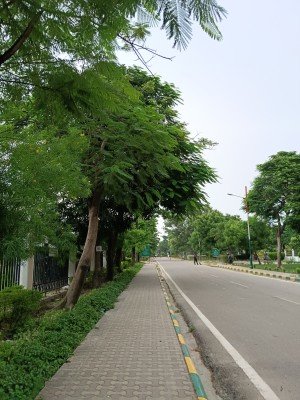
Deer Park
Some quick example text to build on the card title and make up the bulk of the card's content.
Go somewhere
Devdari Waterfall
Some quick example text to build on the card title and make up the bulk of the card's content.
Go somewhere
Dhamek Stupa
Some quick example text to build on the card title and make up the bulk of the card's content.
Go somewhere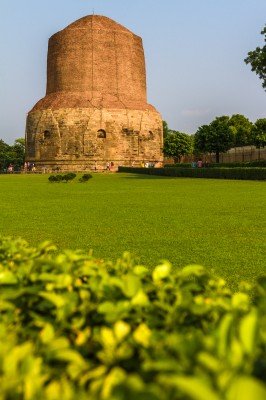
Garden of Spiritual Wisdom
Some quick example text to build on the card title and make up the bulk of the card's content.
Go somewhere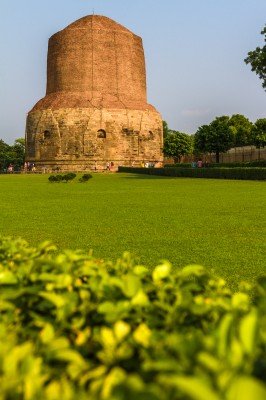
Japanese Temple
Some quick example text to build on the card title and make up the bulk of the card's content.
Go somewhere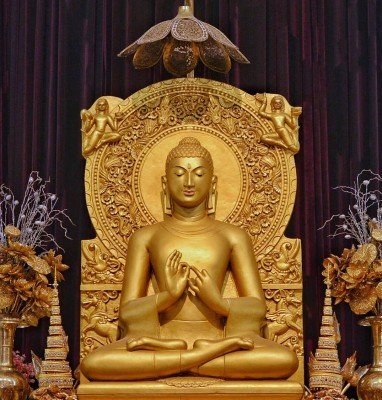
Mulagandha Kuti Vihar
Some quick example text to build on the card title and make up the bulk of the card's content.
Go somewhere
Rajdari Waterfall
Some quick example text to build on the card title and make up the bulk of the card's content.
Go somewhere
Sarnath Archaeological Museum
Some quick example text to build on the card title and make up the bulk of the card's content.
Go somewhere
Shri Digamber Jain Temple
Some quick example text to build on the card title and make up the bulk of the card's content.
Go somewhere
Statue of Standing Buddha
Some quick example text to build on the card title and make up the bulk of the card's content.
Go somewhere
Thai Temple and Monastery
Some quick example text to build on the card title and make up the bulk of the card's content.
Go somewhere
Tibetan Temple
Some quick example text to build on the card title and make up the bulk of the card's content.
Go somewhere
Vindhyavasini Devi Temple
Some quick example text to build on the card title and make up the bulk of the card's content.
Go somewherein Other Cities