

Augarnath Temple
General information
-
Ideal Duration:
1-2 hours:Place Type:
Historical and Religious Site:Entry Fees:
No General Entry Fee:: There is no entry fee to visit the Augarnath Temple or the adjacent Shaheed Smarak, as it is a public place of worship and a national memorial, open to all devotees and visitors regardless of faith or nationality. This makes it accessible to everyone ...No General Entry Fee:: There is no entry fee to visit the Augarnath Temple or the adjacent Shaheed Smarak, as it is a public place of worship and a national memorial, open to all devotees and visitors regardless of faith or nationality. This makes it accessible to everyone seeking spiritual solace or historical knowledge.
Donations and Offerings:: While entry is free, visitors are welcome to make voluntary donations for the upkeep of the temple, the maintenance of the complex, and the daily puja ceremonies. Donation boxes are placed discreetly throughout the premises.
Cost of Ritual Items:: Visitors will incur a small cost for purchasing prasad (offerings like sweets, flowers, and holy threads) from the stalls outside or inside the temple complex if they wish to perform a personal puja or offering to Lord Shiva.
Special Puja Fees:: For large-scale or specific ritual pujas (like a Rudrabhishek or special aarti for a family), a specific fee may be charged by the temple administration to cover the materials and the priest's services. These are typically optional and booked in advance. ()Timing:
Regular Timings:: The temple is generally open from 6:00 AM to 8:30 PM daily, though specific aarti timings occur in the morning and evening, sometimes later than the general closing time. The main sanctum may close briefly in the afternoon for rest and cleaning (1:00 PM to...Regular Timings:: The temple is generally open from 6:00 AM to 8:30 PM daily, though specific aarti timings occur in the morning and evening, sometimes later than the general closing time. The main sanctum may close briefly in the afternoon for rest and cleaning (1:00 PM to 3:00 PM is common, always check locally).
Ideal Visit Time (Spiritual):: The best time for a deeply spiritual visit and to witness the full religious atmosphere is during the morning aarti (around 6:00 AM) or the evening aarti (around 7:00 PM to 8:00 PM). These times offer the most vibrant devotional experience.
Ideal Visit Time (Historical/Quiet):: For history enthusiasts who want a quiet experience at the Shaheed Smarak and the historical well, the best time is during the late morning (9:00 AM to 11:00 AM) on a weekday, when the religious crowds are typically smaller.
Festival Timings:: During major festivals like Maha Shivaratri and the Sawan Kanwar Yatra, the temple remains open for extended hours, often all night, to accommodate the huge influx of devotees. ()Special Events:
Maha Shivaratri Festival:: This is the most significant annual event, typically falling in February or March. The temple is grandly decorated with lights and flowers, and special pujas (worship rituals) are performed throughout the day and night. Devotees throng the temple...Maha Shivaratri Festival:: This is the most significant annual event, typically falling in February or March. The temple is grandly decorated with lights and flowers, and special pujas (worship rituals) are performed throughout the day and night. Devotees throng the temple in huge numbers to offer prayers and witness the spiritual fervor.
Sawan Month Kanwar Yatra:: The entire holy month of Sawan (July to August) is a special event, as the temple serves as a major destination for the Kanwarias. The atmosphere is electrifying, filled with saffron-clad pilgrims, religious songs, and a continuous flow of devotees.
Vijayadashami (Dussehra) and Deepavali (Diwali):: These major Hindu festivals in October/November are celebrated with special aartis, decorations, and community gatherings, drawing large local crowds. Shaheed Diwas (Martyrs' Day) May 10:: This date commemorates the start of the 1857 revolt. Special patriotic ceremonies and wreath-laying events are held at the Shaheed Smarak, blending national remembrance with the temple's spiritual routine. ()Best Photo Spots:
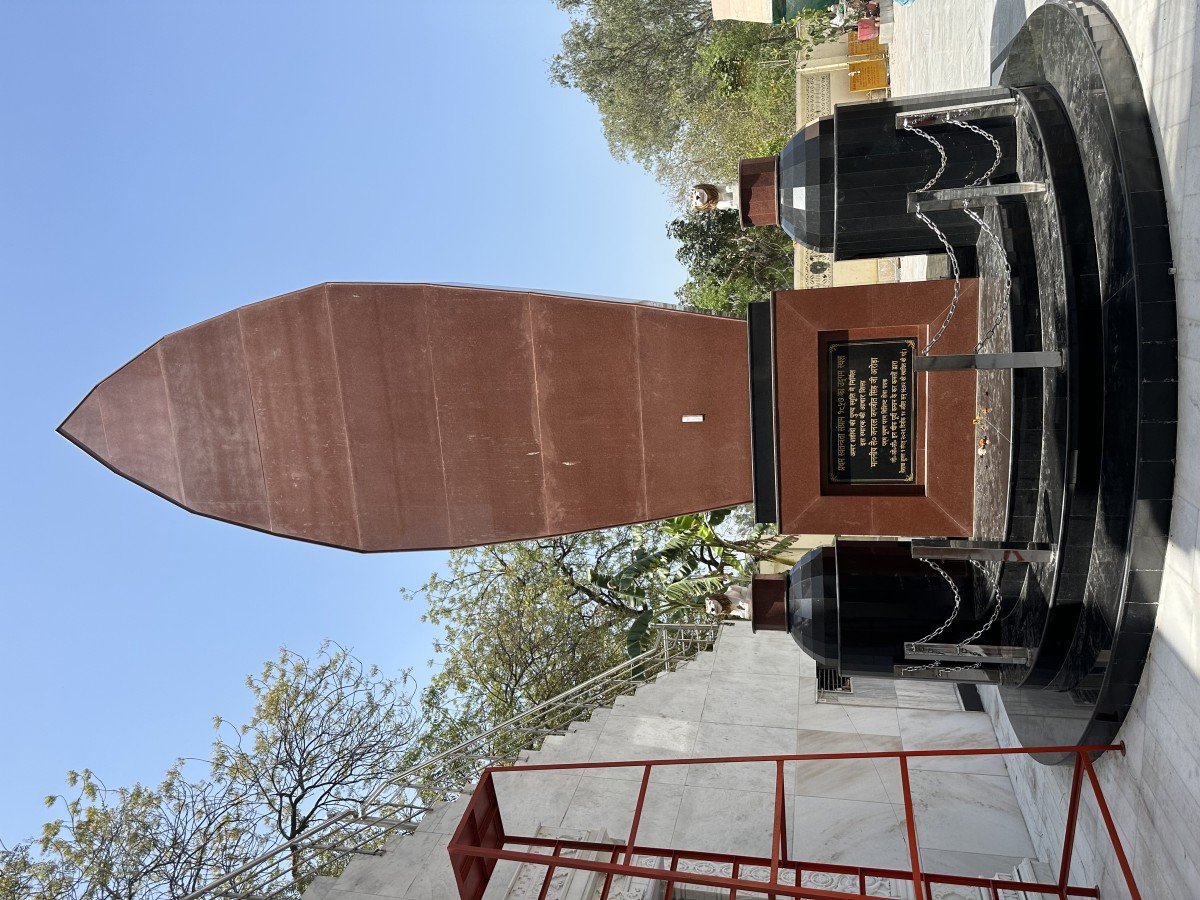
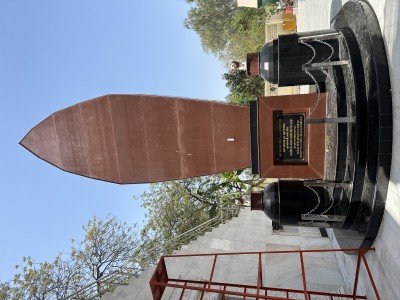
The Shaheed Smarak Viewpoint:: The memorial area provides an excellent, solemn photo opportunity, especially capturing the memorial pillar against the backdrop of the sky, symbolizing sacrifice and freedom.
The White Stone Exterior and Shikhara:...The Shaheed Smarak Viewpoint:: The memorial area provides an excellent, solemn photo opportunity, especially capturing the memorial pillar against the backdrop of the sky, symbolizing sacrifice and freedom.
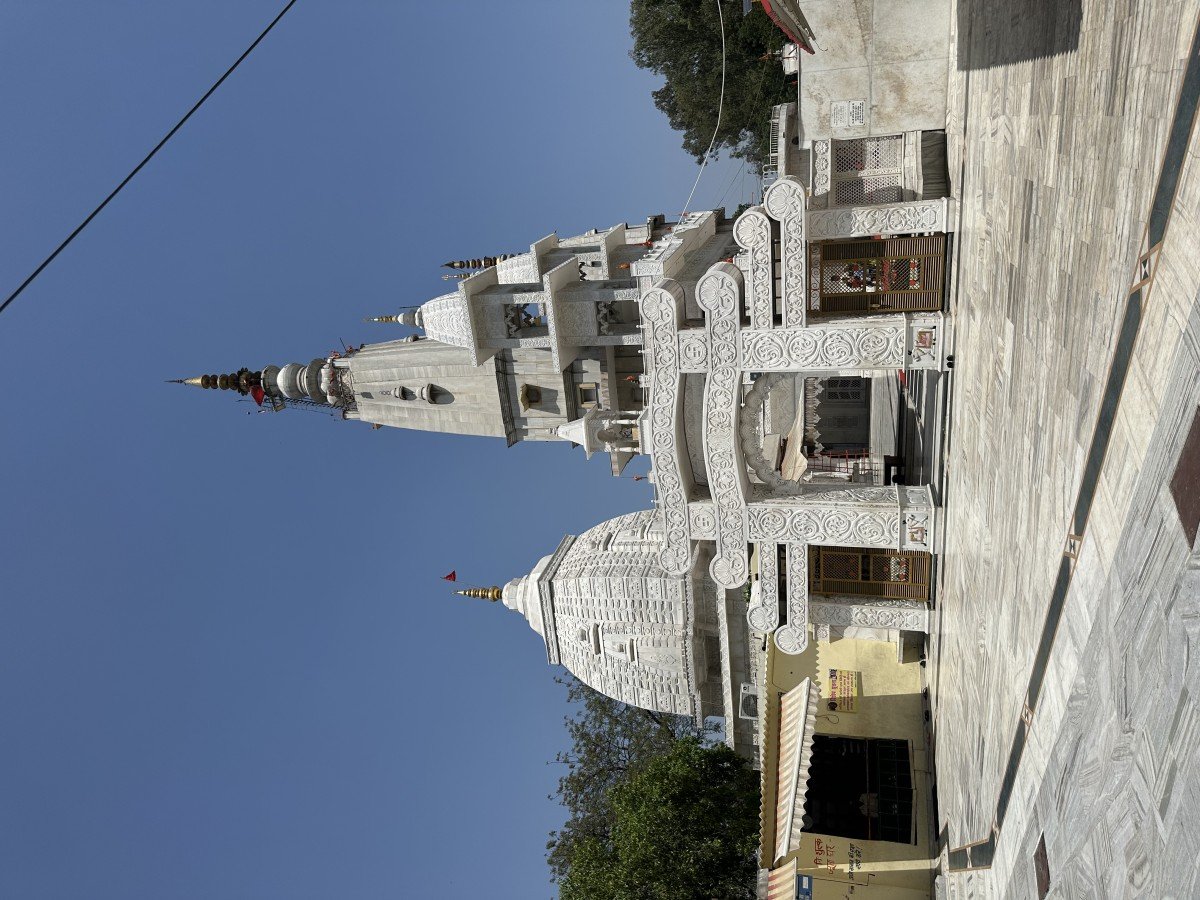
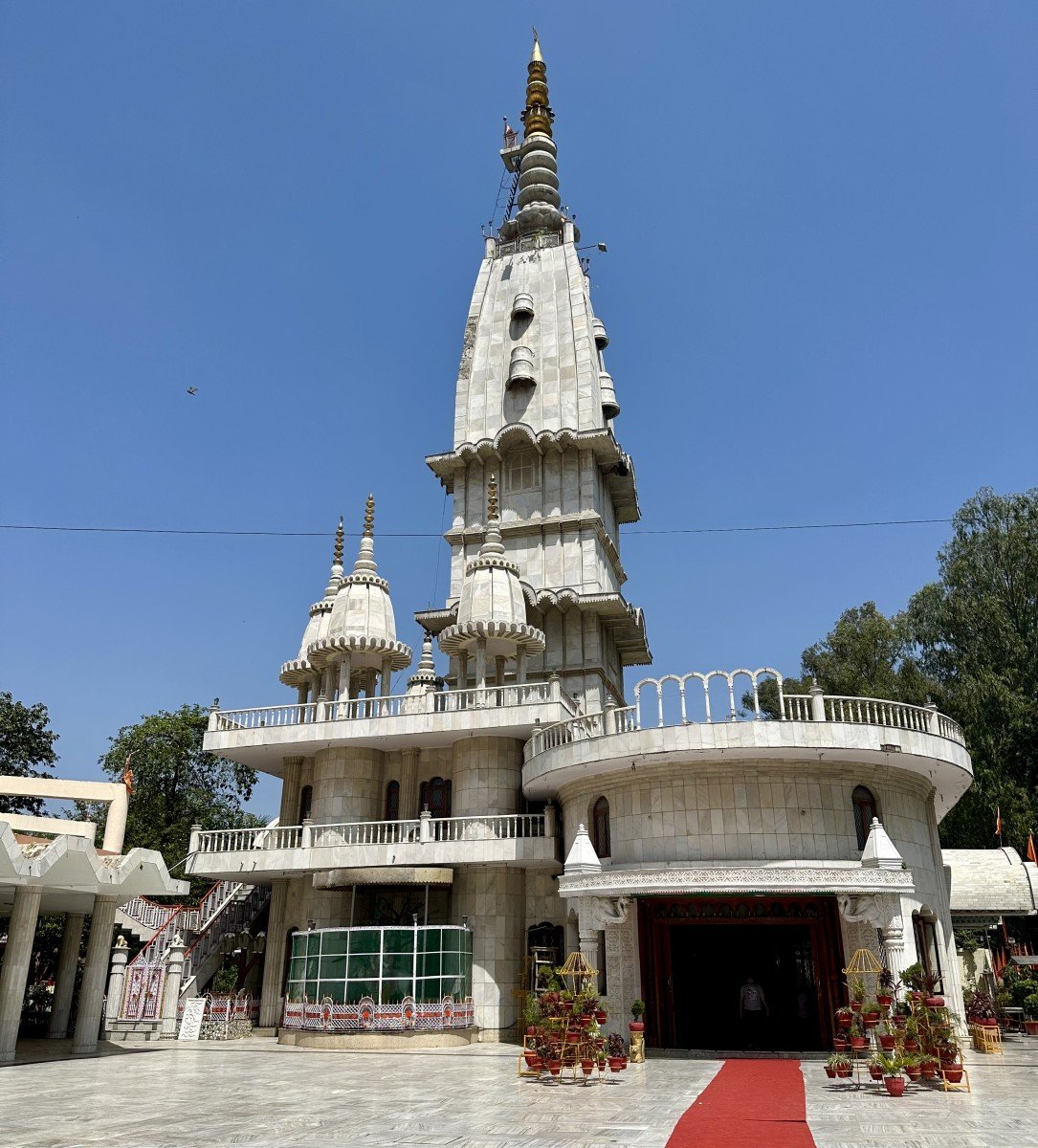
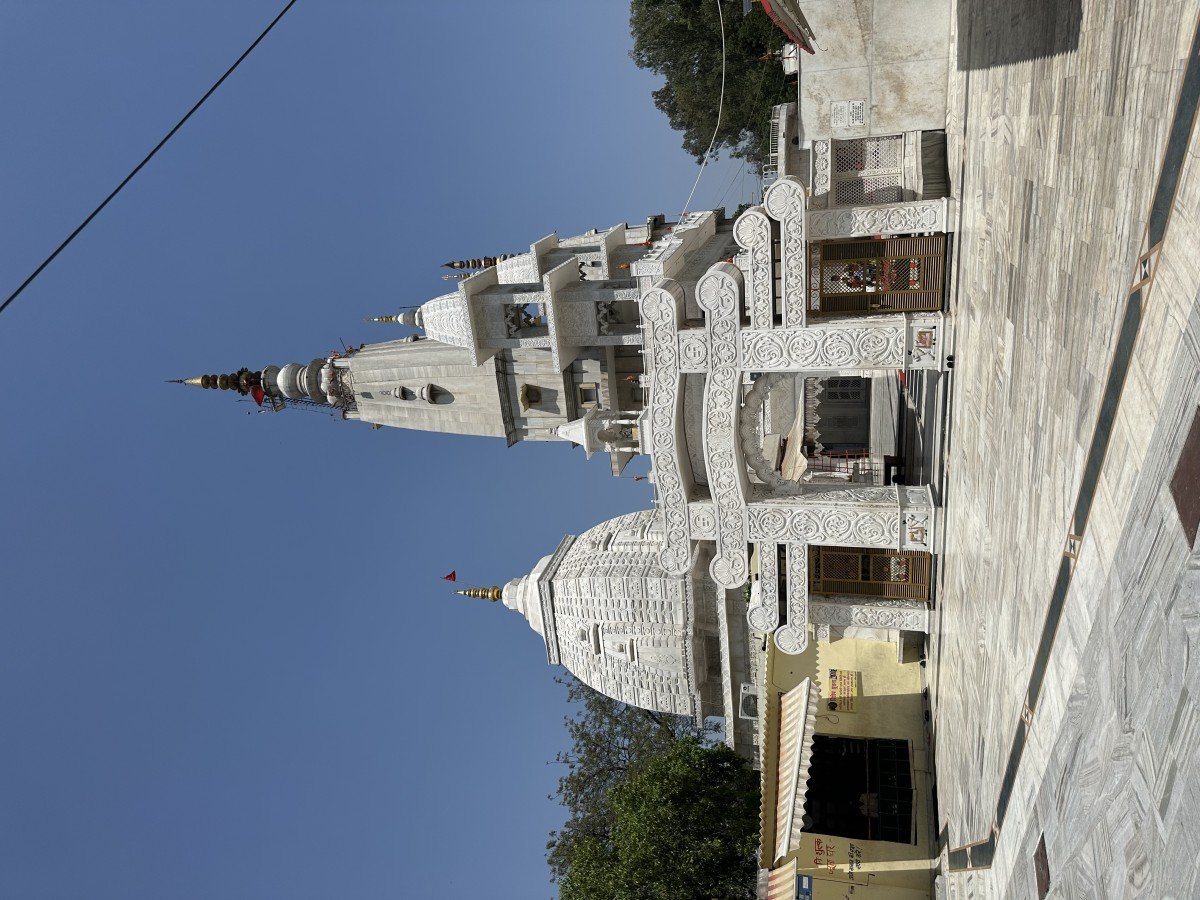
The White Stone Exterior and Shikhara:: The grand, reconstructed, white-stone exterior of the temple, particularly the apex with its 4. 5 kg gold-plated Kalasha (spire-top ornament), is the most iconic architectural shot. Best captured from a slight distance to get the full height and detail.
The Temple Gates and Engravings:: The main entrance gates, adorned with intricate carvings and sculptures of Hindu deities, offer close-up shots of traditional craftsmanship.
The Sawan Kanwarias (Seasonal):: During the Sawan month (July-August), the vibrant crowds of saffron-clad Kanwarias and their decorated Kanwars (containers for holy water) offer colorful, dynamic, and culturally rich photographs.
The Ancient Well Site:: A historical photo spot, capturing the simple, age-old well that played a central, pivotal role in the initial spark of the 1857 revolt provides a powerful, contemplative image. ()Photo Gallery
Things To Do
-
Seek Blessings of Lord Shiva:: The primary activity is to offer Jal Abhishek and flowers to the Swayambhu Shivalingam in the main sanctum. Visitors participate in the aarti (ritual of light) held multiple times daily, especially the morning and evening aartis, which are vibrant and spiritual.
Reflect at the Shaheed Smarak:: Spend time at the Martyrs' Memorial within the complex. This is a solemn activity to pay homage to the soldiers of the Kali Paltan who started the First War of Independence in 1857. It's a key part of the visit, blending spirituality with patriotic duty.
Explore the Well of Rebellion:: Visit the ancient, sacred well that was central to the greased cartridge controversy. Reflect on the pivotal role this specific site played in the revolt's immediate trigger. This offers a ...Seek Blessings of Lord Shiva:: The primary activity is to offer Jal Abhishek and flowers to the Swayambhu Shivalingam in the main sanctum. Visitors participate in the aarti (ritual of light) held multiple times daily, especially the morning and evening aartis, which are vibrant and spiritual.
Reflect at the Shaheed Smarak:: Spend time at the Martyrs' Memorial within the complex. This is a solemn activity to pay homage to the soldiers of the Kali Paltan who started the First War of Independence in 1857. It's a key part of the visit, blending spirituality with patriotic duty.
Explore the Well of Rebellion:: Visit the ancient, sacred well that was central to the greased cartridge controversy. Reflect on the pivotal role this specific site played in the revolt's immediate trigger. This offers a tangible connection to history.
Attend a Bhajan or Religious Function:: If visiting on a special day or Sunday, attend the bhajans (devotional singing) and religious discourses held in the hexagonal hall, which provides a deep cultural and spiritual immersion.
Visit the Sub-Shrines:: Offer prayers at the smaller shrines dedicated to Radha-Krishna and Goddess Durga within the complex, which offer a moment of quiet devotion and beautiful contemporary artwork.
Photography (Exterior Only):: While photography inside the main temple is often restricted, capture the grandeur of the white-stoned exterior and the patriotic feeling of the Shaheed Smarak and the memorial wall. Always ask for permission first.
Kanwar Yatra Participation (Seasonal):: If visiting during the holy Sawan month (July-August), witness or participate in the final ceremonies of the Kanwar Yatra, an intense and vibrant display of devotion by Shiva devotees carrying sacred Ganga water. This provides a spectacular cultural experience.
Spiritual Shopping:: Browse the small shops outside the temple for traditional religious items, prasad (offering), holy threads, and souvenirs, supporting the local community. ()
Information
-
Why Famous:
The Cradle of 1857:: The temple is famous as the place where the Indian soldiers of the 'Kali Paltan' regiment planned and initiated the monumental Revolt of 1857, the first major challenge to British rule. This historical importance transcends its religious significance.
Read MoreThe Cradle of 1857:: The temple is famous as the place where the Indian soldiers of the 'Kali Paltan' regiment planned and initiated the monumental Revolt of 1857, the first major challenge to British rule. This historical importance transcends its religious significance.
The Swayambhu Shivalingam:: Its religious fame rests on the ancient, self-manifested Shivalingam, which attracts countless devotees of Lord Shiva seeking blessings and spiritual fulfillment.
The Martyrs' Memorial:: Within the temple grounds lies a dedicated Shaheed Smarak, a somber and respected monument honoring the martyrs who lost their lives in the struggle for independence, making it a patriotic landmark.
Kanwar Yatra Hub:: During the holy Sawan month (July-August), the temple is a significant hub for the Kanwarias, devotees who carry sacred Ganga water to perform Jal Abhishek (offering of water) on the Shivalingam. ()Architecture:
Architectural Evolution:: The original structure of the Augarnath Temple was a small shrine that, until 1944, stood alongside a complex of trees and the sacred well. The current magnificent temple was built in 1968, replacing the old structure with a more modern Hindu templ...Architectural Evolution:: The original structure of the Augarnath Temple was a small shrine that, until 1944, stood alongside a complex of trees and the sacred well. The current magnificent temple was built in 1968, replacing the old structure with a more modern Hindu temple architectural style.
Modern Structure and Design:: The rebuilt temple showcases white stone masonry, giving it a bright and imposing look. It is situated on a slightly raised platform. A significant addition to the complex was a large, hexagonal hall constructed in 1987 specifically for holding religious ceremonies, bhajans (devotional songs), and community functions. The central sanctum houses the ancient, self-manifested Shivalingam. The complex also features separate shrines dedicated to other deities, notably Shri Krishna (Radha-Krishna) and Goddess Durga, showcasing a blend of Shaivite and Vaishnavite traditions. In 2001, a notable aesthetic and spiritual addition was made: a 4. 5 kg gold-plated Kalasha (spire-top ornament) was installed at the apex of the temple’s Shikhara (spire).
Dimensions and Layout:: The temple complex is large, designed to accommodate thousands of devotees, especially during major festivals like Maha Shivaratri and the Sawan Kanwar Yatra. The exact dimensions of the central Garbhagriha (sanctum sanctorum) are not publicly detailed, but the surrounding courtyard and the hexagonal bhajan hall provide extensive space. The architecture serves to be both an active place of worship and a solemn historical memorial. ()How To Reach:
By Air:: The nearest major airport is Indira Gandhi International Airport (DEL) in New Delhi, approximately 80-90 KMS away. From the airport, visitors can hire a private taxi or take a pre-booked cab to Meerut, which takes about 1. 5 to 2 hours depending on traffic, via the...By Air:: The nearest major airport is Indira Gandhi International Airport (DEL) in New Delhi, approximately 80-90 KMS away. From the airport, visitors can hire a private taxi or take a pre-booked cab to Meerut, which takes about 1. 5 to 2 hours depending on traffic, via the NH 34 (or NH 9/Delhi-Meerut Expressway). Alternatively, taxis can drop you at the nearest railway station (New Delhi Railway Station or Ghaziabad), where you can catch a train to Meerut.
By Train:: The nearest major railway station is Meerut City Junction (MTC), located approximately 2. 9 KMS from the temple. The other major station is Meerut Cantonment (MUT), which is also very close. Both stations are well-connected to major Indian cities like Delhi, Mumbai, and Kolkata via superfast and express trains on the Delhi-Dehradun line. From the station, you can easily hire an auto-rickshaw or a local taxi.
By Road:: Meerut is exceptionally well-connected by road, especially to Delhi (70 KMS) via the Delhi-Meerut Expressway (NH 334). The temple is located centrally in the Cantonment area. The UPSRTC (Uttar Pradesh State Road Transport Corporation) and numerous private operators run regular, comfortable bus services from Delhi, Ghaziabad, Dehradun, and other nearby cities to the Meerut Bus Stand (about 1. 9 KMS away). From the bus stand, local transport is readily available.
By Local Transport:: Once in Meerut, the temple is easily reachable by auto-rickshaws, cycle-rickshaws, and private taxis. The temple's location in the Sadar Bazar area, close to the Cantonment, makes it a well-known landmark for all local drivers. ()Weather and Best Time to Visit:
Different Seasons (The Best):: The Winter season (October to March) is the ideal time for a visit. The weather is cool and pleasant, making walking and standing for darshan (viewing the deity) comfortable. The months of February and March are especially good if you want to...Different Seasons (The Best):: The Winter season (October to March) is the ideal time for a visit. The weather is cool and pleasant, making walking and standing for darshan (viewing the deity) comfortable. The months of February and March are especially good if you want to witness the grandeur of Maha Shivaratri.
Different Seasons (The Peak):: The Monsoon season (July to September) is the peak time for devotees, as the holy month of Sawan (July-August) falls during this period. While the weather is humid and rainy, the spiritual atmosphere due to the Kanwar Yatra is vibrant and unique.
Different Seasons (The Hot):: The Summer season (April to June) should be avoided as the temperatures are extremely high, making daytime exploration uncomfortable and potentially tiring. Early morning visits are mandatory if travelling during this time.
Different Parts of the Day:: The best part of the day is the early morning (6:00 AM to 9:00 AM) or the late evening (6:30 PM to 8:30 PM) to attend the aarti and avoid the harsh midday sun. Visiting during the early morning also allows for a quick, peaceful darshan before the crowds swell. ()Near Tourist Places:
Shaheed Smarak (0.
5 KMS): National memorial for 1857 revolt martyrs, Gandhi Bagh (Company Garden) (3 KMS): Historical park, St.
John's Church (2 KMS): Oldest church in North India, Ghanta Ghar (Clock Tower) (3.
5 KMS):
Meerut's central landmark, Jama Masjid (4 KMS):
Historic mosque, Suraj Kund Park (7 KMS): Ancient tank and park, Shapir Mausoleum (4.
5 KMS):
Mughal monument, Mustafa Castle (
5 KMS):
Historical mansion, Bhole Ki Jhaal (1
5 KMS): Riverfront picnic spot, Chandi Devi Temple (40 KMS): Hilltop temple. (10 places, distance in KMS)Tourism Tips
-
Health & Safety:: Always carry drinking water, especially during summer and the Sawan monsoon. Be mindful of large crowds during major festivals like Maha Shivaratri and the Kanwar Yatra; keep personal belongings secure. Wear comfortable, non-slip footwear as temple floor...Health & Safety:: Always carry drinking water, especially during summer and the Sawan monsoon. Be mindful of large crowds during major festivals like Maha Shivaratri and the Kanwar Yatra; keep personal belongings secure. Wear comfortable, non-slip footwear as temple floors can be wet.
Packing Essentials:: Since it is a religious site, dress modestly, covering shoulders and knees out of respect for the local tradition. If visiting in winter, pack light to medium woolen clothing. Carry a small towel or handkerchief, particularly in the humid summer/monsoon months.
Accommodation:: Meerut offers various accommodation options, from budget guest houses to mid-range and luxury hotels, predominantly in the Civil Lines and Cantonment areas, which are close to the temple. It is advisable to pre-book accommodation if traveling during major festivals.
Respecting the Site:: Photography is generally prohibited inside the main sanctum and Garbhagriha. Always ask a temple official before taking pictures elsewhere inside. Maintain silence and respect the spiritual ambiance, especially during aartis. Remove your footwear outside the temple premises.
Getting Around:: Use licensed auto-rickshaws or app-based cabs for reliable local transport. Negotiate the fare with auto-rickshaws before starting your journey. The temple is well-signposted, making it easy for drivers to find. ()
Reviews
FAQs
Meerut Itineray And Cost:-
Augarnath Temple Tourism:-
Other Places In Meerut :-
Other States In India :-
Information about New and Updated Locations() of Uttar Pradesh Has Been Added :-
Card subtitle
Note:-
Information provided here in good Faith and for reference only.
Near Places
Augarnath Temple
Some quick example text to build on the card title and make up the bulk of the card's content.
Go somewhere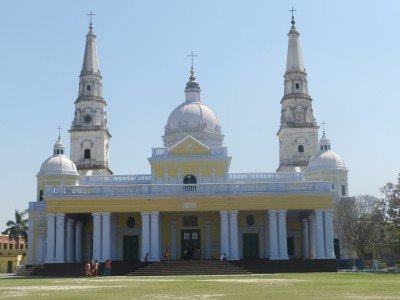
Basilica of Our Lady of Graces
Some quick example text to build on the card title and make up the bulk of the card's content.
Go somewhere
Bhole Ki Jhaal
Some quick example text to build on the card title and make up the bulk of the card's content.
Go somewhere
Chandi Devi Temple
Some quick example text to build on the card title and make up the bulk of the card's content.
Go somewhere
Dargah of Baley Miyan
Some quick example text to build on the card title and make up the bulk of the card's content.
Go somewhere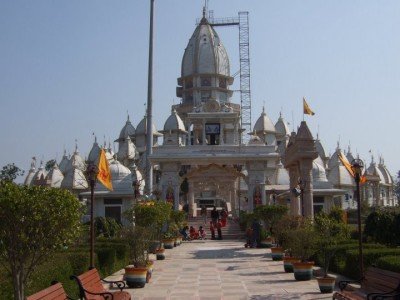
Digambar Jain Temple
Some quick example text to build on the card title and make up the bulk of the card's content.
Go somewhere
Gandhi Bagh
Some quick example text to build on the card title and make up the bulk of the card's content.
Go somewhere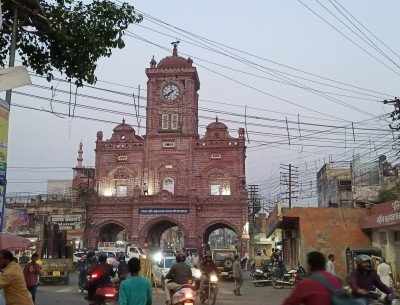
Ghanta Ghar
Some quick example text to build on the card title and make up the bulk of the card's content.
Go somewhere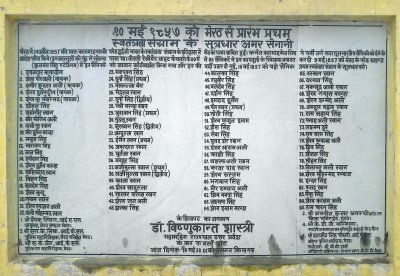
Government Freedom Struggle Museum
Some quick example text to build on the card title and make up the bulk of the card's content.
Go somewhere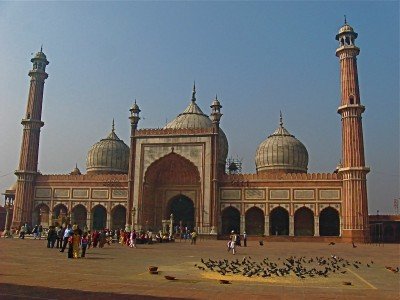
Jama Masjid
Some quick example text to build on the card title and make up the bulk of the card's content.
Go somewhere
Mansa Devi Temple
Some quick example text to build on the card title and make up the bulk of the card's content.
Go somewhere
Mustafa Castle
Some quick example text to build on the card title and make up the bulk of the card's content.
Go somewhere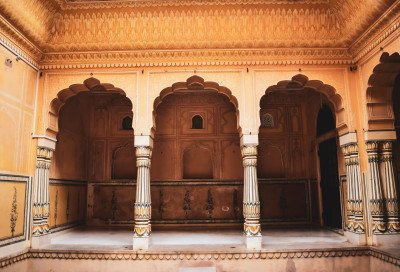
Parikshitgarh Fort
Some quick example text to build on the card title and make up the bulk of the card's content.
Go somewhere
Shaheed Smarak
Some quick example text to build on the card title and make up the bulk of the card's content.
Go somewhere
Shahid Smarak
Some quick example text to build on the card title and make up the bulk of the card's content.
Go somewhere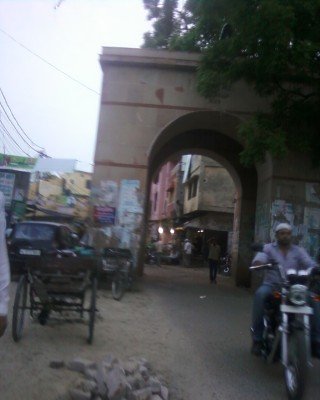
Shahpeer Sahab ki Dargah
Some quick example text to build on the card title and make up the bulk of the card's content.
Go somewherein Other Cities