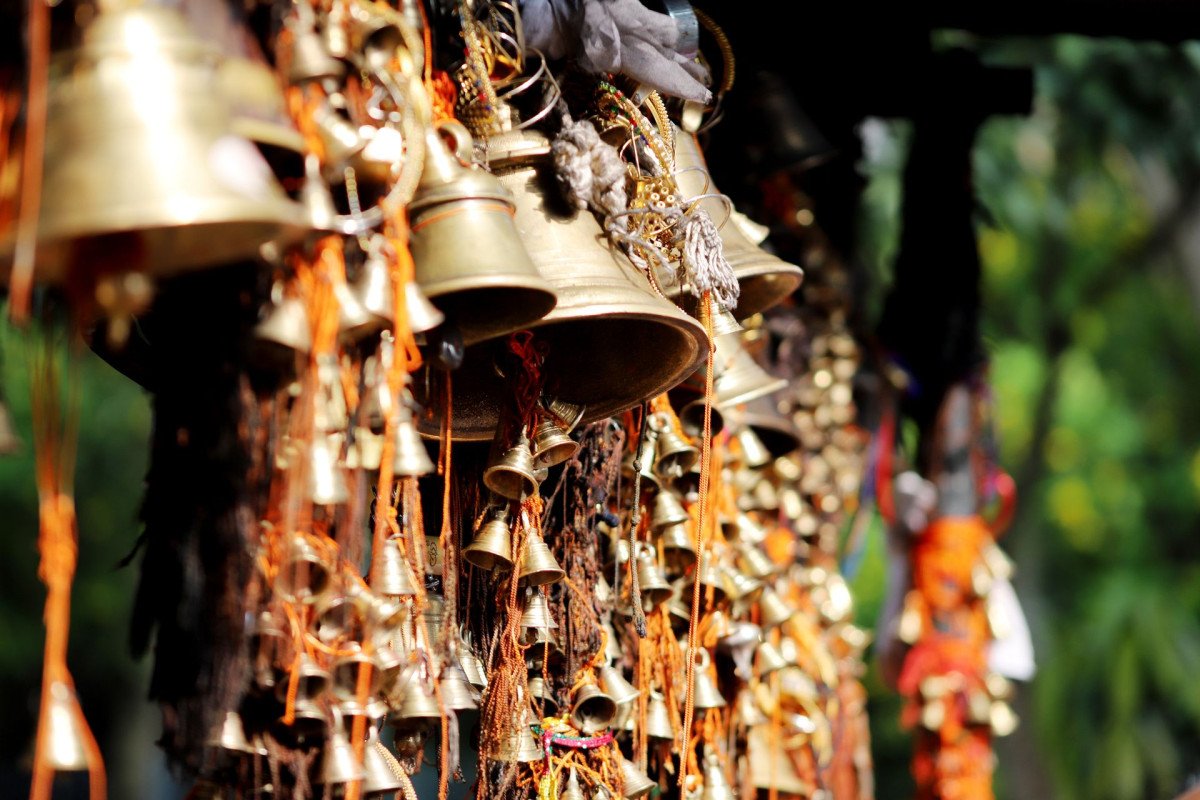
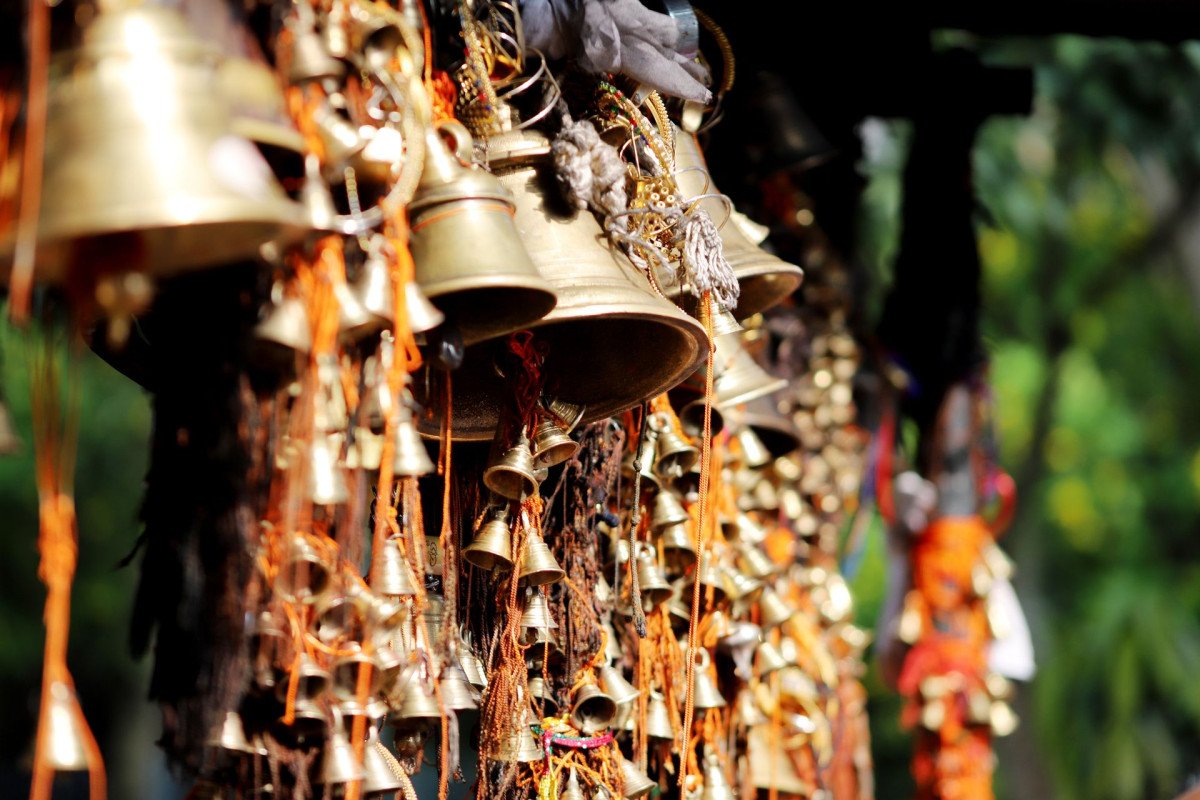
Chandi Devi Temple
General information
-
Ideal Duration:
1-1.
5 hours:Place Type:
Religious and Pilgrimage Site:Entry Fees:
No Entry Fee:: As a public Hindu place of worship, there is no ticket or entry fee required to enter the Chandi Devi Temple complex and offer darshan to Goddess Chandi. It is freely accessible to all.
Voluntary Offerings:: Visitors are enco...No Entry Fee:: As a public Hindu place of worship, there is no ticket or entry fee required to enter the Chandi Devi Temple complex and offer darshan to Goddess Chandi. It is freely accessible to all.
Voluntary Offerings:: Visitors are encouraged to make a voluntary donation toward the maintenance of the temple and the daily expenses of the puja and community kitchen (Bhandara), which is an accepted part of the pilgrimage tradition.
Cost of Puja Items:: You will need to purchase small items for your personal offering (puja), such as flowers, prasad (sweets), incense sticks, and a chunni (sacred scarf). Stalls outside the temple sell these items for a nominal fee.
Parking:: Since the temple is in a slightly remote location, a small, informal parking fee may be charged by local attendants for securing your vehicle on the temple grounds or nearby open lots. ()Timing:
Regular Timings:: The temple is generally open from 5:00 AM (before sunrise) until 9:00 PM (after the evening aarti). The temple doors may be briefly closed midday (around 1:00 PM to 4:00 PM) for the deity's rest (Bhog and Vishram).
Ideal Visit...Regular Timings:: The temple is generally open from 5:00 AM (before sunrise) until 9:00 PM (after the evening aarti). The temple doors may be briefly closed midday (around 1:00 PM to 4:00 PM) for the deity's rest (Bhog and Vishram).
Ideal Visit Time (Spiritual):: The best time for a deeply spiritual visit and to avoid the biggest crowds is the early morning aarti (5:00 AM to 7:00 AM). The atmosphere is charged and serene before the heat and bustle start.
Ideal Visit Time (Quiet/Relaxing):: A quiet, peaceful darshan is possible in the late afternoon (4:00 PM to 6:00 PM) on a weekday.
Festival Timings:: During Navratri, the temple remains open for extended hours, often featuring all-night Jagrans (vigils), with special timings announced locally. ()Special Events:
The Navratri Festival:: This is the most important annual festival, celebrated twice a year (in Chaitra and Sharad). The entire nine-day period is marked by special, elaborate decoration of the temple, continuous bhajans, and intense puja. Thousands of devotees undertake f...The Navratri Festival:: This is the most important annual festival, celebrated twice a year (in Chaitra and Sharad). The entire nine-day period is marked by special, elaborate decoration of the temple, continuous bhajans, and intense puja. Thousands of devotees undertake fasting and queue up for hours to get a glimpse of the Goddess.
Ganga Dussehra and Kartik Purnima:: Due to its proximity to the Garh Ganga bathing ghats, the temple sees a massive surge in pilgrims during the holy bathing days of Ganga Dussehra (around May/June) and Kartik Purnima (around November), who visit the temple after their dip in the river.
Local Village Fairs (Mela):: On various Hindu festival dates throughout the year, especially on Tuesdays and Fridays (dedicated to Shakti), small, impromptu melas (fairs) spring up around the temple with food stalls, rides, and local vendors, adding a festive atmosphere. ()Best Photo Spots:
The Temple Entrance and Spire:: The main gate and the central Shikhara (spire) offer the best traditional architectural shots. Capturing the vibrant colors and the religious symbols provides a quintessential temple photo.
The Goddess's Shrine I...The Temple Entrance and Spire:: The main gate and the central Shikhara (spire) offer the best traditional architectural shots. Capturing the vibrant colors and the religious symbols provides a quintessential temple photo.
The Goddess's Shrine Interior:: While photography is often restricted inside the main sanctum, a respectful photo of the decorated exterior of the main shrine or the Mandap (hall) can capture the devotional mood and the artistic ceiling work. Always ask.
The View from the Top:: If the temple is indeed on an elevated spot, the panoramic view of the flat plains and the distant suggestion of the Ganga river provides a great landscape photography opportunity, especially during the golden hour of sunrise or sunset.
Devotional Scenes:: Capturing the vibrant energy of the devotees, the colorful offerings of flowers and coconuts, and the rituals performed by the priests (from a respectful distance) makes for compelling cultural and documentary-style photography. ()Photo Gallery
Things To Do
-
Offer Prayers to Goddess Chandi:: The main activity is performing darshan (viewing) of the Goddess's idol and offering prayers, flowers, and chunni (sacred cloth). This is a ritual of seeking blessings for health, wealth, and the removal of obstacles.
Participate in the Aarti:: Witness or participate in the morning and evening aartis, which are highly charged with devotional energy, featuring the rhythmic chanting of mantras, the ringing of bells, and the lighting of lamps.
Navratri Celebration (Seasonal):: If visiting during the nine days of Navratri (March/April and September/October), participate in the special rituals, jagrans (all-night vigils), and Kanya Puja (worship of young girls as the Goddess), which are the highlight of the temple's calendar.
Meditate in...Offer Prayers to Goddess Chandi:: The main activity is performing darshan (viewing) of the Goddess's idol and offering prayers, flowers, and chunni (sacred cloth). This is a ritual of seeking blessings for health, wealth, and the removal of obstacles.
Participate in the Aarti:: Witness or participate in the morning and evening aartis, which are highly charged with devotional energy, featuring the rhythmic chanting of mantras, the ringing of bells, and the lighting of lamps.
Navratri Celebration (Seasonal):: If visiting during the nine days of Navratri (March/April and September/October), participate in the special rituals, jagrans (all-night vigils), and Kanya Puja (worship of young girls as the Goddess), which are the highlight of the temple's calendar.
Meditate in the Courtyard:: The temple courtyard and surrounding grounds, especially the slightly elevated spots, offer a peaceful environment for meditation and quiet contemplation.
Perform Ritual Bathing in the Ganga:: Since the holy Garh Ganga is nearby, devotees often combine their temple visit with a ritual dip in the River Ganga's sacred waters for purification before or after their darshan.
Explore Local Stalls:: Browse the numerous small stalls outside the temple that sell religious paraphernalia, prasad, toys, bangles, and other local handicrafts. This is a great way to engage with the local economy.
Panchli Khurd Village Visit:: Take a short walk into the nearby Panchli Khurd Village to see a slice of authentic rural life in Western Uttar Pradesh, observing traditional housing, farming methods, and the local rhythm of life.
Family Gatherings:: Due to the serene environment, families often organize small, simple religious functions, hair-cutting ceremonies for children (Mundan), or anniversary pujas here, offering an opportunity to observe local cultural rites. ()
Information
-
Why Famous:
Dedication to Goddess Chandi:: The primary fame of the temple is its dedication to Goddess Chandi, a powerful and fierce manifestation of Durga. Devotees believe she grants strength and protection, making it a spiritual magnet for worshippers seeking her grace.Dedication to Goddess Chandi:: The primary fame of the temple is its dedication to Goddess Chandi, a powerful and fierce manifestation of Durga. Devotees believe she grants strength and protection, making it a spiritual magnet for worshippers seeking her grace.
Proximity to Garh Ganga:: Its location near Garhmukteshwar (Garh Ganga), one of the five primary places for holy bathing in the River Ganga in the region, dramatically increases its pilgrimage value, drawing bathers and temple visitors simultaneously.
Navratri Grandeur:: During the biannual Navratri festivals (in March/April and September/October), the temple is known for its spectacular decorations and the fervent, intense atmosphere of puja and fasting, drawing large crowds from all over Western Uttar Pradesh.
Historical and Mythological Links:: Local folklore and the temple's history are intertwined with ancient legends and mythological stories, attracting those interested in the deep-rooted cultural and spiritual narratives of the area. () -
Architecture:
Traditional Hindu Style:: The architecture of the Chandi Devi Temple is primarily in the traditional North Indian Hindu temple style, characterized by a central Shikhara (spire) over the main Garbhagriha (sanctum sanctorum). The structure is not overly elaborate but maintai...Traditional Hindu Style:: The architecture of the Chandi Devi Temple is primarily in the traditional North Indian Hindu temple style, characterized by a central Shikhara (spire) over the main Garbhagriha (sanctum sanctorum). The structure is not overly elaborate but maintains a strong sense of sacred tradition.
Materials and Construction:: The temple is constructed using a mix of traditional brick, plaster, and more modern materials from recent renovations. The walls are typically painted in bright colors, often white or yellow, consistent with popular Hindu shrines in the region. The interior features simple, dedicated altars to the main deity, Goddess Chandi, and a few other subsidiary deities.
The Elevated Location:: The temple's location is a key architectural and spiritual feature, as it is often built on a slightly raised mound or hillock, symbolizing the Goddess's supreme position and offering a modest view of the surrounding plains and fields near the Ganga river area. This elevation is typical for many Chandi or Devi temples, which are often built on hills (like the Chandi Devi Temple in Haridwar).
Dimensions and Layout:: The temple complex is relatively modest in size, primarily consisting of the main shrine, a small Mandap (hall) for devotees to gather for darshan (viewing) and bhajans, and a courtyard. The dimensions are functional, designed to manage the regular flow of devotees rather than the colossal scale of mega-temples, ensuring a more intimate and devout experience for the pilgrims. () -
How To Reach:
By Air:: Nearest airport is Indira Gandhi International Airport (DEL) in New Delhi (approx. 90-100 KMS). From the airport, hire a pre-booked taxi directly to Garhmukteshwar (Garh Ganga) area, then take a local taxi to the temple on Mawana Road. The journey is long and wil...By Air:: Nearest airport is Indira Gandhi International Airport (DEL) in New Delhi (approx. 90-100 KMS). From the airport, hire a pre-booked taxi directly to Garhmukteshwar (Garh Ganga) area, then take a local taxi to the temple on Mawana Road. The journey is long and will take about 2. 5 to 3 hours.
By Train:: The nearest major railway station is Meerut City Junction (MTC) (approx. 40 KMS), but a more convenient station for this side of the city is Garhmukteshwar Railway Station (GMS) (approx. 10 KMS). From either station, hiring a private taxi or an auto-rickshaw is necessary. From Meerut City, the road journey will take about an hour.
By Road:: The temple is located off Mawana Road (which leads towards Garhmukteshwar) near the village of Panchli Khurd. Meerut is well-connected by NH 34. The drive from Meerut is straightforward and takes about 1 hour by private vehicle. Look for local signage for Garhmukteshwar and Panchli Khurd. Regular bus services are available to Garhmukteshwar from the Meerut Bus Stand, and from the bus stand, you can take a shared local taxi (or tempo).
By Local Transport:: A private taxi or a negotiated-fare motor-rickshaw (auto-rickshaw) is the most practical way to reach the temple from Meerut city, given the distance. Shared transport (like local buses and tempos) runs regularly along the Mawana Road but will only take you to the general area, requiring a short walk or a second local transport for the final mile. () -
Weather and Best Time to Visit:
Different Seasons (The Best):: Winter (October to March) is the most comfortable period for a visit. The cool, pleasant weather makes the journey and the time spent in the open temple courtyard enjoyable.
Different Seasons (The Peak):: Fest...Different Seasons (The Best):: Winter (October to March) is the most comfortable period for a visit. The cool, pleasant weather makes the journey and the time spent in the open temple courtyard enjoyable.
Different Seasons (The Peak):: Festival times like Navratri (March/April and September/October) are the peak seasons for devotees, offering the most vibrant, but crowded, experience. Ganga Dussehra (May/June) is also extremely busy due to the nearby river bathing.
Different Seasons (The Avoid):: Summer (April to June) is very hot. The midday heat makes an open-air temple visit very difficult. Monsoon (July to September) can lead to slippery conditions and heavy rainfall, though the greenery is at its best.
Different Parts of the Day:: Early morning (5:00 AM to 7:00 AM) is ideal to avoid the crowds, beat the heat, and experience the most spiritual time during the aarti. () -
Near Tourist Places:
Garhmukteshwar Ganga Ghat (10 KMS): Holy bathing spot, Jain Temple Hastinapur (25 KMS): Major pilgrimage site, Hastinapur Wildlife Sanctuary (25 KMS):
Wildlife reserve, Baley Miyan Ki Dargah (40 KMS):
Sufi shrine, Mansa Devi Temple (45 KMS):
Nearby hilltop temple, Bhole Ki Jhaal (25 KMS):
Riverfront picnic spot, Augarnath Temple (40 KMS):
Historical shrine, Jama Masjid (45 KMS): Historic mosque, Ghanta Ghar (Clock Tower) (45 KMS):
Central landmark, Raj Ghat Ganga (15 KMS): Another holy bathing spot. (10 places, distance in KMS)
Tourism Tips
-
Health & Safety:: Be respectful of the Ganga river if you go for a ritual bath; currents can be strong, especially after the monsoon. Do not swim in the main current. Carry water and wear comfortable, simple clothing. Watch out for monkeys in the area, which can be attra...Health & Safety:: Be respectful of the Ganga river if you go for a ritual bath; currents can be strong, especially after the monsoon. Do not swim in the main current. Carry water and wear comfortable, simple clothing. Watch out for monkeys in the area, which can be attracted by food offerings or bags.
Packing Essentials:: Dress modestly as a sign of respect, ensuring shoulders and knees are covered. Carry a small bag for your belongings and puja items. A hat or scarf is helpful against the sun, especially if visiting in the afternoon. Carry cash for offerings and local vendors.
Accommodation:: No accommodation is available at the temple itself. Visitors should arrange to stay in hotels in Meerut city or the nearby township of Garhmukteshwar, which offers guesthouses for pilgrims.
Other Tips (Culture):: The tradition is to remove footwear outside the temple area. Purchase prasad from the temple-approved or local trusted stalls. It is considered auspicious to circumambulate (Parikrama) the main shrine. Avoid being overtly loud or disruptive inside the temple premises. ()
Reviews
FAQs
Meerut Itineray And Cost:-
Chandi Devi Temple Tourism:-
Other Places In Meerut :-
Other States In India :-
Information about New and Updated Locations() of Uttar Pradesh Has Been Added :-
Card subtitle
Note:-
Information provided here in good Faith and for reference only.
Near Places
Augarnath Temple
Some quick example text to build on the card title and make up the bulk of the card's content.
Go somewhere
Basilica of Our Lady of Graces
Some quick example text to build on the card title and make up the bulk of the card's content.
Go somewhere
Bhole Ki Jhaal
Some quick example text to build on the card title and make up the bulk of the card's content.
Go somewhere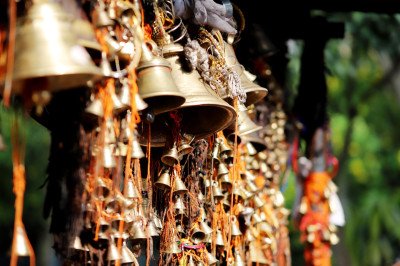
Chandi Devi Temple
Some quick example text to build on the card title and make up the bulk of the card's content.
Go somewhere
Dargah of Baley Miyan
Some quick example text to build on the card title and make up the bulk of the card's content.
Go somewhere
Digambar Jain Temple
Some quick example text to build on the card title and make up the bulk of the card's content.
Go somewhere
Gandhi Bagh
Some quick example text to build on the card title and make up the bulk of the card's content.
Go somewhere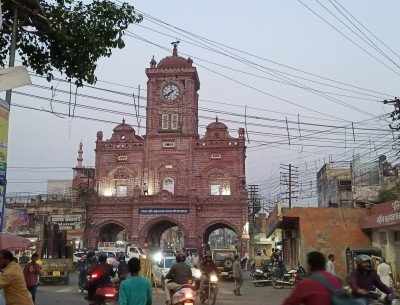
Ghanta Ghar
Some quick example text to build on the card title and make up the bulk of the card's content.
Go somewhere
Government Freedom Struggle Museum
Some quick example text to build on the card title and make up the bulk of the card's content.
Go somewhere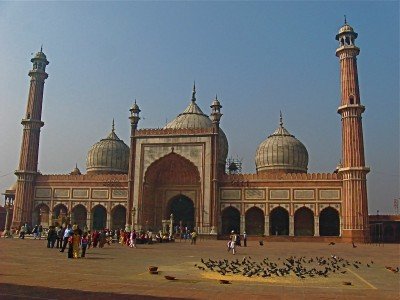
Jama Masjid
Some quick example text to build on the card title and make up the bulk of the card's content.
Go somewhere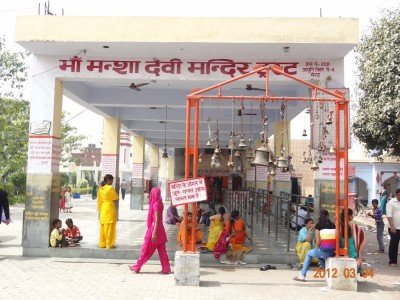
Mansa Devi Temple
Some quick example text to build on the card title and make up the bulk of the card's content.
Go somewhere
Mustafa Castle
Some quick example text to build on the card title and make up the bulk of the card's content.
Go somewhere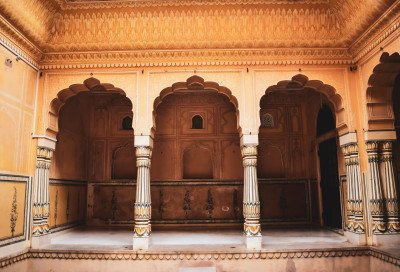
Parikshitgarh Fort
Some quick example text to build on the card title and make up the bulk of the card's content.
Go somewhere
Shaheed Smarak
Some quick example text to build on the card title and make up the bulk of the card's content.
Go somewhere
Shahid Smarak
Some quick example text to build on the card title and make up the bulk of the card's content.
Go somewhere
Shahpeer Sahab ki Dargah
Some quick example text to build on the card title and make up the bulk of the card's content.
Go somewherein Other Cities